
yard crane Fundamentals: Role and Impact on Terminal Throughput
A yard crane moves containers within a container yard. In many container terminal settings, yard cranes include rubber-tyred gantry cranes (RTGCs) and automated stacking cranes (ASC). RTGCs provide flexible stacking for conventional yard layouts. ASCs support automated container retrieval and high-density storage in an automated container terminal. Both types of yard crane handle stacking and retrieval, and both shape how quickly containers in the yard move to and from the quay. Terminal operators plan the number of yard cranes to match peak demand. A well-tuned allocation can improve yard utilization and equipment utilization by up to 15–20% in practice, which speeds container throughput.
Yard cranes must work with quay cranes, yard trucks and automated guided vehicles. Quay crane cycles feed the terminal yard with incoming containers from container ships. If quay crane productivity outpaces yard handling, queues form at berth and yard interfaces. Conversely, slow quay crane or yard truck performance creates idle time for yard cranes. This interdependence makes the scheduling problem complex and often NP-hard; practical solutions use heuristics and optimization frameworks to limit idle moves and container relocations.
Operators care about container storage, container retrieval, and stack height limits. A good yard template balances density against accessibility. Research on yard template design shows cluster-based templates reduce unnecessary container relocations and improve yard capacity for deep-sea container flows; this helps many container terminals handle surges in international container volumes. For more on stacking strategies and container pre-marshalling, see a detailed guide on optimizing container stacking. Finally, software tools that combine operations research and AI help terminal operation teams make faster, data-driven decisions about the number of yard cranes and layout of the yard.
crane Scheduling and Allocation Challenges in Deepsea Ports
Deepsea ports face variable container arrival patterns, which complicate resource planning. A sudden wave of container arrival can overload an empty container yard or a full container block. When container volumes change, yard block congestion grows and yard crane productivity falls. Terminal yard congestion is directly linked to container relocations and longer cycle times. A shortage of yard trucks, for example, can cause cascading delays to quay crane and yard crane workflows, reducing terminal productivity by disrupting coordinated flows.
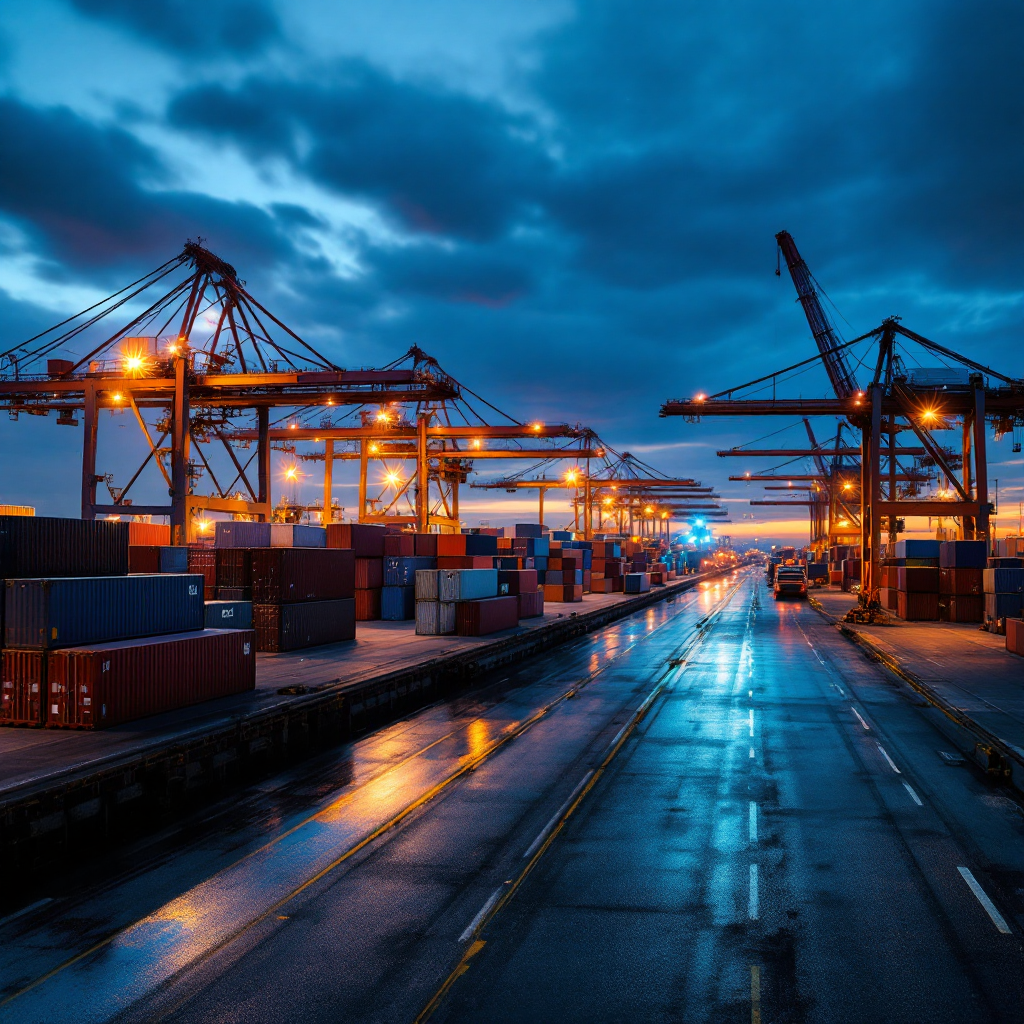
The scheduling challenge is a multi-layer problem. Planners must allocate quay crane moves, assign quay crane to berth slots, and manage inter-terminal truck flows. At the same time, yard equipment must be allocated to container blocks to minimize travel and waiting time. This coordination is an optimization problem. It couples quay crane, yard crane scheduling and yard truck distribution. The result is often an NP-hard problem that requires approximations and dynamic re-scheduling. Joint optimization approaches show benefit when they simultaneously consider yard space and equipment; one study finds shared gains in throughput when space allocation and crane deployment are optimized together by integrating yard and crane plans.
Another operational challenge appears in outbound container flows. Outbound container stacks must be sequenced to match vessel load lists and feeder schedules. Misaligned stacking increases container relocations and the block relocation problem. In practice, terminal operators use yard template rules and block-specific crane assignments to limit moves. However, implementing that at scale across seaport container terminals requires real-time visibility into container stacks, yard configurations and the rate of yard arrivals. Tools built for yard management and yard storage planning help teams react faster to peak periods and improve the overall berth and yard coordination.
Drowning in a full terminal with replans, exceptions and last-minute changes?
Discover what AI-driven planning can do for your terminal
Deployment Strategies for Yard Equipment in Container Yards
Deployment of yard equipment must be strategic. A collaborative optimization model that jointly allocates yard space and assigns yard equipment reduces idle times and smooths container flows. In such models, planners treat yard space as a shared resource and allocate blocks so that cranes service adjacent stacks with minimal travel. This approach reduces the solution space of the problem and lowers container relocations. Research shows that joint optimisation can boost yard throughput by about 10–15% under variable arrivals.
To allocate slots and assign cranes, planners use an optimization framework that balances stack density and accessibility. The storage space allocation problem and the model for the container pre-marshalling are parts of this framework. When designing yard layouts, terminal operators compare conventional yard designs and automated yard templates. A carefully tuned yard template reduces the block relocation problem and simplifies yard crane deployment. Sometimes terminal operators run simulation studies to test yard configurations before rollout. These simulations often include container block specifics, number of yard cranes, and yard capacity constraints.
Practical deployment strategies also include rotating crane assignments between high-demand container blocks, using floating pools of yard trucks, and creating buffer lanes for outbound container staging. Terminal yard policies that limit stack height can reduce container relocations and speed container retrieval. For teams evaluating implementation, see resources on yard AI for predictive stacking and on automated guided vehicles for job prioritization to support collaborative deployment yard AI and AGV prioritization. These tools support real-world yard decisions and help improve yard utilization while managing container storage and yard configurations.
Methods to optimize Yard Crane Scheduling for Efficiency
Advanced algorithms and machine learning help optimize yard crane scheduling. Researchers have applied machine learning–enhanced genetic algorithms and non-dominated sorting techniques to the yard truck and crane scheduling problems. In simulation studies, these approaches reduce average container handling delays by roughly 12–18% when they include adaptive learning for incoming flows (preprint).
Machine learning models forecast container arrival patterns and the distribution of container types. Forecasts feed an optimization model that recommends crane allocations, yard templates and yard storage assignments. When planners integrate predictive models with equipment scheduling, dynamic re-scheduling becomes feasible. Real-time data from terminal operating systems, gate sensors and vessel ETAs allow the system to reassign yard crane tasks and adjust the allocation of yard equipment quickly. This reduces idle time and limits misplaced containers.
Optimization of yard crane scheduling also addresses the container relocation problem and container pre-marshalling problem. Methods that minimize travel distance and the number of container relocations improve yard throughput and reduce fuel consumption. Because the solution space of the problem is large, heuristic search and metaheuristics are common. That said, operations research techniques still matter; combining OR models with AI produces robust schedules that satisfy operational constraints. For teams that handle many moves daily, automating email workflows that carry job confirmations and exceptions can save time.
Drowning in a full terminal with replans, exceptions and last-minute changes?
Discover what AI-driven planning can do for your terminal
yard crane deployment in Automated and Semi-automated Terminals
Automated terminals bring new design choices. In an automated container terminal, AGVs and automated rail-mounted gantry cranes often replace human-driven trucks and RTGCs. That change alters the rules for allocating yard space and the optimal yard template. Automated systems can run tight schedules, but they require sophisticated yard management and central coordination. Early-stage research notes that yard space management in automated yards is still evolving and needs tailored optimization frameworks for dynamic yard allocation.
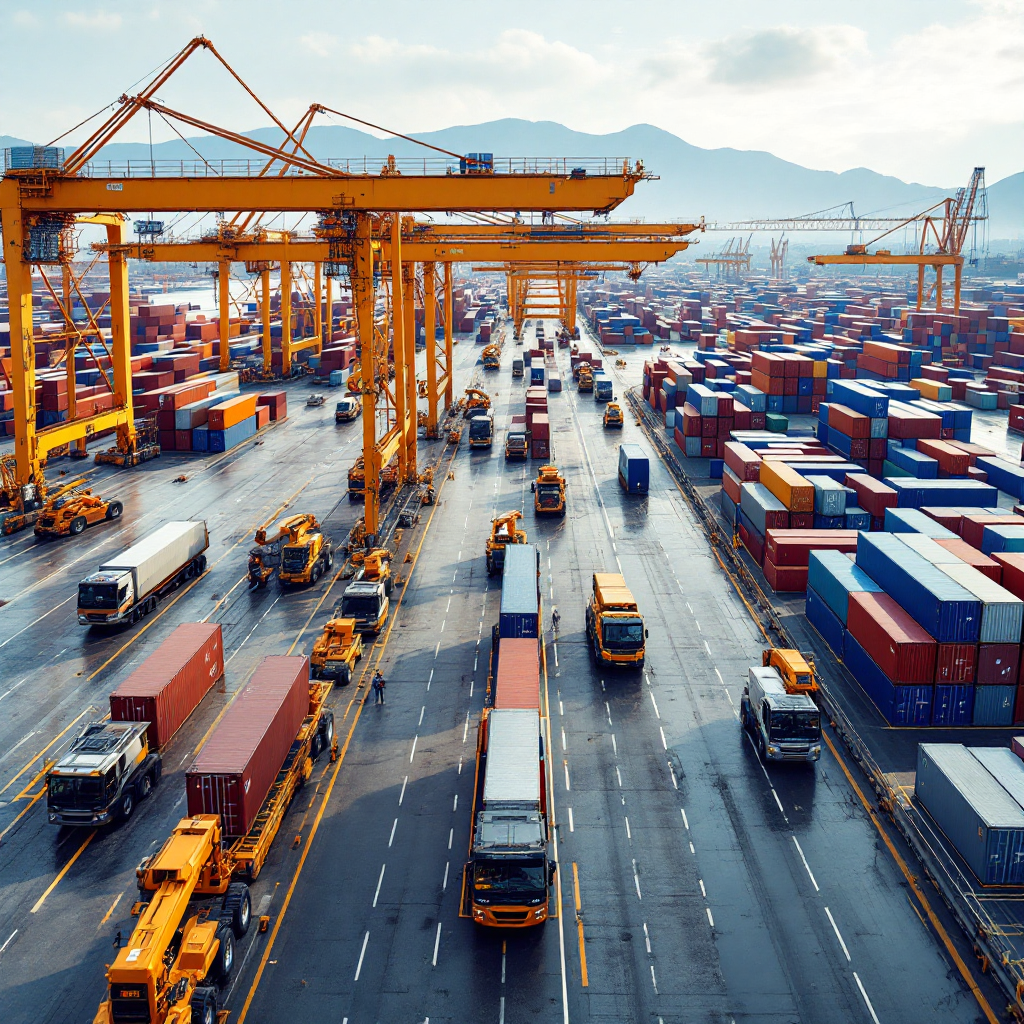
Integration challenges include syncing AGV routes, gantry cycles, and automated yard crane tasks. In automated setups, the layout of the yard and yard configurations must allow safe, conflict-free motion for robots. Planners must also manage yard storage rules to limit container relocations and to preserve throughput for feeder and deep-sea container services. Practical deployments balance density and access in the layout of the yard so that automated rail-mounted gantry cranes can maintain high utilization.
Automation also affects terminal operation roles and terminal operators’ requirements. Staff shift focus from manual handling to system supervision, exception handling and high-level planning. Automated yard designs often assume predictable container arrival sequences, but real-world yard uncertainty persists. To manage it, terminals combine predictive models with real-time telemetry and fallback manual procedures. This hybrid approach improves resilience when container ships arrive early or late. For more on operational automation and stacking, check a technical exploration of optimizing container stowage for shipboard placement stowage planning.
Future Innovations to optimize deployment and Sustainability
Future research directions point to AI-driven predictive models and greener equipment strategies. Predictive models use historical arrival patterns, weather data and port call changes to forecast the number of container flows. Those forecasts then drive adaptive crane assignment and allocation of yard space, which helps reduce unnecessary moves. Research directions include tighter integration of forecasting, an optimization framework for mixed human-robot teams, and methods that reduce container relocations while improving yard utilization.
Green practices will shape hardware and scheduling. Energy-efficient crane operation, smart idle shutdowns and electric yard equipment reduce emissions. Studies of sustainable maritime transport recommend coordinated planning to reduce fuel use and idle emissions in maritime ports. Operators should pair energy-aware scheduling with demand forecasts to minimize peak electricity usage and to reduce the carbon footprint of container handling.
Innovations also target better tools for terminal operators and the container logistics system. Combining digital twin simulations with real-time telemetry lets planners test strategies virtually before live deployment. An optimization of yard crane that includes sustainability constraints can recommend fewer, longer-running cycles that lower energy consumption. Finally, automating back-office workflows matters. By reducing manual email triage, teams can react faster to predicted surges and focus on implementing green, scalable strategies that improve yard capacity and optimize how many yard cranes are on shift. Together, these advances support more resilient ports that serve the global supply chain while reducing environmental impact.
FAQ
What types of yard crane are most common in container yards?
RTGCs (rubber-tyred gantry cranes) and ASCs (automated stacking cranes) are the most common. RTGCs suit flexible, conventional yard layouts while ASCs excel in dense, automated yards.
How does better yard crane scheduling affect container throughput?
Improved scheduling raises equipment utilization and reduces waiting time for quay and yard moves. Studies show optimized crane deployment can improve utilization by around 15–20% and reduce delays substantially (research).
Why is coordinating quay crane, yard truck and yard crane essential?
These pieces form an interdependent chain from ship to stack to gate. Misalignment causes idle resources and increased container relocations, which slow terminal throughput and raise costs.
Can machine learning really reduce handling delays?
Yes. ML-enhanced genetic algorithms and adaptive scheduling reduce average handling delays by around 12–18% in simulation studies (preprint).
What is a yard template and why does it matter?
A yard template defines how stacks and blocks are arranged and serviced by cranes. A good template reduces container relocations and improves yard capacity for deep-sea container operations.
How do automated guided vehicles change yard crane deployment?
AGVs decouple mover availability from human drivers, allowing central systems to schedule crane tasks more tightly. Integration requires coordinated yard management and precise yard configurations to avoid conflicts.
What sustainability gains are possible with optimized deployment?
Optimized schedules reduce travel, idle time and fuel use. Combining energy-aware crane cycles with predictive demand helps lower emissions at maritime ports while maintaining throughput.
That reduces delay in decision-making about equipment scheduling and exceptions.
Are joint space-and-equipment models practical for busy ports?
Yes. Joint models that allocate yard space and equipment together have shown 10–15% throughput gains in research and are practical when supported by real-time data systems (study).
Where can I learn more about stacking strategies and container pre-marshalling?
For detailed guides on stacking and pre-marshalling approaches, review materials on container stacking optimization and stowage planning, such as resources about optimizing container stacking and container stowage planning stacking guide and stowage planning.
our products
 stowAI
 stackAI
 jobAI
jobAI
Innovates vessel planning. Faster rotation time of ships, increased flexibility towards shipping lines and customers.
Build the stack in the most efficient way. Increase moves per hour by reducing shifters and increase crane efficiency.
Get the most out of your equipment. Increase moves per hour by minimising waste and delays.
stowAI
Innovates vessel planning. Faster rotation time of ships, increased flexibility towards shipping lines and customers.
stackAI
Build the stack in the most efficient way. Increase moves per hour by reducing shifters and increase crane efficiency.
jobAI
Get the most out of your equipment. Increase moves per hour by minimising waste and delays.