
Understanding ai and container terminal operations: kpis to boost port efficiency
Container terminals run at the intersection of scale and speed, and AI now shapes how operators measure success. First, define core KPIs. Throughput measures the number of container moves per hour or day. Average container handling time tracks the time to unload or load and to move a box from quay to yard or yard to quay. Equipment utilization reports what percentage of time a crane, yard truck, or other unit actively works. Yard occupancy rate calculates how much of the available yard holds containers. Vessel turnaround time measures how long a ship spends at berth from arrival to departure. These key performance indicators guide every improvement, because they link directly to cost, delay, and customer satisfaction.
Next, explain how each KPI affects port economics. Throughput affects revenue and berth utilization, so higher throughput reduces per-container cost. Handling time ties to labor and fuel costs, so shorter handling time also lowers per container spend. Equipment utilization drives capital efficiency, hence better utilization reduces the need for extra assets. Yard occupancy influences storage fees and congestion charges. Vessel turnaround time matters to shipping lines, so shorter times sharpen a terminal’s competitive position.
Then, introduce the role of AI. AI enables faster, metric-driven decision-making, and it helps terminal operators make informed choices in real time. AI integrates historical and real-time data, and therefore it can predict peaks, route trucks, and sequence moves. For example, rules-based and learning systems implement container stacking policies to reduce moves and improve container retrieval. Also, AI supports predictive maintenance so cranes see fewer failures and higher availability. A strategy that couples AI with the right kpis produces measurable gains, and it shifts decision-making from reactive to proactive.
Finally, consider the operational context. Terminal managers must align AI with the terminal operating system and the daily workflows of terminal operators. Also, adoption needs high-quality data streams from sensors, berth systems, and gate software. For practical reading on stacking or yard planning, see an example of optimized yard approaches at a specialist resource on optimizing container stacking for yard operations optimizing container stacking for yard operations. In short, a metrics-first approach, combined with AI, can significantly improve port efficiency and reduce cost per move.
ai integration and application of ai in container and ai in container terminals with machine learning
Integration of AI begins with a clear plan, and then it layers data, models, and operations. First, map data sources. That means yard sensors, gate logs, vessel schedules, and ERP feeds. Next, create pipelines that deliver clean, tagged records so AI models learn from high-quality inputs. Also, integrate the solution with a terminal operating system to close the loop between prediction and action. A successful rollout uses a phased approach: proof of concept, pilot, then scale. Also, include change management for terminal operators so staff adopt model outputs and trusts the system.
Application of AI in container contexts spans stacking, scheduling, and resource planning. For container stacking, rule-based AI can recommend which boxes to stack together to reduce future rehandles. Also, machine learning models infer demand hotspots and predict which bays fill up, so planners can preempt congestion. For scheduling, optimization and heuristic algorithms sequence quay crane moves to balance vessel priorities and minimize idle time. Also, truck dispatch systems feed AI with gate ETA and yard state to prioritize loads. See a focused treatment on container stowage planning for ship-side placement at a practical resource about stowage planning optimizing container stowage plan.
Machine learning supports pattern recognition in cargo flows. Supervised models classify container types and expected dwell times. Also, unsupervised learning finds clusters of similar flows that inform yard layout changes. Reinforcement learning can recommend policies that the terminal tests in simulation before fielding. For instance, a model trained on historical throughput and arrival patterns can forecast peak windows and suggest staffing shifts. Also, advanced AI can detect anomalies in gate spikes that earlier signal exceptions. For deeper reading on yard density prediction using data science, consult a case study on container terminal yard density prediction container terminal yard density prediction using machine learning.
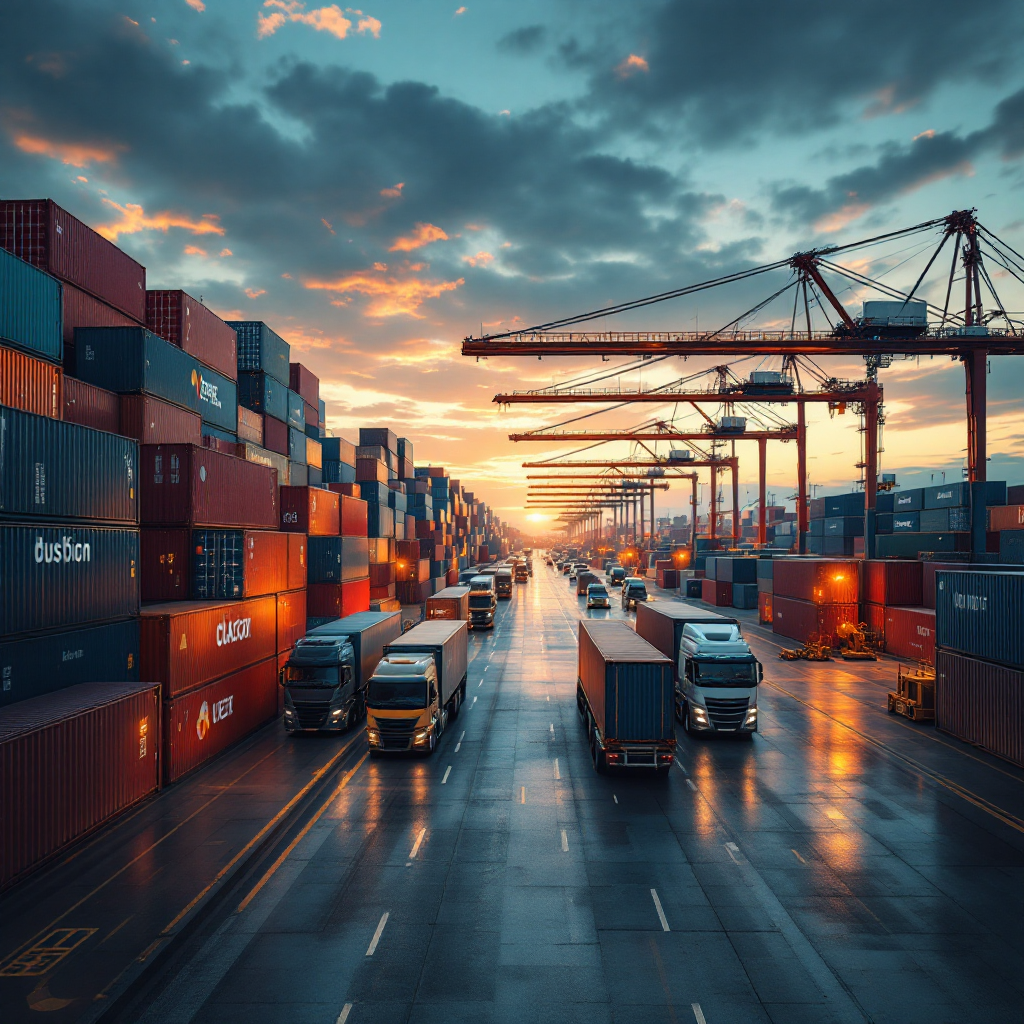
Drowning in a full terminal with replans, exceptions and last-minute changes?
Discover what AI-driven planning can do for your terminal
Real-time predictive analytics and predictions of container throughput
Real-time data capture is the backbone for accurate predictions. Start with sensors and message buses that stream gate reads, crane telemetry, and truck GPS. Also, connect AIS feeds and berth timetables to fuse vessel ETA with yard state. Then, implement streaming architectures that ingest, clean, and serve data to models with low latency. A robust design uses pub-sub, time-series databases, and model serving layers so predictions update as events occur. Real-time architectures make it possible to adjust plans within minutes rather than hours.
Predictive analytics techniques for demand forecasting include time-series models, feature-rich regressions, and ensemble approaches. Also, machine learning methods capture seasonal and shipment-driven patterns. For example, trained models predict container volumes for the next 24, 48, and 72 hours, and they flag peak periods so planners can add shifts or reassign cranes. Studies show that AI-driven demand forecasts can lift throughput and reduce wait times; operators have reported throughput improvements up to 15–20% after adopting AI-enabled scheduling and forecasting throughput improvements up to 15-20%.
Prediction accuracy matters for yard planning and berth allocation. Use cross-validation and live A/B tests to compare models. Also, ensemble strategies often outperform single-model solutions because they combine short-term autoregressive predictions with longer-term covariate-aware forecasts. For example, combining historical cargo arrival patterns with port-level disruptions and weather covariates yields more stable predictions of container volumes. Additionally, modern terminals pair predictive outputs with a digital twin to simulate peak responses before executing physical moves. For a practical look at digital replica approaches see an article about digital twin technology in port operations digital twin technology in port and terminal operations.
Finally, use prediction outputs to automate alerts. Also, apply thresholds for staffing triggers and equipment reassignments. As a result, terminals can reduce unplanned congestion. In short, predictive analytics combined with real-time data and decision-making workflows helps terminals optimize container flows and maintain smooth operations.
Algorithm-driven automation to automate terminal operation
Optimization algorithms power berth allocation, truck dispatch, and crane sequencing. First, discrete optimization and combinatorial optimization handle grouping and sequencing problems. Also, multi-objective optimization weights throughput, cost, and emission to find trade-offs. For berth allocation, algorithms schedule quay time so ships spend less time at berth and more time sailing. For truck dispatch, greedy and priority-based heuristics minimize truck turn time. Also, reinforcement learning can learn dispatch policies from simulated operations.
Automation reduces manual steps. For example, automating gate checks and chassis moves cuts queue time. Also, automated policies can manage routine container moves like repositioning or balancing stacks. An algorithmic policy that sequences yard cranes and assigns trucks reduces unnecessary repositioning and saves moves. Studies show that AI-driven stacking strategies can cut average container handling time by 10–25% through better yard management and fewer rehandles handling time reductions 10-25%.
Algorithm-driven systems also improve operational resilience. For instance, when a quay crane goes offline, the system can reassign tasks to minimize throughput loss and preserve vessel turnaround targets. Also, by incorporating predictive maintenance signals, algorithms schedule preventive checks during low-demand windows, thus preserving availability. Predictive maintenance reduces downtime and supports higher equipment utilization that has been observed to rise by 12–18% after AI adoption equipment utilization increases 12-18%.
Next, emphasize human-in-the-loop controls. Terminal operators should review recommendations, accept or tune policies, and provide feedback to the AI. Also, tools like no-code assistants help operations staff craft rules without deep coding. Finally, algorithmic automation both streamlines routine tasks and leaves complex judgement to experienced staff, which sustains efficiency and accountability.
Drowning in a full terminal with replans, exceptions and last-minute changes?
Discover what AI-driven planning can do for your terminal
Digital twin and automated terminal solutions in modern container terminals
A digital twin is a virtual replica of the terminal that mirrors assets, workflows, and container movements. First, a digital twin ingests historical and real-time inputs so simulations run on up-to-date state. Also, it supports scenario testing like surge events or equipment failures. Operators can test different allocation strategies in the twin, and then deploy the best policy to the live yard. The digital twin works best when combined with accurate sensor feeds and a reliable data model.
Automated terminal components include automated guided vehicles, automated stacking cranes, and quay cranes coordinated by a central orchestration layer. Also, systems connect automated container handling equipment to scheduling engines that minimize idle time. Modern container terminals that deploy full automation report faster vessel turnaround and steadier throughput. For examples of automated terminal implementations and AGV job prioritization, review a technical page on AGV job prioritization AGV job prioritization for import and export.
Coordination matters. For instance, a quay crane unloads while an AGV carries a container to the stack and an automated stacking crane places it. AI controls scheduling and collision avoidance. Also, the twin can replay operations for root-cause analysis after exceptions. Lessons from deployments show that automation reduces manual handling error and improves safety, and that careful sequencing yields measurable gains in throughput and cost optimization. For further reading about automated terminal components, see a resource on automated terminals automated terminal solutions.
Finally, consider sustainability. Automation, when tuned for efficiency, can lower emissions per container by reducing idle time and avoidable moves. Also, automated energy management tied to the digital twin can schedule high-power tasks during low-cost periods. As a result, terminals not only boost efficiency but also improve sustainability and community relations.
AI implementation in container terminal operating system for top 10 container terminal performance
Start AI implementation with clear objectives and measurable KPIs. First, set targets for throughput, vessel turnaround, and equipment utilization. Then, choose pilot projects that demonstrate value quickly. Also, maintain strong governance: IT approves connectors and data access, while ops leaders configure business rules. This reduces reaction time and supports rollout of AI-driven policies.
Best practices include phased pilots, human-in-the-loop validation, and continuous model monitoring. Also, embed explainability so terminal managers can interpret why an algorithm recommended a sequence. A unified approach to interpreting model predictions and offering suggested actions builds trust. Additionally, integrate predictive outputs into the terminal operating system so dispatches, work orders, and gate messages reflect AI recommendations. Use a dedicated version of the terminal operating system for testing before full deployment to avoid operational risk.
AI-enhanced systems generate measurable ROI. For example, terminals adopting AI have reported vessel turnaround reductions of 10–15% and lower handling times, which directly affect berth utilization and customer satisfaction vessel turnaround reductions 10-15%. Also, improved equipment uptime from predictive maintenance supports higher daily throughput. When implementing, compare your terminal with top 10 container terminal benchmarks to set realistic aspirations and identify gaps.
Finally, plan for scale and future of AI. Align infrastructure, data governance, and training programs so models continue to improve. Also, prioritize solutions that support container operations end-to-end and that can optimize container placement per vessel and per yard. With these approaches, terminals can achieve operational optimization, cost optimization, and better sustainability results. As you plan projects, remember that integration of AI, clear KPIs, and steady change management together deliver durable benefits and a smoother path to modern, efficient port operations.
FAQ
How does AI improve throughput at a container terminal?
AI improves throughput by optimizing resource allocation, sequencing crane moves, and predicting demand so the terminal allocates labor and equipment proactively. Also, AI reduces idle time and unnecessary container moves, which increases the number of containers handled per hour.
What role does a terminal operating system play in AI adoption?
The terminal operating system is the execution layer that applies AI recommendations to daily work orders and dispatches. Also, integrating AI outputs into the terminal operating system ensures that schedules, gate operations, and area assignments update automatically and consistently.
Can machine learning predict peak container volumes accurately?
Yes, machine learning models trained on historical and real-time data can forecast container volumes and peak periods with high accuracy, especially when combined with covariates like vessel schedules and seasonal trends. For example, ensemble approaches and time-series models can improve prediction stability and reduce surprises.
What is the benefit of a digital twin for terminal planning?
A digital twin lets teams simulate different scenarios and test policies without disrupting live operations, so planners can validate policies and measure impact before deployment. Also, the twin supports root-cause analysis after events and helps operators refine AI-driven strategies.
How do predictive analytics and predictive maintenance differ at a port?
Predictive analytics forecasts demand, container volumes, and congestion so planners adjust schedules and staffing. Predictive maintenance identifies equipment degradation patterns and schedules repairs before failure, which preserves crane availability and reduces downtime.
What internal data sources are essential for AI in container terminals?
Essential sources include gate logs, crane telemetry, yard sensors, AIS vessel data, and ERP shipment records; these feed models and provide the historical and real-time data needed for prediction. Also, high-quality, consistent data ensures AI outputs remain reliable and actionable.
How do algorithm-driven policies affect operational resilience?
Algorithm-driven policies improve resilience by offering rapid reassignments and contingency plans when equipment fails or arrivals shift, so operations continue with minimal disruption. Also, algorithms can prioritize critical tasks to preserve vessel schedules and service levels.
Is full automation necessary to see AI benefits?
No, AI delivers value in hybrid environments by optimizing manual workflows and guiding operators with better information, so terminals can optimize without full automation. Also, incremental automation combined with AI can produce large efficiency gains before committing to full automated terminal deployments.
How can terminals reduce emissions using AI?
AI reduces emissions by minimizing idle time, avoiding unnecessary moves, and optimizing equipment schedules to run during low-emission windows; this yields lower per-container emission footprints. Also, energy-aware scheduling can shift heavy power draws to times when cleaner energy is available.
What is the first step for a terminal starting an AI project?
The first step is to define clear KPIs and gather quality data streams to train and validate models, and then run a focused pilot on a high-impact use case such as container stacking or gate optimization. Also, establish governance and change management so terminal operators adopt AI outputs confidently.
our products
 stowAI
 stackAI
 jobAI
jobAI
Innovates vessel planning. Faster rotation time of ships, increased flexibility towards shipping lines and customers.
Build the stack in the most efficient way. Increase moves per hour by reducing shifters and increase crane efficiency.
Get the most out of your equipment. Increase moves per hour by minimising waste and delays.
stowAI
Innovates vessel planning. Faster rotation time of ships, increased flexibility towards shipping lines and customers.
stackAI
Build the stack in the most efficient way. Increase moves per hour by reducing shifters and increase crane efficiency.
jobAI
Get the most out of your equipment. Increase moves per hour by minimising waste and delays.