
Terminal Yard Management Optimization for Container Terminal Efficiency
First, define what a container terminal does. A terminal is the hub where vessel operations meet inland transport and gate processes. Next, yard management sits at the heart of that interface. It controls container placement, retrieval, and temporary storage. Also, yard management defines how container movements are sequenced during vessel calls and truck visits. Therefore, good yard management reduces driving distances, speeds container search, and cuts unnecessary container moves. For example, real-time yard analytics can boost throughput by 15–20% and reduce rehandling by about 25% study. This statistic shows how optimization changes outcomes in the short term. In addition, improved equipment utilization cuts idle times by 10–15% research. These gains free capacity without costly expansion.
Second, yard planning must consider stacking rules. Short stacks speed retrieval. Long stacks maximize space utilization but slow access. Thus, operators must balance space utilization with retrieval cost. Likewise, optimization modules in modern software propose stacking patterns that reduce rehandles and lower gate delays. Also, optimization helps the terminal decide which containers to place near the gate, which to put in deep stacks, and which to assign to high-frequency blocks.
Third, yard management links to the broader supply chain. Coordinating with inland modes avoids bottlenecks. For example, if a truck arrival pattern shifts, the yard can resequence moves to meet that demand. Similarly, better visibility into container location reduces search time at the gate. The yard management system provides that visibility and supports data-driven decisions. It feeds KPIs and performance metrics to supervisors. As a result, a terminal can optimize slot allocation and reduce dwell time.
Finally, technology choices matter. Solutions range from simple spreadsheets to advanced container yard management software. Some operators choose cloud-based systems. Others prefer an on-premise terminal operating system for data governance. If you want more details on yard planning for small terminals, see this practical guide on yard planning software for small inland container terminals. In short, yard management changes how a terminal performs. It shapes vessel turnaround times, container throughput, and the terminal’s resilience to peaks.
Optimization Software Solutions: Real-Time Data for Port Logistics
First, optimization software uses algorithms and machine learning to recommend actions. It combines rules-based logic with learning models. Also, it feeds optimization algorithms with operational data to propose crane sequences, truck assignments, and yard moves. For example, machine learning-enhanced NSGA-II has proven effective for yard truck deployment. A recent case at Busan Port reported a 12% reduction in truck turnaround times using such methods case study. That outcome improved throughput and reduced gate congestion.
Second, real-time data feeds make these recommendations actionable. Sensors, gate systems, and the TOS stream live updates. Then, the optimization software recalculates priorities. As a result, quay cranes can be rescheduled, and yard trucks can be redeployed to reduce empty travel. This approach lets a port respond during peak windows with minimal manual re-planning. Also, optimization software can deploy predictive modelling to anticipate arrival patterns and pre-stage containers where they will be needed. That reduces container search and speeds container handling.
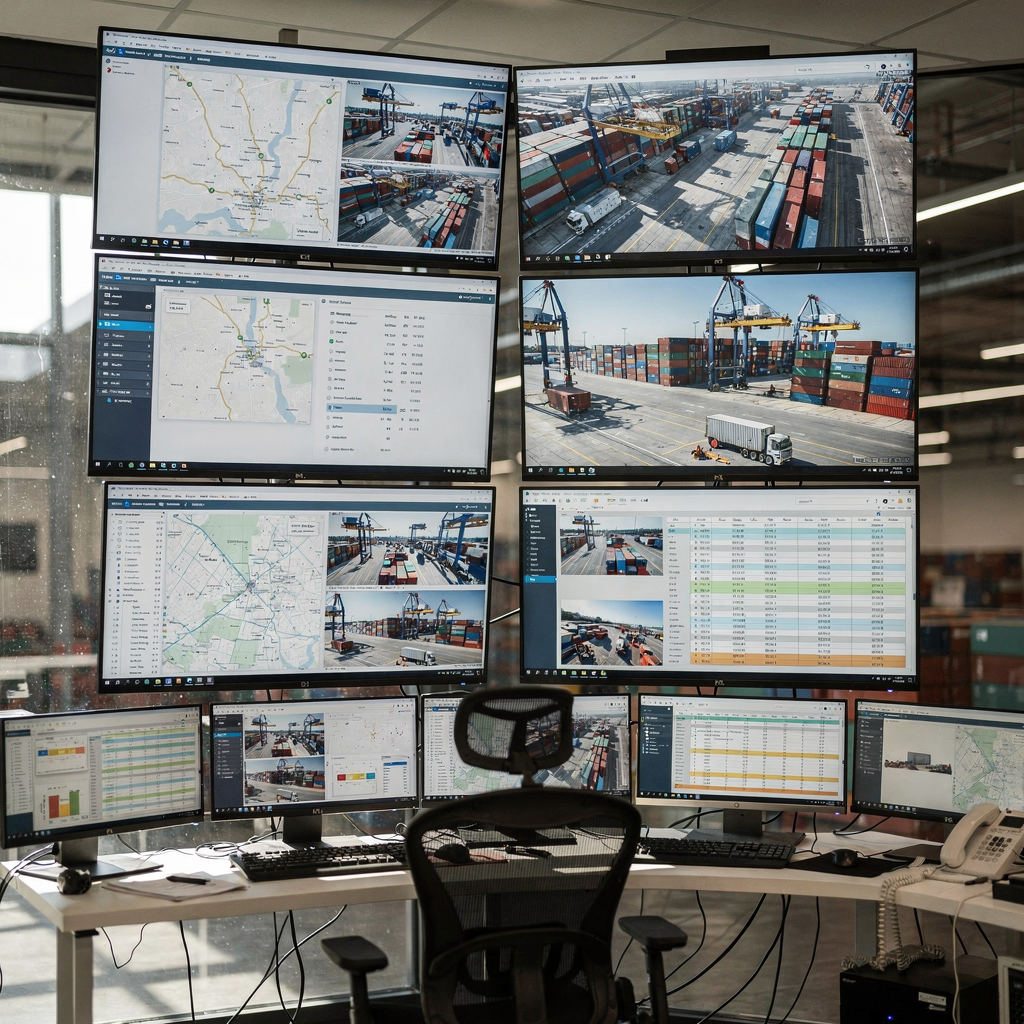
Third, software solutions include optimisation modules for specific tasks. They integrate with a terminal operating system or with existing terminal operating tools. They also offer APIs so the TOS and yard management can exchange plans seamlessly. For hands-on learning, see our article on AI-driven container port yard management systems. That page describes how analytics and optimization combine to optimize container placement and to streamline truck flows. Moreover, the software often includes simulation tools that test alternatives. Simulation reveals potential risks before changes go live.
Finally, the business case is clear. Optimization software increases efficiency and reduces costs. It helps operators to automate repetitive decisions while keeping humans in the loop for exceptions. In practice, that balance speeds responses during disruptions. It improves kpis and increases utilization of cranes and yard equipment. Therefore, optimization software is essential for modern terminal operations and for supply chain resilience.
Drowning in a full terminal with replans, exceptions and last-minute changes?
Discover what AI-driven planning can do for your terminal
TOS integrate for Seamless Integration in Operations Management
First, define TOS and why it matters. A terminal operating system centralizes control of gate, yard, and quay processes. It tracks containers, assigns tasks, and records events. Also, it provides the backbone for scheduling and for data aggregation. When a terminal integrates yard management with berth allocation and quay-crane scheduling, it reduces handoffs. That reduces interface errors and miscommunications. For a deeper dive into berth strategy, read the study on the berth allocation problem in terminal operations.
Second, seamless integration enables a unified control centre. That centre can coordinate vessel operations with yard moves and gate throughput. It offers standardized workflows and consistent data between modules. Hence, supervisors can see a single source of truth. Integrated solutions reduce total handling time by up to 18% according to comparative analyses comparative analysis. This saving comes from fewer idle hours and better task sequencing.
Third, integration reduces complexity. With seamless integration, the management system shares task lists with quay cranes and yard trucks. Then, optimization algorithms can propose holistic plans. Also, integration helps compliance with industry standards and ensures uniform reporting for kpis. It supports decision-making for terminal management and for stakeholders across the supply chain.
Fourth, integration choices matter. Some teams prefer cloud-based platforms to scale and to enable remote dashboards. Others choose an on-premise terminal operating system for tighter control of data. Either way, integration capabilities determine how easily the system will connect to external systems such as rail or trucking portals. Finally, a modern TOS should allow third-party tools to plug in. That supports digital transformation and enables incremental upgrades without a full replacement. As a result, the terminal can continue operations while it modernizes.
Leverage Visibility and Real-Time Tracking for a Competitive Edge
First, visibility begins with knowing where each container sits. Real-time visibility comes from IoT sensors, RFID tags, and geofencing. For example, ports that implement full visibility report about 20% fewer gate congestion incidents. That improvement comes from faster decision loops and clearer routing of trucks.
Second, real-time tracking supports rapid incident response. If a crane fails, the system reroutes tasks. Similarly, if a truck misses its slot, the yard can resequence to avoid cascading delays. Real-time tracking and container tracking reduce idle time and speed container search. This capability streamlines container retrieval and streamlines container handoffs at the gate.
Third, visibility supports performance metrics and kpis. Supervisors see utilization of cranes and yard trucks. They also monitor space utilization and yard density. These metrics guide operational improvements and continuous improvement programs. In turn, the terminal increases throughput while reducing rehandling. Many terminals use analytics dashboards to turn operational data into clear actions.
Fourth, email remains an underappreciated source of delay. Operations teams get hundreds of inbound messages daily. It reads intent, finds the right data in ERP or TMS, and drafts replies. This automation reduces time spent on manual lookups. As a result, teams gain time to act on visibility insights. The tool also helps the TOS by surfacing exceptions faster and by preserving audit trails. Therefore, combining visibility with automated email workflows speeds operational response and improves stakeholder coordination.
Drowning in a full terminal with replans, exceptions and last-minute changes?
Discover what AI-driven planning can do for your terminal
Streamline Vessel Operations to Boost Productivity
First, vessel operations demand tight coordination with yard and gate schedules. A vessel’s call affects berth allocation, quay-crane assignment, and yard pre-staging. Tools for dynamic berth planning help assign a berth to minimize delays and to match crane productivity. Similarly, quay-crane assignment tools allocate crane capacity to balance workload and to optimize crane utilization. These tools support the terminal’s effort to increase efficiency and productivity during each vessel call.
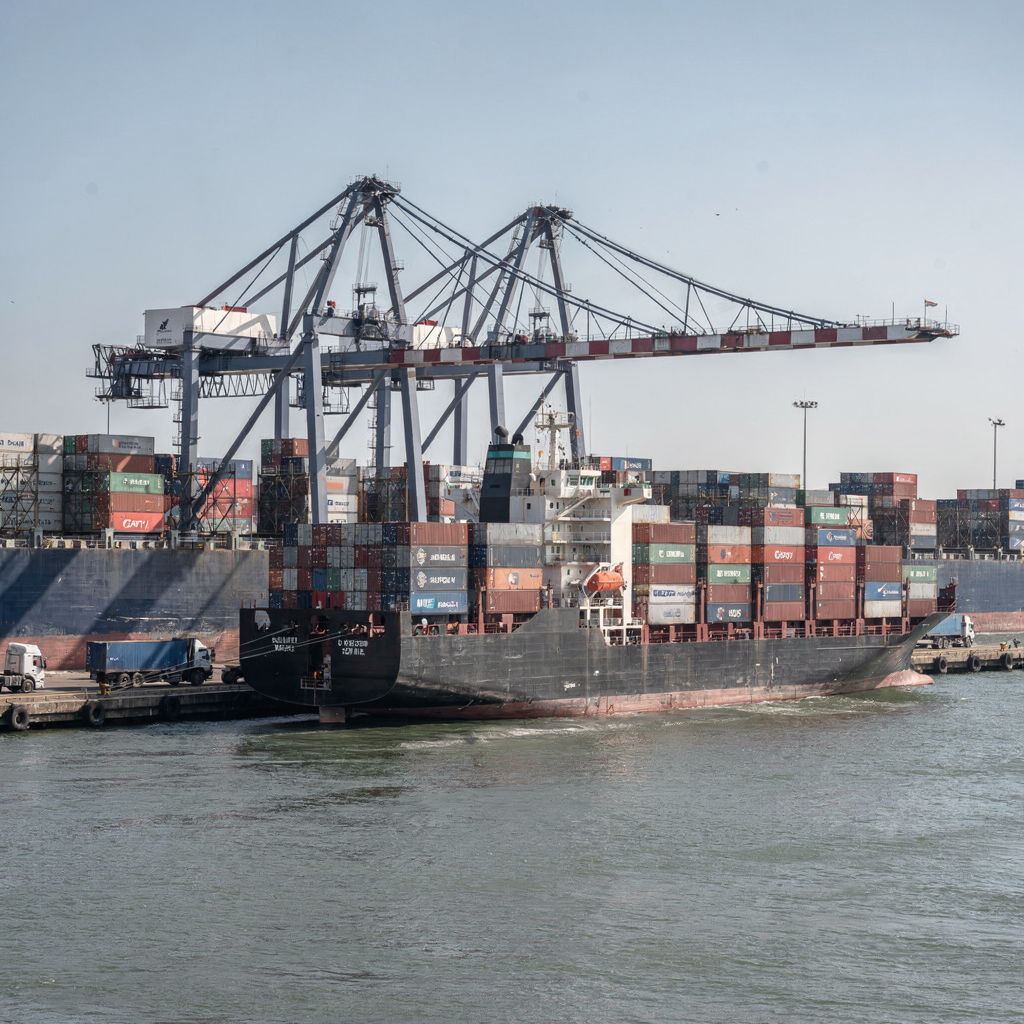
Second, dynamic planning reduces idle hours. When cranes are productive, vessel turnaround times fall. Studies show a 15–20% increase in crane efficiency when vessel operations are coordinated with yard staging and truck schedules data-driven study. This gain shortens vessel turnaround times. It also maximizes port calls and increases container throughput.
Third, software applications that link vessel operations with yard plans help to optimize container placement. The aim is to minimize rehandling while ensuring fast access for priority cargo. A collaborative approach that integrates stowage planning and yard retrieval sequences has been shown to reduce rehandling by roughly 25% research. That reduction cuts fuel use, lowers handling costs, and speeds gate pickups.
Fourth, this coordination supports wider supply chain goals. When vessel schedules align with truck and rail services, the terminal reduces dwell and improves arrival reliability. These benefits make the terminal more attractive to shipping lines and cargo owners. Finally, tools that support dynamic tasking and automated guided vehicles allow terminals to deploy resources where they matter most. The result is better terminal productivity and improved service levels for the entire supply chain.
Software Solutions for Sustainable Supply Chain and Management Software
First, sustainability is now part of terminal optimization. Advanced optimization and AI-driven models help terminals balance throughput with emissions targets. For example, AI models can reduce terminal emissions by up to 10% while sustaining capacity research. These models use cubic data and carbon-aware routing to recommend low-emission move sequences and to optimize the use of electric equipment.
Second, software solutions now include modules for carbon accounting, for energy use, and for maintenance planning. They let operators track emissions by task and by piece of equipment. Also, they support strategies to optimize fuel use through reduced idling and better route planning. These features help terminals to comply with regulations and to meet stakeholder expectations.
Third, future integration will extend beyond the terminal gates. End-to-end integration with rail and lorry networks can optimize the entire supply chain. This approach reduces empty runs and aligns schedules across modes. See related work on reducing driving distances and on chassis pool optimization for ideas about cross-modal gains optimization logic. In addition, software offers will include optimization algorithms that plan multi-leg moves and that consider emissions, cost, and time in a single objective.
Fourth, management software must be flexible to meet specific requirements. Terminals differ by layout, cargo mix, and regulatory context. Therefore, modular solutions that integrate with an existing terminal operating system are preferable. They support incremental adoption and reduce disruption. Finally, as the supply chain industry adopts these tools, terminals gain a competitive edge through reduced costs, improved service, and lower environmental impact. In short, terminal optimization now includes sustainability as a core KPI.
FAQ
What is yard management and why does it matter?
Yard management refers to the processes that control container stacking, retrieval, and temporary storage within a terminal. It matters because efficient yard management reduces container rehandling, lowers operating costs, and shortens vessel turnaround times.
How can optimization software improve terminal operations?
Optimization software uses algorithms and data to recommend task sequences and resource assignments. This software can optimize container placement, crane schedules, and truck dispatching to increase throughput and reduce idle time.
What role does a terminal operating system play?
A terminal operating system centralizes operations, orchestrating gate, yard, and quay processes. It ensures data consistency and enables integrated planning across vessel operations and yard moves.
Are there measurable benefits from using yard optimization tools?
Yes. Studies report throughput improvements of 15–20% and reductions in rehandling of around 25% when terminals adopt optimization and collaborative planning approaches. These gains translate to cost savings and faster service.
How does real-time tracking help reduce gate congestion?
Real-time tracking provides immediate information about container location and equipment status. That visibility allows the terminal to reroute trucks and to resequence tasks, reducing the likelihood of gate backups and missed slots.
Can optimization software support sustainability goals?
Yes. AI and carbon-aware routing can reduce emissions and fuel use while maintaining throughput. Some models show emissions reductions of around 10% through smarter sequencing and reduced idling.
How do I integrate new software with my existing systems?
Modern solutions offer APIs and modular integration capabilities so they connect with a terminal operating system or ERP and TMS. This approach supports seamless integration without a full replacement of legacy systems.
What is the benefit of combining stowage planning with yard retrieval sequences?
Combining these plans reduces container rehandles and streamlines moves between the quayside and yard. Collaborative optimization has been shown to lower rehandling rates significantly, which saves time and equipment wear.
How can automation reduce manual email workload for operations teams?
Automation can classify inbound messages, extract relevant data from ERP and TMS, and draft replies or route cases to the right team. This reduces time spent on triage and speeds resolution of operational exceptions.
Where can I find in-depth resources on berth allocation and yard planning?
There are technical studies and practical guides that cover berth allocation, yard planning, and simulation tools. For example, detailed articles on berth allocation and yard planning explain methods to reduce turnaround times and to improve yard utilization.
our products
 stowAI
 stackAI
 jobAI
jobAI
Innovates vessel planning. Faster rotation time of ships, increased flexibility towards shipping lines and customers.
Build the stack in the most efficient way. Increase moves per hour by reducing shifters and increase crane efficiency.
Get the most out of your equipment. Increase moves per hour by minimising waste and delays.
stowAI
Innovates vessel planning. Faster rotation time of ships, increased flexibility towards shipping lines and customers.
stackAI
Build the stack in the most efficient way. Increase moves per hour by reducing shifters and increase crane efficiency.
jobAI
Get the most out of your equipment. Increase moves per hour by minimising waste and delays.