
automation in a container terminal: an overview
Automation in ports turns manual lifting, sorting, and paperwork into coordinated, software-driven activity. First, it means using sensors, software, and machines to move and track containers. Second, it means linking equipment to a terminal operating system so the yard works like a single system. Also, a container terminal can move from mechanisation to fully automated operations in planned phases. For example, ship-to-shore cranes and gantry cranes once required human pilots. Then, controls, robotics, and communications improved. Next, automated guided vehicles and agvs entered yards, while automated stacking cranes and ascs handled stacking and retrieval. Additionally, automated guided vehicles help bridge quay and yard tasks with fewer errors.
Historically, ports moved from stevedore gangs to diesel forklifts and straddle carriers, and then to remotely controlled cranes. First automated examples appeared decades ago. Today, automation in container terminals blends IoT telemetry, AI for scheduling, and digital twins for simulation. For instance, automation in container terminals often includes yard management, quay crane sequencing, and automated container handling. Also, the shift reduced reliance on manually operated equipment and longshoremen for routine tasks. Furthermore, the trend added new roles for technologists and maintenance crews.
Key technologies include ship-to-shore cranes, automated stacking cranes, agvs, automated straddle carriers, and software like terminal operating systems. Additionally, sensors provide position and health data. Therefore, control rooms can issue short, precise commands. Also, AI models predict congestion and optimise how to stack containers. Finally, this combination speeds planning, reduces errors, and raises throughput while keeping operations active 24/7. For more on yard techniques and stacking, see an article on optimizing container stacking for yard operations here.
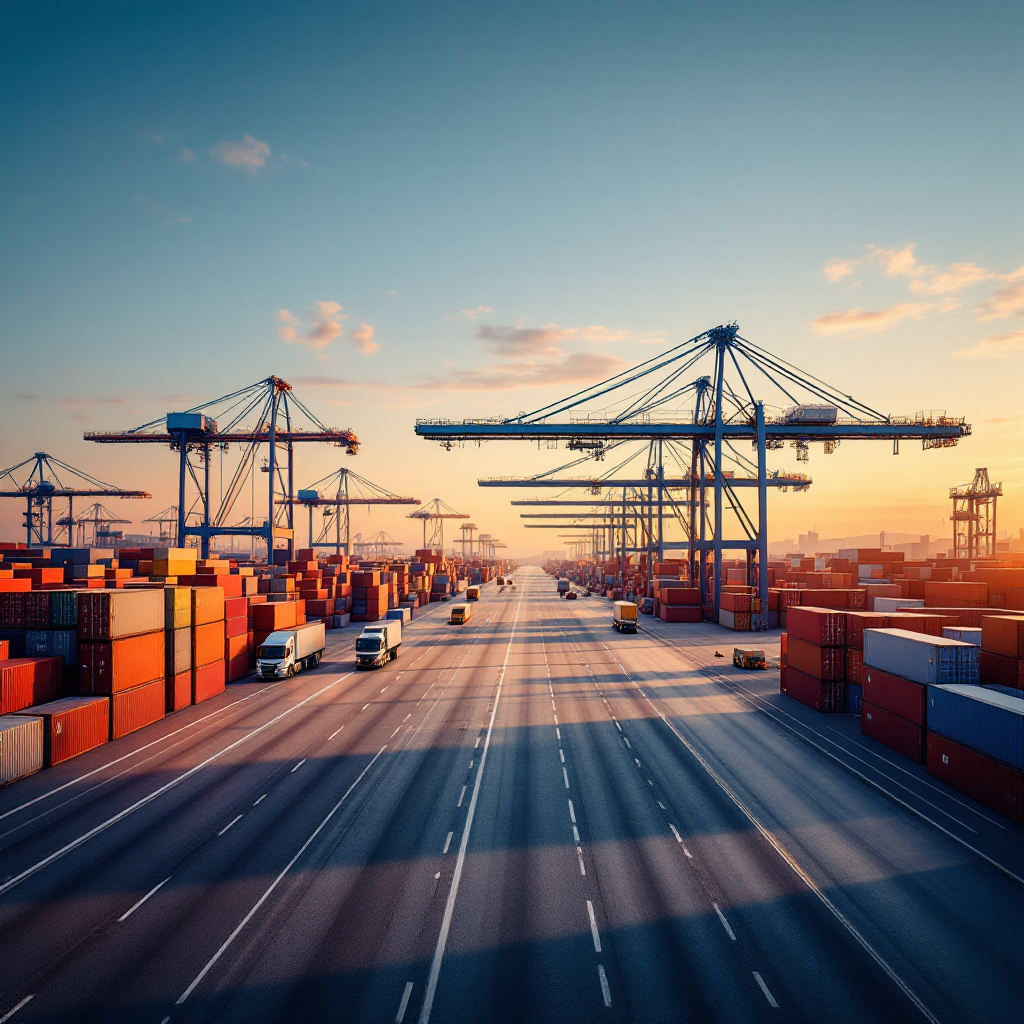
port automation drivers: efficiency, costs and growth
Market momentum drives port automation. For example, the global automated container terminal market reached an estimated USD 11.2–11.8 billion in 2024, and analysts forecast steady growth to 2034 (market estimate). Also, other forecasts show a compound annual growth rate around 7.1% from 2025 to 2034 (CAGR forecast). Therefore, investment interest keeps rising. Additionally, demand stems from rising container vessel sizes and time-sensitive supply chains.
Operational gains motivate upgrade projects. First, automation increases handling rates and reduces vessel turnaround. Second, terminals often improve truck turnaround and throughput by tighter sequencing. For instance, optimised quay crane schedules cut berthing delays and help unload container ships faster. Also, reduced idling cuts emissions, thereby supporting sustainability goals. Furthermore, automation cuts labour costs by shifting repetitive tasks to automated equipment. This effect can reduce labour-related schedule variability and deliver more predictable output. Hence, terminals can run continuous operations without fatigue-related slowdowns.
Cost considerations remain central. High initial investment and the cost of integration weigh on decisions. Also, terminal operators must model the costs of automated equipment and compare them with long-term savings in labour, fuel, and wear. For instance, the costs of automated systems include hardware, software, and commissioning. However, the long-term view often highlights better equipment utilisation and lower per-container handling costs. Additionally, ports looking to automate should evaluate yard layout, intermodal links, and ramp-up timelines. For practical steps to improve quay performance and sequencing, read about optimizing quay crane operations with container sequencing software here.
Optimize Beyond Your Best Day
Most AI copies the past. Loadmaster.ai uses Reinforcement Learning to simulate millions of scenarios, delivering higher crane productivity and fewer rehandles without needing historical data.
Learn how StowAI, StackAI, and JobAI superpower your terminal →
automated container terminal at long beach container terminal (lbct) and port partnerships: port of los angeles, port of long beach, trapac
The long beach container terminal project illustrates public-private collaboration in modernisation. LBCT teams worked with the port of los angeles, the port of long beach, and TRAPAC to redesign workflows. Also, the partnership focused on equipment, IT integration, and phased deliveries. For instance, planners coordinated quay cranes and automated vehicles to reduce vessel dwell time. Furthermore, the project included plans to introduce a fully automated container terminal component over several phases.
Lessons came quickly during ramp-up. First, some productivity targets moved slowly during early months. Second, real-world operations exposed integration gaps between the terminal operating system and automated vehicles. Also, training for dockworkers and truck drivers required extra emphasis. Third, the partnership emphasised staged testing, live failovers, and stakeholder communication. For example, performance metrics monitored throughput, truck turn times, and the container port performance index to guide interventions. Additionally, TRAPAC and LBCT documented areas where automated operations needed tuning before they matched design metrics.
Also, the LBCT story shows the need for realistic timelines. High initial investment and complex commissioning create a learning curve. However, with stable systems, the terminal improved throughput and reduced labour variability. For terminals considering similar projects, strong change programs and vendor collaboration proved essential. For more about yard density and AI-driven yard management, explore container terminal yard density prediction using machine learning here. Finally, case studies reinforce that successful automation depends on careful integration and ongoing optimisation.
how to automate port terminal operations for an automated port
To automate operations, start with clear process mapping. First, document yard planning, vessel planning, and gate operations. Then, identify manual touchpoints and data handoffs. Also, set measurable KPIs like throughput, unload time per vessel, and truck turn time. Next, phase in technology. For instance, begin with digital yard management and gate automation. Afterwards, add automated vehicles and stacking cranes. Additionally, integrate ship-to-shore cranes with TOS instructions to avoid idle movements.
System integration is vital. First, connect your TOS to ERP and carrier systems. Second, ensure data exchanges use reliable APIs and real-time feeds. Also, consider message queues and middleware for scale. Therefore, the stack must include operational software, maintenance systems, and business tools. For example, linking a terminal operating system to a digital twin can let teams simulate changes before they go live. See an in-depth look at digital twin tech for ports here.
Change management matters equally. First, secure stakeholder buy-in from port authorities, terminal operator staff, unions, and truck drivers. Second, plan training that mixes classroom work with on-the-job coaching. Also, use no-code automation for office workflows. Additionally, phase deployments to allow tuning. Finally, monitor early metrics closely and adjust systems to meet performance goals. This phased approach helps manage the cost of automation while keeping daily operations stable.
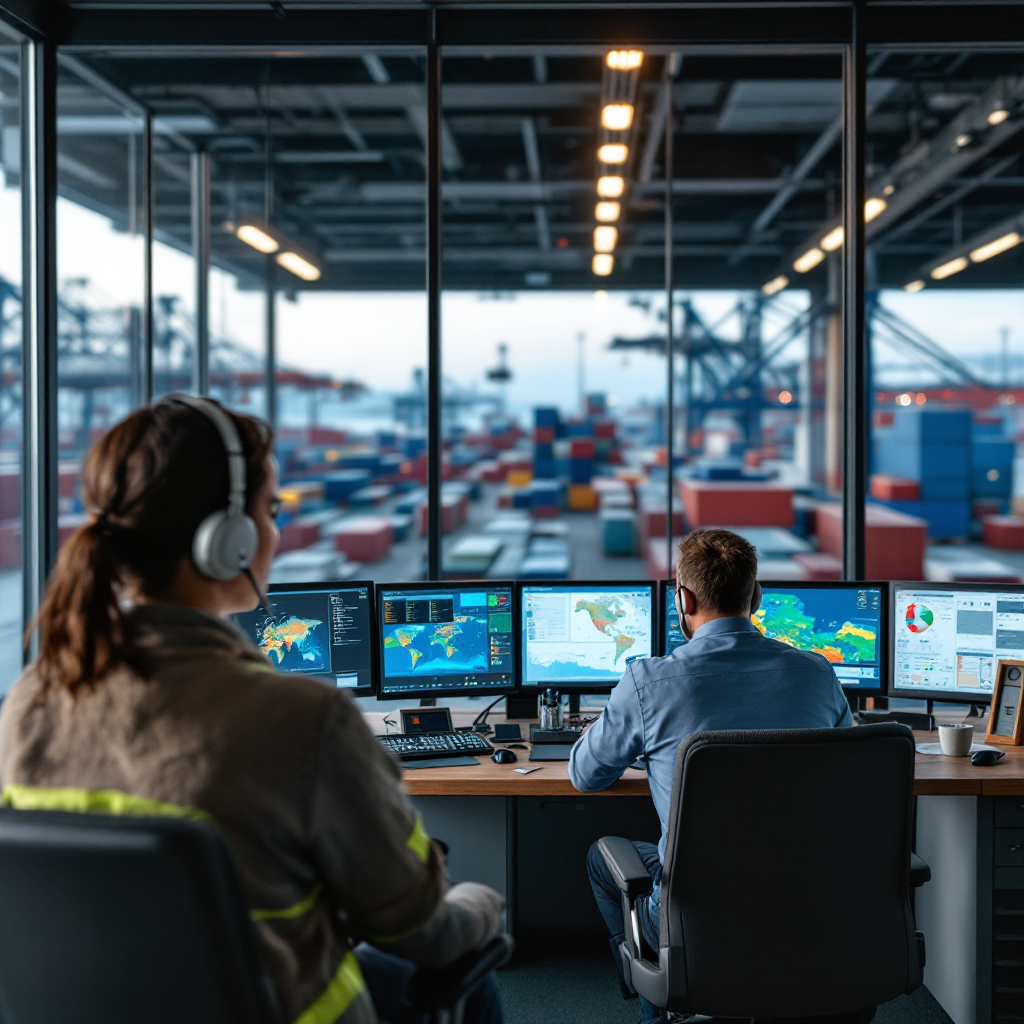
Optimize Beyond Your Best Day
Most AI copies the past. Loadmaster.ai uses Reinforcement Learning to simulate millions of scenarios, delivering higher crane productivity and fewer rehandles without needing historical data.
Learn how StowAI, StackAI, and JobAI superpower your terminal →
cybersecurity and port labor in an automated container terminal
Cybersecurity must protect both IT and OT layers. First, ports must segment networks to shield control systems from business networks. Second, implement strong identity and access controls for operators and contractors. Also, regular patching, intrusion detection, and backup plans reduce risk. For example, ports need incident playbooks that cover both digital failures and physical contingencies. Additionally, regulators increasingly expect documented risk assessments and audits. Therefore, cybersecurity forms a core part of any automation project.
Port labor impacts require careful planning. First, dockworkers and longshoremen may shift from heavy lifting to supervisory and maintenance roles. Second, truck drivers still need efficient gate interfaces and clear appointment systems. Also, automation projects should include reskilling programs and social dialogue. For instance, training can cover equipment diagnostics, software dashboards, and safety protocols. Additionally, automation creates new technical jobs in control rooms and field maintenance, while reducing routine physical tasks.
Regulatory and community factors matter. First, unions and local governments look for commitments on employment transitions. Also, careful timing of phased automation avoids sudden layoffs. Finally, ports that invest in both cybersecurity and human reskilling improve resilience and public acceptance. This balanced approach helps ports benefit from automated cargo handling while supporting workers through change.
automating a port: future trends for container terminal automation
Emerging technologies will shape the next decade. First, digital twins let planners test yard layouts virtually. Second, edge computing and 5G lower latency for automated vehicles and gantry controls. Also, AI will forecast congestion and recommend how to stack containers for faster retrieval. Additionally, blockchain and secure APIs can improve data sharing among shipping companies and intermodal partners. Therefore, these trends can drive better throughput and lower the cost of operations.
Smaller and developing ports will also see expansion. First, modular automation packages let mid-size terminals adopt targeted solutions. Second, cloud-based services reduce upfront software costs. Also, financing models will spread the high initial investment over time. For example, some ports already test partially automated stacks before committing to full conversion. Additionally, collaboration with technology vendors and experienced ports can speed learning curves.
Strategically, automating a port becomes a competitiveness lever. First, automated systems improve efficiency and resilience during peak demand. Second, better predictability helps shipping companies and intermodal networks. Also, sustainability gains come from reduced idling and more efficient moves. Finally, a balanced path — combining people, process, and technology — produces successful automation. For readers interested in optimizing yard operations and container stowage, check guides on yard AI here and optimizing container stowage here. As one study observed, “most of the benefits assumed by an individual terminal operator materialized once the automated terminal was in operation” (METRANS report). Also, industry forecasts expect market growth through 2034 (market data), which supports further investment in these technologies.
FAQ
What is a container terminal automation project?
A container terminal automation project upgrades yard, quay, and gate systems to reduce manual tasks and improve coordination. It typically includes new software, sensors, automated vehicles, and updated procedures to automate cargo flows.
How does automation improve vessel turnaround?
Automation shortens turnaround by optimising quay crane moves and sequencing container transfers. Also, it reduces delays from miscommunication and manual checks, which speeds unloading of container vessels and departure.
What technologies are critical for an automated terminal?
Critical technologies include terminal operating systems, digital twins, agvs, automated stacking cranes, and reliable communications like 5G. Additionally, AI and edge computing help with decisioning and low-latency control.
Is automation expensive for ports?
Yes, automation typically has high initial investment. However, ports can spread costs with phased rollouts and expect long-term savings in labour costs and equipment utilisation.
How do ports protect automated equipment from cyber threats?
Ports protect systems by network segmentation, strict access controls, and regular security testing. Also, they maintain incident playbooks and backups to recover from attacks on either IT or OT layers.
Will automation eliminate port jobs?
Automation will change job roles rather than simply eliminate them. Many dockworkers shift into supervisory, maintenance, and control-room positions.
What lessons did LBCT and TRAPAC offer?
The LBCT case showed that integration and phased testing are essential. Also, early metrics often lag initial targets, so teams must tune systems and train staff during ramp-up.
Can smaller ports adopt automation?
Yes, modular automation and cloud services let smaller ports adopt targeted solutions. Also, financing options and vendor partnerships reduce the barrier from a high initial investment.
How does automation affect emissions?
Automation can lower emissions by reducing idle time and optimising moves across the yard. Also, electrified automated equipment further cuts diesel use and local pollution.
Where can I learn more about yard optimisation and TOS links?
Start with practical resources on yard AI, quay crane sequencing, and digital twin technology provided earlier in this article. Also, operational vendors and case studies show how teams integrate TOS, ERP, and carrier systems for better results.
Loadmaster.ai — Reinforcement Learning AI agents for Container Terminals. Book a demo to see our digital twin in action.