
Introduction to yard planning in a small container terminal
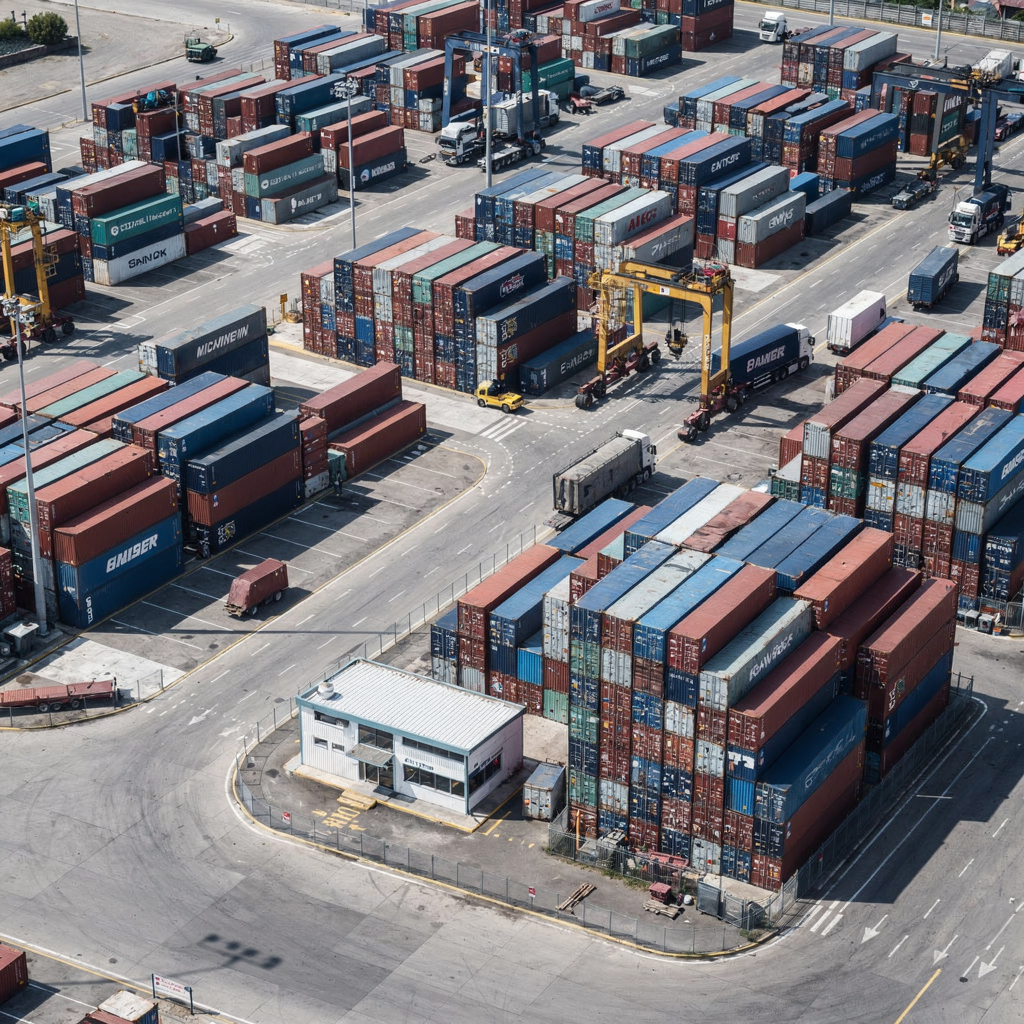
Yard planning matters for every small container terminal that handles cargo and intermodal transfers. It defines where each container will sit, when trucks will arrive, and how cranes and chassis move across the site. For a facility with limited space, smart yard planning can reduce wasted time. Also, it can cut costs related to fuel, labor, and wear on equipment. Terminal teams use digital tools to coordinate gate operations, booking windows, and container placement. As a result, utilization improves and throughput rises.
Small terminals that adopt digital yard tools report notable gains. For example, modern implementations delivered a 15–25% increase in container handling efficiency, according to an industry review that measured platform impact. In another analysis, terminals saw a 30% drop in truck turnaround times after adding scheduling and appointment modules that reduce gate congestion. These figures show why operators invest in a management system that supports inventory tracking and appointment scheduling.
Yard planning links closely to the terminal operating system, gate workflows, and the wider supply chain. Therefore, a cohesive approach matters. First, map your current container movements and space utilization. Next, choose a solution that can integrate with your TOS and EDI partners. Then, train staff and refine rules. Our AI agents can automate booking confirmations and route messages to the right team, so staff focus on hands-on yard tasks. This reduces errors and speeds up decision-making. For more on capacity-focused planning, see an applied AI study on capacity optimization container terminal capacity optimization.
Good yard planning therefore does three things. It organizes container placement to reduce reshuffles. It synchronizes gate and truck activity to reduce waiting. It provides visibility so operational staff can make fast, data-driven decisions. For small inland terminals, these gains are not optional. They help the terminal stay competitive with nearby ports and larger hubs.
Managing space in container yards to reduce congestion
Space is the most scarce asset in many small container yards. Narrow lanes, limited stacks, and mixed cargo types create daily conflicts. Also, seasonal peaks and irregular vessel discharge patterns make matters worse. First, categorize containers by service type, weight class, and release date. Then, set allocation rules that keep frequently moved containers near gates. This reduces drive time and cutbacks on repositioning moves.
Slot allocation algorithms play a key role. They assign stack positions dynamically. They also prioritize slots to avoid blocking critical rows. For instance, optimization algorithms can plan container placement to reduce rehandles, which research finds can improve yard efficiency by up to 20% through reshuffle minimisation. Thus, the yard becomes easier to manage. As a result, operators report fewer crane idle cycles and more efficient staff routing.
Scheduling and appointment modules work hand in hand with slot allocation. They smooth truck arrivals and reduce bursts of activity at the gate. A coordinated approach cuts truck turnaround times by about 30% in documented cases after adopting appointment systems. That lower dwell reduces congestion inside the terminal and on public roads outside the port area. Also, less congestion means fewer emissions and lower operating costs.
Tools that optimize yard layout allow terminals to test scenarios before changing the physical layout. Simulation and analytics provide visibility on utilization metrics and stack occupancy. For teams that want advanced planning logic, AI-driven solutions can help balance stacking depth against retrieval probability. For deeper technical reading, check a related study on predictive modeling and yard capacity predictive modeling for yard capacity. In practice, combining slot allocation with appointment control and a sensible chassis policy will simplify operations and reduce unproductive moves.
Drowning in a full terminal with replans, exceptions and last-minute changes?
Discover what AI-driven planning can do for your terminal
Gaining real-time yard view for effective operations
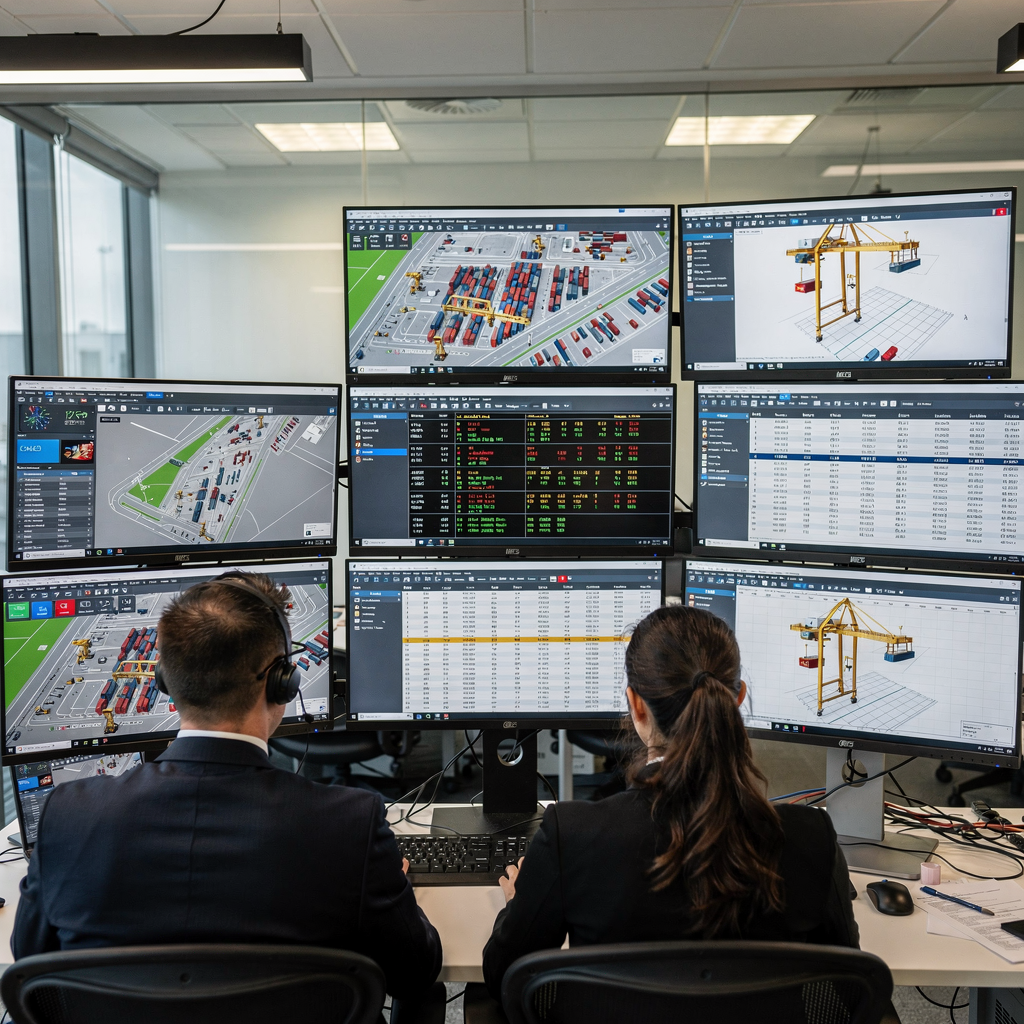
A reliable yard view is essential for decision-making. It gives teams a single pane of glass showing container locations, gate status, and equipment positions. Real-time telemetry from cranes, RFID tags, and trucks feeds a dashboard. Then, planners and gate staff can act on current facts. This reduces mistakes and speeds responses. Also, real-time tracking helps in planning next moves by showing which containers block others.
Live tracking includes container slot occupancy, crane assignments, and gate bookings. The yard view supports alerts for exceptions, such as missed appointments or overdue gate-outs. A unified yard view also integrates with the terminal operating system and other workflows. When systems integrate, the data flows seamlessly between booking, TOS, and yard modules. That integration reduces duplicate data entry and errors. In larger deployments, teams combine EDI feeds with sensor data to maintain an accurate inventory. As a result, manual errors can drop sharply, improving accuracy by up to 40% in some IoT-enabled deployments reported by industry analysts.
Access to a real-time yard view helps supervisors reroute cranes, reassign trucks, and replan stacking. Also, it improves operational decision-making by surfacing KPIs and trend analytics. For terminals that want to reduce equipment starvation and optimize internal moves, dispatch modules can be tuned to the yard view so resource allocation is responsive see equipment dispatch optimization. Intermodal workflows also benefit because visibility across modes shortens handover time and simplifies transhipment.
Finally, integrating a yard view with automated email workflows speeds communications between shippers, truckers, and terminal staff. This combination of a live yard view and automated communications reduces delays and keeps container movements flowing.
Key capabilities of yard management software and management software integration
A robust yard management system includes several core modules. At a minimum, expect inventory tracking, appointment scheduling, and resource planning. Other important modules include booking, allocation, and alerting. The right module mix helps operators balance stack depth with retrieval frequency. Also, cloud-based or SaaS options provide scalability so a terminal can grow without heavy capital expense.
Seamless integration with the terminal operating system and external partners is critical. A terminal operating system (TOS) supplies vessel planning and billing information. When the yard management system integrates with the TOS, workflows become smoother. APIs and EDI connectors let management software exchange gate, booking, and container status data automatically. This reduces manual lookups and supports error-free reconciliations. For example, terminals implementing integrated solutions often see streamlined container yard planning and faster gate-out processing.
Many modern systems also leverage IoT, RFID, and machine learning to predict moves and allocate resources. These tools can automate allocation decisions and suggest optimal container placement. Machine learning models can learn from past container handling and optimize future decisions. For hands-on guidance, teams should evaluate how easily a solution can integrate with their SAP or other ERP systems and whether it supports other workflows. To explore AI modules for yard storage, review research on AI modules for container port yard storage optimization AI modules for yard storage.
When choosing a vendor, ask about cloud-based deployments, API documentation, and EDI support. Also ask about the user interface and mobile access for crane and gate teams. A balanced approach that combines automation and human oversight yields the best results. In practice, yard management software can be deployed alongside a terminal operating system to deliver better analytics, faster gate operations, and higher utilization. For vendors and terminal operators evaluating options, a comparative review shows key features and pricing for the leading packages Best Yard Management Software – 2025 Reviews & Pricing. Finally, if you want a deeper dive into AI-driven yard systems, see the internal review of AI-driven container port yard management systems AI-driven yard management systems.
Drowning in a full terminal with replans, exceptions and last-minute changes?
Discover what AI-driven planning can do for your terminal
How to optimize container stack and minimize rehandles for higher throughput
Reducing rehandles is one of the fastest ways to increase throughput. First, use AI-driven slot selection that predicts which containers will move soon. Then, place fast-moving containers near the lane edge. That reduces moves and crane cycles. Optimization algorithms can balance stacking depth against retrieval probability. Also, a clear allocation policy reduces the chance that a high-priority container sits behind many others.
Research shows rehandle minimisation can raise storage yard efficiency by up to 20% through smarter stacking. In addition, terminals that applied these optimization approaches reported overall throughput improvements in the 15%–25% range, depending on scope and process maturity industry platform reviews. These gains come from fewer truck delays, shorter crane cycles, and lower fuel use.
Stack strategies matter. For example, dynamic stacking keeps frequently accessed containers in shallow stacks. Static stacking reserves deep stacks for long-term or less-urgent cargo. Also, implementing a simple tagging rule for high-priority loads can reduce rehandles. When possible, gate staff should confirm container release windows at booking time so planners can pre-assign optimal container placement.
Automation and analytics help maintain these rules. Machine learning models can recommend placements that minimize total moves for a set of bookings. Integration with the TOS ensures that vessel discharge plans and booking windows feed into stack decisions. For actionable methods to reduce driving distances and improve crane workload balance, terminals should review container-terminal-optimization logic optimization logic to reduce driving distances. Finally, practical change management is essential: train crane crews, refine rules, and run a phased rollout. That prevents disruption and secures measurable throughput gains.
Best practices in container yard planning: case study insights
A small inland container depot recently invested in a modular system to improve yard operations. First, the team mapped daily container movements and existing constraints. Next, they selected a scalable management system with clear APIs and EDI connectors. Then, they ran a phased deployment. Phase one focused on gate automation and appointment booking. Phase two rolled out slot allocation and analytics. The phased approach limited risk and let staff adopt new practices gradually.
During the rollout, staff training and a rulebook for container placement were crucial. The operator defined stacking rules and chassis policies. Also, the project used cloud-based telemetry to provide a real-time yard view for supervisors. The result was fewer unproductive moves and better space utilization. Within months, the terminal saw reduced truck dwell, lower costs, and smaller emissions. Reported improvements included a reduction in truck turnaround and a measurable lift in throughput.
For this deployment, automation handled routine emails and booking confirmations. The AI agents parsed inbound booking notes, matched them to ERP and TOS records, and then drafted confirmations for gate staff. This reduced manual email handling time and improved response consistency. As a result, planners spent more time on exceptions and operational decision-making.
Finally, the team measured results and iterated. They tracked utilization, crane productivity, and the rate of rehandles daily. They also used analytics to forecast peak days and to adjust allocation rules. For teams considering a similar path, start with a clear business needs assessment and pick scalable tools that can integrate with your terminal operating system. If you want to explore applied strategies for reducing equipment starvation and improving internal transport replanning, see related work on intelligent pooling and replanning equipment pooling strategies.
FAQ
What is yard planning and why does it matter for a small terminal?
Yard planning is the process of deciding where containers sit, when they move, and how resources are assigned. It matters because small terminals have limited space and need to reduce rehandles, cut truck dwell, and increase utilization.
How much efficiency can yard management software deliver?
Studies and vendor reviews show typical gains of 15–25% in container handling efficiency for terminals that adopt advanced yard tools (industry review). Results vary by scope, but even modest improvements lower costs and delays.
Can yard planning reduce truck turnaround times?
Yes. Scheduling and appointment modules have cut truck turnaround by roughly 30% in documented cases (industry case). Coordinated bookings and gate slots prevent long queues and reduce congestion.
How does a yard view help daily operations?
A yard view shows live container slot status, equipment positions, and gate bookings. It enables supervisors to make fast, data-driven decisions and to reroute resources when exceptions occur. This visibility reduces errors and speeds response.
What integration should I expect between a yard system and my TOS?
A yard system should integrate via APIs and EDI with your terminal operating system for bookings, gate-outs, and billing. This keeps data consistent and supports error-free reconciliation between systems.
Are there specific technologies that support better stacking?
Yes. Machine learning models and optimization algorithms can recommend container placement to reduce rehandles. RFID and IoT offer accurate location data so analytics can predict which containers move next.
How do I choose between cloud-based and on-premise solutions?
Choose cloud-based or SaaS if you need scalability and faster deployments. Pick on-premise if you have strict data residency or integration constraints. Assess business needs, budget, and IT readiness before deciding.
Can automation handle routine booking emails and confirmations?
Yes. They parse inbound emails, match to TOS and ERP data, and draft or send confirmations, which reduces staff workload.
What quick wins should small terminals aim for?
Implement appointment scheduling, enforce simple stacking rules, and get a basic real-time yard view. These steps reduce congestion, lower rehandles, and improve utilization quickly.
How do terminals measure success after implementing yard planning?
Measure truck turnaround, crane cycles per hour, rehandle rate, and space utilization. Track email response times and booking accuracy if you automate communications. Use these KPIs to refine rules and modules over time.
our products
 stowAI
 stackAI
 jobAI
jobAI
Innovates vessel planning. Faster rotation time of ships, increased flexibility towards shipping lines and customers.
Build the stack in the most efficient way. Increase moves per hour by reducing shifters and increase crane efficiency.
Get the most out of your equipment. Increase moves per hour by minimising waste and delays.
stowAI
Innovates vessel planning. Faster rotation time of ships, increased flexibility towards shipping lines and customers.
stackAI
Build the stack in the most efficient way. Increase moves per hour by reducing shifters and increase crane efficiency.
jobAI
Get the most out of your equipment. Increase moves per hour by minimising waste and delays.