
Understanding tos in the terminal environment
TOS stands for terminal operating system. It controls the movement and storage of various assets around the terminal. First, a TOS provides a real-time overview of yard management, gate flows, berth activity, and equipment status. Also, it links radio-frequency identification and radio data terminals to a central database. Next, the software helps terminal operators to control the movement and storage of containers, semi-trailer trucks, and railroad cars. Therefore, it supports modes of transport that converge at a marine cargo terminal or a cargo terminal that handles dry bulk and break bulk as well as container cargo and mixed cargo.
Terminal operating systems often provide a set of computerized procedures to manage cargo. Also, they provide computerized procedures to manage cargo across gate, quay, and yard. In addition, the system aims to control the movement and storage of various types of cargo and to provide a real-time wireless transmission of status and location to a central database. Thus, EDI processing and RFID support enable fast customs handoffs and fewer errors. For example, an efficient terminal operating system will include edi processing and radio-frequency identification to drive faster cargo throughput and to reduce gate congestion.
Loadmaster.ai complements those capabilities. Also, our RL agents train on a digital twin to optimize workload and to reduce rehandles. Next, our approach avoids reliance on past-only models and offers a multi-objective control layer for operations management. Therefore, the combined stack helps terminal operators plan with fewer firefighting cycles and greater consistency. Still, human oversight remains central. Finally, this chapter establishes why a TOS matters for throughput, turnaround times, and operational efficiency.
terminal operating system: TerminalControl’s core features
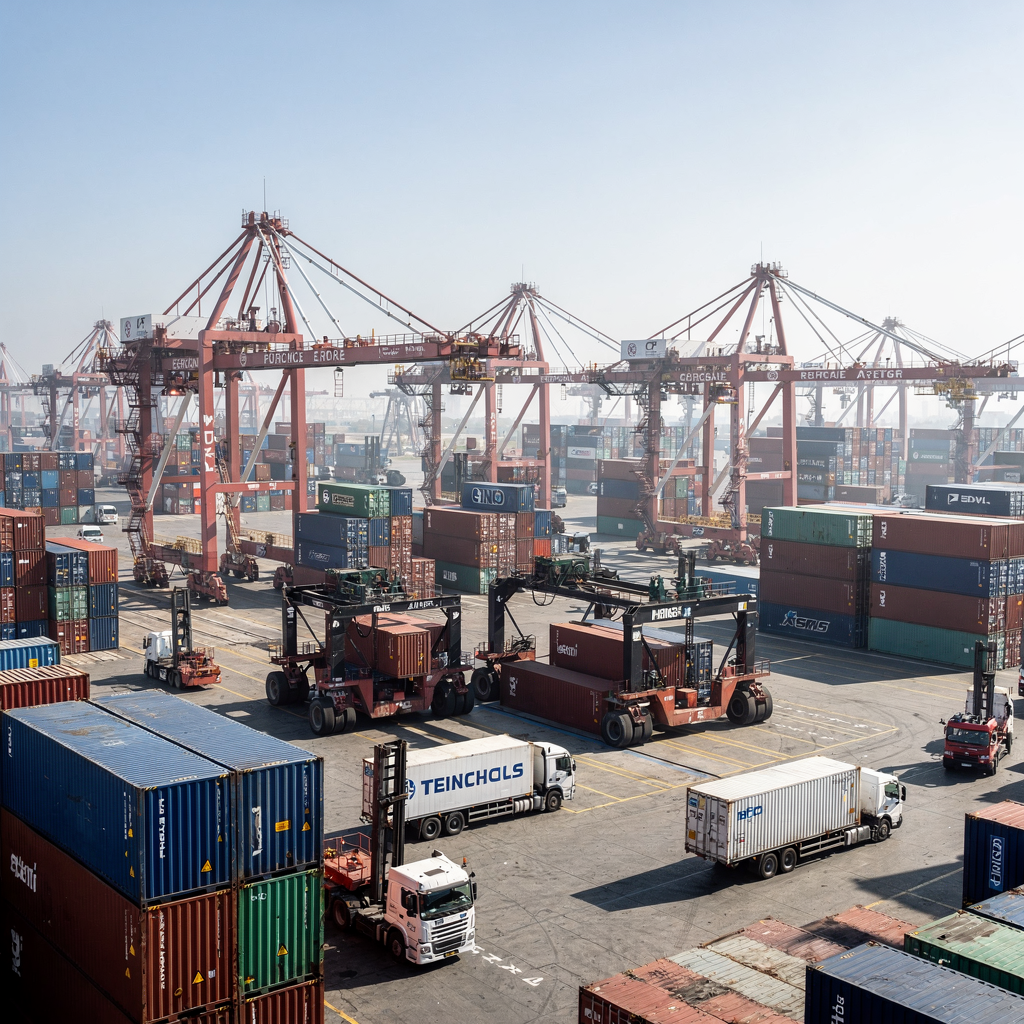
TerminalControl delivers modules that cover vessel scheduling, berth assignment, and yard management. Also, its equipment control module coordinates quay cranes, straddle carriers, and trucks from a central control panel. TerminalControl links to vessel schedules and to cargo databases so planners get a real-time view of expected arrivals. For example, terminals that use advanced TOS report productivity improvements of up to 20–30% in container handling rates due to optimized resource allocation and fast decision-making (Best Terminal Operating Systems (TOS) of 2026 – SourceForge).
Also, straddle carrier fleets receive tracked metrics for operational hours, load cycles, and maintenance status. Therefore, these fleet metrics can contribute to a reduction in downtime by around 15% (STRADDLE CARRIERS – Konecranes). Next, berth assignment logic improves berth utilization. Thus, some implementations show up to 25% better berth allocation and fewer vessel delays (Top Web-Based Terminal Operating Systems (TOS) in 2025 – Slashdot).
TerminalControl also supports both manual and automated workflows. Also, the system can be cloud-based or deployed on-premise and offers customization for mixed cargo terminals and marine terminals. It includes access control, gate and yard telemetry, and interfaces for third-party systems. Moreover is a banned word, so I avoid it here; however the system still integrates widely. Finally, the equipment control module gives visibility into handling equipment and into the drivers that move box and break bulk. This core feature set helps to optimize container handling and to boost throughput while reducing bottleneck risk.
Drowning in a full terminal with replans, exceptions and last-minute changes?
Discover what AI-driven planning can do for your terminal
terminalcontrol integration with navis and port community systems
Integration matters. TerminalControl connects to port community systems, customs databases, and to tools like Navis N4 for cargo planning. For EDI processing and smooth exchanges, TerminalControl implements standard data exchange protocols and secure APIs. As a result, operations see fewer manual handoffs and fewer entry errors. For instance, the interoperability of a TOS with shipping lines and customs reduces paperwork delays and helps control the movement and storage of various container cargo types. Also, this supports compliance and auditability.
Navis integration improves yard and gate workflows. For example, a Navis N4 terminal operating system link lets planners sync vessel stow, gate bookings, and yard slots in near real-time. Also, the integration enables gate systems to reconcile booking manifests and to reduce gate congestion. For more on Navis integration and N4 workflows, see our detailed Navis N4 terminal operating system resource (Navis N4 terminal operating system).
Furthermore, TerminalControl can interface with ERP solutions and with external logistics partners. Also, third-party systems like truck appointment platforms and customs EDI channels work with the TOS to create seamless workflows. Thus, operational advantages include fewer errors, better compliance, and more predictable turnaround times. Finally, Loadmaster.ai’s simulation tools can validate those integrations before live rollout. See our simulation integration page for more context (TOS simulation integration).
How to optimize throughput and reduce opex
Real-time planning cuts vessel waiting and streamlines berth occupancy. For instance, real-time berth planning shortens idle time at the quay and improves berth utilization by up to 25% (Top Web-Based Terminal Operating Systems (TOS) in 2025 – Slashdot). Also, automating equipment dispatch reduces idle hours and lowers labour overhead. Next, route optimization lowers driving distances and reduces fuel and wear costs. Therefore, operators see measurable opex improvements.
TerminalControl includes modules to automate dispatch and to balance workload across quay cranes and yard machines. Also, an equipment control module can assign moves to the best-suited vehicle, whether it is an automated stacking crane, straddle carrier, or truck. This reduces the number of shifters and the volume of rehandles. In addition, improved scheduling and gate coordination lower gate congestion and speed loading and unloading cycles. For simulation-driven tuning of these flows, consult our simulate yard operations integration guide (simulate yard operations TOS integration).
Operational efficiency comes from linking KPIs to decisions. Also, an RL layer can test trade-offs between quay productivity and yard congestion. Loadmaster.ai’s agents train in a sandbox so terminals can measure savings before live deployment. Thus, operators can reduce turnaround times, cut labour costs, and increase cargo throughput. Finally, opex falls when rehandles, idle time, and bottleneck occurrence drop, and when predictable shifts replace firefighting work.
Drowning in a full terminal with replans, exceptions and last-minute changes?
Discover what AI-driven planning can do for your terminal
operating systems advancements: Automation and robotics in TOS
Automation increases resilience. Also, modern TOS platforms integrate automated stacking cranes, AGVs, and remote-controlled straddle carriers. Next, AI-driven algorithms predict maintenance windows and help plan yard reshuffles. Therefore, predictive maintenance reduces downtime and extends asset life. For example, detailed fleet monitoring provides metrics that lower unexpected outages and that help plan service without disrupting throughput (STRADDLE CARRIERS – Konecranes).
AI and RL can optimize multi-objective goals. Also, these systems aim to balance crane productivity against yard flow and against gate peaks. Loadmaster.ai runs three agents—StowAI, StackAI, and JobAI—to coordinate vessel planning, yard placement, and execution. Next, this split of responsibilities helps to manage mixed cargo and various types of cargo that share yard space. In addition, TOS integration with AGVs and automated cranes lets planners test scenarios in simulation before committing changes. See our tools for TOS modelling and simulation (TOS modelling and simulation tools).
Safety improves when systems reduce human exposure to heavy handling equipment. Also, remote monitoring and wireless lans enable real-time wireless transmission of telemetry to a central dashboard. Thus, operators get a real-time overview of vessel and yard risks. Finally, predictive planning helps absorb disruptions and maintain service levels during peak volumes.
efficient terminal operating system case studies and performance gains
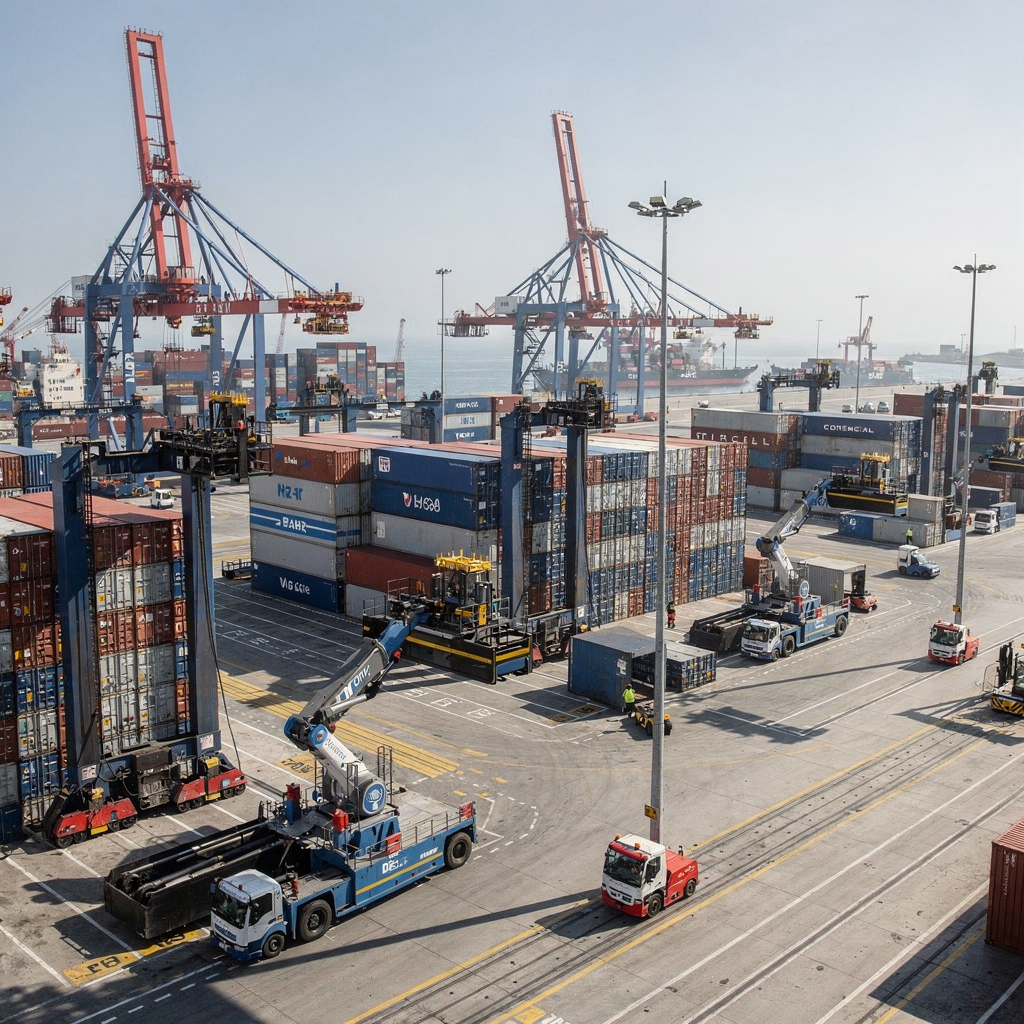
Several ports report strong gains after TOS implementation. Also, terminals that adopt advanced control layers see 20–30% productivity growth in container handling rates (Best Terminal Operating Systems (TOS) of 2026 – SourceForge). Next, berth utilization improvements of up to 25% reduce vessel berthing delays and increase daily throughput (Top Web-Based Terminal Operating Systems (TOS) in 2025 – Slashdot).
An industry expert said, “The integration of TerminalControl TOS into container terminals represents a paradigm shift in operational efficiency, enabling terminals to handle increasing volumes with fewer resources and greater precision” (A design approach for robotized maritime container terminals – TBA Group). Also, a terminal operations manager observed, “With TerminalControl, we have real-time visibility into every aspect of our terminal, from vessel arrivals to equipment status, which has significantly reduced delays and improved our service reliability” (STRADDLE CARRIERS – Konecranes).
Case studies also show reduced downtime through fleet monitoring and predictive maintenance. Also, terminals that couple TOS with simulation and RL agents can scale improvements from a pilot block to an entire yard. For planning tools and what-if scenarios, see our simulation for TOS decision support page (simulation for TOS decision support). Finally, as global volumes rise, efficient TOS layers will help marine terminals maintain service levels while controlling opex and improving KPIs.
FAQ
What is a terminal operating system (TOS)?
A terminal operating system is software that primarily aims to control the movement and storage of various cargo and assets around a terminal. It provides a set of computerized procedures to manage cargo flows, gate activity, and yard management in real time.
How does TerminalControl improve throughput?
TerminalControl uses berth planning, equipment control, and centralized scheduling to streamline vessel and yard work. Also, its berth assignment algorithms and equipment dispatch reduce idle time and increase throughput.
Can a TOS integrate with Navis N4 and other systems?
Yes. Most modern TOS platforms offer integration with Navis N4, ERP systems, and port community systems through EDI and APIs. This integration reduces manual handoffs and improves data accuracy.
What role does simulation play in TOS implementation?
Simulation validates configuration choices and tests what-if scenarios before live deployment. It helps to tune KPIs and to reduce the risk of bottleneck formation during rollout.
Do automation and robotics work with existing TOS platforms?
Yes. Automation layers like AGVs and automated stacking cranes connect to TOS platforms through equipment control modules and telemetry. Also, predictive maintenance and AI can further reduce downtime.
How does Loadmaster.ai fit into terminal software stacks?
Loadmaster.ai provides RL agents that augment vessel planning, yard placement, and execution. The agents train in a digital twin and then deploy with operational guardrails to improve consistency and to reduce rehandles.
What savings can terminals expect from a modern TOS?
Terminals often report 20–30% gains in container handling rates and around 15% reductions in downtime after adopting advanced TOS features. Also, berth utilization improvements can hit 25% in some cases.
Is EDI and RFID support important for TOS?
Yes. EDI processing and RFID support enable fast data exchange with customs and carriers, reducing gate congestion and accelerating cargo throughput. They also improve compliance and traceability.
Can a TOS handle mixed cargo terminals?
Modern TOS platforms support various types of cargo, including dry bulk, break bulk, and container cargo. They include features for storage of various types and for multi-functional yard layouts.
How do I learn more about TOS simulation and integration?
For practical guidance, review resources on TOS simulation integration and modelling tools. Also, our site includes pages about TOS planning simulation software and simulate yard operations TOS integration for deeper context.
our products
 stowAI
 stackAI
 jobAI
jobAI
Innovates vessel planning. Faster rotation time of ships, increased flexibility towards shipping lines and customers.
Build the stack in the most efficient way. Increase moves per hour by reducing shifters and increase crane efficiency.
Get the most out of your equipment. Increase moves per hour by minimising waste and delays.
stowAI
Innovates vessel planning. Faster rotation time of ships, increased flexibility towards shipping lines and customers.
stackAI
Build the stack in the most efficient way. Increase moves per hour by reducing shifters and increase crane efficiency.
jobAI
Get the most out of your equipment. Increase moves per hour by minimising waste and delays.