
simulation: Role in Capacity Investment Decisions
Simulation plays a core role in capacity planning for any terminal. It creates a risk-free environment where planners can test expansions. This risk-free environment lets operators change parameters, test new flows, and evaluate outcomes without disturbing real assets. In practice, a simulation model can compare a baseline layout against new layouts and show how throughput and congestion change. For example, research shows that “capacity expansion scenarios significantly improve throughput and reduce congestion” when compared to a fixed capacity baseline Transportation Hub Infrastructure Expansion: Decision Support. That finding helps decision makers justify an investment and time the work.
A good simulation model includes the unique elements of terminal operations. Different terminals run different modes. Some focus on container yard moves. Others serve passengers. Each mode alters queuing and resource needs. Thus, simulation can integrate terminal infrastructure and operational constraints. This approach produces realistic outputs. It also identifies where a proposed design creates a bottleneck. When a bottleneck appears, planners can test mitigation options quickly and cheaply.
Decision support improves when scenarios are quantifiable. Model outputs can include throughput, waiting times, and equipment utilization. Planners can then compute return on capital, or the payback of an upgrade. A detailed simulation model helps link physical investments to expected service levels. Moreover, tools that support discrete event modeling and system dynamics let teams zoom in on short-term congestion and also on seasonal demand trends. Tools such as AnyLogic support mixed methods and can feed scenario-based forecasts that guide investment timing AnyLogic: Simulation Modeling Software Tools & Solutions.
Practically, teams should define success metrics early. Use KPIs like moves per hour, queue length, and gate delay. Then run scenarios with different equipment mixes and shift patterns. This process reduces uncertainty and supports clearer investment proposals. For container terminals the gains can be material. Also, Loadmaster.ai uses a digital twin to train RL agents on those exact KPIs so planners can test policies and then deploy with guardrails. That workflow lets terminals simulate millions of decisions to find robust strategies without relying on historical averages.
case studies: Port of Rotterdam and Other Container Terminal Examples
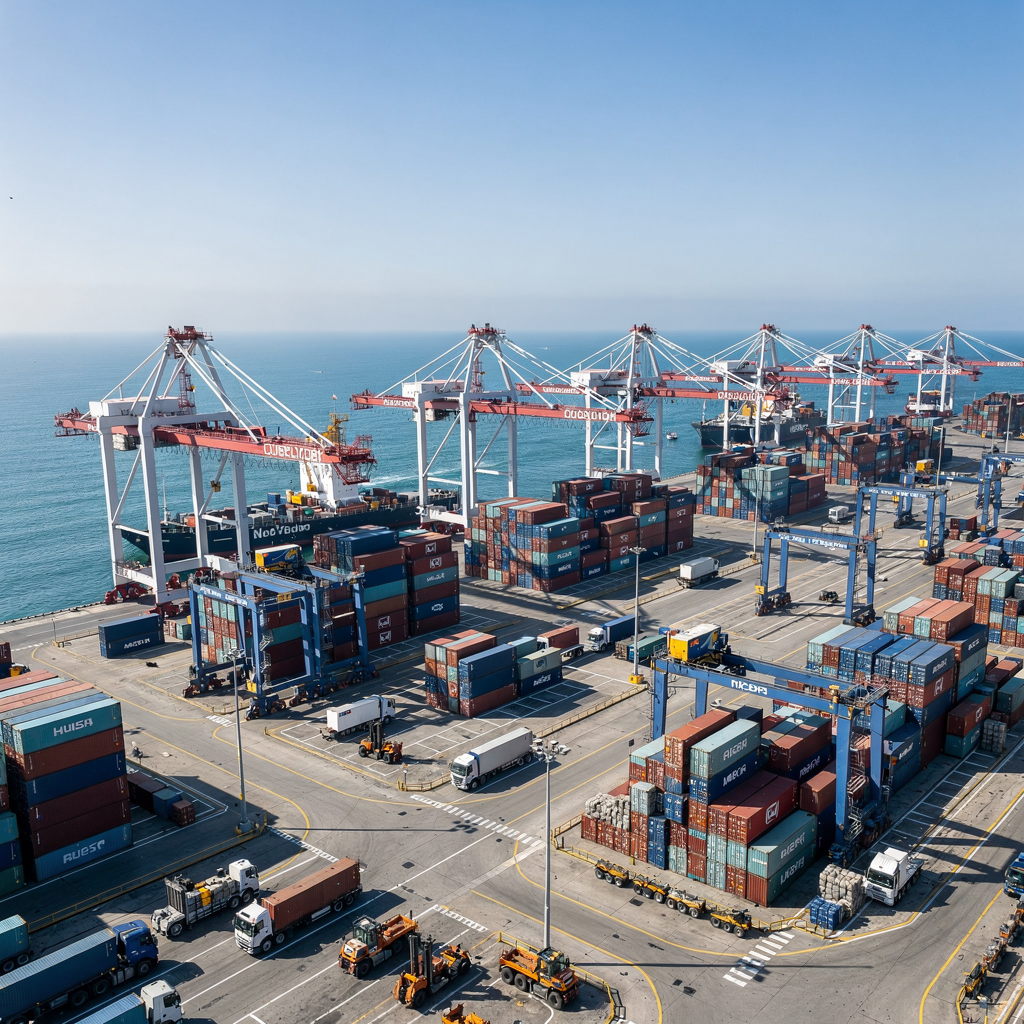
Case studies show how simulation affects real-world outcomes. At the Port of Rotterdam, an impact analysis using simulation reported up to a 30 per cent reduction in waiting times when operations were optimized An impact analysis using simulation for the Port of Rotterdam. That drop in waiting times allowed better berth scheduling and smoother yard operations. As a result, throughput rose and demurrage fell. The study provides a practical example linking operational tweaks to clear savings.
Another example comes from a supply chain simulation using Arena. The tool has been credited with more than $50 million in cost savings in manufacturing and logistics projects by allowing planners to test alternatives before committing capital Arena Simulation Software case study. Applying the same ideas to a container terminal can free budget for targeted infrastructure upgrades. In one simulated scenario, reassigning cranes and shifting yard moves reduced idle time and cut handling cost per TEU.
Further research combines simulation with multi-criteria methods to support terminal investments. An integrated simulation and AHP-entropy-based NR-TOPSIS project evaluated terminal policies and showed how differing operational modes produce distinct performance profiles An integrated simulation and AHP-entropy-based NR-TOPSIS. That method helps prioritise investments that yield the best trade-offs between quay productivity and yard congestion. Teams can therefore choose schemes that match strategic goals.
These case studies also highlight digital twin benefits. A digital twin offers a realistic, tested environment to validate designs and automation. For example, Loadmaster.ai spins up a digital twin of a terminal to train RL agents that then propose robust stowage and yard strategies. The simulated trials explore millions of permutations and reveal solutions a human planner may not see. For practitioners who want to read more on how to simulate container terminal operations, see our practical guide on simulation and planning how to simulate container terminal operations. This material complements formal case studies and offers hands-on steps for pilots and full rollouts.
Drowning in a full terminal with replans, exceptions and last-minute changes?
Discover what AI-driven planning can do for your terminal
port operations and decision support: From Forecasting to Resource Allocation
Forecasting sits at the heart of good investment decisions. Scenario-based forecasting models link demand projections to facility performance. Forecasts often feed into a simulation model that then produces KPIs like throughput, waiting times, and equipment utilisation. That chain—from forecast to sim outputs—lets planners test capital timing and scale. A paper on infrastructure investment planning describes how coupled forecast and simulation approaches provide dynamic evaluation of investment schemes and help avoid under- or over-investment Infrastructure investment planning through scenario-based system modeling.
Resource allocation decisions improve when simulation is used to validate schedules. Port and terminal operations require moving quay cranes, trucks, and yard handlers in sync. A simulation model can reveal where equipment pools should be expanded or rebalanced. It can also identify hours when staffing and shifts should be added. These tactical changes often cost less than big infrastructure works and deliver immediate gains.
Multi-criteria decision support helps where trade-offs occur. For instance, increasing crane productivity can raise yard congestion. Tools that integrate AHP-entropy and NR-TOPSIS rank alternatives by multiple objectives and show which investments bring the best net value under uncertainty Integrated Simulation-Based Optimization of Operational Decisions. The result is clearer prioritisation of CAPEX and OPEX choices.
For port authorities that plan both short-term and long-term works, simulation provides a structure for testing phased upgrades. Planners can stage investments while measuring the incremental benefit. In addition, use of a port simulator lets operators test emergency scenarios and assess robustness before committing funds. To explore relevant tools, see our review of enterprise simulation tools for port logistics enterprise simulation tools for port logistics. That review helps teams pick a software tool that supports both forecasting and execution.
terminal simulation software: Features and Capabilities
Choosing the right simulation software matters. The best solutions combine discrete event modeling with system dynamics. They also support a digital twin and offer visualisation to help stakeholders interpret outcomes. AnyLogic is an example that supports mixed-method models, and it is widely used to represent complex port flows AnyLogic: Simulation Modeling Software Tools & Solutions. Arena is another tool that supports discrete event workflows and custom process blocks used in container terminal studies.
Key features to look for include visualisation, custom process blocks, and real-time data import and export. These capabilities let teams validate new terminal layouts and processes. A user-friendly interface helps planners build scenarios without deep coding. At the same time, advanced APIs allow teams to require programming assistance when they want highly tailored metrics or dashboards. A capable platform must be both accessible and extensible.
Specific modules for container terminal work typically model quay cranes, yard planning, and intermodal flows. These modules let operators test quay schedules, gate throughput, and container yard moves. They also help validate new terminal layouts and processes in order to achieve maximum planning reliability at the earliest stage. For teams focused on the analysis and optimization of terminal infrastructure, a platform that provides scalable and realistic models is essential. In fact, cast terminal provides scalable testbeds that mimic real traffic and equipment levels so teams can run stress tests and tune policies.
Other useful features include plug-ins for process simulation, live telemetry feeds, and scenario libraries. Operators can test automation schemes and study the impact of changes on idle time and demurrage. If a team wants an overview of simulation tools and how they differ from TOS systems, our guide on TOS vs simulation differences explains how these systems complement each other TOS vs simulation differences explained. That resource helps readers choose whether to pilot simulation as a decision support layer or as an integrated operational control.
Drowning in a full terminal with replans, exceptions and last-minute changes?
Discover what AI-driven planning can do for your terminal
simulation model: Building Accurate Operational Representations
Building a robust simulation model starts with good data and clear processes. Begin by mapping vessel arrivals, yard movements, and gate processes. Next, define service time distributions for cranes, trucks, and yard handlers. Then include shift patterns, maintenance windows, and berth windows. Each variable influences the simulation outputs. Properly specified variables in a simulation model allow planners to test sensitivity and discover where investments will deliver the biggest return.
Calibration and validation are essential. Compare simulated throughput and queue durations to historical records. Use gate logs, telemetry, and berth schedules for calibration. When historical data is limited, teams can still simulate realistic operations by combining expert input and literature values. Loadmaster.ai often adopts that approach: we create a digital twin and then train agents in simulated conditions to achieve robust policies without needing clean historical datasets. That makes the process cold-start ready and reduces reliance on past mistakes.
Process simulation helps with passenger flow and cargo handling. Realistic models of airport terminals and container yards need modules for passenger handling facilities, security screening, and baggage or cargo flows. These models help validate facility requirements and to validate new terminal layouts. For container terminal operations, include a container yard model, quay crane sequences, and truck arrival patterns. Modelers should also include stochastic arrival patterns so the simulation captures peaks and troughs in demand.
Finally, ensure models are extensible. Teams should be able to add automation rules, test single dock operation setups, and integrate rail and road links. Good platforms let operators test equipment mixes and build customized displays for stakeholders. To support operational learning, maintain versioned models and store scenario outcomes so teams can revisit earlier assumptions. If readers want a hands-on blueprint, see our post on the best container terminal simulation software for planning best container terminal simulation software for planning. It outlines practical steps for model construction and validation.
optimization: Enhancing Throughput and Reducing Waiting Times
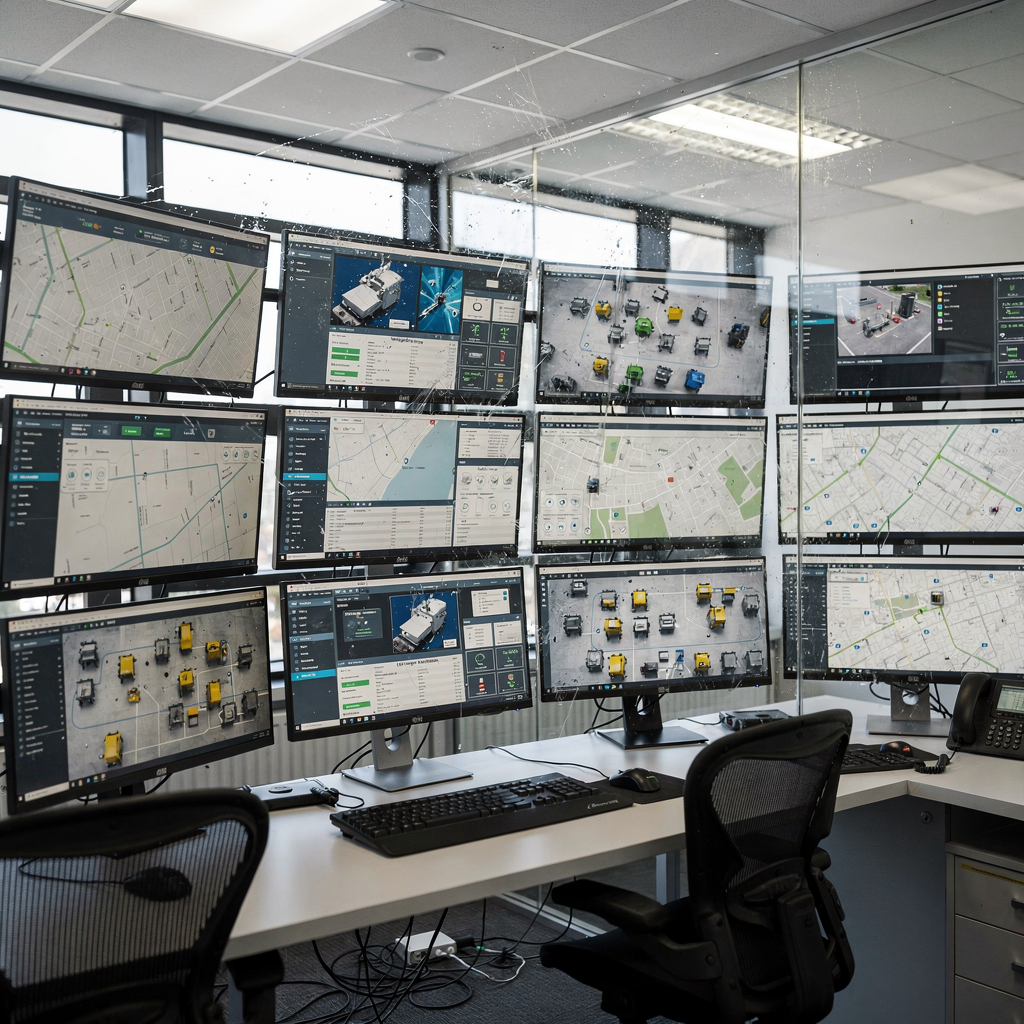
Optimization focuses on raising throughput and cutting waiting times. A good simulation reveals where to reallocate resources. For example, moving a crane or changing shift overlaps can raise crane utilisation and cut truck queue length. Resource reallocation techniques help reduce idle time and demurrage. That often produces a better cost–benefit ratio than a full capacity expansion.
Simulation is a powerful tool for testing resource strategies. Teams can test different workloads and then compare results. In Port of Rotterdam case studies, optimized schedules reduced waiting times by up to 30%, which improved berth productivity and yard flow Port of Rotterdam impact analysis. Those improvements help justify an investment by showing when and how capacity upgrades will be needed. Use of optimization algorithms within a simulation model also supports terminal optimization across multiple KPIs.
For passenger flow and process simulation, smoothing peak-hour loads often requires small capital changes plus operational shifts. For example, adding a temporary screening lane or changing staffing during known peaks can lower queue time. Simulation provides the evidence. It shows the marginal benefit of each option so managers can make informed decisions. At the container terminal level, techniques such as dynamic stacking and smarter quay planning cut rehandles and driving distances.
Tools that combine optimization and simulation support closed-loop decision making. Loadmaster.ai couples a digital twin with Reinforcement Learning to search for policies that optimize multiple KPIs. The agents learn how to balance quay productivity versus yard congestion and driving distance. That approach provides consistent, shift-independent performance. If you want to understand how simulation modeling helped terminals reduce bottlenecks, see our guide on reducing terminal bottlenecks with simulation reduce terminal bottlenecks simulation. It includes tactics that improve the efficiency of core flows and deliver measurable gains.
FAQ
What is terminal simulation and why is it useful?
Terminal simulation is the practice of modeling terminal processes to predict operational outcomes. It is useful because it allows planners to test layouts, equipment mixes, and schedules without disrupting live operations.
How does simulation model capacity needs for a terminal?
A simulation model uses arrival patterns, service times, and resource rules to estimate throughput and queue levels. By running scenarios, planners can see when capacity limits will be reached and plan investment accordingly.
Can simulation reduce waiting times at a port?
Yes. Simulation has helped ports reduce waiting times by significant margins. For example, an impact analysis at the Port of Rotterdam reported up to a 30% reduction in waiting times Port of Rotterdam study.
What is a digital twin and how does it help terminal planning?
A digital twin is a virtual replica of a terminal that mirrors its operations and layout. It helps by letting teams test strategies, train AI agents, and validate upgrades in a risk-free environment before real-world rollout.
Which simulation software tools do terminals use?
Terminals use tools like AnyLogic and Arena for discrete event and mixed-method modeling. There are also specialised port simulation software packages tailored for quay and yard workflows AnyLogic.
How do optimisation and simulation work together?
Simulation evaluates scenarios and provides KPI feedback. Optimisation searches the decision space for the best resource allocations. Combined, they reveal practical changes that raise throughput and lower costs.
Is historical data always required to simulate a terminal?
No. While historical data helps calibration, advanced approaches can generate realistic behaviour through expert inputs and synthetic scenarios. Loadmaster.ai trains RL agents in simulation without relying solely on historical records.
Can simulation help prevent bottlenecks?
Yes. Simulation pinpoints where queues will form and lets planners test remedies. It therefore reduces the risk of persistent bottleneck issues before investment is made.
What outputs should a simulation model provide?
Useful outputs include throughput, equipment utilisation, waiting times, and rehandle counts. These metrics support cost–benefit analysis and help prioritise investments.
How can I get started with terminal capacity planning using simulation?
Start with a small, focused model of a critical process such as quay operations or gate handling. Define KPIs, validate the model against available data, and then expand. For practical steps and software comparisons, see our guide to terminal capacity planning software terminal capacity planning software.
our products
 stowAI
 stackAI
 jobAI
jobAI
Innovates vessel planning. Faster rotation time of ships, increased flexibility towards shipping lines and customers.
Build the stack in the most efficient way. Increase moves per hour by reducing shifters and increase crane efficiency.
Get the most out of your equipment. Increase moves per hour by minimising waste and delays.
stowAI
Innovates vessel planning. Faster rotation time of ships, increased flexibility towards shipping lines and customers.
stackAI
Build the stack in the most efficient way. Increase moves per hour by reducing shifters and increase crane efficiency.
jobAI
Get the most out of your equipment. Increase moves per hour by minimising waste and delays.