
crane Basics: Understanding Container Handling at Modern Terminals
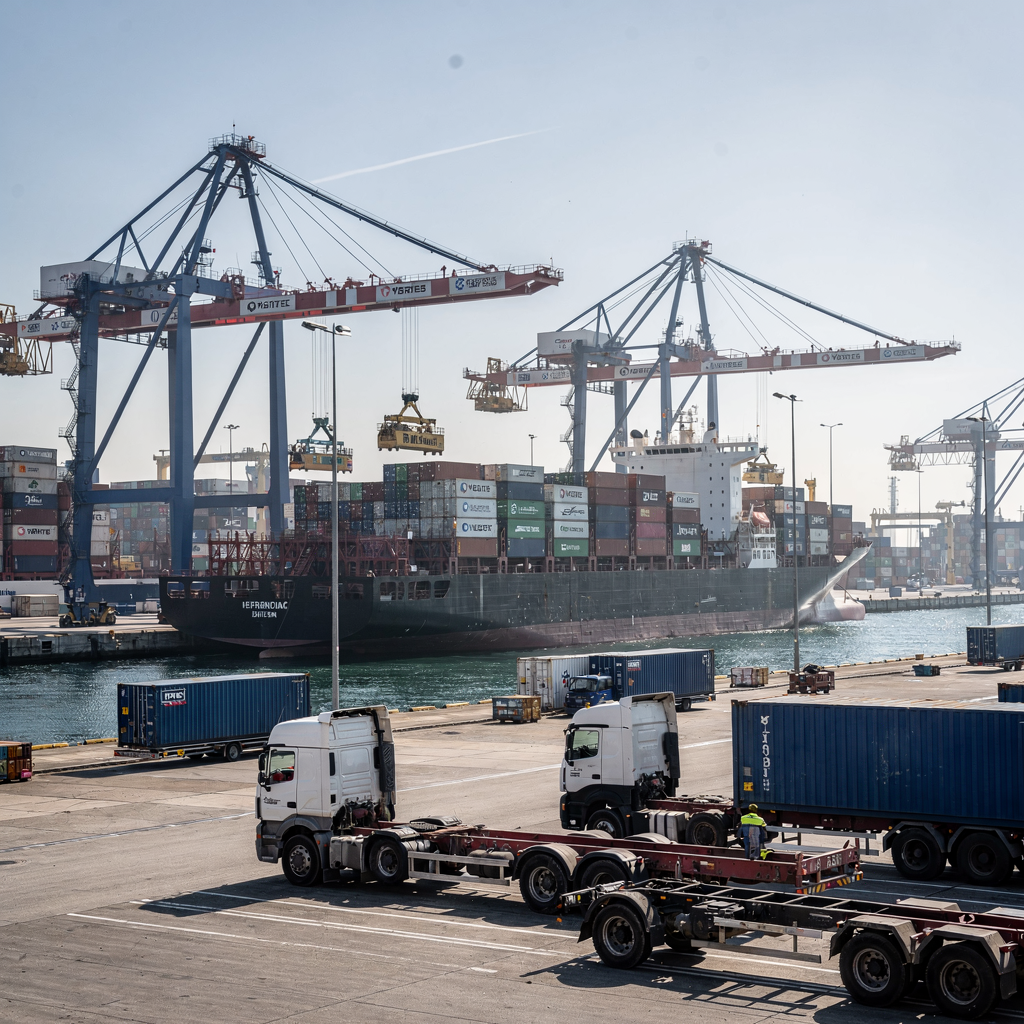
A crane is a large mechanical device used to lift, move, and place heavy loads, and at a modern container terminal a crane is central to operations. A ship-to-shore crane, also called an STS crane, sits at the waterside and reaches over a quay to pick containers from a container ship and place them onto trucks, chassis, or container stacks. These large dockside gantry units are generally classified by their lifting capacity and the size of the container ships they serve, and modern container cranes are classified by outreach, hoist speed, and load capacity.
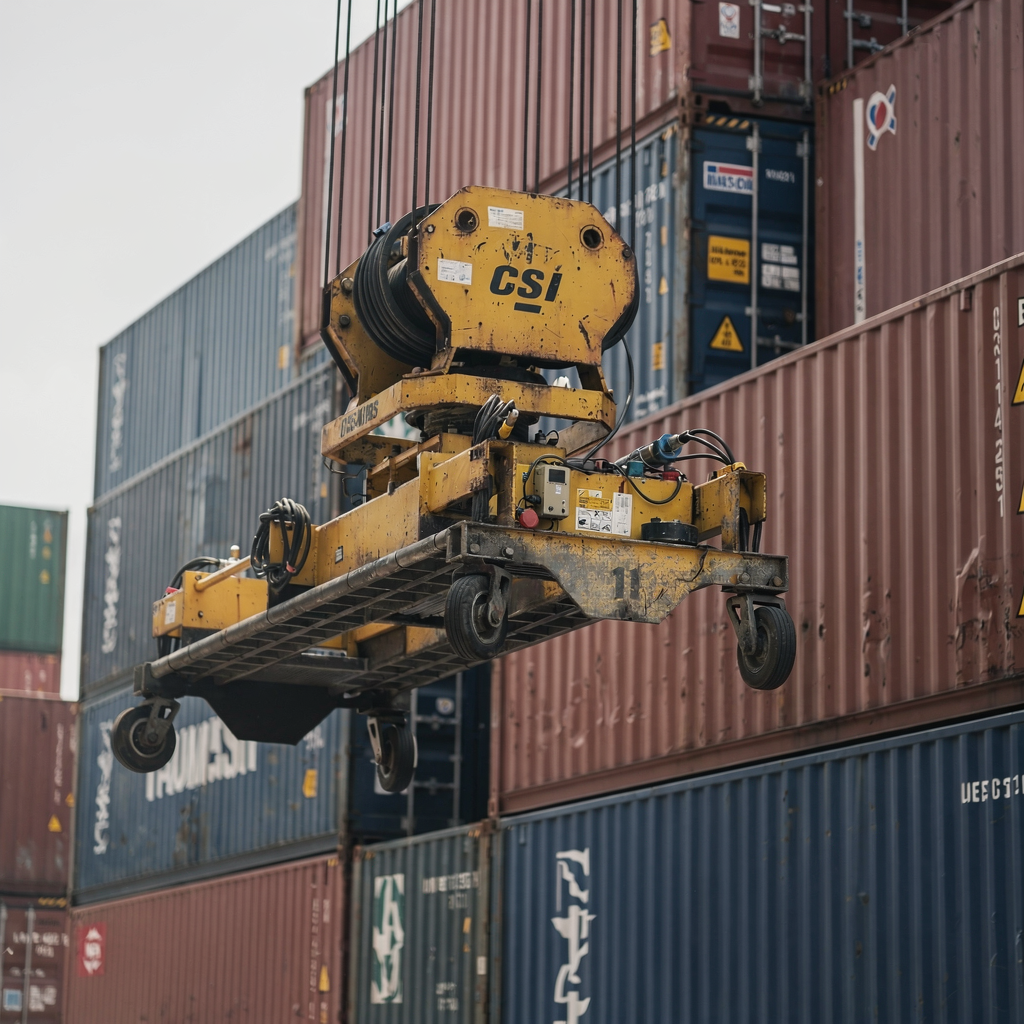
There are different types of gantry arrangements, and terminals for loading and unloading mix specialized cranes such as low-profile models, telescopic booms, and a-frame designs. Some cranes run along rails and some have a frame structure tailored for specific wharf depths and ship’s deck clearances. A gantry crane can be high-performance and lift two 20-foot boxes side by side, or handle single 40-foot loads depending on the spreader and hoist configuration. The spreader locks onto the container and lifts it safely for transfer to landside equipment or the storage yard.
Cost is a major factor when choosing a crane. For example, a Liebherr STS crane installed at Port-of-Spain cost about TT$70 million according to local reports. That figure shows why terminals weigh long-term reliability, maintenance and supply-chain risk when procuring large dockside cranes. Smaller terminals may opt for an RTG to serve the yard, while larger modern ports invest in the largest modern container cranes for high throughput. Loadmaster.ai often works with terminals to model how different crane types affect berth productivity and to recommend optimal crane counts and sequences so the quay remains balanced and the storage yard avoids congestion.
port Infrastructure: Designing Efficient Quay Layouts
Designing an efficient quay means thinking about berth depth, rail access, roads and power at the same time. A well-planned quay places cranes along the waterside at measured intervals, and it provides safe walkways, electrical system connections, and adequate space for trucks and chassis. Quay layout affects how quickly a crane can move to a ship bay, how often a trolley must reposition, and how smoothly container stacks are built in the storage yard. Terminal planners consider both waterside and landside flows to avoid bottlenecks and to protect productivity during peak windows.
Key elements of a container terminal include berths that match the size of the container ships calling, rails for RTG transfers, roads that allow chassis circulation, and a well-organized storage yard. Terminals for loading and unloading must also include gate processing, customs lanes, and dedicated hazardous cargo handling areas. The layout influences how many moves per hour each crane can perform, and small layout changes can yield noticeable gains in moves/hour. For more on benchmarks and measuring crane performance see this analysis of gross crane rate benchmarks for gross crane rate.
Leading global ports combine dense quay crane coverage with fast landside processes. High-throughput ports achieve over 40 moves per hour per crane in peak windows, and ports that invest in terminal automation and balanced landside access reduce truck dwell times and increase crane utilization. When planners want to model berth clashes and call sequencing, integrating berth-call optimization with crane planning yields measurable gains, and you can read more about that approach here integrating berth-call optimization with quay crane planning.
Drowning in a full terminal with replans, exceptions and last-minute changes?
Discover what AI-driven planning can do for your terminal
sts crane Advantages: Enhancing Operational Capacity
An sts crane differs from yard cranes because it combines reach, heavy lifting and precise control to move containers between a ship to shore interface and landside equipment. STS cranes are built to cover wide vessel beams and deep drafts; they offer long outreach spans and high hoist speeds so moves are swift and safe. Typical lift capacity for modern STS units ranges from 40 to 100+ tonne depending on configuration, and many units are rated to handle twin 20-foot boxes or single 40-foot loads with a robust spreader design.
What makes an STS crane distinct from other types is its combination of outreach, trolley motion and heavy-duty hoist. The trolley travels on a boom and girder across the span, and the cabin suspended from the trolley gives the operator a direct view of the ship’s deck and container stacks on board. The trolley and spreader work together so the container is lifted smoothly and landed accurately, and advanced sensors monitor sway and alignment. These cranes are typically powered by electric power or hybrid systems, and many have a generator located on top for backup or local power during outages.
Remote control and automation add real benefits. Automation reduces manual joystick hours, increases consistent cycle times, and allows for remote operation in constrained or hazardous conditions. Ports that adopt terminal automation and predictive control see consistent productivity and fewer rehandles, and Loadmaster.ai applies RL agents to balance quay output with yard capacity so crane utilization improves without creating future congestion. When supply chain risk or cybersecurity concerns arise, decisions about which maker to buy from must weigh cost, capability and trust—the market has cost-effective options, and some buyers prefer trusted vendors to reduce perceived risk as discussed in recent reports.
ship to shore Process: Step-by-Step Workflows
Using the STS is a choreography of mooring, checks and precise lifts, and each step matters for safety and speed. First the vessel moors and gangway and access permits are verified. The crane crew completes pre-lifting checks that include confirmation of spreader function, hoist cable inspection, electrical system status, and communication lines between the operator and the deck team. The crane operator then aligns the trolley over the designated bay and verifies the container ID before locking onto the container.
After the spreader locks onto the container, the hoist lifts and the trolley moves along the boom to position the box over the wharf or a landside truck. The container is lifted clear of the ship’s deck and moved across; then the load is lowered, unlatched and the container is handed to the truck driver or yard handler. That sequence repeats, and efficiency depends on synchronized steps between the quay team, the ship’s crew and the landside operators. Turnaround time is measured by berth time and gross crane rates; productivity benchmarks vary with vessel size and terminal maturity. For planning execution that reduces rehandles and balances workload between quay cranes and yard systems, operators can explore real-time replanning capabilities for dynamic adjustments.
Typical productivity targets aim to minimize dwell and maximize moves per hour while protecting safety. In practice, crane cycles include pre-lift checks, hoist, trolley traverse, traverse back, and lowering which together determine hourly throughput. Loadmaster.ai helps terminals optimize vessel sequences with StowAI and JobAI so crane cycles align with yard availability and gate flows, and that alignment shortens berth times without compromising safety.
Drowning in a full terminal with replans, exceptions and last-minute changes?
Discover what AI-driven planning can do for your terminal
specification Essentials: Technical Details and Performance Metrics
A specification sheet guides procurement and operations, and each specification item affects daily throughput. Key specs include lift height, trolley speed, outreach span and maximum load capacity. Modern cranes are generally classified by their lifting capacity and by the size of the vessel beam they can cover; for instance, some units have a load capacity of 65 tonne and an outreach capable of covering the widest container ship bays. The electrical system and mechanical and electrical subsystems provide power, safety interlocks and control redundancy for continuous operation.
Manufacturers supply data for hoist speed, trolley acceleration, and boom motion. The hoist and trolley combine to determine cycle time, and the cable reel and winch design influence lifetime maintenance. Cranes can be powered by two types of power supply: direct electric power from shore or a hybrid diesel-electric arrangement. Some terminals choose electric power to lower emissions while others use diesel backups for resilience. The cabin suspended from the trolley offers operator visibility, and remote sensors augment human view so control systems reduce sway and risk during lifts.
Comparisons among makers matter. ZPMC dominates volume and often offers lower upfront cost, while makers like Liebherr and Konecranes provide differing warranty, service, and design philosophies. Liebherr’s higher-cost models emphasize reliability and have been chosen by terminals prepared to invest in long-term performance as one procurement showed. Konecranes and other European makers focus on modular maintenance and advanced diagnostics which reduce unplanned downtime. For a deeper view of how mechanical attributes affect gross crane rates see this resource on crane rate benchmarks benchmarks for gross crane rate.
crane Security and Future Trends: Cyber Risks, Supply Chains and Innovation
Security concerns now follow procurement. Washington and other authorities raised alarms about remote-access vulnerabilities and data collection in some foreign-made cranes, and there is “growing worry that sensitive security information… is being monitored” through equipment sourced from specific suppliers according to industry analysis. That concern has pushed discussions about onshoring manufacturing to reduce exposure and to ensure a trusted supply chain. Onshoring STS crane manufacturing in the U.S. or in trusted partner countries aims to limit opaque components and strengthen firmware provenance and patch management as one report argues.
At the same time, technology trends continue. Terminal automation, AI-driven scheduling and predictive maintenance reduce downtime and improve safety. AI systems can predict motor wear, hoist cable fatigue, and gearbox anomalies before failure, and predictive maintenance extends crane life while cutting sudden outages. Loadmaster.ai’s approach uses reinforcement learning to evaluate trade-offs between quay productivity and yard congestion; StowAI and JobAI coordinate quay moves so cranes stay productive and the yard avoids cascades of rehandles.
Future power options include greener electric power with grid support, energy recovery on trolley braking, and hybrid systems that reduce diesel use. Cybersecurity frameworks and supply-chain audits will become a standard part of equipment specification, and ports may favor suppliers with verifiable secure firmware and transparent sourcing. The debate over cost and security continues; while some manufacturers offer lower-cost units, ports must weigh total lifecycle risk and the potential for remote intrusion that could reveal details such as materials moved for military use as noted in Congressional analysis. Terminals that combine high-performance cranes with secure, auditable control systems and integrated AI planning will likely lead in safety, throughput, and resilience.
FAQ
What is an STS crane and how does it differ from a gantry crane?
An STS crane, or ship-to-shore crane, is a large dockside gantry unit that moves containers between a container ship and the quay. A gantry crane is a broader term that can include yard cranes and RTGs; the STS specifically serves the waterside interface and the ship to lift the cargo.
How much does a modern STS crane cost?
Prices vary significantly by specification and maker, and a high-end model can cost many millions in local currency. For example, a Liebherr STS crane installed at Port-of-Spain cost roughly TT$70 million according to local reporting source.
Which manufacturers supply the most cranes globally?
Several makers dominate the market, with some Chinese firms supplying a large share by volume and European manufacturers focusing on premium models. Recent analyses discuss market shares and associated procurement decisions when ports evaluate cost versus perceived security risk source.
What are the main technical specs to compare when buying a crane?
Major specifications include lifting capacity (tonne), outreach span, lift height, trolley speed, hoist speed, and electrical system redundancy. Buyers also review spreader design, cable reel quality, and service access for mechanical and electrical maintenance.
How does automation affect crane productivity?
Automation standardizes cycle times, reduces human error, and enables remote operations when needed. Combined with AI planning, automation helps balance quay throughput with yard flows and increases consistent productivity across shifts.
Are there cybersecurity risks with foreign-made cranes?
Yes, concerns have been raised about remote-access features and opaque supply chains that could expose operational data. Industry reports note a “growing worry” about monitoring of sensitive cargo details through certain equipment source.
Can onshoring manufacturing reduce security risks?
Onshoring aims to improve provenance, auditability and firmware control, and it can reduce the risk of opaque components. Many stakeholders consider onshoring or trusted-supplier strategies to be part of a broader resilience plan.
How do terminals measure crane performance?
Terminals use gross crane rate, moves per hour, and berth turnaround time to measure performance. Benchmarks and comparisons help planners set realistic targets and prioritize investments; see benchmark resources for more detail benchmarks.
What role does the spreader play in container handling?
The spreader locks onto the container and ensures secure lifting and lowering. It matches container types, such as two 20-foot boxes or a single 40-foot, and is crucial for safe and fast cycles.
How can AI improve crane and terminal operations?
AI can optimize stowage, sequencing and job assignment to reduce rehandles and shorten driving distances, and reinforcement learning systems can simulate millions of scenarios to find better policies. Loadmaster.ai uses RL agents like StowAI and JobAI to optimize quay productivity while protecting yard balance and overall terminal efficiency; for an example of scaling AI across operations see this guide scaling AI across port operations.
our products
 stowAI
 stackAI
 jobAI
jobAI
Innovates vessel planning. Faster rotation time of ships, increased flexibility towards shipping lines and customers.
Build the stack in the most efficient way. Increase moves per hour by reducing shifters and increase crane efficiency.
Get the most out of your equipment. Increase moves per hour by minimising waste and delays.
stowAI
Innovates vessel planning. Faster rotation time of ships, increased flexibility towards shipping lines and customers.
stackAI
Build the stack in the most efficient way. Increase moves per hour by reducing shifters and increase crane efficiency.
jobAI
Get the most out of your equipment. Increase moves per hour by minimising waste and delays.