
significance of container stowage: understanding its maritime impact
First, the importance of container stowage planning is clear when you consider vessel safety and port throughput. Also, correct placement of shipping containers affects a container ship’s trim, stability, and structural loads. Next, planners must distribute cargo weight to avoid undue stress on the hull. For example, effective stowage improves asset use: “Done well, a company can significantly enhance asset utilization, reduce operational costs, and improve service reliability.”McKinsey. Additionally, effective stowage can improve asset utilization by up to 10–15% when shipping companies optimize fleets and schedules. Therefore, stowage decisions translate to major cost savings over time.
Also, port congestion ties directly to poor stowage. When containers on board are arranged poorly, terminals must reshuffle, increasing the number of moves and crane time. Port congestion can raise vessel turnaround times by 20–30% according to studies. Next, longer turnaround means higher waiting costs and schedule risk for global shipping and cargo operations. In addition, container stacks that force extra rehandles create pinch points for the port operations team and stevedores.
Also, the process of container stowage requires coordination among terminal staff, shipping companies, and the planner who prepares the bay plan. Then, the port of call order must match the sequence of loading and unloading to limit reshuffles. Furthermore, terminals that invest in planning software and standardized processes see faster loading and unloading and lower crane idle time.
Finally, consider the industry scale. China manufactures around 90% of the world’s containers, so the number of containers moving through ports is vast and rising. Thus the importance of container stowage planning extends beyond single voyages. For more on how berth and crane plans tie to stowage logic, see container-terminal-berth-and-crane-planning-best-practices at Loadmaster.ai.
basics of container stowage planning: foundation for effective container stowage
First, the basics of container stowage planning begin with accurate cargo data collection. Also, planners must record container numbers, sizes, weights, and the type of cargo. Next, the planning process includes noting special needs like reefer plugs, hazardous markings, and out-of-gauge items. Additionally, the cargo type and the nature of the cargo determine placement and segregation rules. For instance, hazardous cargo and hazardous containers must follow segregation and lashing constraints to protect the vessel and crew.
Also, the planner builds a bay plan that shows allocating space on board and the position where the container must sit. Then, the container is placed across a bay according to weight tiers and access needs. Next, the level the container is placed and how high the container is stacked matter for stability and safe cargo handling. Furthermore, the bay – each container vessel follows stacking regulations and height limits. Also, summary of containers on board and containers on board already for earlier ports must feed the stowage plan so that per port that are planned moves match reality.
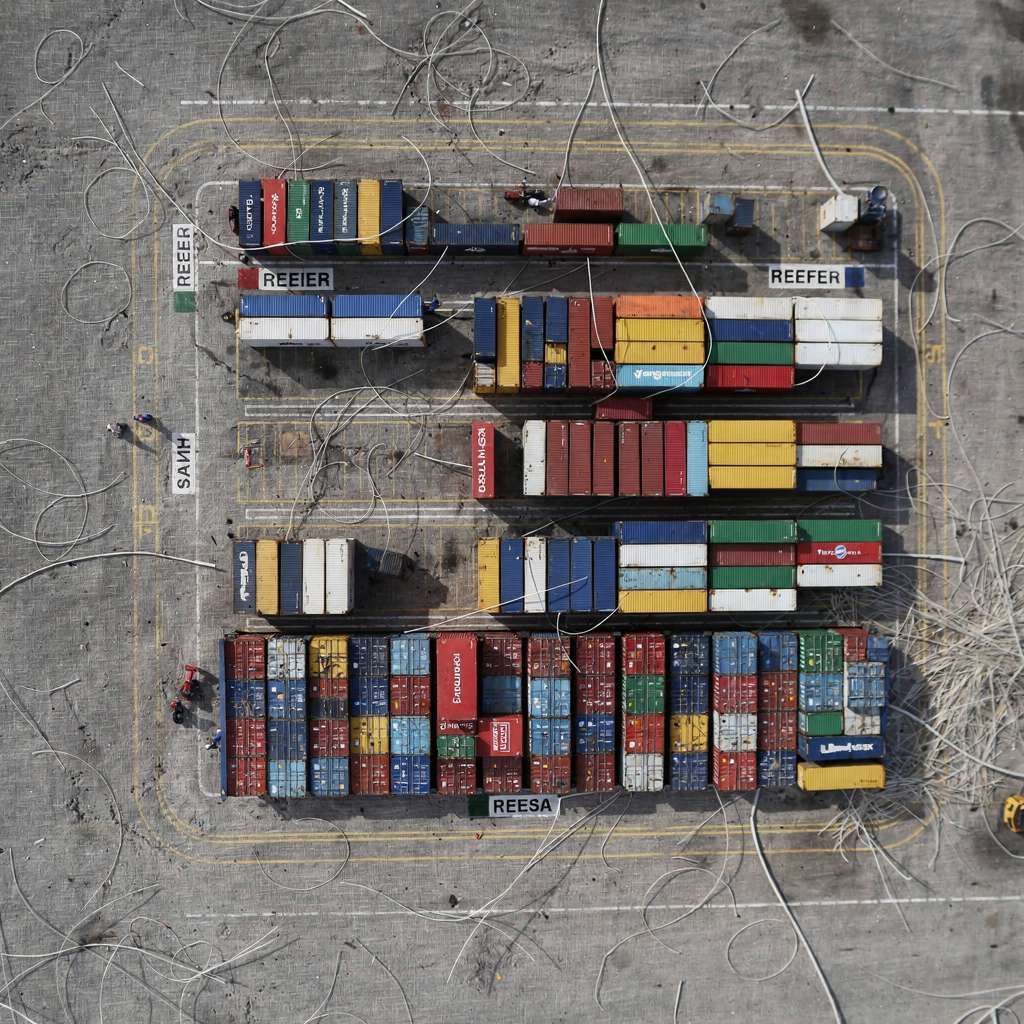
Also, the basics of container stowage planning require tracking container numbers per port and container numbers overall. Next, planners use data to limit the number of containers that require rehandles at the first port of call. Then, the planning for container sequencing reduces reshuffles and speeds the sequence of loading. Additionally, modern planning software helps build an effective stowage plan with constraints on cargo weight and the placement of these containers relative to hatch covers and lashing bridges. Finally, an effective stowage plan balances use of available space with safe cargo handling and regulatory limits.
Drowning in a full terminal with replans, exceptions and last-minute changes?
Discover what AI-driven planning can do for your terminal
planning for container stowage plan: aligning port calls and sequence
First, planning for container voyages means mapping the itinerary and the port of call order. Also, a good stowage plan schedules which containers will discharge at each stop. Next, the sequence of loading on departure must mirror the unloading order at the first port of call to avoid moves later. Then, route planning informs stowage adjustments for multi-port voyages. Additionally, when ports past your port are busy or have limitations, planners adapt the bay plan early.
Also, stowage planning is also about foresight. For example, if a container vessel is split between export and import blocks, the planner must ensure containers destined for an intermediate port remain accessible without extensive reshuffles. Next, the process of container stowage includes checking containers and container numbers per dock call. Then, the position where the container sits affects how many rehandles the quay cranes must do. Moreover, planners balance available space and access when allocating slots for chilled units, hazardous cargo, and high-priority loads.
Also, real-time changes force re-planning. For instance, late gate-in cargo or missed feeder connections change discharge lists. Then, terminals that use live replanning tools reduce chaos. See Loadmaster.ai’s discussion of real-time container terminal replanning strategies for techniques that limit rehandles and speed recovery. Additionally, for complex yards, AI-based workload balancing can protect crane productivity when the sequence of loading shifts. Finally, planning involves contingency: plan alternate discharge slots, note ports with limited crane reach, and track containers and their container numbers to keep the schedule stable.
ship stowage and cargo space: balancing load and maximising capacity
First, ship stowage combines safety limits with space optimisation. Also, container stacks must follow stack-weight and twist-lock rules. Next, a bay plan must document how many containers and what mix fit in each bay. Then, ship stowage professionals measure cargo space and use every available slot. Additionally, when a container vessel is split into blocks, the planner ranks blocks by port sequence and weight balance.
Also, efficient container capacity management reduces empty repositioning and wasted slots. For example, optimizing container packing can reduce empty repositioning moves and increase filled TEU per voyage. Next, the use of available space depends on stacking rules, cargo weight distribution, and structural capacity. Then, planners must respect how containers are stacked on board and how top of other containers affects visibility and crane lift paths. Furthermore, the number of containers that fit in a bay depends on the container sizes and bay height limits. Also, a precise count of container numbers supports yard allocation and berthing windows.
Also, case studies show high-density stowage configurations deliver measurable gains when paired with safe cargo handling and well-defined lashing procedures. Next, methods and stowage include mixed-size packing layouts and slot-level weight mapping. Then, to reduce empty moves, shipping companies combine load planning with commercial routing to carry more cargo per voyage. Additionally, the bay – each container vessel must reflect the intended cargo distribution and the type of cargo on board. Finally, allocating space on board for reefers, hazardous items, and heavy units ensures compliance and keeps performance high. For reefer stacking best practice, see Loadmaster.ai’s piece on optimizing reefer container stacking.
Drowning in a full terminal with replans, exceptions and last-minute changes?
Discover what AI-driven planning can do for your terminal
safety and operational for container ship and cargo: guidelines for secure handling
First, safety and operational rules guard against loss and damage. Also, regulations set safe cargo handling practices and lashing requirements. Next, stowage planning must respect stability limits, load line rules, and segregation for hazardous cargo. Then, planners document positions for hazardous cargo so that safety distances and firefighting access remain clear. Additionally, safe cargo handling covers inspection, certification, and document checks before loading.
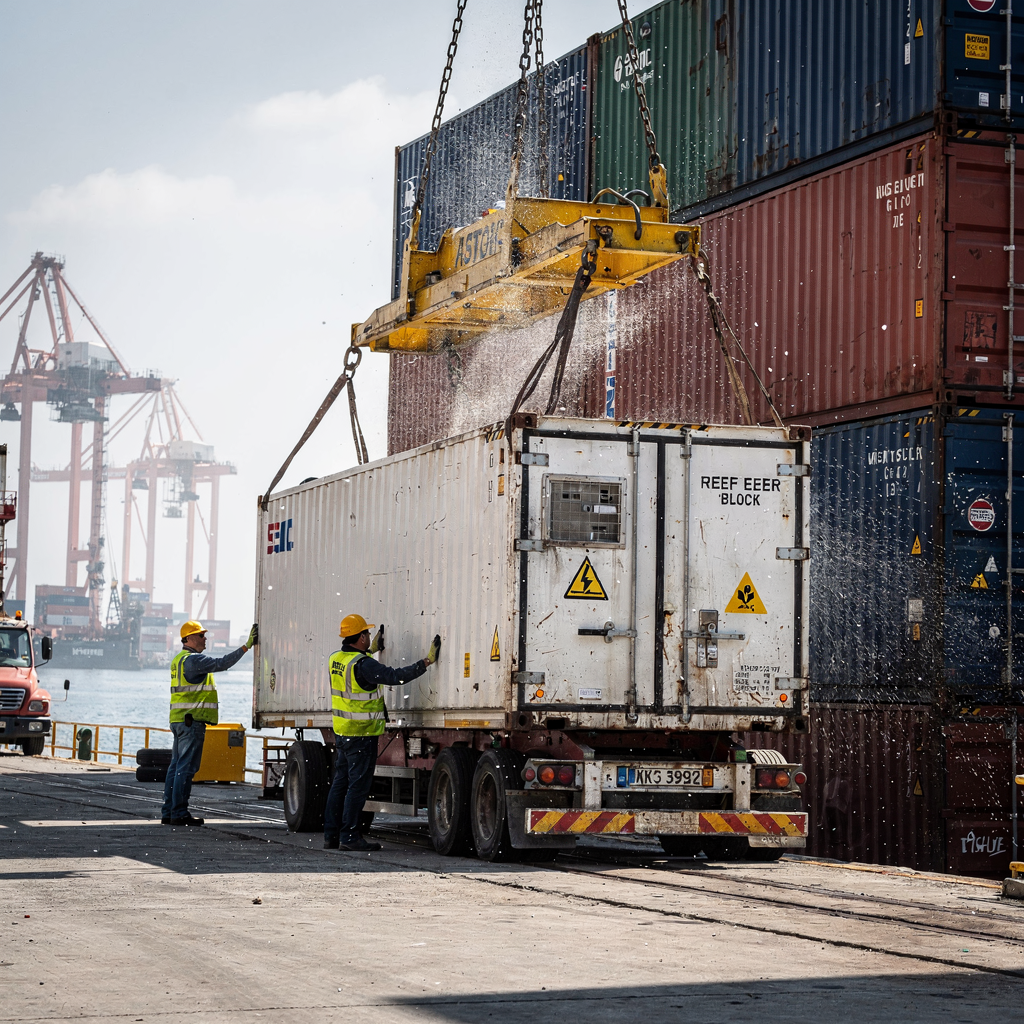
Also, operational protocols detail the sequence of loading and unloading, the placement of these containers for quick access, and checks for correct container numbers. Next, the planning process includes verifying container seals, verifying weight declarations, and confirming reefer power availability. Then, stowage planners must record the cargo weight and ensure it fits within the vessel’s centre-of-gravity limits. Additionally, for out-of-gauge (oog) containers per port, team coordination is essential to position special lifts and gantry reach.
Also, risk management for hazardous cargo includes clear labeling and compatible segregation. Next, inspections reduce the chance of mis-declared cargo that could cause accidents at sea. Then, stevedores and the port operations team and stevedores should use clear handovers and move lists to avoid mistakes. Furthermore, handling and stowage protocols must cover damaged or leaking units and immediate reporting. Also, safe cargo handling extends to reefer monitoring, temperature checks, and power continuity for sensitive loads. Finally, the right placement of these containers protects the crew, the vessel, and downstream supply chains.
stowage efficiency: leveraging software for container ship stowage
First, stowage efficiency improves when terminals use automated stowage planning and planning software. Also, computerized systems reduce planning time and support complex constraints. Next, studies show digital stowage tools can cut planning time by roughly 40% and improve loading and unloading efficiency by 25%. Then, automation lets planners test multiple scenarios quickly and choose the most executable plan.
Also, automated stowage planning integrates cargo data, crane reach, and yard states. Next, digital tools allow stowage planners to simulate container stacks and crane moves. Then, AI agents can evaluate trade-offs, such as quay productivity versus yard congestion. For example, Loadmaster.ai trains RL agents in a digital twin so StowAI augments the vessel planner and minimizes shifters while upholding executability. Additionally, StackAI optimises yard placement and JobAI automates dispatch, which together reduce rehandles and drive consistent outcomes across shifts.
Also, measure stowage efficiency with KPIs tied to moves per hour, rehandles per call, and number of containers moved per crane shift. Next, terminals should track container throughput, the number of containers left on deck at first port of call, and the summary of containers on board across ports. Then, using KPIs and simulation supports continuous improvement and keeps the port resilient to surprises. For a deeper view on KPI-driven optimisation, see Loadmaster.ai’s container terminal KPIs optimization approach with AI.
Also, manual workflows still matter for exceptions, but automated planning reduces dependence on single experts and tribal knowledge. Next, adoption of automated tools helps achieve consistent performance and lowers the chance that the container vessel is split into suboptimal blocks due to hurried decisions. Finally, investing in software and refined process control yields safer, faster, and more efficient container stowage across the shipping industry.
FAQ
What is a stowage plan and why is it important?
A stowage plan is the map that shows where each container will sit on a vessel and in what sequence they will be handled. It is important because it preserves vessel stability, speeds loading and unloading, and reduces reshuffles at the port.
How does stowage planning affect vessel turnaround?
Good stowage planning reduces unnecessary moves and limits crane idle time, which shortens vessel turnaround. Poor plans increase reshuffles and can raise turnaround by 20–30% in congested conditions.
What data do planners need to build an effective stowage plan?
Planners need container numbers, sizes, cargo weight, cargo type, destination, reefer needs, and any hazardous marks. They also need the current summary of containers on board already and the planned containers per port.
Can software improve stowage efficiency?
Yes. Automated stowage planning and digital twins shorten planning time and raise handling efficiency. Research shows computerized systems can reduce planning time by about 40% and improve loading and unloading efficiency by 25%.
How do terminals handle reefers and hazardous cargo?
Terminals assign dedicated slots for reefers with power access and segregate hazardous cargo per rules. They schedule sequence of loading to keep hazardous goods accessible and maintain emergency access.
What role do stowage planners play during disruptions?
Stowage planners rework bay plans, prioritise urgent cargo, and minimize rehandles when schedules shift. They coordinate with the port operations team and stevedores to keep moves executable and safe.
How do container numbers per port influence the plan?
Container numbers per port define how many moves must happen at each stop and where those containers need to sit on board. Accurate counts prevent last-minute reshuffles and reduce crane work.
What is the difference between manual and automated stowage planning?
Manual planning relies on human expertise and rules, while automated stowage planning uses algorithms and simulations to test many scenarios fast. Automation increases consistency and scales better under changing conditions.
How can ports reduce rehandles and yard congestion?
Ports can improve gate appointment systems, align yard flows with vessel plans, and use AI-assisted replanning to adapt to delays. For strategies on reducing truck travel and deploying equipment, see Loadmaster.ai resources on optimizing yard equipment deployment and minimizing internal truck travel.
What KPIs should terminals monitor for stowage efficiency?
Terminals should track moves per hour, rehandles per vessel, crane utilisation, turnaround time, and the number of containers requiring reshuffles. These KPIs drive continuous improvement and better synchronisation of quay and yard work.
our products
 stowAI
 stackAI
 jobAI
jobAI
Innovates vessel planning. Faster rotation time of ships, increased flexibility towards shipping lines and customers.
Build the stack in the most efficient way. Increase moves per hour by reducing shifters and increase crane efficiency.
Get the most out of your equipment. Increase moves per hour by minimising waste and delays.
stowAI
Innovates vessel planning. Faster rotation time of ships, increased flexibility towards shipping lines and customers.
stackAI
Build the stack in the most efficient way. Increase moves per hour by reducing shifters and increase crane efficiency.
jobAI
Get the most out of your equipment. Increase moves per hour by minimising waste and delays.