
1. Challenges at the container terminal and need for optimization
The modern terminal faces pressure from many directions. Global trade grows, vessel sizes increase, and customer expectations rise. As a result, prolonged vessel stays create real costs. They reduce berth availability, raise demurrage exposure, and dent port efficiency. For example, increased vessel idle time directly raises fuel and scheduling costs for shipping lines, which translates into higher charges across the supply chain. Therefore, terminals must address bottlenecks quickly and precisely to protect margins and throughput.
Main bottlenecks include berth congestion, yard inefficiencies, and gate delays. Berth congestion limits the number of simultaneous quay calls. Yard inefficiencies add unnecessary repositioning moves and extra crane cycles. Gate delays cause long truck queues that slow cargo flow and reduce crane productivity. Together, these constraints extend vessel turnaround times and lower productivity across the entire terminal. Consequently, terminal operators see lost revenue and customer frustration.
Benchmark data show wide variation in average stays. Some busy container terminals report average stays under 24 hours, while others exceed 48 hours on peak days. Studies of ports adopting advanced systems report marked improvement: ports that enhance berth assignment and yard workflows often cut vessel idle time significantly. For instance, industry analysis cites up to a 20–30% reduction in vessel turnaround time when leading terminals deploy optimized platforms. This type of improvement drives both cost reduction and improved service.
Beyond the quay, inefficiencies ripple through the terminal. Poor stacking systems, weak coordination between crane and yard trucks, and manual gate systems all create avoidable delays. Thus, terminals must optimize resource utilization and upgrade process automation to improve operational performance. In practice, that means adopting software solutions that give real-time visibility and better reporting systems so teams can act fast.
Finally, operational staff face email overload and slow decision loops. For example, operations teams often manage hundreds of messages daily related to vessel planning, cargo exceptions, and truck manifests. As a result, terminals gain faster responses and clearer ownership across teams.
2. Introducing the terminal operating system: core functionalities
A terminal operating system (TOS) is the backbone of modern terminal operations. It coordinates vessel planning, yard control, gate systems, and equipment scheduling. The platform integrates many data streams, including AIS feeds, cargo manifests, and equipment telemetry. As such, it provides a single source of truth for teams and dashboards that reveal current state and predicted needs. In short, the TOS lets operators automate routine tasks while retaining oversight.
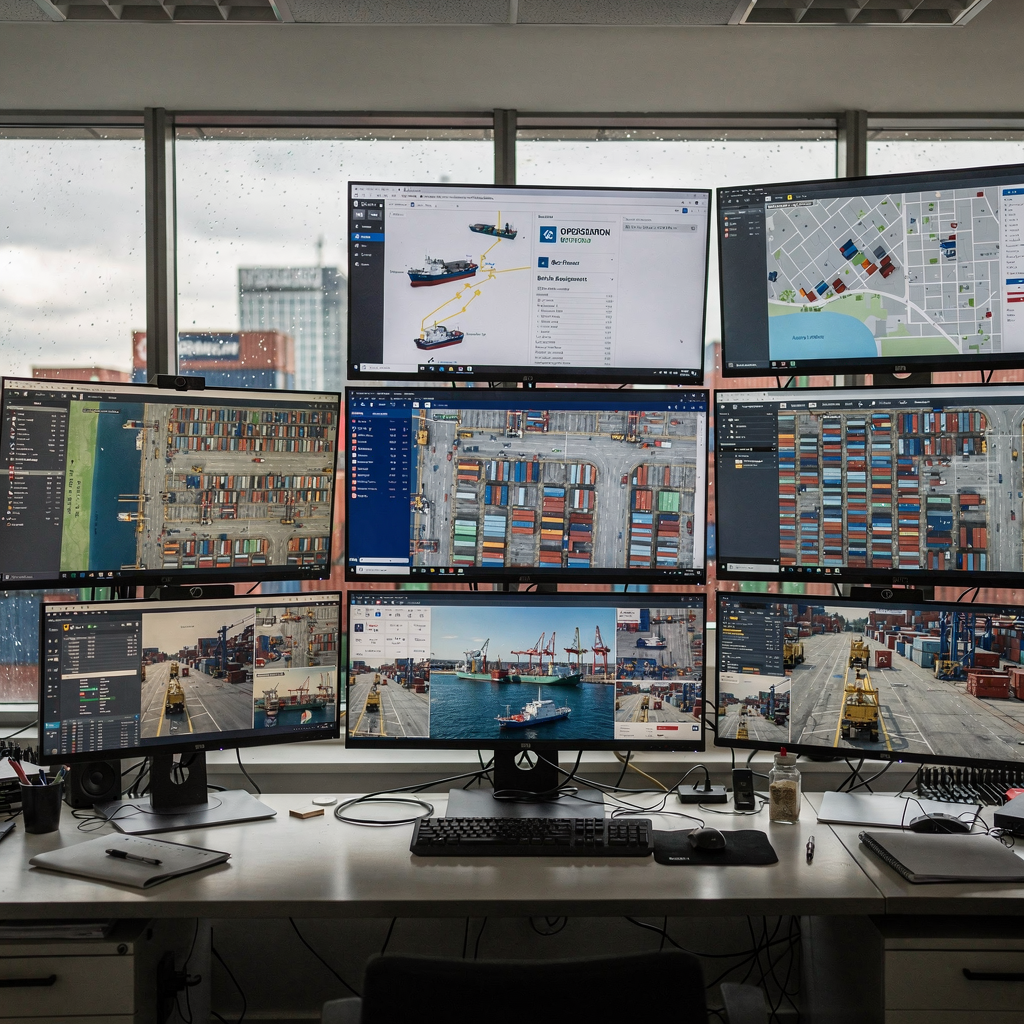
Core modules in a TOS include berth management, yard planning, gate control, vessel planning, and a reporting system. These modules talk to each other. They also connect to external systems like port community systems, carrier EDI, and terminal resources trackers. Through real-time tracking and real-time monitoring, the TOS reduces uncertainty. Furthermore, it supports process automation for repetitive tasks and helps improve operational efficiency across the entire terminal.
Integration matters. When a TOS ingests real-time AIS feeds and cargo manifests it can anticipate vessel arrivals and allocate resources earlier. It also uses equipment data to sequence crane tasks and yard truck work. This improves loader and crane assignment and minimizes idle cycles. Compared with manual scheduling, automated berth allocation reacts to delays and changes quickly. For concrete context, see how advanced berth planning and quay optimization produce measurable gains in port throughput and berth management in quay optimization explanations.
In addition, the TOS supports safety and security requirements. It enforces access rules at gates, logs occupational safety incidents, and helps meet regulatory compliance. Terminal operators gain standardized workflows and a consistent tracking system for container handling. The TOS also enables better resource utilization through optimized shifts, equipment routing, and stacking rules. For terminals seeking yard software solutions, comprehensive TOS capabilities are essential to streamline gate operations and reduce congestion.
Finally, a modern TOS should be extensible. Cloud-native architectures and open APIs let ports add modules such as automated guided vehicles and predictive maintenance tools. This extensibility supports digital transformation and allows terminals to scale features such as automated guided vehicles or energy-efficient scheduling as needs evolve.
Drowning in a full terminal with replans, exceptions and last-minute changes?
Discover what AI-driven planning can do for your terminal
3. Real-time vessel scheduling with terminal operating insights
Real-time vessel scheduling is one of the highest-impact functions of a TOS. By combining ETA feeds with berth availability, terminals assign berths dynamically. That reduces queueing and avoids unnecessary waiting at anchorage. When a ship reports slower speed or early arrival, the TOS recalculates assignments and notifies planners. Thus, the terminal adapts continuously and minimizes downtime.
Predictive analytics also change the game. The system models slot planning and conflict resolution, anticipating berth clashes and suggesting reallocation. It uses historical service times, cargo mix, and crane productivity to forecast how long a call will take. Therefore, planners can sequence moves to reduce unproductive crane dead-time. Case studies show ports that adopt these tools report significant gains. In particular, terminals that deploy smart scheduling can see a 20–30% reduction in idle time and faster vessel turnarounds (INTECH Smart TOS results).
Furthermore, a TOS offers visibility at the berth level. Crane teams receive task lists tailored to the ship’s stow plan. Yard planners get container release timelines aligned to quay work. Gate staff receive expected truck arrival windows. As a result, the entire workflow flows more smoothly and the chance of late cargo or mis-stowed containers drops. For additional methods to reduce vessel idle time, explore just-in-time strategies and their integration with scheduling systems here.
Real-time coordination also reduces congestion. Rather than having too many trucks and cranes at one berth, the TOS sequences calls across the yard and quay. It factors in crane availability, pilot windows, and tidal constraints when applicable. This reduces operational friction and improves efficiency and productivity at the berth. Moreover, clear metrics on a common dashboard help teams measure the impact of schedule changes immediately.
To sum up, optimized vessel planning delivered by a high-quality TOS changes how terminals handle calls. It reduces idle time, improves berth allocation, and lifts throughput. Ports that pair these capabilities with training and best practices see sustained gains in port efficiency and supply chain reliability.
4. How tos drives efficient terminal operations and yard management
TOS modules coordinate cranes, yard trucks, stacking rules, and container tracking to improve yard throughput. They assign crane tasks based on current container locations and the vessel stow plan. This reduces repositioning moves and saves crane minutes per box. By optimizing container handling flows, the terminal reduces costly double-handles and accelerates the movement of goods to the gate or onward rail services.
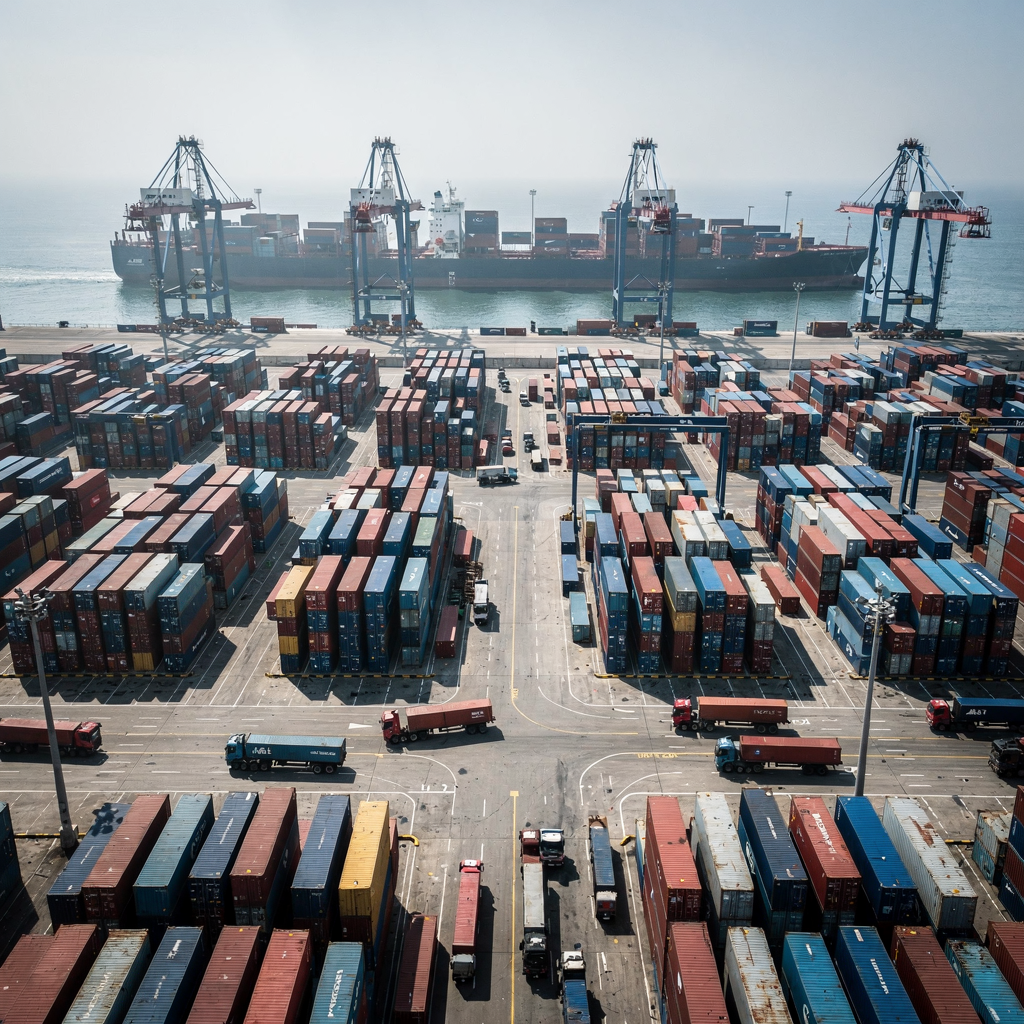
In practice, the TOS issues real-time instructions to drivers and to automated guided vehicles. It controls stacking systems and advises on optimal block selection to minimize future moves. Additionally, predictive yard algorithms reduce the number of repositioning operations by suggesting storage locations that match vessel loading sequences. These decisions add up. Terminals report throughput gains of 15–25% thanks to data-driven control and more efficient container movements (SourceForge findings).
Coordination extends to equipment maintenance and scheduling. Integration with predictive maintenance modules keeps cranes and trucks available when needed, thereby reducing downtime and avoiding last-minute reallocations. For example, predictive maintenance for STS cranes can cut unscheduled outages and preserve throughput during peak windows (predictive maintenance resource). This approach helps terminals maintain high utilization and reliable service levels.
Also, the TOS supports reporting systems that help teams understand productivity trends and bottlenecks. Dashboards show real-time KPIs such as crane moves per hour, truck turnaround, and yard density. These metrics enable leaders to set achievable targets and to test process changes rapidly. Combined with operator training, the terminal can improve operational performance consistently. Terminal efficiency rises when people and software align around common goals.
Finally, the TOS plays a role in safety and security. It enforces rules for stacking heights, hazardous cargo segregation, and access control. It also provides traceability for containers throughout the yard. When terminals connect the TOS to port community systems, they streamline handovers and create smoother traffic management for feeder and hinterland services. Taken together, these features drive both higher throughput and better compliance with evolving regulations.
Drowning in a full terminal with replans, exceptions and last-minute changes?
Discover what AI-driven planning can do for your terminal
5. Gate processes and hub integration through tos
Gate operations create a visible choke point for terminals. Long queues at the gate reduce crane productivity and extend vessel dwell. A TOS reduces gate friction by automating check-in, matching truck pre-advice with cargo releases, and enabling slot-based entry. This streamlines gate operations by automating identity checks, seal verification, and container release validations. As a result, truck turnaround times drop and the flow of cargo becomes more predictable.
Moreover, the TOS connects the terminal hub to road, rail, and feeder services. It shares ETAs and container status with hinterland partners and feeder operators. This connectivity reduces missed connections and improves the movement of goods through the entire supply chain. In addition, linking the TOS with port community systems and carrier platforms provides real-time visibility that carriers and shippers appreciate.
Reducing gate queues also cuts demurrage. When trucks spend less time waiting, cargo clears earlier and storage charges fall. That outcome supports cost reduction for both carriers and shippers. For terminals that automate gate systems, the benefits extend to improved security measures and fewer manual checks at entry. In turn, safety and security improve while administrative overhead declines.
Gate automation also plays a role in broader logistics orchestration. A connected TOS enables synchronized pickup windows and allows terminals to optimize and automate truck flows during peak hours. For more on coordinating inland flows without physical expansion, see strategies to improve inland terminal throughput here.
Finally, the TOS supports hub-level analytics that measure truck wait times, gate throughput, and carrier performance. These insights help terminal operators negotiate service agreements, implement best practices, and improve response during disruptions. When gates run smoothly, the entire terminal benefits from higher throughput, better resource utilization, and a smoother flow of goods.
6. Exploring the future of terminal operating systems in vessel turnaround
The future of terminal operating systems will be shaped by AI, IoT, and digital-twin simulations. AI models will forecast demand, suggest dynamic crane-split adjustments, and improve job allocation for both human and automated resources. IoT sensors will provide richer real-time data on container and equipment health. Digital twins will allow teams to test scheduling scenarios without risking live operations. These advanced technologies promise continual optimization and greater resilience for terminals.
Cloud-native architectures and open APIs will let vendors and terminals integrate niche modules quickly. Terminals can pick best-of-breed automation systems, plug in specialized AI modules for equipment task allocation, and adopt tailored reporting systems. This modularity supports agile improvement and helps terminals adapt to changing trade patterns and regulatory requirements. For a view on AI modules for real-time allocation, explore the relevant technical approaches here.
Furthermore, advanced terminal operating platforms will increase sustainability. Smarter crane scheduling and optimized truck windows reduce fuel consumption. Energy-efficient internal transport job scheduling cuts emissions and operating costs. In addition, smarter stacking systems and automated guided vehicles reduce needless moves, which lowers the terminal carbon footprint. These gains support long-term goals for environmental performance and operational resilience.
However, technology alone is not enough. People and process change are essential. Terminal operators must invest in training, governance, and change management to fully capture potential gains. By decreasing time spent on routine messages, operations teams gain time to focus on strategic optimization and continuous improvement.
Finally, the future will emphasize open collaboration. Ports that share data with supply chain partners and adopt interoperable standards will see faster, more predictable vessel planning and fewer exceptions. As a result, terminals that combine advanced terminal operating platforms with strong partner integration will lead in supply chain efficiency, improve operational efficiency, and play a pivotal role in shaping the future of terminal operating systems.
FAQ
What is a terminal operating system (TOS) and why does it matter?
A terminal operating system is software that controls quay, yard, and gate workflows. It matters because it provides real-time visibility and automation that reduce vessel idle time and improve throughput.
How does a TOS reduce vessel turnaround times?
A TOS reduces turnaround by automating berth allocation, sequencing crane tasks, and aligning yard moves with quay operations. It uses real-time data to reassign resources quickly when plans change.
Can small terminals benefit from a TOS?
Yes. Small terminals gain from improved resource utilization, fewer manual errors, and lower operational costs. Scaling features such as automated gate systems and reporting systems helps even modest operations.
What role does real-time data play in terminal operations?
Real-time data enables proactive decisions on vessel arrival, equipment health, and truck windows. With accurate feeds, terminals can optimize resource allocation and minimize downtime.
How do TOS integrations with other systems help the supply chain?
Integration with port community systems, carriers, and inland partners improves visibility and coordination. This reduces missed connections and supports smoother movement of goods across modes.
Are there measurable ROI figures for TOS deployment?
Yes. Terminals report reductions in vessel idle time of up to 20–30% and throughput gains of 15–25% after deploying optimized systems. Those improvements translate into cost savings and better service for carriers.
How do gate operations improve with a TOS?
A TOS streamlines truck check-in, validates documents electronically, and orchestrates slot-based entry. This shortens truck queues and reduces demurrage risk for shippers.
What future technologies will shape the future of terminal operating systems?
AI, IoT, and digital twins are poised to enhance predictive scheduling, equipment allocation, and scenario testing. Cloud-native platforms and open APIs will accelerate innovation and integration.
How can email automation tools support terminal teams?
Email automation removes repetitive tasks such as triage and data lookup, reducing handling time and errors.
How do terminals maintain safety while increasing automation?
Terminals enforce safety and security through access controls, automated checks, and adherence to stacking rules within the TOS. Continuous monitoring and reporting support compliance and safer operations.
our products
 stowAI
 stackAI
 jobAI
jobAI
Innovates vessel planning. Faster rotation time of ships, increased flexibility towards shipping lines and customers.
Build the stack in the most efficient way. Increase moves per hour by reducing shifters and increase crane efficiency.
Get the most out of your equipment. Increase moves per hour by minimising waste and delays.
stowAI
Innovates vessel planning. Faster rotation time of ships, increased flexibility towards shipping lines and customers.
stackAI
Build the stack in the most efficient way. Increase moves per hour by reducing shifters and increase crane efficiency.
jobAI
Get the most out of your equipment. Increase moves per hour by minimising waste and delays.