
Understanding container terminal operations
The container terminal sits at the heart of the global supply chain. It receives cargo, stores containers, and moves them for onward transport. In the world of container terminal planning, the terminal ties ships to road and rail. Terminal operators coordinate vessel berthing, gate processing, and yard work so that loading and unloading flow smoothly. This chapter focuses on roles and workflows that shape container terminal operations and on understanding container handling needs.
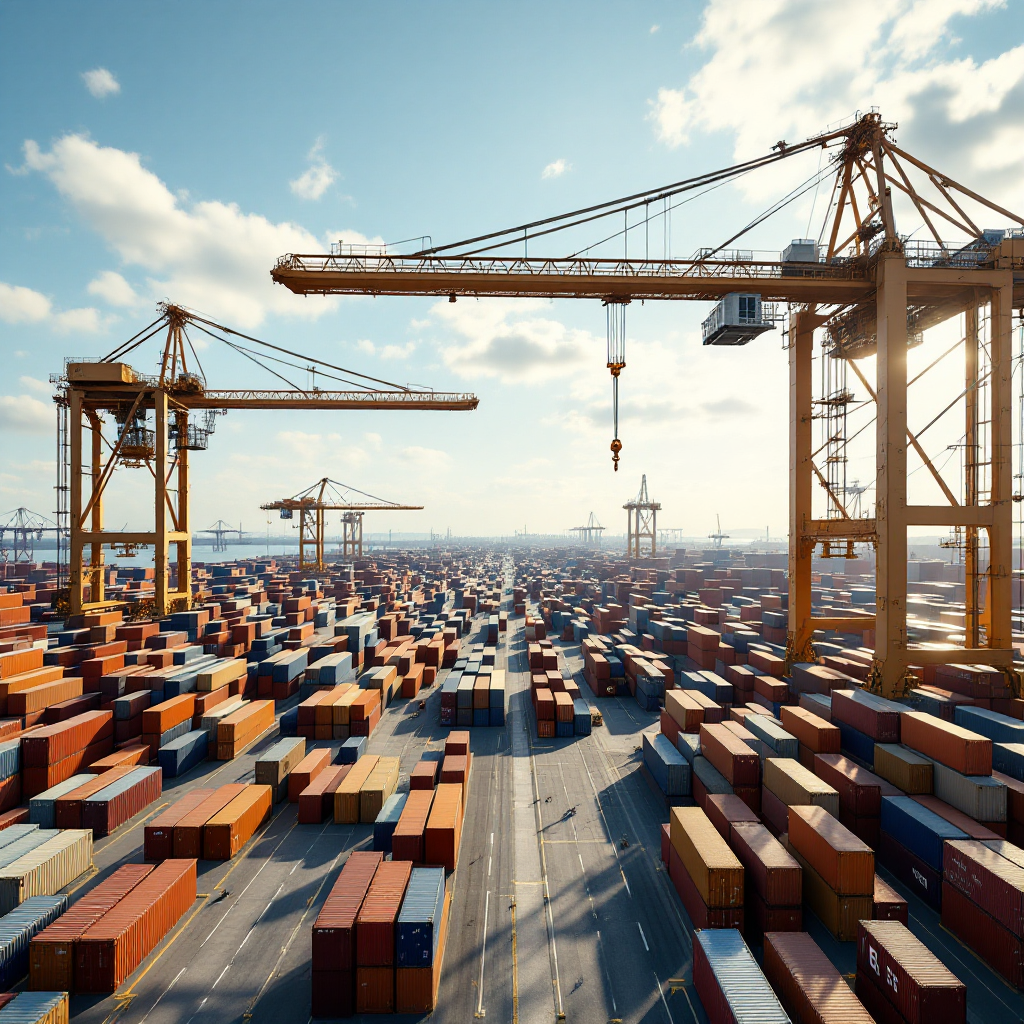
Vessel berthing is the first visible step. Cranes unload containers from the ship, and trucks or rail wagons collect them. Gate operations then verify documentation, scan seals, and move chassis. Yard handling teams place each container into a stack or into yard storage. The yard must track every container and maintain visibility into container locations so gates and cranes can work without delay.
Every container has a type and a planned destination. Knowing the type of container helps staff decide stack height, weight limits, and storage location. Terminal management must also balance container volumes and space allocation to avoid congestion. Within the terminal, yard planning and terminal management use scheduling and resource allocation to match demand and capacity. This reduces errors and improves turnaround times for ships and trucks.
Real-world operations require tight coordination with hinterland carriers and shippers. The terminal acts as a node that links different modes, and that keeps goods moving. For teams that want deeper technical guidance, a digital roadmap for port operations explains how to integrate job scheduling and automation; see the port digitalization roadmap for port operations for more on that approach (digitalization roadmap).
Understanding container flows starts with accurate data, clear roles, and repeatable processes. Terminal operators who adopt clear rules reduce delays and increase throughput. In the world of container terminal practice, small changes in gate throughput and stacking rules scale to big gains in terminal efficiency and in overall container turnaround.
Real-time container yard management and optimization fundamentals
Real-time yard management depends on integrated systems and fast data. Terminal operating systems gather live feeds from sensors, cranes, gate scanners, and truck appointments. These operating systems enable visibility into container locations and they support dynamic decision making. As Tideworks notes, “Real-time data capabilities ensure terminal managers have an up-to-date view of container locations and equipment availability,” which helps prevent equipment clashes and wasted moves (The Right Technology For Container Yard Management).
An effective yard must allocate space and assign slots the moment a container arrives. Slot-allocation rules balance workload across stacks and reduce reshuffles. The result can be significant. For example, efficient yard planning and live re-allocation can yield up to a 20% reduction in vessel turnaround times when terminals use dynamic re-assignment and coordination with berth planning (Terminal YardOptimization | OptiFlow Port Solutions).
Terminal yard teams combine human dispatch and automated decision support. A modern container yard management setup provides real-time tracking, status for yard crane and other equipment, and alerts for congestion. That visibility into container locations also supports better space allocation in the storage yard and faster retrieval when trucks arrive. An optimal yard uses data to minimize the number of reshuffles and to keep throughput steady.
Yard optimization requires rules that consider container demand, weight limits, and the planned retrieval sequence. An effective yard will place high-turnover units near the gate. It will also reserve lanes for transshipment flows. For readers interested in algorithmic yard planning, there are applied solutions such as automated container port yard planning algorithms that lay out practical choices for live operations (automated yard planning).

Drowning in a full terminal with replans, exceptions and last-minute changes?
Discover what AI-driven planning can do for your terminal
Heuristic approaches to container stacking and stack allocation
Heuristics help teams make fast, robust decisions under uncertainty. One leading method is the Rule-Based Dynamic Container Stacking (RBDCS) model. This optimization model assigns containers on arrival to reduce future reshuffles and to handle unpredictable arrival patterns. Research shows that rule-based heuristics can lessen unnecessary moves while accounting for equipment availability and variable unload schedules (Rule-based dynamic container stacking).
Heuristic approaches treat the container relocation problem as a live, combinatorial challenge. They use simple rules and local optimization to make quick allocations. For instance, a stack may reserve its top slots for containers with imminent retrieval. That reduces the number of relocations needed for retrieval and lowers handling time. In many terminals, stacking strategies based on heuristic rules drove 15-25% fewer container moves compared to static plans, which improved productivity and reduced operational costs (reducing unproductive container moves).
Heuristics also address vessel arrival times and container sequencing. They may factor in container demand at gate windows and predicted truck arrivals. By doing so, they streamline container placement and retrieval and they minimize the time that boxes sit in the wrong spot. Practical systems often mix deterministic rules with light optimization of stack heights and space allocation to match daily volumes.
Beyond heuristic rules, teams can layer a lightweight algorithm to fine-tune allocation. This hybrid ensures speed and near-optimal results. It supports container placement and retrieval that respects weight limits and avoids deadlocks. For terminals that want a complete solution for container stacking, integrated planning modules can combine stack rules, predicted arrivals, and cost-aware allocation into a single policy. These approaches present a solution for container terminals that must balance throughput with a small number of moves.
Yard crane and crane scheduling strategies for utilization and container management
Choosing the right yard crane mix changes throughput and cost. Terminals compare automated stacking cranes (ASC) with rubber-tired gantry cranes (RTG) and with hybrid layouts. Hybrid arrangements often combine ASC for dense, automated stacks and RTG for flexible operations near gates. Studies show that hybrid designs can push quay productivity and container flow, sometimes increasing throughput by up to 30% in transshipment-focused terminals (Comparing Yard Strategies).
Crane scheduling must keep machines busy and prevent conflicts. A good crane scheduling heuristic assigns moves so that cranes do not block each other and so that retrieval follows the planned gate timeline. Effective crane scheduling lowers idle time and cut travel distances. It also helps terminal performance when demand spikes. For examples of scheduling solutions, see research on reducing crane idle time and on quay crane scheduling for deepsea container ports (reducing crane idle time).
Resource allocation extends beyond cranes. It includes straddle carriers, trucks, and operators. Coordinated crane scheduling improves handling time and reduces operational costs. Terminals that schedule cranes with short lookahead windows can react to late vessel changes and to sudden gate surges. That approach improves utilization and boosts productivity.
When planners evaluate terminal efficiency, they must include container loading patterns, weight distribution, and stack sequencing. Smart schedules minimize inter-crane interference and support fast loading and unloading cycles at the berth. Terminal operators who deploy integrated crane scheduling and who tune parameters to local traffic see measurable gains in throughput and in reduction in operational costs.
Drowning in a full terminal with replans, exceptions and last-minute changes?
Discover what AI-driven planning can do for your terminal
Strategies to optimize supply chain integration using real-time data
Yard operations cannot be isolated from the wider supply chain. Real-time data connects the terminal to road, rail, and warehouse systems. This integrated yard perspective helps teams avoid bottlenecks at the gate and on access roads. For instance, predictive analytics for chassis and trailer allocation can smooth truck flows. Many terminals now use appointment systems and truck arrival predictions to reduce gate queues and to streamline truck processing (truck appointment systems).
Visibility into container locations improves handoffs. When terminals provide that visibility to carriers and to hinterland partners, they cut idle truck time and they speed cargo handoffs. Tools that analyze trends in container demand and container volumes allow planners to forecast peaks and to reserve space for urgent loads. By sharing live data, terminals help carriers plan routes and avoid long waits.
Integration also means linking emails and operational messages to systems. Many operational teams get swamped by repetitive emails and lost context. That reduces manual triage, routes exceptions to the right person, and injects structured data back into the terminal systems. The result is faster responses and fewer errors when every container move depends on timely decisions.
Terminals that link their terminal operating systems with hinterland partners can pre-stage chassis, pre-clear customs, and prioritize high-turnover cargo. They can handle different modes of transportation with better coordination, and they can balance road and rail flows. These practices help the terminal to streamline handoffs and to support an integrated yard and a resilient supply chain.
Future trends in maritime container and container yard management
Future gains will come from intelligent optimization and from finer-grained sensing. Machine learning can improve predictive stacks, and it can adjust allocations as demand shifts. Advanced models will use stochastic optimization to handle uncertain arrivals and to refine allocation under risk. By applying AI, terminals can adapt their strategies faster and can analyze vast amounts of data to detect patterns and anomalies.
IoT sensors and 5G networks will feed millisecond-level telemetry from cranes and from every container. That data will let operators track container placement at row and tier level. With visibility into container locations, systems will schedule retrievals with millisecond accuracy. This will support more dense stacking strategies and help create an optimal yard that packs more boxes without increasing moves.
Integration across systems will also grow. Terminal operating systems will expose APIs so that third-party AI tools can optimize workflows without heavy integration costs. That API-first approach makes it easier to add modules for yard crane scheduling, for chassis allocation, and for predictive maintenance. The ultimate supply chain gains will include improved utilization and lower operational costs. Forecasts suggest further gains of 10-15% in utilization and cost reduction when terminals combine automation, analytics, and better processes.
Finally, expect a push for more robust solutions that solve the optimization problem in live operations. As research and practice converge, terminals will adopt adaptive policies that reduce the container relocation problem and that increase terminal efficiency. The result will be a more efficient yard that requires fewer hands for routine tasks and that maximizes throughput while minimizing the environmental footprint of container logistics.
FAQ
What is real-time container yard optimization?
Real-time container yard optimization refers to the use of live data, rules, and algorithms to place and move containers with minimal delay and minimal reshuffles. It helps terminals manage space and equipment so that throughput and operational costs improve.
How does a Terminal Operating System support yard management?
Terminal operating systems collect data from gates, cranes, sensors, and trucks and then coordinate tasks across the terminal. They give terminal operators live visibility into container locations and they enable automated slot assignment and resource allocation.
What benefits do heuristic stacking strategies provide?
Heuristic stacking strategies offer fast, reliable decisions under uncertainty and they reduce unnecessary relocations. They often cut container moves by 15-25% versus static plans, which improves productivity and reduces handling costs.
When should a terminal consider hybrid crane layouts?
Terminals with mixed workflows or high transshipment volumes should evaluate hybrid layouts that combine ASC and RTG cranes. Hybrid setups can increase quay productivity and raise throughput when matched to the terminal workload.
How does real-time data improve supply chain integration?
Real-time data reduces surprises and aligns terminals with road and rail schedules, which prevents gate and road bottlenecks. That data supports predictive allocation for chassis and trailers and it helps carriers plan pickup windows.
Can AI automate operational email workflows in terminals?
Yes. AI agents can classify, route, and draft replies for operational emails and they can pull facts from ERP, TMS, and WMS systems. This automation reduces manual triage and keeps the right people focused on exceptions.
What role will 5G and IoT play in yard operations?
5G and IoT will provide higher-fidelity tracking for cranes and containers and they will support faster decision loops. That finer-grained data enables better stack sequencing and reduces retrieval time.
How do terminals measure the success of yard optimization?
Terminals monitor metrics such as throughput, vessel turnaround times, crane utilization, and reduction in operational costs. Improvements in these KPIs show the impact of optimization on terminal performance.
Is stochastic optimization useful for yard planning?
Yes. Stochastic optimization helps planners account for uncertain vessel arrival times and container demand, which makes allocation more robust. It reduces the risk of congestion and costly reshuffles.
Where can I find practical resources to improve yard planning?
Start with applied articles on digitalization, automated yard planning, and move reduction strategies. For example, explore automated container port yard planning algorithms, reducing unproductive container moves, and AI-enhanced truck appointment systems for operational guidance (automated planning, reduce moves, truck appointments).
our products
 stowAI
 stackAI
 jobAI
jobAI
Innovates vessel planning. Faster rotation time of ships, increased flexibility towards shipping lines and customers.
Build the stack in the most efficient way. Increase moves per hour by reducing shifters and increase crane efficiency.
Get the most out of your equipment. Increase moves per hour by minimising waste and delays.
stowAI
Innovates vessel planning. Faster rotation time of ships, increased flexibility towards shipping lines and customers.
stackAI
Build the stack in the most efficient way. Increase moves per hour by reducing shifters and increase crane efficiency.
jobAI
Get the most out of your equipment. Increase moves per hour by minimising waste and delays.