
Understanding the terminal operating system and operating systems landscape
A terminal is the beating heart of a port, and a terminal operating system coordinates the many moving parts that keep it productive. For ports that handle different types of cargo, a single platform that understands yard layout, berth slots, and equipment allocation reduces friction and speeds decisions. For example, an efficient management system connects gate staff with quay teams, and it integrates billing and customs processes so the entire terminal runs smoothly. What is a Terminal Operating System and How Does It Work? explains how these platforms unify data and tasking to reduce idle time and improve throughput.
Terminal operators need systems that handle multipurpose flows, so systems must support intermodal transfers, ro-ro, bulk cargo and container moves while keeping freight and shipping liner schedules aligned. In practice, operating systems for ports vary by architecture and focus. Some emphasize on-premise control and deep integration with legacy depot systems, while others offer cloud-based modules aimed at faster upgrades. The choice influences whether an operator keeps full control of data or opts for vendor-managed updates and encryption. CyberLogitec and other vendors sell configurable tools that address workload and equipment allocation across gangs and cranes and trucks.
Choosing a unified system for scheduling and throughput has clear benefits. First, it simplifies scheduling conflicts between berth and yard resources. Second, it enforces synchronization of work orders so planners avoid unnecessary rehandles and manual errors. Third, it provides a consistent audit trail for port authority oversight and compliance. Finally, linking a terminal management system to ERP and customs reduces administrative lag and supports the new digital shift within the supply chain. For more context on simulation-led decision support and how TOS choices affect layout and flow, see our terminal digital twin resources such as the terminal digital twin software and terminal layout optimisation simulation tools.
How opus terminal by cyberlogitec drives efficiency
Opus Terminal is a product from CyberLogitec that targets the complex needs of modern ports. The solution positions itself as a practical terminal platform that combines yard control, vessel scheduling and gate processes. In live operations, Opus Terminal reduces friction between quay teams and gate staff, and it supports multi-terminal operations for operators that run several sites under one management policy. CyberLogitec documents show OPUS TOS as a platform for container terminals, and their contact page offers details for prospective customers.Contact us – CyberLogitec
The architecture of Opus Terminal mixes configurable modules with integration layers. It supports both cloud-based deployment and on-premise installs, so medium-sized terminals and large port complexes can choose what suits their governance needs. The system offers APIs for telemetry and EDI links, and it supports automated planning and process automation so planners spend less time firefighting. For terminals that want to test scenarios before change, simulation and what-if studies pair well with TOS upgrades; see our simulation-for-terminal-operating-system-decision-support page for examples.
Operational gains appear in measurable ways. Terminals that upgrade to modern TOS platforms report lower vessel dwell time and better allocation of cranes and trucks. Industry studies show optimized systems can reduce vessel turnaround by up to 20% when paired with process changes and better synchronization between gate and quay moves.Best Terminal Operating Systems (TOS) of 2025 – SourceForge Also, customers often note that automation of routine tasks cuts manual errors and frees staff for higher-value work. And when AI-driven agents are added, terminals can improve productivity and to effectively collaborate across planning and execution teams without losing operational control.
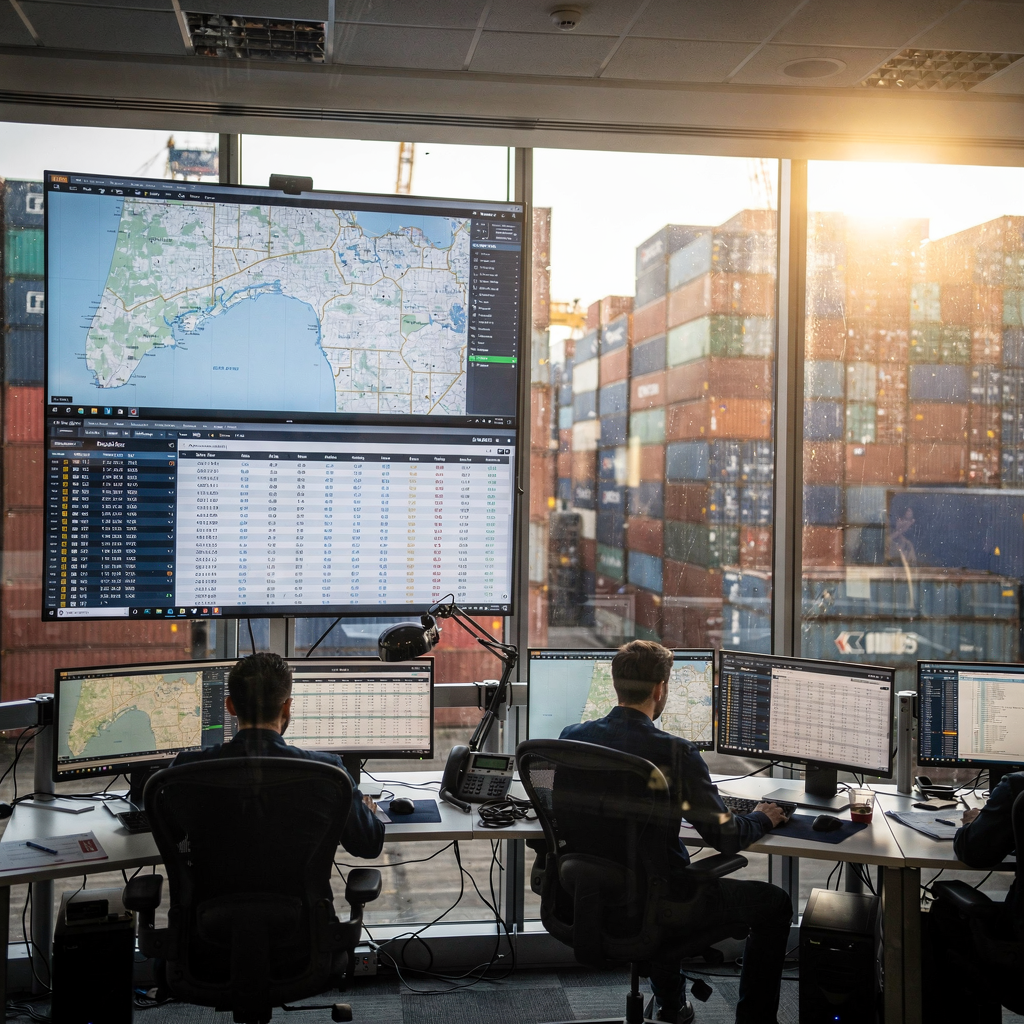
Drowning in a full terminal with replans, exceptions and last-minute changes?
Discover what AI-driven planning can do for your terminal
key features of tos for the container terminal
Key features include yard management, gate operations and vessel planning that are tightly linked through a central dashboard so teams see priorities at a glance. Yard management in a good solution controls stack locations, allocation rules, and reshuffle logic to minimize rehandles. Gate modules manage truck check-in, manifests, and booking validation to reduce gate queues for the trucking company. Vessel planning balances crane resources and stow sequences with berth windows to keep carriers and shipping companies on schedule.
Modern systems also support multi-modal tracking and automated task assignment. They ingest real-time data from GPS units, vehicle tracking and terminal cranes and trucks to drive automated planning and work orders that dispatch crews or machines. This process reduces wait times, and it improves work efficiency for yard crews and quay gangs. For terminals that wish to test automation, simulation links—like our container-terminal-what-if-simulation and tos-planning-simulation-software—help validate automated planning before rollout.
Security and compliance matter too. The best management system enforces encryption for sensitive transfers, supports audit trails for regulatory reporting, and helps port authority reviews. It also offers configurable permissions so depot staff, customs officers and shipping liner contacts see only relevant data. As a result, terminals improve operational efficiency while reducing exposure to manual errors. For terminals that serve various types of cargo including container and roro, a multipurpose TOS that supports handling equipment and process automation lets teams manage loading and unloading without switching platforms.
Leveraging real-time integration in terminal workflows
Real-time integration changes how planners and dispatchers react to events. When a crane slows, and a truck queues, a TOS that supports real-time feeds reroutes work and protects the quay from cascading delays. Real-time monitoring and real-time data flows into dashboards and alerting systems so supervisors can see metrics like moves per hour and waiting time. A terminal that supports real-time visibility reduces brownouts in service and keeps freight moving.
Systems link to GPS, vehicle tracking and ERP systems to provide an end-to-end view of movement and storage. Integration with external partners, such as trucking company systems or shipping liner booking platforms, allows synchronized arrivals and precise gate windows. APIs are central here; a robust API layer enables successful integration with third-party analytics and Loadmaster.ai agents that add reinforcement-learning optimization. For terminals exploring digital transformation, combining a TOS with simulation and AI improves decision-making and cuts unnecessary travel distances.
Dashboards let teams drill into anomalies. When a yard block shows high congestion, automated alerts trigger reshuffle work orders and reallocation of cranes. That immediate response keeps the entire terminal balanced, and it protects vessel schedules. In practice, terminals see fewer rehandles and more balanced workload across RTGs and straddle carriers. For more detail on linking simulation to operations, consider our terminal-operating-system-simulation-integration and simulate-yard-operations-tos-integration pages.
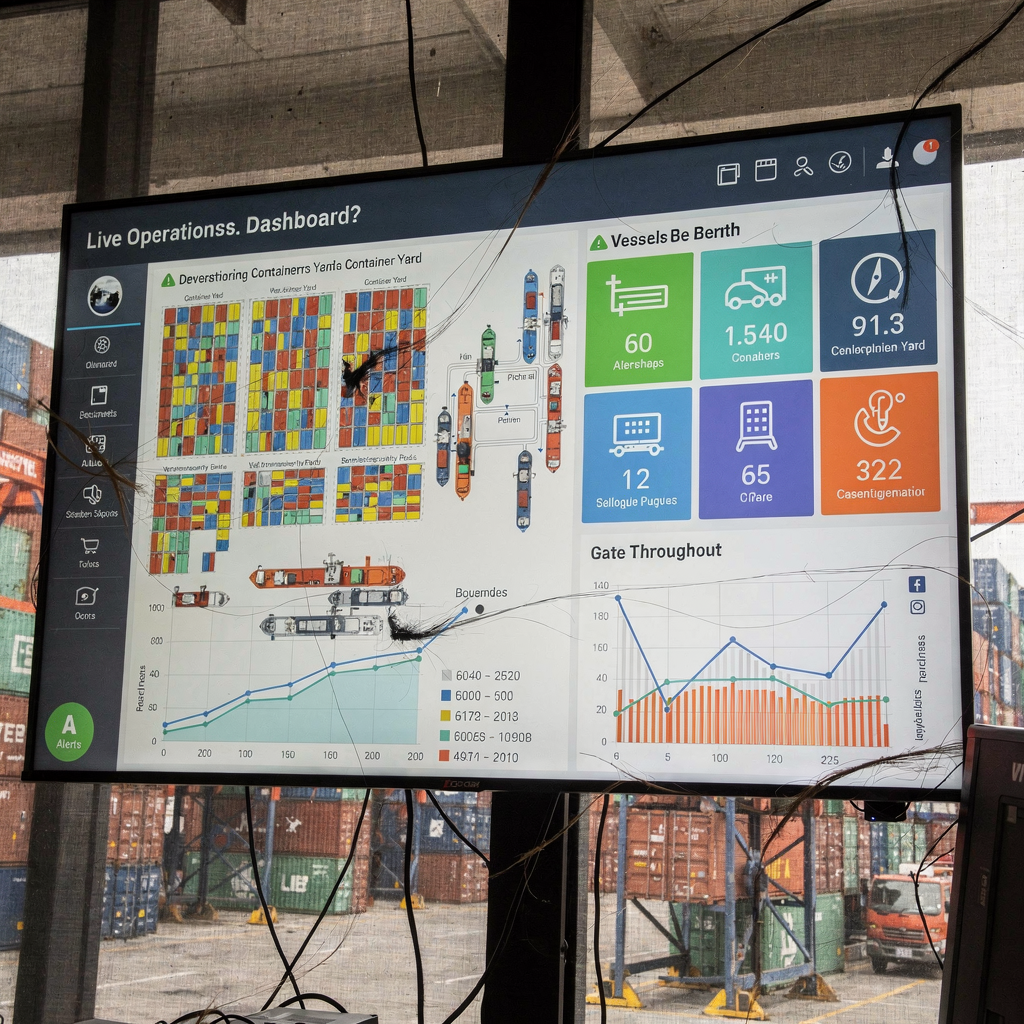
Drowning in a full terminal with replans, exceptions and last-minute changes?
Discover what AI-driven planning can do for your terminal
Evaluating tos platforms for container terminal management
When comparing opus terminal with other tos platforms, evaluators should consider customization, support, and the total cost of ownership. Some platforms focus on core scheduling and offer limited analytics, while others include native simulation and advanced analytics to forecast congestion. Terminals adopt advanced tos platforms when they need deeper control over allocation and crane sequencing. A large number of terminals adopt vendor suites when they require end-to-end service and single-vendor SLAs, while medium-sized terminals may prefer modular systems to reduce upfront costs.
Customization matters because every yard layout differs. A configurable TOS that supports both cloud-based and on-premise deployment gives ports freedom to choose governance and latency models. Consider also the vendor’s support model and the ease of successful integration with existing hardware and handling equipment. A smooth integration reduces downtime during cutover, and it preserves tribal knowledge when planners retire. For decision-makers, simulation can model the change: use our container-yard-simulation-system and terminal-throughput-simulation pages to estimate impacts before switching live systems.
Cost-effectiveness goes beyond license fees. Look at training costs, the length of cutover, and the need for additional modules such as customs links. Also factor in ongoing benefits: improved throughput, fewer manual errors, and lower operating cost per TEU. Case studies show that when a terminal upgrades software and processes together, operational performance improves and vessel turnaround shortens. For more vendor comparisons, see our navis-n4-terminal-operating-system and kalmar-smartport-tos pages that discuss alternatives and integration patterns.
opus terminal reviews and future outlook by cyberlogitec
On balance, user feedback on Opus Terminal highlights better visibility and fewer process exceptions. One logistics analyst wrote that “Terminal Operating Systems such as OPUS are the backbone of modern port operations, enabling seamless coordination between various stakeholders and enhancing overall terminal productivity,” and that perspective helps explain why number of terminals adopt advanced solutions.What is a Terminal Operating System and How Does It Work? Independent opus terminal reviews tend to praise the suite for its configurability and its support for multi-terminal operations.
Looking forward, CyberLogitec and peers plan enhancements that focus on AI-driven scheduling, better analytics and tighter links to port community systems. New digital tools will push more automated planning and offer predictive alerts for berth and crane conflicts. Terminals that pair TOS upgrades with simulation and AI, such as reinforcement-learning agents, stand to improve productivity and to effectively collaborate between planner and dispatcher roles. Loadmaster.ai’s approach with trained agents complements TOS capabilities by optimizing stow sequences and yard placement without relying on historical data alone.
Industry trends point to hybrid deployments and more cloud-based services that support scalability. As a result, terminals gain elastic compute for analytics and real-time monitoring during peak seasons. The benefits of digitalisation include faster decision cycles and reduced operating costs, and they help shipping companies and trucking partners coordinate arrivals. For terminals ready to plan, our tos-modelling-and-simulation-tools and terminal-equipment-simulation-tool pages show how to test new workflows before committing to change.
FAQ
What is Opus Terminal and who makes it?
Opus Terminal is a terminal software suite developed by CyberLogitec to manage yard, gate and vessel workflows. It targets ports and container terminals that need configurable modules and integration with telemetry and customs systems.
How does a terminal operating system improve throughput?
A TOS coordinates cranes, trucks and yard placements to reduce idle time and unnecessary moves. By automating routine tasks and enforcing allocation rules, it helps staff focus on exceptions and strategic planning.
Can Opus Terminal integrate with third-party systems?
Yes. Opus Terminal provides APIs and EDI interfaces for integration with GPS trackers, ERP systems and carrier bookings. These links enable successful integration with partner tools and analytics platforms.
Is Opus Terminal suitable for medium-sized terminals?
Yes. The platform supports scalable deployment models and configurable modules that fit medium-sized terminals as well as large multi-terminal operations. Operators can choose cloud-based or on-premise installations to match governance needs.
What benefits does real-time monitoring deliver?
Real-time monitoring highlights delays and congestion so teams can react quickly and reassign work orders. It reduces waiting time for trucks and keeps berth schedules on track.
How do terminals validate changes before going live?
Terminals use simulation and digital twin tools to run what-if scenarios and test automated planning. This approach minimizes disruption and clarifies expected gains in operation efficiency.
Does Opus Terminal support different types of cargo?
Yes. The platform handles multipurpose flows, including container, ro-ro and bulk cargo, so terminals can manage mixed schedules on one system.
How does a TOS affect relations with shipping companies?
A reliable TOS improves predictability of berth windows and reduces demurrage risk for shipping companies. Better synchronization also eases coordination for carriers and terminal staff.
Can a trucking company connect directly to Opus Terminal?
Yes. Gate modules allow trucking companies to pre-register deliveries and receive time windows, which reduces queuing and speeds gate throughput. APIs and booking portals make this connection practical.
What role does digital transformation play for ports?
Digital transformation modernizes planning, reduces manual errors, and supports secure data flow between stakeholders. By combining TOS upgrades with analytics and simulation, ports can boost operational performance and adapt to changing trade patterns.
our products
 stowAI
 stackAI
 jobAI
jobAI
Innovates vessel planning. Faster rotation time of ships, increased flexibility towards shipping lines and customers.
Build the stack in the most efficient way. Increase moves per hour by reducing shifters and increase crane efficiency.
Get the most out of your equipment. Increase moves per hour by minimising waste and delays.
stowAI
Innovates vessel planning. Faster rotation time of ships, increased flexibility towards shipping lines and customers.
stackAI
Build the stack in the most efficient way. Increase moves per hour by reducing shifters and increase crane efficiency.
jobAI
Get the most out of your equipment. Increase moves per hour by minimising waste and delays.