
Introduction to hogia terminal operating system
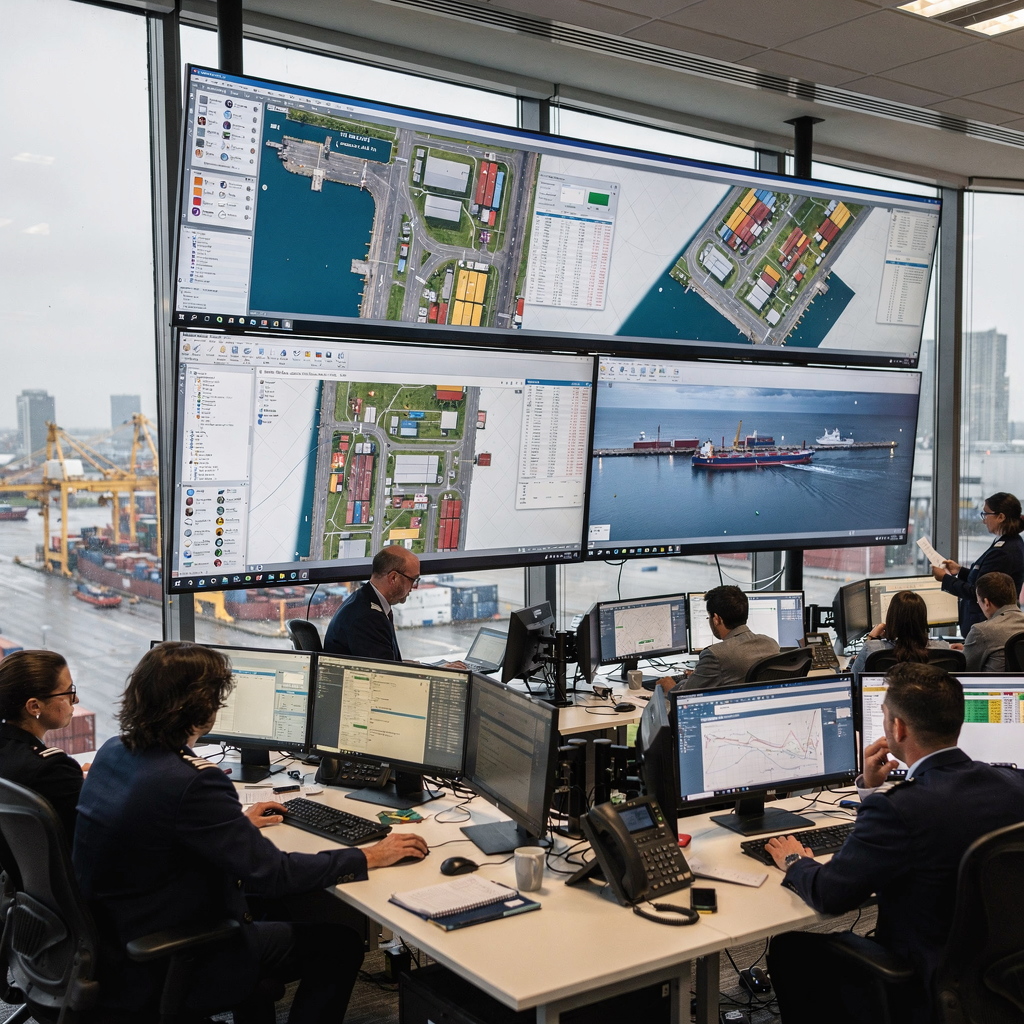
The hogia terminal operating system is an integrated TOS solution for port and terminal management. It gives terminal staff a real-time overview of the logistics chain, so teams can see what, when and where things move. For example, the platform offers yard management, vessel planning, crane scheduling and automated invoicing as core modules. Also, it links smoothly to ERP and gate systems and to third-party carriers through a standardised api. As a result, terminals reduce manual handling and improve the information flow across the supply chain.
Hogia TOS provides precise controls for yard placement and for crane work. At the same time, the system supports invoicing and administration, so finance teams close cycles faster. One Hogia quote explains that the solution “gives you complete control of your terminal and your workflow through a fully automated process, leaving you free to focus on developing your business” source. Therefore, terminal staff can take total control without adding overhead.
Integration matters. The platform supports intermodal flows that include trucks and trains, inland barge calls, and connections for multi-modal moves. For marine cargo terminal use, the system tracks cargo information and interacts with cargo handling equipment and gate scanners. Loadmaster.ai often integrates RL agents with TOS platforms to further optimize vessel sequences and yard placement. In addition, terminals that face high demands on paperless processes can support paperless shipments and paperless documentation through the same workflows.
Finally, this terminal system scales from small ports to multiple sites and sub-terminals. It supports reliable data exchange with Port Community Systems and maintains high levels of security for user access and audit trails. If you are a terminal operator and want a master terminal view, Hogia’s terminal operating system is one choice to consider. For further context on TOS simulation and decision support see our Navis N4 integration guide and simulation resources at Loadmaster.ai: Navis N4 integration guide.
Evolution of terminal operating systems in port logistics
Terminal workflows moved rapidly from paperwork to digital. At first, ports ran on manual handling and spreadsheets. Then, legacy operating systems arrived. They automated certain tasks but left many silos. Today, modern terminal operating systems unify data. They deliver a single view for yard, quay and gate. Consequently, terminals can automate routine tasks and reduce rehandles. Also, the push comes from rising cargo throughput and from regulatory pressure. For instance, growth in container volumes forced ports to rethink operations. Therefore, operators invest in systems that optimize berth schedules and equipment use.
Regulatory drivers matter too. The EU and the International Maritime Organization set targets for emissions and for operational transparency. These mandates push ports to adopt digitalisation to meet reporting and sustainability goals. A recent study on Swedish small and medium-sized ports reports that digital tools improve planning and support renewable energy integration source. Thus, compliance and efficiency align when ports choose future-proof operating systems.
Today’s TOS platforms can scale. They support standard integrations with PCS systems, EDI messaging, and third-party carrier APIs. For example, terminals compare offerings such as Logstar TOS and other platforms when they select a technology stack; comparative reviews can help buyers shortlist providers comparison. Meanwhile, modern solutions aim to be scalable, multi-modal, and able to serve multiple sites without losing performance. In addition, intelligent technology like reinforcement learning agents can work alongside a TOS to balance KPIs across quay and yard. If you want to explore simulation-driven planning, see our pages on TOS modelling and simulation tools TOS modelling and simulation tools.
Drowning in a full terminal with replans, exceptions and last-minute changes?
Discover what AI-driven planning can do for your terminal
Core features of operating systems for terminals
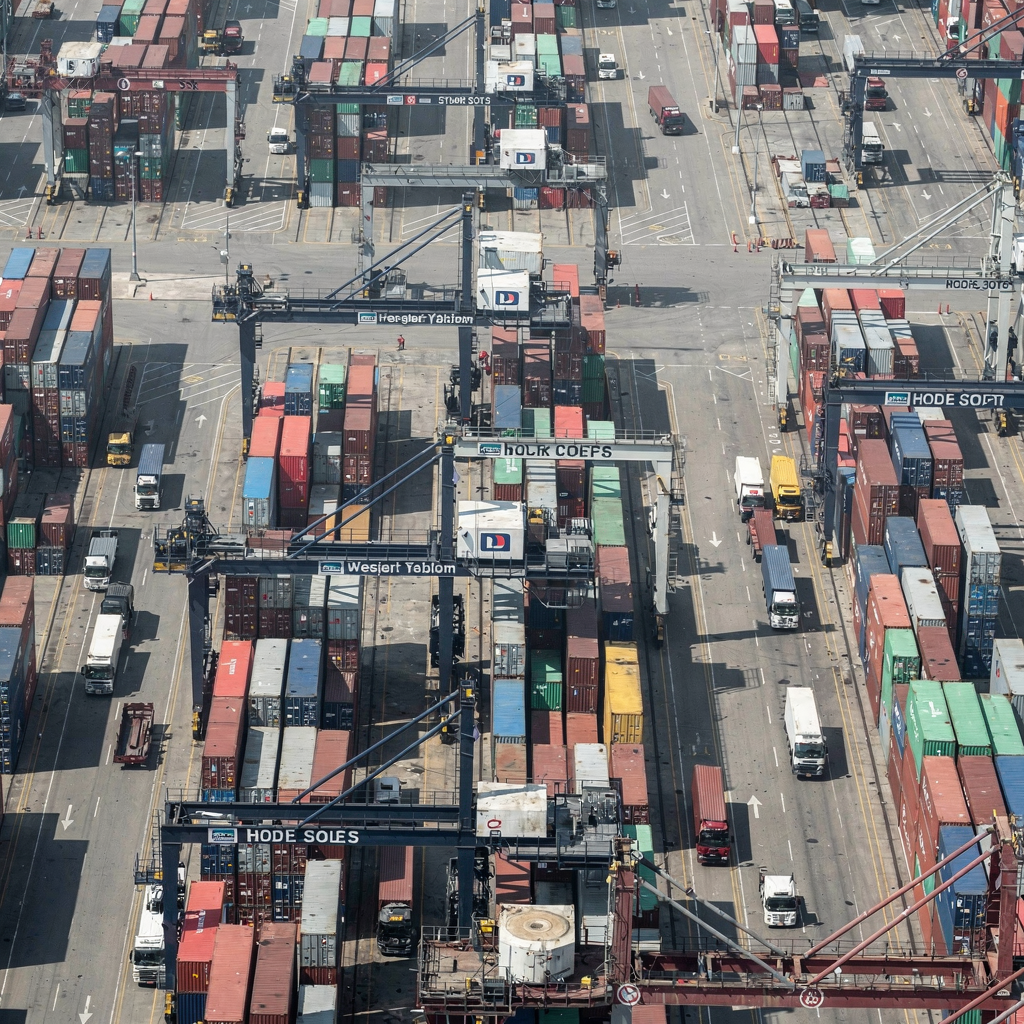
Yard management in a modern operating systems suite automates container tracking, slot allocation and storage optimisation. The module assigns places based on container characteristics, planned moves and anticipated dwell. Also, it reduces truck turns by shortening search time. In short, the yard module helps to handle the units that pass through a terminal with fewer rehandles. The system tracks cargo information and reports slot occupancy in dashboards that are easy to read.
Vessel planning includes berth scheduling and stowage planning. Planners sequence moves to minimize turnaround. Thus, cranes run efficiently and cranes and trucks coordinate better. Crane scheduling itself assigns equipment and monitors performance. It generates productivity dashboards, flags maintenance needs and reduces downtime for cargo handling equipment. An equipment control module integrates telemetry and controls so teams maintain uptime.
Automated billing and invoicing is a core benefit. The TOS reduces errors, speeds billing cycles and gives clear invoice records. Centralised invoicing and administration removes duplicated data entry. As a result, finance teams save time and resources. Also, the system supports invoicing across the supply chain and provides traceable audit trails for security and compliance. This helps when terminals need to show high levels of security and to produce accurate reports for customs or auditors.
Finally, fully automated workflows and using automated processes let operators set business rules. The platform can automate gate checks, container releases and customs holds. Consequently, the terminal can sustain high throughput, while remaining flexible. For more on how TOS modules communicate with simulators and decision tools, see our work about simulation for terminal operating system decision support simulation for decision support.
How tos streamlines cargo handling and planning
Modern tos platforms sync yard and quay using real-time feeds. They ingest gate scans, crane telemetry and carrier notices. Therefore, planners see live updates and can adjust plans quickly. Automated exception alerts flag delays, equipment faults or customs holds. Then, teams react earlier and reduce wait times. For example, verified user feedback notes that users gain “easy access and real-time updates across the whole logistics flow,” which helps busy terminals manage complex operations review.
Real-world deployments report measurable gains. In practice, terminals often document reductions in vessel time at berth and in truck queuing. For instance, a typical improvement might be a 15% reduction in vessel turnaround time after a full TOS rollout. This kind of improvement comes from tighter crane sequencing and from fewer blind handoffs between teams. In addition, custom dashboards provide immediate KPIs such as moves per hour and slot occupancy so managers can steer performance during the day.
Customisation remains important. Terminals configure workflows for different types of cargo, for hazardous goods, or for high-value loads. The system supports intermodal moves that involve trucks, trains and barges. Also, terminals that need to coordinate inland barge calls can set special windows to avoid congestion. For terminals with master terminal ambitions, integrated control helps to scale across sub-terminals and multiple sites. For a look at planning simulations that pair with TOS, explore our what-if scenarios for terminal TOS what-if scenarios.
Drowning in a full terminal with replans, exceptions and last-minute changes?
Discover what AI-driven planning can do for your terminal
Best practices for booking and yard management
Start with a truck appointment system for efficient booking. Appointments smooth arrivals and cut gate queues. Also, the system enables booking confirmations via EDI to Port Community Systems for reliable data exchange. When carriers receive confirmations they can time lifts and avoid no-shows. Next, use dynamic yard slot allocation to optimise space and to limit container dwell time. In turn, this reduces the need for secondary moves and lowers yard congestion.
Monitor KPIs like truck turnaround, container moves per hour and slot occupancy. These indicators show where to prioritize operational changes and where to add staff or equipment. Also, set threshold-based alerts to inform supervisors of rising dwell or blocked aisles. In addition, track manual handling rates to find opportunities to automate and to reduce injuries and errors. For terminals that must handle different cargo types, set rules for hazardous materials, refrigerated units and sensitive loads. This prevents mis-stows and protects safety.
Integrate with PCS and with carrier portals to share booking statuses and to accept EDI slot confirmations. For more on integration patterns and simulation-led booking workflows, see our page on simulating yard operations and TOS integration simulate yard operations. Also, allow planners to override automated placements when exceptional events occur. By combining automation with human judgement, terminals balance throughput and safety. Finally, a well-run booking system improves the flow of goods and helps terminals meet customer expectations for predictability and speed.
Leveraging terminalcontrol for seamless operations
Terminalcontrol acts as the central monitoring and orchestration module in a modern TOS. It delivers a control-tower view to oversee cranes, trucks, vessels and yard assets in real-time. Operators use it to set rules, to monitor performance and to roll out automated workflows. In addition, it can scale from a regional port to a large container hub while preserving responsiveness.
Set threshold-based alerts for service-level agreements. When metrics cross limits, terminalcontrol triggers predefined actions. This reduces firefighting and lets staff focus on planned priorities. Also, the module can coordinate the equipment control module and the crane schedulers so productivity rises while energy use drops. Loadmaster.ai’s RL agents can plug into terminalcontrol via standard APIs to improve vessel sequences and to fine-tune yard placement policies. See our simulation tools for planning and TOS integration planning simulation tools.
Security and compliance are built into the control layer. It keeps audit trails and role-based access to ensure high levels of security. Meanwhile, the system supports paperless documentation and paperless shipments for terminals that require low-touch operations. For terminals that need to interoperate with other vendors, use a standardised api for predictable messaging. As a result, you can scale the platform across multiple sites, add sub-terminals, and keep operations coherent.
Finally, terminalcontrol helps future-proof your facility. It supports multi-modal flows and intermodal handoffs. Consequently, terminals increase resilience during peak surges and when equipment fails. For teams that want to integrate intelligent technology and to optimize across yard and quay, terminalcontrol becomes the hub that unifies data, enforces rules and drives better decisions.
FAQ
What is the Hogia Terminal Operating System?
The Hogia Terminal Operating System is an integrated platform for port and terminal management. It centralises yard, quay and gate functions while providing invoicing, reporting and real-time visibility.
How does a TOS improve vessel turnaround?
A TOS optimises berth scheduling and crane sequences so moves occur in the right order. Consequently, it reduces idle crane time and cuts vessel turnaround, which saves time and resources.
Can a TOS integrate with other systems and carriers?
Yes. Modern platforms support a standardised api and EDI messaging to Port Community Systems and to carriers. This enables reliable data exchange and smoother booking confirmations.
What are best practices for booking?
Use a truck appointment system to reduce gate congestion and queuing. Also, confirm slots via EDI and monitor KPIs like truck turnaround to refine booking windows.
Does Hogia support paperless shipments?
Hogia’s solution supports paperless workflows and digital documentation. Terminals can reduce manual paperwork and comply with electronic customs requirements.
How does automation help yard management?
Automation assigns slots dynamically, balances the yard and minimises rehandles. In addition, it helps teams handle the units that pass through a terminal more efficiently.
Can a TOS handle multiple sites or sub-terminals?
Yes. Scalable TOS platforms support multiple sites, sub-terminals and regional hubs. They provide a master terminal view and enable consistent rules across locations.
What security features should I expect?
Expect role-based access controls, audit trails and compliance reporting. These features ensure high levels of security and support regulatory audits.
How does a TOS support different types of cargo?
A good TOS allows rules for refrigerated units, hazardous goods and oversized loads. Planners can define handling rules to protect safety and to prevent mis-stows.
Where can I learn more about TOS simulation and planning?
Loadmaster.ai publishes resources on TOS simulation, planning and decision support. See our simulation-for-decision-support and planning simulation pages to explore tools and what-if scenarios simulation resources, planning simulation tools.
our products
 stowAI
 stackAI
 jobAI
jobAI
Innovates vessel planning. Faster rotation time of ships, increased flexibility towards shipping lines and customers.
Build the stack in the most efficient way. Increase moves per hour by reducing shifters and increase crane efficiency.
Get the most out of your equipment. Increase moves per hour by minimising waste and delays.
stowAI
Innovates vessel planning. Faster rotation time of ships, increased flexibility towards shipping lines and customers.
stackAI
Build the stack in the most efficient way. Increase moves per hour by reducing shifters and increase crane efficiency.
jobAI
Get the most out of your equipment. Increase moves per hour by minimising waste and delays.