
cut-off: Defining Cargo Cut-Off and Its Impact
Cut-off is the deadline for handing in cargo at a terminal or carrier. It defines the last moment a shipper or forwarder can deliver documentation and boxes and still make a planned shipment. In practice the cut-off forms a hard boundary for planning teams. If goods arrive after the cut-off they often miss the intended sailing and create congestion at the berth. Research shows that “handling time—including cut-off adherence—accounts for over 93% of sources of schedule delays in port operations” handling time statistic. That finding highlights why teams must respect deadlines.
Think of cut-off as both a deadline and a coordination tool. Terminals set local windows to process export boxes and to complete customs checks. Carriers publish cut-off times for each voyage so exporters can plan drop-off. When cargo arrives late the ship may wait or depart without the boxes. Either outcome is costly. A missed sailing causes additional haulage and storage, and a customer claim often follows. Short delays at the gate cascade into longer berth delays and create berth congestion.
The cut-off also shapes how teams sequence work. Planners use the cut-off to lock stowage lists and to finalise weight distribution. Crane crews follow the locked list to reduce rehandles. Port staff push trucks through the gate within a tight window to complete the handover. In this way the cut-off becomes a trigger in the broader supply chain. It aligns the activity of inland yards, terminals and carriers so that a vessel can load and depart on time.
To reduce risk, organisations must treat the cut-off as a process to monitor and improve. Simple metrics help. Track the number of late deliveries, the average time lost at the gate, and the frequency of paperwork errors. Compare these figures to vessel schedules to find patterns. Small fixes at the gate often cut delay and improve predictability for the whole transport chain.
date: Setting and Managing the Cut-Off Date
Shipping lines and terminals agree on a cut-off date well before the vessel arrives. They publish that date inside booking confirmations and on terminal portals. Shippers, forwarders and trucking firms receive notifications so they can confirm pickup and deliver. Accurate communication reduces the chance that cargo will miss the deadline.
Terminals commonly use digital portals and gate notification systems to publish the latest cut-off times and to accept pre-advice. These tools improve transparency and let teams update manifests quickly. For example, terminals that combine yard status with gate schedules reduce dwell and improve yard density; see predictive analytics case studies for more context predictive analytics in port logistics. When a driver books a slot the terminal can match the arrival window to crane plans and to the vessel stowage list. That match decreases rehandles and speeds throughput.
Missed cut-off dates carry real consequences. A late box can trigger expensive rebooking or demurrage. The shipper may pay an alternative carrier or wait for the next voyage. Exporters face claims or lost sales if their goods miss a crucial window. A single missed date can create a chain reaction of delays across terminals and feeder calls.
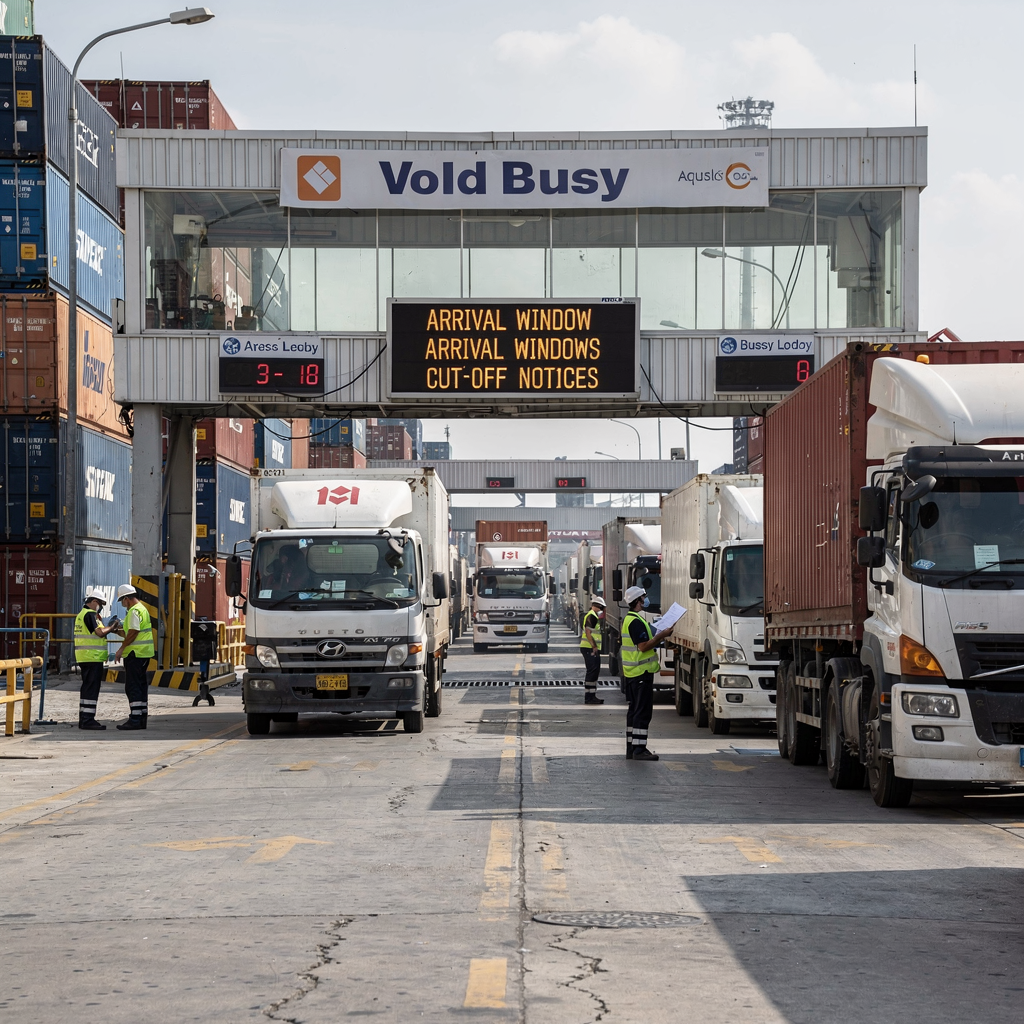
To manage cut-off effectively, teams should formalise cut-off calendars and exceptions. Use structured emails and automated routing to send alerts when a booking approaches the cut-off. That automation helps to surface missing documentation early and to avoid last-minute surprises. In addition, terminals should publish the latest local regulations and free time rules so shippers can plan yard moves and pick-ups without guesswork. Clear calendars and fast updates protect the supply chain and limit costly missed sailings.
Drowning in a full terminal with replans, exceptions and last-minute changes?
Discover what AI-driven planning can do for your terminal
ship: Stowage Planning Principles for Safe Loading
Stowage planning balances space optimisation, weight distribution and safety rules. Planners must place heavy boxes low and central to preserve stability. They must also separate incompatible goods and follow local regulations for hazardous cargo. A well-made plan reduces on-board handling time and improves the chance of on-time departure.
Ship-to-berth plans turn the stowage list into a tactical sequence for the crane crews. These plans reduce container rehandles and let the team load the vessel in a single pass. Efficient sequencing also lowers crane idle time and increases gross crane rate. Tools that automate stowage or that support dynamic replanning can help when late cargo arrives or when berth windows shrink; see automated stowage replanning examples automated stowage replanning. Using those tools, terminals can adapt quickly while keeping stability margins intact.
Weight control is a requirement for every departure. Accurate weight declarations and verified weights help planners place heavy items correctly. Incorrect weight data increases the risk of mis-stows and can delay departure. For that reason terminals must check weight documentation before accepting export boxes at the gate. When paperwork is missing the container may not load, and the team must fix the issue before departure.
Space optimisation also supports transshipment efficiency. A compact stow reduces the number of slots a vessel uses and can reduce cost. However, planners avoid tight packing when it risks safety or slow unloads at a feeder call. This balance requires skilled planners who can trade off density and ease of access. Finally, cross-functional coordination between the carrier, terminal and the shipper improves outcomes. When everyone has the same finalised plan the vessel loads faster and departs on time.
international shipping: Coordinating Cut-Off Across Trade Lanes
Coordinating cut-off across multiple ports and carriers brings several challenges. First, time zones and local rules vary. Each terminal may set a different cut-off times window for the same voyage. Second, feeder chains and alliances compress schedules and leave little slack. Transshipment hubs work on tight transfer windows and require precise handovers. The ITF observed that alliance patterns increase the need for strict cut-offs to avoid cascading delays impact of alliances.
Transshipment ports are especially sensitive. A missed box at the origin can mean a missed feeder connection and then a missed final delivery. That chain reaction multiplies delay and complicates claims. To avoid this, carriers and terminals standardise procedures and share cut-off confirmations. Shared cut-off calendars and electronic messaging reduce ambiguity and speed decisions.
Standardised documentation also helps cross-border moves. Harmonised paperwork and electronic interchange reduce gate hold-ups and speed customs clearance. In one practical step, exporters and forwarders should confirm that bills of lading and weight declarations are complete before arrival. Simple checks at the booking stage cut the chance that a container will fail gate acceptance and then miss the vessel.
Alliances and cooperation between carriers can improve predictability. When carriers coordinate, they can offer agreed vessel schedules and clear rebooking rules. That kind of coordination reduces cost for shippers and lowers the risk of missed sailings. Digital platforms that centralise cut-off data and that expose live updates help all partners to stay aligned. The result is fewer missed connections and a steadier flow of boxes through the network.
Drowning in a full terminal with replans, exceptions and last-minute changes?
Discover what AI-driven planning can do for your terminal
cut-off and date: Leveraging Technology for Deadline Adherence
Technology can enforce cut-offs and reduce manual errors. Automated stowage planning systems and AI-driven slot assignments speed decisions and adapt to late arrivals. Research on the impact of technology shows gains for seafarers and terminals when digital tools automate planning tasks technology impact report. Such systems lock in load sequences and provide clear instructions to crane operators.
Real-time cargo tracking and cut-off alerts are critical. Trackers and portal status feeds tell planners when a container will arrive at the gate. That visibility lets teams adjust the plan or to trigger contingency moves. Ports that use predictive analytics for yard congestion can increase berth utilisation by as much as 20% through smarter scheduling berth utilisation study. Those improvements reduce waiting time for vessels and lower overall cost.
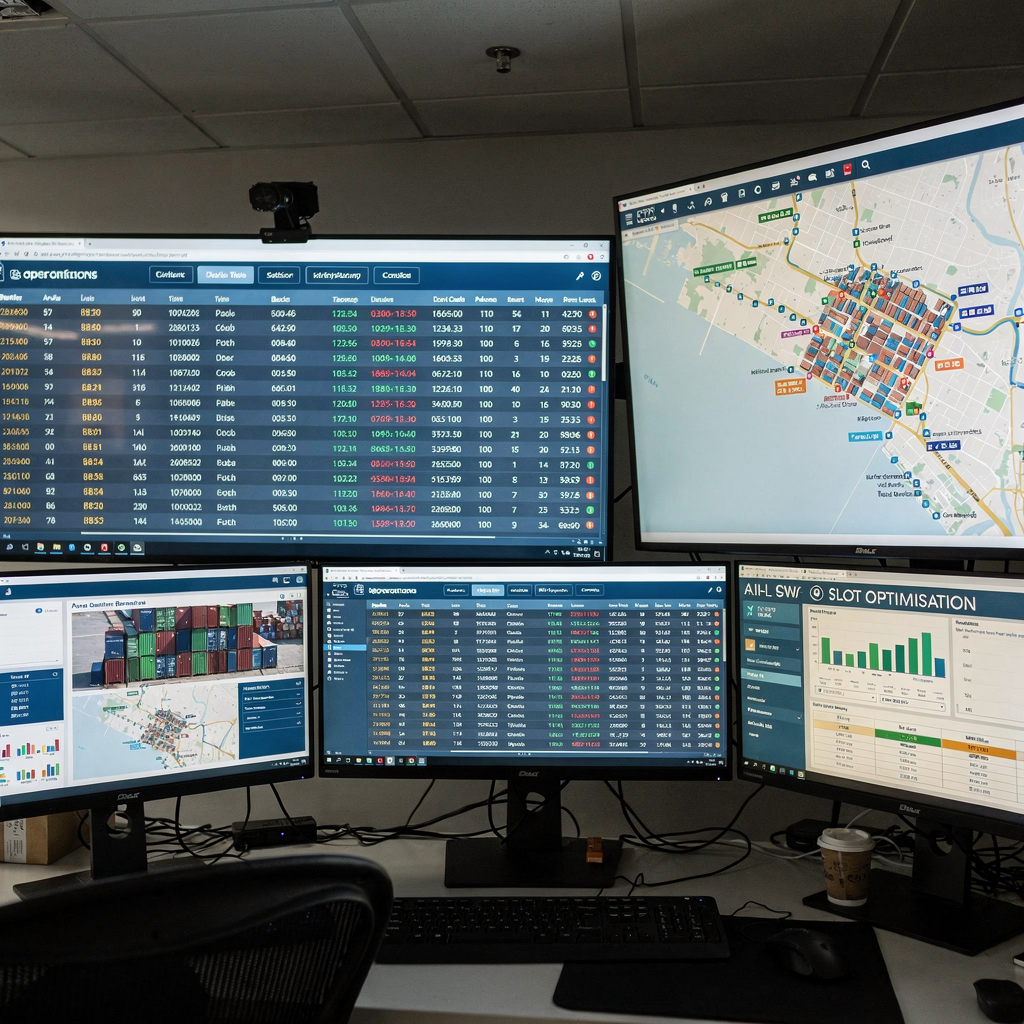
Automation also extends to emails and to exception handling. For teams that still depend on manual inbox triage, AI agents can read intent, find missing paperwork and draft responses. With faster email resolution carriers and terminals see fewer late gate arrivals and a steadier flow of containers to the quay.
Finally, a technical approach requires clean data. Ensure that booking updates, weight declarations and vessel schedules feed into a single source of truth. Regular update cycles and data governance keep the plan accurate. When users see the latest state everyone can make the right call fast and avoid costly fixes.
ship and international shipping: Best Practices for Seamless Operations
Cross-functional collaboration underpins reliable cut-off adherence. Create joint routines between carriers, terminal managers and inland hauliers. Daily calls and simple dashboards help teams to coordinate lift plans and to allocate yard space. When stakeholders meet early they can solve exceptions and reduce risk of missed sailings.
Case studies show that coordinated cut-off and stowage planning cut vessel waiting times. For instance, terminals that combine yard optimisation with predictive crane schedules reduce crane idle time and speed quay cycles; see multi-vessel crane scheduling work for related approaches crane scheduling optimisation. Other terminals use AI to improve yard stack density and to free slots for outgoing loads; that approach lowers dwell and makes the gate process simpler yard density prediction.
Adopt continuous improvement practices. Run post-operation reviews after every major voyage. Capture data on missed gates, on late documentation and on rehandles. Use those metrics to fix root causes and to train staff. Small process changes—like pre-gate scans or advance documentation checks—often cut delays more than big new systems.
Finally, keep a focus on reliability. Agree clear roles and escalation paths so that the terminal can escalate missing weight certificates or unclear carrier instructions. A single responsible contact reduces confusion and speeds fixes. Over time these best practices make the timetable more reliable and reduce the need for costly emergency moves.
FAQ
What is a cut-off and why does it matter?
A cut-off is the final deadline to hand cargo and documentation to the terminal or carrier for a specific voyage. It matters because missing it can lead to missed sailings, higher costs and berth congestion.
How do terminals communicate cut-off dates?
Terminals publish cut-off dates on booking confirmations and on port portals, and they send alerts when a booking approaches the deadline. Digital notifications and gate slot bookings improve transparency and reduce surprises.
What happens if a container misses the cut-off?
If a container misses the cut-off it may be moved to a later vessel, incur storage fees, or require rebooking with another carrier. The shipper often faces extra cost and a longer delivery time.
How does stowage planning affect vessel stability?
Stowage planning ensures correct weight distribution and safe placement of containers, which preserves vessel stability and prevents hazardous conditions at sea. Proper planning reduces on-board handling and supports timely departure.
Can technology help enforce cut-offs?
Yes. Automated stowage systems, real-time tracking and AI email automation help enforce cut-offs by identifying missing documentation and by optimising slot assignments. These tools reduce manual triage and speed decisions.
What role do carriers and alliances play in cut-off coordination?
Carriers and alliances define vessel schedules and rebooking rules, and they standardise cut-off procedures across trade lanes. Cooperation reduces the risk that a late box at origin will cause cascading delays.
How should a forwarder prepare to meet a cut-off?
A forwarder should confirm documentation early, book a gate slot, and verify weights before the container leaves the depot. Early validation reduces the chance that paperwork will block entry at the terminal.
Why is data governance important for cut-off management?
Accurate and timely data keeps vessel schedules and booking statuses current, which helps planners make the right decisions. Good governance prevents conflicting information and speeds fixes when issues arise.
What simple fixes reduce late arrivals at the gate?
Pre-gate checks for weight and documentation, scheduled booking reminders, and structured email automation to catch missing items are effective. These measures often cut delay more than large investments.
How can ports reduce berth congestion linked to missed cut-offs?
Ports can reduce congestion through shared schedules, predictive yard analytics and coordinated crane planning. Continuous reviews and targeted process changes help to keep vessels on time and to lower berth dwell.
our products
 stowAI
 stackAI
 jobAI
jobAI
Innovates vessel planning. Faster rotation time of ships, increased flexibility towards shipping lines and customers.
Build the stack in the most efficient way. Increase moves per hour by reducing shifters and increase crane efficiency.
Get the most out of your equipment. Increase moves per hour by minimising waste and delays.
stowAI
Innovates vessel planning. Faster rotation time of ships, increased flexibility towards shipping lines and customers.
stackAI
Build the stack in the most efficient way. Increase moves per hour by reducing shifters and increase crane efficiency.
jobAI
Get the most out of your equipment. Increase moves per hour by minimising waste and delays.