
Crane Productivity in Container Terminals
Crane productivity measures how fast a quay crew moves containers. In practice, teams report moves per hour (MPH) or gross moves per hour (GMPH) as the clear metric for operational performance. First, this metric links directly to berth utilization and vessel waiting times. Faster MPH shortens vessel time on berth and raises terminal throughput. For example, modern equipment often hits 30–40 MPH under optimal conditions, which sets operator expectations and planning targets (source). Second, when containerships grow, terminals must sustain higher sustained rates. Research from Busan New Port shows that larger container ships drive the need for sustained rates above 35 MPH to avoid bottlenecks (Busan New Port evidence). Third, improving the moves rate also reduces berth occupancy and the chance of terminal congestion. Reduced congestion leads to lower vessel waiting and faster truck turnaround. These outcomes matter to carriers and to the global supply chain, because shorter waiting yields predictable schedules and lower total cost.
At the quay, real terminal data and visual dashboards make this tangible. Teams watch GMPH and idle time closely. They tune staffing, yard plan, and equipment deployment to reach an optimum mix. For instance, integrating yard planning with quay work cuts double handling and reduces delay. Tools that show berth allocation and stacking status let planners exploit windows of opportunity. Also, clear KPI dashboards help crew and management agree on targets. Terminal performance then improves in a systematic way, and stakeholders see better productivity and profitability.
Finally, a holistic view links quay processes to gate flows, yard planning, and hinterland connections. Terminal operating systems and decision-making tools keep everyone aligned, so the gantry moves match yard pickups. Short, clear schedules help crews deliver consistent results, and training courses for operators improve speed without raising risk. In the next sections we explain key metrics, models, and real-time systems that help sustain and boost crane productivity across the terminal and maritime chain.
Key Metric for Crane Productivity Optimisation
The principal metric for measurement is GMPH. Use this metric to set targets, compare shifts, and spot trends. GMPH captures aggregate moves across all quay resources and normalizes for vessel size. When terminals apply targeted optimization programs, they often report GMPH gains of 10–20% within months (case evidence). This clear improvement ties directly to reduced vessel waiting and lower berth occupancy.

Real-time feeds power the GMPH dashboard. AIS vessel positions, crane sensors, and yard scanners stream updates and feed the visualization. This real-time view lets planners spot a slow period and adjust the schedule immediately. For example, predictive analytics detect an imminent slowdown and trigger preventive maintenance to reduce unplanned downtime. That process helps reduce breakdown events and keeps productivity steady. The dashboard also shows stack occupancy and truck appointment windows, so teams can tune berthing and yard moves to reduce congestion.
Terminals use the metric to optimize resource allocation. Planners compare predicted GMPH versus target and then deploy additional yard equipment or change a sequence. In some terminals, this dynamic tuning is automated inside a Terminal Operating System. That integration allows the TOS to reroute container handling and shift automated guided vehicles (AGVs) where needed. If the crew needs more context, the system surfaces real terminal data and recommended actions. This seamless flow from data analysis to action supports faster decision-making and improved scheduling efficiency.
Finally, companies that automate repetitive administrative tasks free time for planners to focus on operational improvements. This type of new solution reduces time lost in triage and helps teams deploy the right equipment and operator when the metric drops. As a result, ports can exploit short windows to boost throughput and sustain better terminal productivity.
Drowning in a full terminal with replans, exceptions and last-minute changes?
Discover what AI-driven planning can do for your terminal
Operational Berth Allocation and Crane Scheduling
Berth allocation and crane scheduling often determine the difference between smooth flow and costly congestion. Mathematical models, including mixed-integer linear programming, optimize berth allocation and crane assignment together. These models balance workload, minimize vessel service time, and avoid unnecessary gantry moves. When researchers apply these formulations, terminals can plan simultaneous assignments and reduce idle time. One major body of work notes, “Effectively managing berth allocation and crane scheduling is essential for optimizing port operations; failure to do so results in bottlenecks and reduced throughput” (study).
Effective berth allocation also supports crane split strategies. A crane split defines how many cranes work per vessel and how teams sequence moves. Thoughtful splits prevent overloads and reduce idle time at each end of the berth. Simulation studies and real projects show that optimizing the number of deployed yard cranes can lift daily throughput by up to 15% (RTG optimization). That gain matters when ports handle larger container ships and higher cargo density.
Scheduling efficiency increases when planners integrate preventive maintenance windows and spare capacity. Scheduling that accounts for inspection reduces the chance of unplanned downtime. For instance, aligning maintenance with low-demand windows prevents a sudden breakdown during peak service. Decision-making then becomes systematic instead of reactive. Operators can also use predictive analytics to forecast a probable breakdown and deploy replacement parts in time. The result is fewer delays and higher throughput during peak shifts.
Operational challenges extend beyond the quay. Yard planning and stack management must match quay rates to prevent pileups. Tools for automated yard planning and for reducing unproductive container moves help keep flows synchronized; see strategies for reducing unproductive container moves for more detail (internal link). In practice, a coordinated berth allocation and yard plan yields a holistic uplift in terminal performance and lowers carrier costs.
Container Service Excellence: Reducing Vessel Turnaround
Service level here measures berth productivity and vessel time on berth. Short vessel time on berth improves schedules and carrier satisfaction. To reduce vessel idle time, terminals optimize container sequencing and yard moves. Better sequencing means fewer reshuffles and faster handover to waiting trucks. For example, AI-enhanced berth-call optimization can deliver up to 25% efficiency improvements in sequencing and service delivery (AI case). That improvement cuts idle time and boosts throughput.
Yard planning that reflects quay sequence lowers relocation moves and stack interference. Simulation and scenario testing let planners preview outcomes and tune assignment parameters. Also, integrating stowage and yard planning reduces double handling; learn more about integrating stowage and yard planning for practical approaches (internal link). When yard moves align with the quay schedule, truck queues shrink, and vessel waiting drops. This also reduces the probability of terminal congestion and operational disruption.
Preemptive maintenance keeps cranes reliable and reduces breakdown events. Preventive maintenance schedules based on lifecycle data and predictive analytics can significantly reduce unplanned downtime. As a result, service levels remain high and operations across the terminal stay stable. In addition, training courses for operators and collaborative processes improve loading and unloading safety and speed. These human factors, combined with automation and better scheduling, create a repeatable service model that improves carrier satisfaction and supports global supply continuity.
Finally, terminals that tune their workflows and that deploy new solution stacks for digital decision-making see measurable gains. For more on advanced planning systems and digital transition, consult the container terminal digitalization roadmap (internal link). That resource outlines steps to align people, process, and technology to deliver faster turnaround and stronger service.
Drowning in a full terminal with replans, exceptions and last-minute changes?
Discover what AI-driven planning can do for your terminal
Terminal Automation and AI-driven Optimisation
Automation transforms manual crane operation into predictable cycles. Automated systems reduce human error and improve repeatable throughput. Compare manual versus automated quay crane operations and you often find higher reliability and lower variability with automation. AI algorithms then optimize movements and decide when to deploy extra resources. These algorithms adapt to real-time vessel arrival patterns and cargo mixes, and terminals that adopt them report substantial gains. For instance, some sites showed 20–25% improvements after AI integration (example).
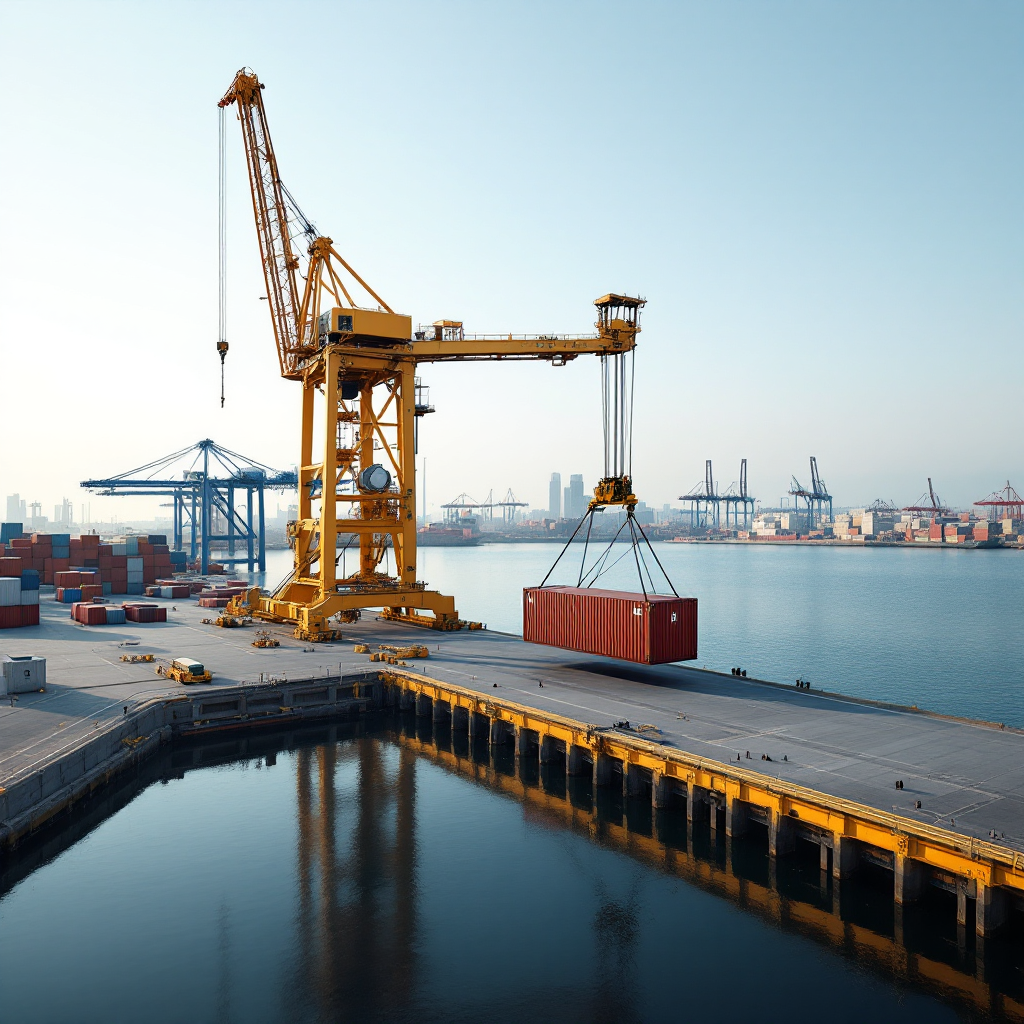
AI leverages predictive analytics to schedule maintenance, to reduce unplanned downtime, and to tune crane cycles. The system ingests real-time feeds from gantry sensors and yard scanners and then suggests precise moves. This real-time optimization improves scheduling efficiency and reduces delay. In addition, automated guided vehicles and AGVs move containers between quay and yard with minimal handoffs, and automated guided vehicles complement crane flows.
Seamless integration between the Terminal Operating System and crane controllers matters. When APIs link decision-making layers, the system can automatically adjust a schedule and dispatch equipment. For ports that want TOS-agnostic AI layers, best practices show how to build interoperability while keeping governance tight (internal resource). That faster reaction helps deploy spare equipment or crew when a predicted parameter crosses a threshold.
Automation also supports sustainability goals. Regenerative drives and energy-aware schedules lower power draw and cut energy cost. When AI coordinates moves with vessel arrival and yard flow, terminals reach an optimum that improves throughput while trimming carbon. The next generation of tools will further reduce operational disruption and help ports adapt to changing maritime demand.
Sustainable Practices to Enhance Crane Productivity
Sustainability and efficiency go hand in hand. Regenerative energy systems in STS and quay equipment return braking energy to the grid and reduce consumption. Cold ironing for berthed vessels cuts emissions and allows shore-side power to substitute onboard generators. These measures lower energy cost and reduce equipment wear. Studies link sustainable technologies to energy cost reductions of up to 10% and to longer equipment life (research). That lower cost leads to higher uptime and to a reduced chance a breakdown will disrupt service.
Terminals that invest in sustainability also see operational benefits. Reduced wear means fewer component replacements. That lower maintenance need helps reduce unplanned downtime and keeps schedules predictable. A holistic program that includes preventive maintenance, energy management, and staff training yields system-wide gains. For instance, detection systems for component stress feed predictive analytics and trigger preventive maintenance before a failure occurs.
Environmental improvements also support stakeholder goals. Carriers and regulators increasingly prefer ports with measurable sustainability outcomes. Ports that track emissions and energy intensity show clear gains in terminal efficiency and long-term competitiveness. These steps build resilience into the global supply chain, by making operations less prone to fuel price swings and regulatory shocks. In short, sustainable investments both protect the environment and enhance operational performance.
To sum up, sustainable technologies, combined with smart scheduling and better data analysis, create more reliable terminals. They boost throughput, reduce operational disruption, and offer a predictable, lower-cost operating model for carriers and for the wider maritime community. Ports that deploy these practices gain an edge in serving container ships and in supporting efficient logistics globally.
FAQ
What is the difference between MPH and GMPH?
MPH measures moves per hour for a single crane or shift. GMPH aggregates moves across multiple cranes and normalizes them for vessel size, which helps compare overall terminal productivity.
How much can optimization improve GMPH?
Targeted optimization programs often yield GMPH improvements of 10–20% within months based on case studies. These gains come from better scheduling, reduced idle time, and fewer unproductive relocations (case evidence).
Do automated systems always outperform manual operations?
Automation reduces variability and human error, and it often improves reliability. However, success depends on integration, crew training, and the quality of real-time data. The best outcomes combine automation with skilled oversight.
How does berth allocation affect vessel waiting?
Smart berth allocation reduces vessel waiting by matching berth space and crane splits to arrival times. Proper allocation avoids congestion and shortens vessel time on berth, improving carrier schedules.
Can AI reduce unplanned downtime?
Yes. Predictive analytics and AI detect wear patterns and imminent failures. They enable preventive maintenance, which helps reduce unplanned downtime and sustain service levels.
What role do AGVs play in terminal flows?
Automated guided vehicles move containers between quay and yard with consistency. AGVs cut handoffs and reduce yard congestion, which helps cranes maintain steady cycles and lower idle time.
How do sustainable technologies affect operational costs?
Regenerative systems and cold ironing lower energy consumption and equipment wear. These savings can reduce operational costs by up to about 10% while improving uptime and reducing breakdown frequency (study).
What internal systems should integrate for real-time optimization?
Terminal Operating Systems, crane controllers, and yard planning tools should integrate. Seamless APIs let decision-making layers share real-time data and automate responses to changing operational demands.
How can small teams reduce email burden while improving response speed?
Automating the email lifecycle with AI agents cuts triage time and surfaces critical context.
Where can I find practical guides on quay crane scheduling?
Practical approaches and models appear in specialist resources on quay crane scheduling and deepsea port solutions. For implementation guidance, see studies on quay crane scheduling and the container terminal digitalization roadmap (quay crane scheduling) and (digitalization roadmap).
our products
 stowAI
 stackAI
 jobAI
jobAI
Innovates vessel planning. Faster rotation time of ships, increased flexibility towards shipping lines and customers.
Build the stack in the most efficient way. Increase moves per hour by reducing shifters and increase crane efficiency.
Get the most out of your equipment. Increase moves per hour by minimising waste and delays.
stowAI
Innovates vessel planning. Faster rotation time of ships, increased flexibility towards shipping lines and customers.
stackAI
Build the stack in the most efficient way. Increase moves per hour by reducing shifters and increase crane efficiency.
jobAI
Get the most out of your equipment. Increase moves per hour by minimising waste and delays.