
terminal operating system in container terminals: definition and importance
A terminal operating system is software that coordinates the core tasks in container terminals. It schedules moves, logs container inventory, routes vehicles, and tracks equipment. At its heart, a terminal operating system links yard planning, gate operations, and vessel schedules into a single operating rhythm. The system provides comprehensive visibility and control so teams can plan and act with speed. For example, a modern container terminal operating system synchronises quay work with yard stacking and gate flows to reduce clashes and idle time. As a result, terminals can handle more TEU per shift and reduce delays.
Specifically, the TOS synchronises yard planning, gate operations and vessel schedules by sharing live plan updates. First, yard management assigns slots and predicts stacking. Next, gate software validates bookings and updates container status in real-time. Then, vessel planners sequence containers to maximise crane productivity. The workflow reduces manual errors and allows terminal operators to optimize resources across quay and yard. This coordination directly affects throughput and turnaround times.
Industry studies show quantified benefits from using systems like this. Terminals that implement advanced TOS solutions report as much as a 30% increase in operational efficiency and a 25% reduction in container dwell time when they pair good process with automation and real-time dashboards (Best Terminal Operating Systems (TOS) of 2026 – SourceForge). In addition, real-time asset management dashboards can raise equipment utilisation by about 20% when terminals adopt a coherent management approach (Improving Terminal Asset Management – TOS).
Terminal operators to optimize throughput must choose a system that supports integration, clear user interface, and strong reporting. A good TOS is a critical operational system that helps staff manage container movements, reduce rehandles, and improve productivity. For more on comparing systems and simulation-led evaluation, see a practical guide to container terminal simulation vs TOS.
contpark and tos functionality: optimising yard and gate operations
ContPark is built as a modular platform that focuses on practical yard management, container tracking and equipment control. The design separates core functions into modules so terminals can add features without replacing the whole system. For example, a yard module handles live yard maps and stacking rules. An equipment control module assigns container handling equipment to tasks and monitors status. A gate module processes arrivals, validates EDI documents, and updates container status fast.
ContPark is a unique saas that integrates EDI, vehicle booking, and container inventory management with a live yard view. The system offers full control of container operations and provides a history for each container to speed audits. This history for each container helps planners and gate clerks avoid disputes and process exceptions quickly. Also, ContPark supports the optimization of carrier planning and the optimization of carrier resources to align truck windows and vessel calls.
Real-time dashboards in ContPark enable informed decisions at gates and depots. The dashboards show gate queues, berth windows, and handling equipment availability. Therefore dispatchers react earlier and assign moves to the right handling equipment. As an example, a medium-sized container port cut average gate processing time with better sequencing and improved equipment control. Systems like ContPark provide comprehensive terminal operating system functions that enhance operational efficiency and reduce turnaround times (What are Cloud Terminal Operating Systems and How They Improve …).
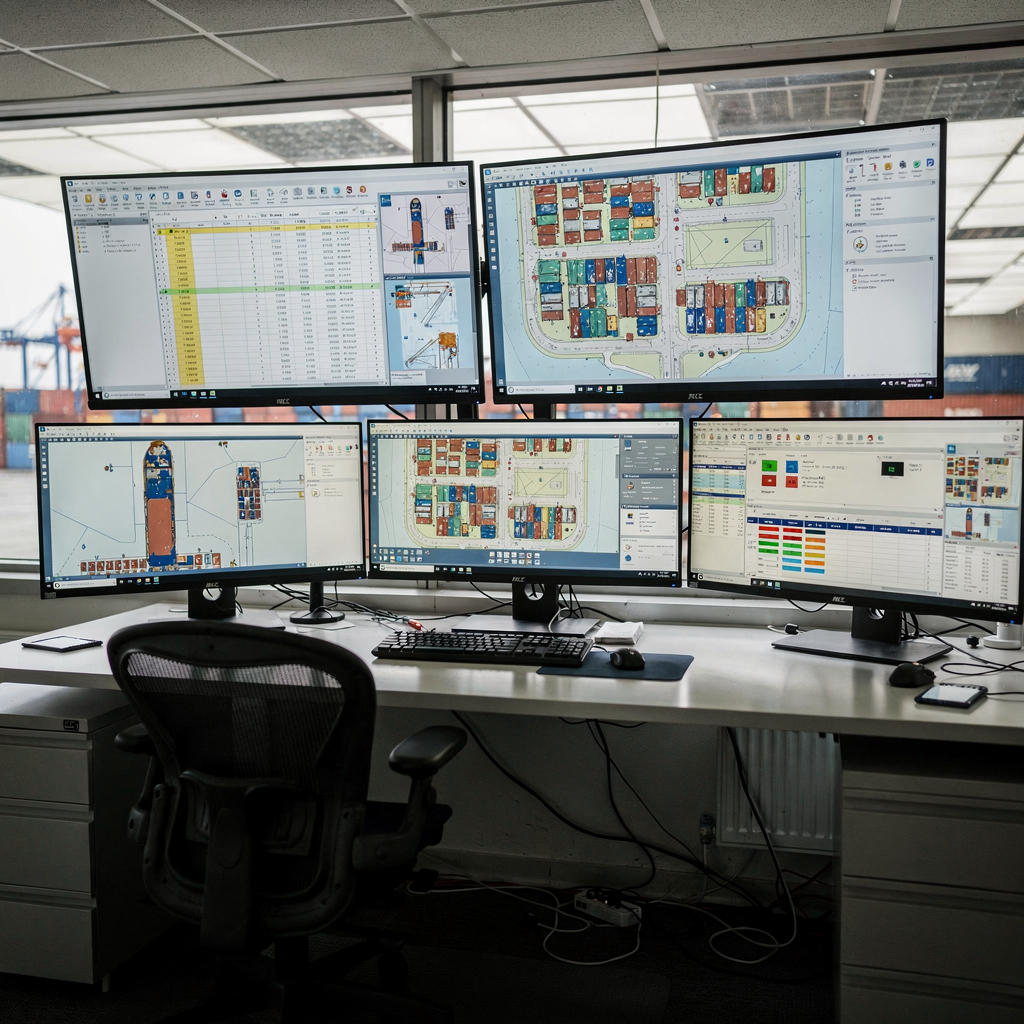
Case examples show throughput improvements when a TOS streamlines yard operations. One report links better planning and reduced dwell time to faster hand-overs and fewer rehandles. For practical modelling and to test yard rules before rollout, explore tools for simulate yard operations and TOS integration. Also, ContPark supports connections to external systems such as legacy terminal equipment controllers and third-party fleet telematics to create a seamless flow of data and actions.
Drowning in a full terminal with replans, exceptions and last-minute changes?
Discover what AI-driven planning can do for your terminal
best terminal operating systems: metrics for assessing the best terminal operating solutions
Choosing the best terminal operating systems depends on measurable criteria. Start with usability. A clear user interface and predictable workflow shorten onboarding and reduce manual errors. Next, evaluate integration. The top terminal operating solutions must link to vessel systems, truck booking, and third-party logistics via EDI and APIs. Then consider scalability. A system that scales from a pilot block to full yard avoids costly rip-and-replace projects. For benchmarking, look at KPIs such as moves per hour, gate throughput, and equipment utilisation.
Metrics matter. Equipment utilisation measures how well container handling equipment like RTGs, straddles, and yard cranes are used. Industry dashboards report up to 20% higher equipment utilisation with cloud-enabled asset visibility and better scheduling (Improving Terminal Asset Management – TOS). Throughput per berth and reduction in dwell time are also key. For example, systems that synchronise quay sequences with yard allocation can reduce container dwell and thus improve berth productivity (Best Terminal Operating Systems (TOS) of 2026 – SourceForge).
Compare ContPark with other platforms by looking at real metrics. ContPark supports a live yard, container inventory management, and equipment control while providing APIs to integrate external systems. Other systems such as Opus Terminal or Navis N4 each suit different terminal profiles; compare them through simulation and planning tools like Opus Terminal Operating System or the Navis N4 overview at Navis N4 terminal operating system. Use sandbox simulations to test workflows and measure improvements before committing to a full roll-out (terminal operating system simulation integration).
Finally, assess whether a system supports critical operational system features such as container inventory management, EDI handling, and intermodal connections. The best systems facilitate visibility and control and offer tools to streamline operations for ports that handle mixed cargo, break bulk, and container storage.
cloud-based terminal operating system: integrating IoT for real-time cargo tracking
A cloud-based terminal operating system connects IoT sensors, mobile devices, and legacy IT to deliver real-time insight across yard and quay. By design, cloud platforms centralise data from RFID gates, truck scanners, crane sensors, and on-vehicle telematics. This gives teams actionable real-time data so they can optimize assignments and reduce idle time. In addition, cloud architectures let teams scale compute during peaks while keeping costs predictable via SaaS pricing.
Connecting IoT enables predictive maintenance and dynamic resource allocation. For example, vibration and temperature sensors on container handling equipment feed alerts that trigger maintenance jobs before a breakdown. Consequently, downtime falls and productivity rises. Studies show a roughly 20% improvement in equipment utilisation when terminals adopt integrated asset dashboards and cloud workflows (Improving Terminal Asset Management – TOS).
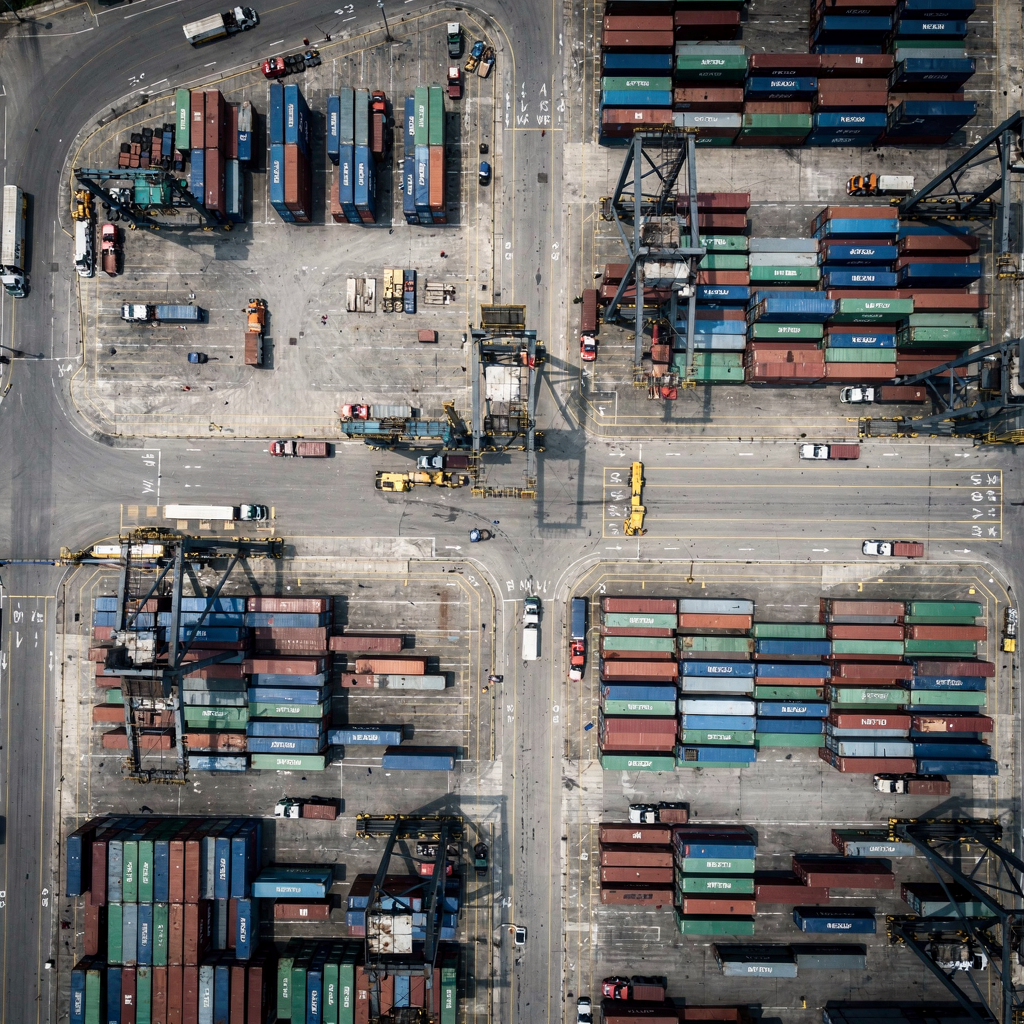
Cloud solutions support real-time cargo visibility and enable predictive analytics. For instance, dynamic slotting can reduce rehandles and shorten driving distance for straddle carriers. Also, cloud-based systems often integrate with AI tools for planning and can exchange EDI messages with shipping lines. As a result, terminals can manage container with general cargo. contpark connects to IoT and EDI to support fast, reliable decision flows.
For terminals that want to assess cloud benefits, simulation is useful. Testing under virtual peak scenarios shows how a cloud-based terminal operating system scales and how it affects turnaround times. For simulation resources and scenario testing, review what-if scenarios for terminal TOS and TOS planning simulation software. In short, cloud integration with IoT enhances visibility, supports predictive maintenance, and helps terminals streamline operations for mixed cargo and intermodal flows.
Drowning in a full terminal with replans, exceptions and last-minute changes?
Discover what AI-driven planning can do for your terminal
cargo terminal and depot management: improving cargo throughput and storage
Cargo terminal and depot management depend on stacking strategies, slot allocation, and fast hand-overs. A TOS supports container storage rules, container handling equipment allocation, and live yard maps to reduce congestion. With clear stacking rules, terminals avoid unnecessary reshuffles and protect expected vessel sequences. This improves productivity and reduces rehandles.
ContPark supports automated yard cranes and AGVs as part of a broader automation strategy. It assigns tasks to equipment and monitors execution in real-time, which reduces manual moves and saves energy. The system offers container inventory management and a clear history of movements, which reduces disputes and speeds audits. In practice, terminals using automation plus a strong TOS see shorter driving distances, better balance of workloads, and lower gate queues.
Depot and yard management features also include live yard maps, slot blocking by vessel or carrier, and movement and storage rules for different cargo types. For example, liquid bulk and bulk cargo need separate handling and storage planning. ContPark provides tools for break bulk, mixed cargo operations, and container with general cargo. contpark supports the optimization of carrier schedules and coordinates intermodal handovers to keep equipment aligned with demand.
Terminals also rely on measurement. Benchmarks on container throughput and equipment utilisation show that improved yard operations reduce congestion and speed container hand-overs. To simulate improvements and forecast benefits, terminals often use digital twins and simulation tools. Read about terminal layout optimisation and simulation to explore how layout changes affect flow (terminal layout optimisation simulation). By combining automation, TOS features, and better depot and yard management, a modern terminal achieves higher throughput and lower turnaround times.
software development trends in container terminal operating system and tos evolution
Software development for TOS now emphasises microservices, APIs, and low-code platforms. These architectures let vendors deliver incremental features and integrate rapidly with external systems. As a result, terminals can pick best-of-breed modules for gate, yard management, and vessel planning without full replacement. API-first design also simplifies connections to equipment telemetry and third-party telemetry platforms.
Looking forward, the next generation of TOS will embed AI-driven planning and digital twins. AI agents will recommend stowage, balance yard slots, and optimise crane sequences in seconds. For instance, reinforcement learning can train policies that reduce rehandles and balance quay and yard KPIs. Loadmaster.ai applies RL agents to produce robust policies that adapt to new vessel mixes and disruptions. These agents reduce reliance on historical models and avoid the common issue where supervised models reproduce past inefficiencies.
Continuous deployment keeps systems aligned with evolving standards. A SaaS delivery model and cloud-based system allow terminals to receive regular updates and security patches. This supports compliance with new regulations and the EU AI Act. In addition, modular TOS technology facilitates experiment-driven improvements while protecting operations with guardrails. To evaluate new releases safely, terminals use simulation for TOS decision support and sandbox testing; see tools for simulation for terminal operating system decision support.
Finally, best practices in software development include observability, automated testing, and user-centered design. These practices reduce manual errors and improve the user interface for planners and gate staff. As systems evolve, they will provide better visibility and control, support the optimization of carrier resources, and facilitate faster, more informed decisions for ports and terminals that aim to enhance operational efficiency.
FAQ
What is a terminal operating system and why does it matter?
A terminal operating system is software that manages container operations, yard planning, gate flows, and equipment tasks. It matters because it coordinates activities to reduce delays, lower manual errors, and enhance productivity across a cargo terminal.
How does ContPark improve yard management and gate operations?
ContPark provides modules for live yard maps, equipment control, and gate processing to streamline workflows. It connects EDI and telematics to give real-time visibility so staff can make informed decisions faster.
Can a cloud-based terminal operating system support IoT devices?
Yes. A cloud-based terminal operating system aggregates data from IoT sensors, mobile devices, and legacy IT to deliver real-time data for planning and maintenance. This enables predictive maintenance and dynamic slotting to reduce downtime.
What metrics should terminals use to compare TOS options?
Terminals should measure moves per hour, gate throughput, container dwell time, and equipment utilisation. They should also test usability and integration via sandbox simulations before making large investments.
Does ContPark handle mixed cargo and break bulk?
ContPark is designed to support various types of cargo including mixed cargo operations and break bulk handling. It includes rules and storage strategies to separate container, bulk cargo, and liquid bulk where needed.
How do AI and simulation change terminal planning?
AI and simulation let terminals test scenarios and train agents that can recommend better stows and yard placements. This reduces rehandles and produces more stable outcomes across shifts, even with changing vessel mixes.
What integrations are important for a modern TOS?
Important integrations include EDI with carriers, APIs for equipment telemetry, and connections to legacy terminal management software. These integrations ensure that data flows seamlessly and that operators have full control over operations.
How can terminals test a new TOS without disrupting operations?
Terminals can use digital twins and simulation to trial workflows and software updates in a sandbox. This allows planners to measure effects on throughput and turnaround times before live deployment.
Is ContPark suitable for small and medium-sized terminals?
Yes. ContPark scales from medium-sized container operations to larger ports by offering modular features and cloud options. It supports use cases from depot and yard management to automated equipment control.
Where can I learn more about simulation and TOS integration?
Explore resources on simulation for terminal decision support and TOS planning simulation software for practical guidance. For example, see Loadmaster.ai pages on TOS planning simulation software and TOS modelling and simulation tools for implementation insights.
our products
 stowAI
 stackAI
 jobAI
jobAI
Innovates vessel planning. Faster rotation time of ships, increased flexibility towards shipping lines and customers.
Build the stack in the most efficient way. Increase moves per hour by reducing shifters and increase crane efficiency.
Get the most out of your equipment. Increase moves per hour by minimising waste and delays.
stowAI
Innovates vessel planning. Faster rotation time of ships, increased flexibility towards shipping lines and customers.
stackAI
Build the stack in the most efficient way. Increase moves per hour by reducing shifters and increase crane efficiency.
jobAI
Get the most out of your equipment. Increase moves per hour by minimising waste and delays.