
Optimization in Container Terminal Workflow
Optimization in a terminal context means matching resources to demand and doing so fast and accurately. It covers scheduling, allocation, tracking, and decision support. The aim is to reduce waits and to improve flow of goods and to lower costs. In practice, teams seek to maximize throughput and to minimize delays, and to improve crane productivity. For example, a systematic review found that optimization techniques are a “regular feature of maritime logistics and maritime supply chain literature” and that they drive terminal efficiency source. This is true across ports and terminals where even small improvements in slot utilization and crane productivity add up quickly.
Real-time planning matters. When planners have real-time and accurate data they can optimize vessel sequences and reduce vessel idle time. Real time tracking of berths, crane moves, and yard slots lets teams reduce turnaround times and rehandles. Terminal operators can then focus on operational tasks that need human judgment. This reduces the manual triage that slows decisions, and it frees managers to act on exceptions.
Key objectives are clear. First, maximize throughput through better berth and QC allocation. Second, minimize vessel turnaround times and reduce vessel fuel burn. Third, improve staff and equipment utilization to gain greater efficiency. Tools range from management software to simulation tools and to specialized software that supports yard planning and stowage. Many terminals now use a terminal operating system and a management system that integrate scheduling, gate operations, and cargo handling. For more on digital transformation and the planning layer see the container terminal digitalization roadmap digitalization roadmap.
To get results, teams use data and rules and automation together. They monitor KPIs and they use business intelligence to spot trends. They also run scenario tests and simulation tools to validate plans and to measure terminal efficiency. As a result, operations to maximize throughput become repeatable. This gives a competitive edge in an era when global supply chain disruptions can shift volumes quickly and when port throughput matters to shipping lines and shippers alike.
Vessel Planning and Terminal Operations Coordination
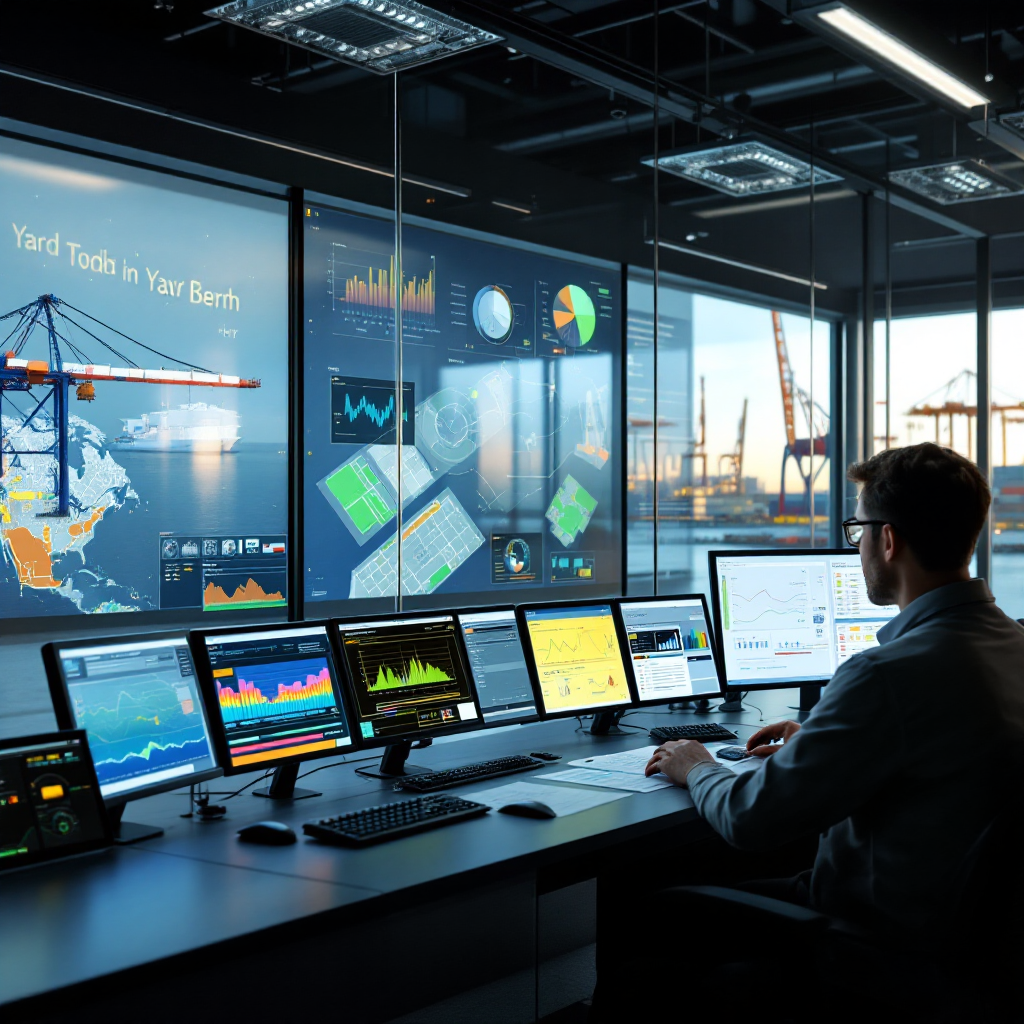
Vessel planning sits at the center of terminal operations and it links ship schedules to quay, yard and gate actions. Effective vessel planning balances berth timing, crane assignment, and container yard moves. The goal is to minimize vessel turnaround times and to reduce delays caused by late arrivals or tidal restrictions. A strong plan coordinates vessel operations with gate operations and with truck appointments. When done well it reduces queuing and it streamlines the flow of goods on and off the quay.
There are several berth allocation methods. Some ports use first-come-first-served. Others use optimization algorithms to assign berths to ships based on draft, arrival window, and cargo profile. Research highlights the benefits of integrated berth-and-quay-crane allocation especially in tidal terminals where water depth constraints matter integrated allocation study. Planners now rely on machine learning and predictive arrivals to cope with variability. These models forecast ETA changes and help adjust crane schedules before ships arrive. Combining forecasts with simulation tools lets planners test what-if scenarios and to choose the least disruptive plan.
Challenges remain. Variable arrival times and unexpected equipment faults force mid-operation changes. Tidal constraints and draft limits require bespoke berth windows. In response, modern terminal operations combine a terminal operating system (tos) with planning modules and with a management system that can adapt schedules quickly. Terminals also use terminal operations management practices to coordinate labor and to minimize rehandles and stacking conflicts. For deeper coverage of crane scheduling techniques see quay crane scheduling solutions for deepsea container ports quay crane scheduling.
To respond faster, terminals that integrate planning with yard planning and stowage reduce conflicts. For instance, integrating stowage and yard planning in port operations helps align moves and to reduce driving distances for yard vehicles integrating stowage and yard planning. That lowers handling time and increases slot utilization. In short, coordinated vessel planning and terminal operations management improves operational performance and keeps cargo moving through the port and terminal with fewer disruptions.
Drowning in a full terminal with replans, exceptions and last-minute changes?
Discover what AI-driven planning can do for your terminal
Port Logistics: Berth and Crane Allocation
Port logistics require precise timing and clear rules for resource use. Berth and crane allocation decisions determine how quickly ships are served and how efficiently cargo is moved. Effective allocation reduces waiting time, increases utilization and cuts costs. Many terminals now use a mix of manual scheduling and automated optimization to reach the right balance. Manual methods still work for small ports but they struggle under volume fluctuations and complex constraints.
Automated berth assignment uses optimization algorithms, and it can account for draft, tidal windows and crane reach. It also factors in container and equipment availability and the space utilization of the yard. When a terminal uses software solutions that combine berth allocation with container yard planning, it improves slot utilization and reduces rehandles. Studies show that applying data-driven approaches and simulation models to crane scheduling increases crane productivity and port throughput operational performance using data science.
Comparison matters. Manual versus automated assignment shows clear trade-offs. Manual work can adapt to nuance. Automated tools scale better, and they give consistent plans. The best terminals use a hybrid approach. They run an automated plan and then let a planner adjust it based on local knowledge and exceptions. This approach helps terminal operators and helps the operations team act fast during disruptions.
Key tools include simulation tools and optimization modules. These modules run allocation scenarios and then recommend the best plan. Some optimization modules include yard and berth logic, and they model stack behavior like rehandles and slot utilization. The outcome is measurable. Research and practice show that terminals that apply such techniques reduce vessel turnaround times and reduce costs while increasing throughput and crane productivity. For practical techniques on reducing crane idle time see reducing crane idle time in deepsea container ports reducing crane idle time.
Management Software to Streamline Scheduling
Management software now underpins scheduling and day-to-day operations. Modern tools provide visibility across yard, quay and gate. They combine predictive analytics, dashboards, and alerts. They also allow teams to automate routine tasks and to focus on exceptions. A good management system links ERP and tos data so planners see a single source of truth. That reduces duplicate work and it raises confidence in the schedule.
Leading management software offers features such as real-time tracking, predictive arrival models, and dashboard reporting. These features help teams to predict congestion and to adjust assignments early. For example, a management system that links truck appointments to yard plans reduces gate congestion and improves truck turnaround times. Companies that adopt specialized software and software solutions often report measurable gains in terminal efficiency and throughput.
Case studies show benefits. One mid-size terminal used an advanced management software package and saw improvements in slot utilization and crane productivity. Another marine terminal applied predictive machine learning to arrival patterns and cut waiting times by a measurable margin. Research suggests “new technologies such as big data, data mining, and simulation models … enabling optimization and performance evaluation” in terminals data science study. To explore modern planning systems and API layers for inland terminals see tos-agnostic API layers for AI optimization tos-agnostic API layers.
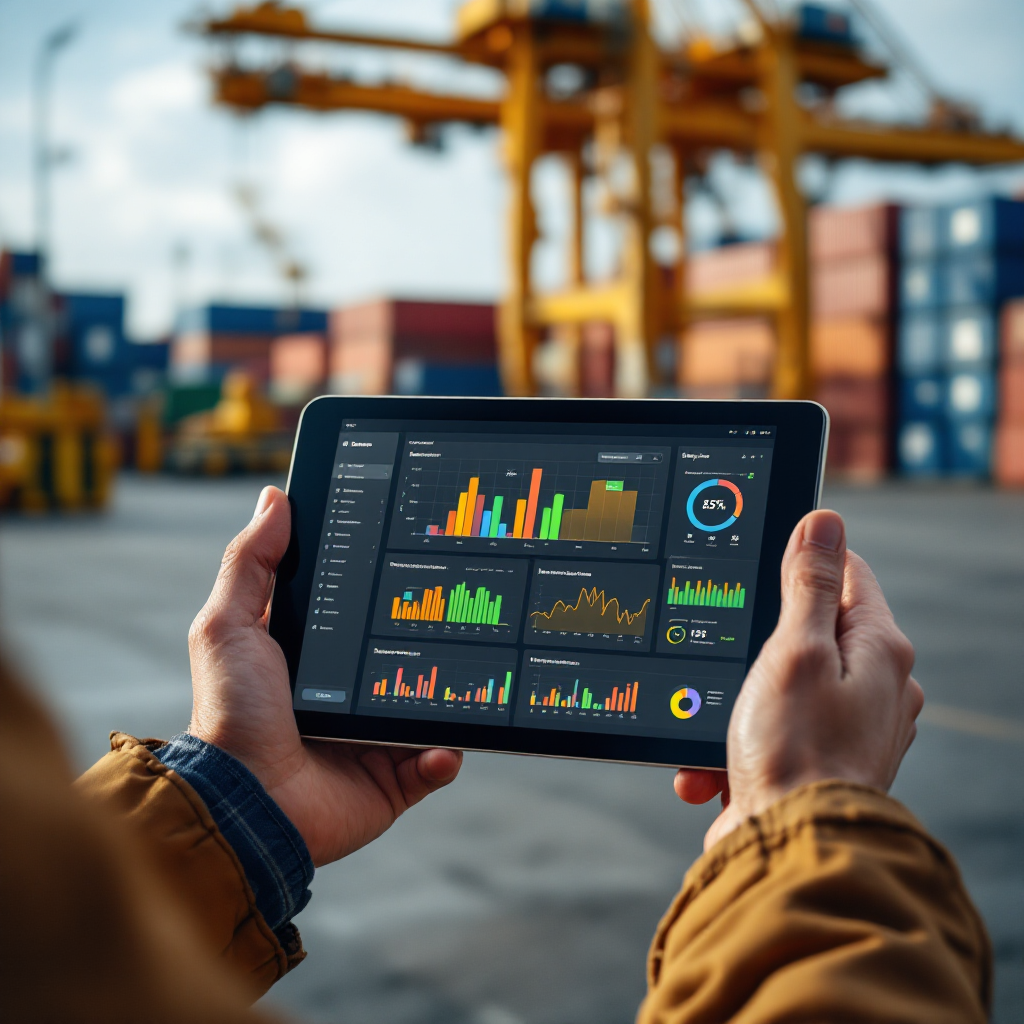
Additionally, management tools often include business intelligence and dashboards that show KPIs such as port throughput, vessel turnaround times, and space utilization. These dashboards support decisions that reduce costs and that improve efficiency and productivity. This removes a hidden friction point in many terminal and logistics operations and it speeds response to changing conditions.
Drowning in a full terminal with replans, exceptions and last-minute changes?
Discover what AI-driven planning can do for your terminal
Seamless Optimization Modules for Resource Control
Optimization modules allow terminals to coordinate berth, crane and yard functions seamlessly. These modules run allocation logic, and they recommend actions that reduce rehandles and that increase slot utilization. They include berth modules, crane modules, and container yard planning modules. Each module uses operational data and optimization algorithms to propose a plan that is feasible and efficient. Teams then adjust or approve the plan.
AI-driven modules adapt as operations unfold. For example, a crane module can re-prioritize moves if a vessel arrives early. A yard module can reassign slots when a stack gets congested. These modules work best when they integrate with the terminal operating system and with a management system. Integration provides visibility across processes and it enables smoother handoffs. The result is a more predictable flow and fewer delays throughout the terminal.
Practical examples exist. Simulation studies and live trials show that optimization modules decrease vessel turnaround times and that they reduce driving distances for yard vehicles. They also reduce rehandles and improve crane productivity. When modules include machine learning they can learn patterns in arrivals and workload and they can suggest better allocation. For methods to minimize yard reshuffles and to optimize empty container repositioning, terminals can rely on targeted algorithms and on simulation tools automated yard planning.
Optimization modules also link to business processes and to day-to-day operations. They can automate routine email tasks and route exceptions to the right person. Together, optimization modules and email automation help terminal operators maintain operational efficiencies and to secure a competitive advantage in a tight market.
Terminal Performance Monitoring and Future Trends
Monitoring terminal performance depends on the right KPIs and on visible data streams. Common KPIs include vessel turnaround times, crane productivity, slot utilization, gate throughput and yard space utilization. These metrics show where to act and how to invest. The Container Port Performance Index highlights how time-efficient container ports can save fuel and emissions for vessels, demonstrating environmental benefits tied to terminal efficiency CPPI report.
Environmental gains are real. Reduced vessel idling and improved berth schedules cut emissions and reduce costs. Terminals that automate processes and adopt electrification and digital twin platforms can see measurable reductions in fuel use. Research also shows that investment in infrastructure and in operational data systems is necessary to keep pace with growing trade and with ships that carry more containers emerging tech review.
Future trends are clear. Automation and electrification will continue to spread. Digital twin and simulation tools will let teams test scenarios without disrupting operations. Machine learning will support predictive arrivals and stowage decisions. Terminals that integrate these technologies with a strong terminal operating system and with resource management tools will gain a long-term competitive edge. For more on AI-driven decision support and on digital replicas for scenario simulation see AI-based decision support and digital replica resources AI decision support and digital replica.
Finally, terminals that couple specialized software, management tools and email automation will operate more smoothly. They will reduce costs and they will improve visibility across systems. They will support global supply chain resilience and they will help terminal operators manage peak volumes. As the logistics industry evolves, terminals that invest in people, processes, and technology will secure greater efficiency and will remain central to global trade.
FAQ
What is vessel planning in a terminal context?
Vessel planning is the process of scheduling ship arrivals, berth assignment, and crane allocation to handle cargo efficiently. It aligns vessel operations with yard and gate activity to minimize vessel turnaround times and to keep cargo moving.
How do berth and crane allocation affect port throughput?
Berth and crane allocation determine how quickly ships are serviced and how fast containers move through the terminal. Proper allocation reduces waiting time and increases crane productivity, which improves port throughput and terminal efficiency.
What role does a terminal operating system (tos) play?
A tos provides the operational backbone by recording bookings, tracking moves and by coordinating gate operations and yard planning. It integrates with management software and with ERP systems to give a single source of operational data.
Can automation and machine learning reduce vessel turnaround times?
Yes. Automation speeds routine tasks and reduces human delays, while machine learning predicts arrival patterns and recommends scheduling adjustments. Together they cut waits and help optimize container and equipment use.
What is the value of simulation tools in terminal planning?
Simulation tools let planners test scenarios, such as berth changes or equipment failures, without disrupting live operations. They also quantify potential gains in slot utilization and in reduced rehandles.
How do terminals measure performance?
Terminals track KPIs like vessel turnaround times, crane productivity, slot utilization and gate throughput. These metrics help identify bottlenecks and guide investments in equipment or software solutions.
What environmental benefits come from better planning?
Better scheduling reduces vessel idling and berth waiting. That lowers fuel consumption and emissions and improves the terminal’s environmental footprint and cost base.
It pulls context from ERP, WMS and TMS so planners can act faster on exceptions and on scheduling changes.
What modules should a modern planning stack include?
A modern stack should include berth and crane modules, container yard planning, and optimization modules for allocation and stowage. It should also provide business intelligence and visibility across systems.
How can terminal operators prepare for future trends?
Operators should invest in electrification, automation, and in digital twin platforms so they can test scenarios and scale operations. They should also adopt specialized software and management tools that integrate operational data for better decision-making.
our products
 stowAI
 stackAI
 jobAI
jobAI
Innovates vessel planning. Faster rotation time of ships, increased flexibility towards shipping lines and customers.
Build the stack in the most efficient way. Increase moves per hour by reducing shifters and increase crane efficiency.
Get the most out of your equipment. Increase moves per hour by minimising waste and delays.
stowAI
Innovates vessel planning. Faster rotation time of ships, increased flexibility towards shipping lines and customers.
stackAI
Build the stack in the most efficient way. Increase moves per hour by reducing shifters and increase crane efficiency.
jobAI
Get the most out of your equipment. Increase moves per hour by minimising waste and delays.