
Integration of IT Infrastructure and Legacy Systems
Start by mapping legacy systems and data sources. First, assess which legacy systems hold the most critical operational records. Next, document gaps in interfaces, protocols and data models. Then, prioritize assets that block real-time data exchange. A clear mapping helps teams decide where to integrate and where to replace. For example, port control systems and terminal operating systems often use proprietary formats. Therefore, middleware and API layers become essential. Use TOS-agnostic API layers to unify diverse system interfaces; this approach reduces rework and supports scaling across sites. See an example of TOS-agnostic API design for AI optimization in inland container terminals for practical guidance here. Also, adopt a standards-first mindset. That lowers friction with shipping lines, customs and supply chain partners.
Deploy middleware and RESTful APIs to orchestrate data. Then, create an event bus for streaming updates. In parallel, deploy edge gateways to bridge OT and IT. Use the internet of things for environmental, container flow and equipment telemetry. For example, sensor data from cranes and trucks will feed yard systems and berth planning. This enables real-time decision-making and reduces queue time. In practice, terminals that integrate telemetry improve throughput and reduce congestion.
Leverage cloud platforms and hybrid models. Edge compute handles low-latency control while the cloud stores long-term records. This split supports AI-driven analytics and predictive maintenance. Also, a centralized message schema simplifies partner onboarding. The transformation roadmap must include governance, access control and data lineage. Compliance checks protect customs, carrier and shipper data. One practical resource that outlines digital transformation steps for ports is available here. Meanwhile, operational teams can reduce manual workflow by automating email-driven tasks. This reduces reduced manual handling and frees staff for higher-value tasks.
Finally, plan for incremental adoption. First, connect high-value systems. Then, expand APIs across the ecosystem. Also, ensure vendor neutrality to ease future replacements. Assess integration costs, then allocate budget to the highest-impact interfaces. With clear mapping and middleware, the container terminal can connect OT and IT and create a seamless, data-driven foundation.
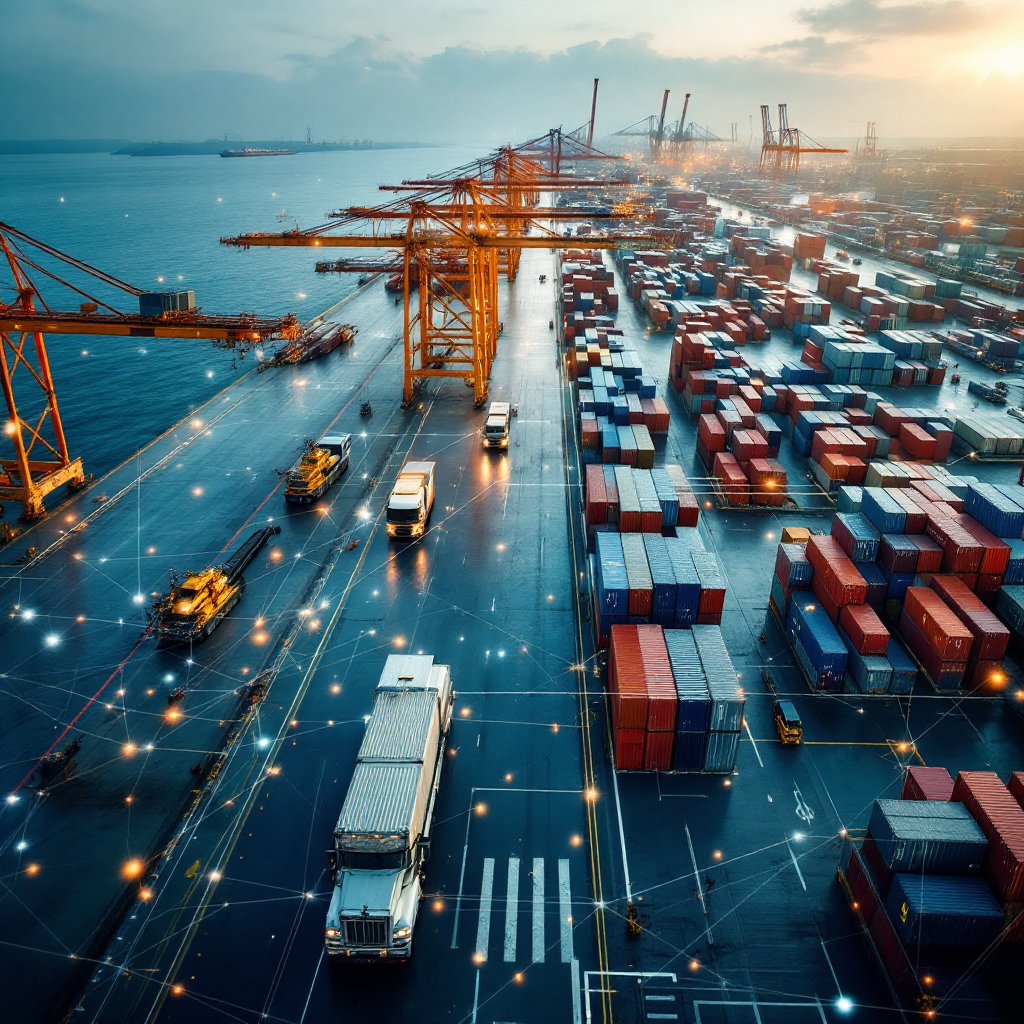
Port Architecture and Backbone Optimisation
Upgrade physical assets with a focus on modularity and connectivity. Begin by assessing existing crane, berth and yard layouts. Then, redesign layouts to reduce unproductive moves and to simplify berth planning. Use advanced quay crane scheduling and yard planning systems to orchestrate container flow and reduce reshuffles; practical examples of yard planning decision support are available here. Also, include berth planning in the roadmap to lower vessel turnaround time. A BCG benchmark shows up to a 30% reduction in turnaround with advanced digital programs here. This is evidence that investments in physical and software upgrades pay off.
Design a robust network backbone that blends edge computing and 5G. Edge nodes process telemetry from crane sensors, truck telematics and yard cameras. Then, aggregate streams into a secure core. This hybrid backbone boosts reliability and ensures low-latency control for automated equipment. Connectivity must support both real time control and historical analytics. Use redundancy and segmented networks to protect operations from cyber threats and to meet compliance. Also, choose scalable switches and modular fiber so upgrades follow demand rather than forcing rip-and-replace work.
Ensure the architecture can accept new technologies. A scalable, service-oriented architecture allows teams to plug in AI-powered planning modules, blockchain ledgers for documentation, and predictive maintenance systems. Adopt a microservices approach to enable faster deployment cycles. This reduces vendor lock and lets the operator swap components without downtime. Additionally, plan physical upgrades during low-traffic windows to minimize disruption. Design for maintenance access and for safe human-machine interaction zones. That enhances safety and long-term reliability.
Finally, measure gains and iterate. Establish KPIs for reliability, energy consumption and berth productivity. Then, track those KPIs and refine the backbone design. This approach creates a resilient architecture that supports both immediate automation and future digital innovation across the global container ecosystem.
Drowning in a full terminal with replans, exceptions and last-minute changes?
Discover what AI-driven planning can do for your terminal
Automation in Container Terminal Operations
Implement automation technologies in phases. Start with pilot projects, then scale successful pilots. Use automated guided vehicles, automated stacking cranes and AI-driven yard management to reduce manual touchpoints. These systems cut errors and improve throughput. The DCSA notes that many terminals have adopted automation and report significant gains here. Also, a report estimated 15–20% annual gains from digital programs here. Those figures justify staged investment.
Optimise resource scheduling with AI-driven orchestration. Use AI-driven task allocation to assign moves, and then measure cycle times. For yard crane scheduling, consider decision-support algorithms that reduce idle time and unnecessary container moves. A practical piece on yard crane scheduling and dispatching offers methods to reduce unproductive moves here. Also, integrate berth planning and vessel stow information to align vessel and yard schedules. That tight alignment reduces congestion and shortens vessel stays.
Enhance safety and re-skill staff. Automation reduces exposure to hazardous tasks, and it also changes operator roles. Create training programs that teach remote crane control, fleet supervision and system monitoring. Include human-in-the-loop checkpoints for exceptions. Also, use predictive maintenance to lower breakdown risk, and then extend equipment life. Predictive analytics on crane and AGV data helps plan service windows. This keeps availability high and reduces unexpected downtime.
Finally, manage change carefully. Communicate with unions and stakeholders from the start. Share performance data and outline retraining pathways. Also, automate only where it clearly improves outcomes. That avoids unnecessary disruption and supports a resilient, productive terminal that balances human skills with automation.
Digital Ecosystems for Supply Chain and Freight Visibility
Build unified platforms that connect shipping lines, customs, forwarders and logistics companies. Start by creating secure APIs for data exchange, and then publish clear schemas for message types. A port community systems approach reduces paper-based handoffs and speeds customs clearance. Also, promote standards to make onboarding predictable for carriers and shippers. When partners share common formats, transparency increases across the supply chain.
Use blockchain for secure and auditable documentation. Blockchain can record bills of lading, customs manifests and approvals. This reduces disputes and improves transparency for freight and cargo owners. In parallel, deploy real-time dashboards so logistics companies, truck operators and carriers can see container location and status. That visibility lowers dwell time and helps orchestration across intermodal legs. For intermodal coordination, introduce tracking that spans rail, truck and vessel moves. Then, use those feeds to predict handovers and to reduce queue time.
Enable real-time data exchange between operators and partners. Real-time data from sensors, gate systems and TOS reports allow forwarders to plan pickup windows. This reduces idle truck time and cuts congestion. Also, connect to customs and carrier portals for automated release workflows. That short-circuits many manual tasks and reduces errors. Using AI agents reduces handling time and gives partners timely, consistent responses.
Finally, measure end-to-end visibility with KPIs such as arrival-to-gate time and pick-up predictability. Then, iterate on platform features to improve those metrics. A transformation roadmap that includes digital ecosystems will unlock better coordination, faster cargo flow and a more transparent global container movement.

Drowning in a full terminal with replans, exceptions and last-minute changes?
Discover what AI-driven planning can do for your terminal
Resilience and Sustainability in Maritime Logistics
Adopt green technologies to reduce emissions and to meet regulatory targets. Electrification of yard equipment and shore power for vessels cut fuel use and local pollution. Also, invest in low-emission fuels where electrification is not yet viable. Track KPIs on energy consumption and emissions to measure progress toward sustainable targets. That transparency reassures regulators and community stakeholders. Ports that adopt sustainable practices often see improved community relations and long-term cost benefits.
Develop business continuity plans for weather events and cyber incidents. A robust continuity plan defines roles, recovery time objectives and communication channels. Also, test incident plans with realistic drills. One survey found that 78% of port and maritime terminal executives view cyber preparedness as a top priority here. Use that finding to justify investments in cyber resilience and in redundancy for critical connectivity. Additionally, maintain offline procedures for essential operations during prolonged outages.
Track operational uptime and reliability. Measure mean time between failures and recovery times for cranes, networks and software. Use predictive maintenance and AI-powered monitoring to anticipate component issues. This reduces unscheduled downtime and keeps throughput steady. Also, incorporate environmental monitoring to anticipate weather-driven disruptions. Then, reroute resources or adjust schedules proactively to protect vessel schedules and container flow.
Finally, embed sustainability in procurement and governance. Require energy metrics in vendor contracts. Also, link performance incentives to resilience and sustainability KPIs. This aligns stakeholder incentives and supports a long-term shift to greener, more resilient maritime logistics that balances community needs with operational goals.
Data Insight, Compliance and Intermodal Ecosystem
Apply advanced analytics and AI to turn data into insight. Use predictive analytics to forecast peaks, and then adjust staffing and equipment availability. Also, apply analytics to gate throughput and to yard utilization to identify bottlenecks. These insights support better decision-making and reduce congestion. For deeper optimization, consider AI-based decision support for tandem and twin-lift planning and for reducing reshuffles. Practical methods for automated yard planning are described in advanced planning resources here. That work helps operators reduce unnecessary moves and to increase throughput.
Establish cybersecurity measures and regulatory compliance as mandatory elements of the framework. Segment networks, implement identity management and perform continuous vulnerability scanning. Also, keep audit trails for customs and carrier interactions to meet compliance. Digital ecosystems must protect personal and commercial data, and they must satisfy customs rules and international standards. Compliance teams should partner with IT from the start.
Foster collaboration across the intermodal ecosystem. Link port community systems to rail terminals, trucking depots and inland depots. Then, share schedules and booking statuses to reduce empty moves. Use standardized message sets and transparent dashboards to align carriers, forwarders and shippers. That coordination reduces friction and shortens overall supply chain lead times.
Finally, create governance that aligns incentives. Define access rights, data ownership and dispute resolution rules. Then, monitor KPIs on visibility, reliability and sustainability. This data-driven governance drives continuous improvement and supports a resilient, scalable architecture for the container port and the wider supply chain.
FAQ
What is a transformation roadmap for a container terminal?
A transformation roadmap is a phased plan that guides technology, process and people changes at a terminal. It sequences upgrades, sets KPIs and aligns stakeholders so upgrades deliver measurable benefits.
How do I start integrating legacy systems?
Begin by mapping legacy systems and by documenting data formats and touchpoints. Next, prioritize middleware and API layers to create an integration backbone that supports future modules.
Which automation technologies should terminals adopt first?
Start with solutions that reduce manual moves and that improve safety, such as automated stacking cranes and gate automation. Then, expand to AGVs and AI-driven yard management as teams gain confidence.
How can terminals improve supply chain visibility?
Build unified platforms that connect carriers, forwarders and customs, and then publish real-time dashboards. Also, use blockchain to secure documentation and to improve transparency across partners.
What role does AI play in port operations?
AI provides predictive analytics, task allocation and anomaly detection in operations. AI can also automate routine email workflows, route exceptions and improve response times, which reduces operator workload.
How should I measure sustainability progress at a terminal?
Track KPIs for energy consumption, emissions and operational uptime. Also, measure electrification rates and shore power usage to quantify sustainable improvements.
What steps ensure compliance in digital ecosystems?
Implement identity and access controls, maintain audit logs and segment networks according to criticality. Also, engage customs and compliance teams early to map requirements.
How do ports maintain resilience against cyber threats?
Invest in continuous monitoring, incident response and regular drills. Also, apply network segmentation and multi-factor authentication to protect critical systems.
Can small terminals adopt these changes affordably?
Yes. Phased adoption, cloud services and shared community platforms lower upfront costs. Also, prioritize high-impact fixes and scale investments as benefits materialize.
Where can I find practical resources and case studies?
Look for vendor and industry resources on yard planning, quay crane scheduling and API integration. For example, in-depth guides on yard planning and crane scheduling help explain implementation details and common pitfalls.
our products
 stowAI
 stackAI
 jobAI
jobAI
Innovates vessel planning. Faster rotation time of ships, increased flexibility towards shipping lines and customers.
Build the stack in the most efficient way. Increase moves per hour by reducing shifters and increase crane efficiency.
Get the most out of your equipment. Increase moves per hour by minimising waste and delays.
stowAI
Innovates vessel planning. Faster rotation time of ships, increased flexibility towards shipping lines and customers.
stackAI
Build the stack in the most efficient way. Increase moves per hour by reducing shifters and increase crane efficiency.
jobAI
Get the most out of your equipment. Increase moves per hour by minimising waste and delays.