
commtrac tos and tba: an integrated terminal solution
CommTrac arrived as a focused terminal operating system for non-containerized environments. First, it targets bulk and breakbulk cargo handling. Next, it links vessel schedules, berth plans, and workforce deployment into one coherent view. The architecture uses modular services, responsive databases, and open interfaces so planners can act quickly. As a result, operators gain access to a unified management information stream that supports rapid decision-making and operational clarity. For context, users describe it as an integrated terminal management software solution that fits terminals handling varied loads.
At the core, the solution combines an operations module, equipment control module, reporting engine, and a permissions layer. The equipment control module speaks to cranes and stackers while the planning and superior equipment deployment features help match shifts to needs. Also, the system includes audit trails, encryption of sensitive records, and role-based access so teams comply with governance. The design supports a management software solution for bulk sites and enables a roll-out with clear change management steps. TBA Group brings product support and domain expertise. TBA provides consultancy, training, and project delivery to reduce risk during each installation. In fact, TBA’s commtrac tos has been adapted for mixed cargo operations and liquid bulk handling at specialist sites.
Finally, CommTrac sits alongside other tools. For planners who want decision support simulations, readers may explore simulations that compare TOS modelling approaches like our discussion on TOS modelling and simulation tools. Equally important, terminals that need to integrate will find clear API patterns and proven integration guides. In short, the commtrac terminal operating system fuses operational detail with vendor-led support so terminals can simplify routines and enhance throughput while protecting revenue.
terminal and cargo operations: real-time optimisation
Real-time visibility underpins modern terminal operations. CommTrac collects live feeds on vessel ETA, berth occupancy, and cargo movement. Consequently, planners see changes as they occur and they can reassign berths or crews within minutes. The platform supports vessel tracking and berth management so teams reduce idle time and improve predictability. Users report that real-time feeds help to optimise resource allocation, which reduces demurrage exposure and supports higher throughput and storage efficiency. For evidence of the system’s approach to live data, see the review that highlights its real-time cargo information and vessel position tracking here.
Berth assignment runs against rules and available assets. First, the system evaluates draft, available gangs, and equipment status. Then, it proposes allocations that meet safety and contractual constraints. In parallel, the platform manages personnel rosters and shift swaps so the right competence is on the quay. This approach reduces turnaround time and lowers the risk of fines from demurrage charges. At many sites operators report faster berth-to-berth handovers and measurable reductions in idle quay hours. Indeed, one review notes that “Having all relevant data available in one system, including vessel tracking and berth assignments, is a game-changer”—a point that highlights how single-view data improves cargo operations source.
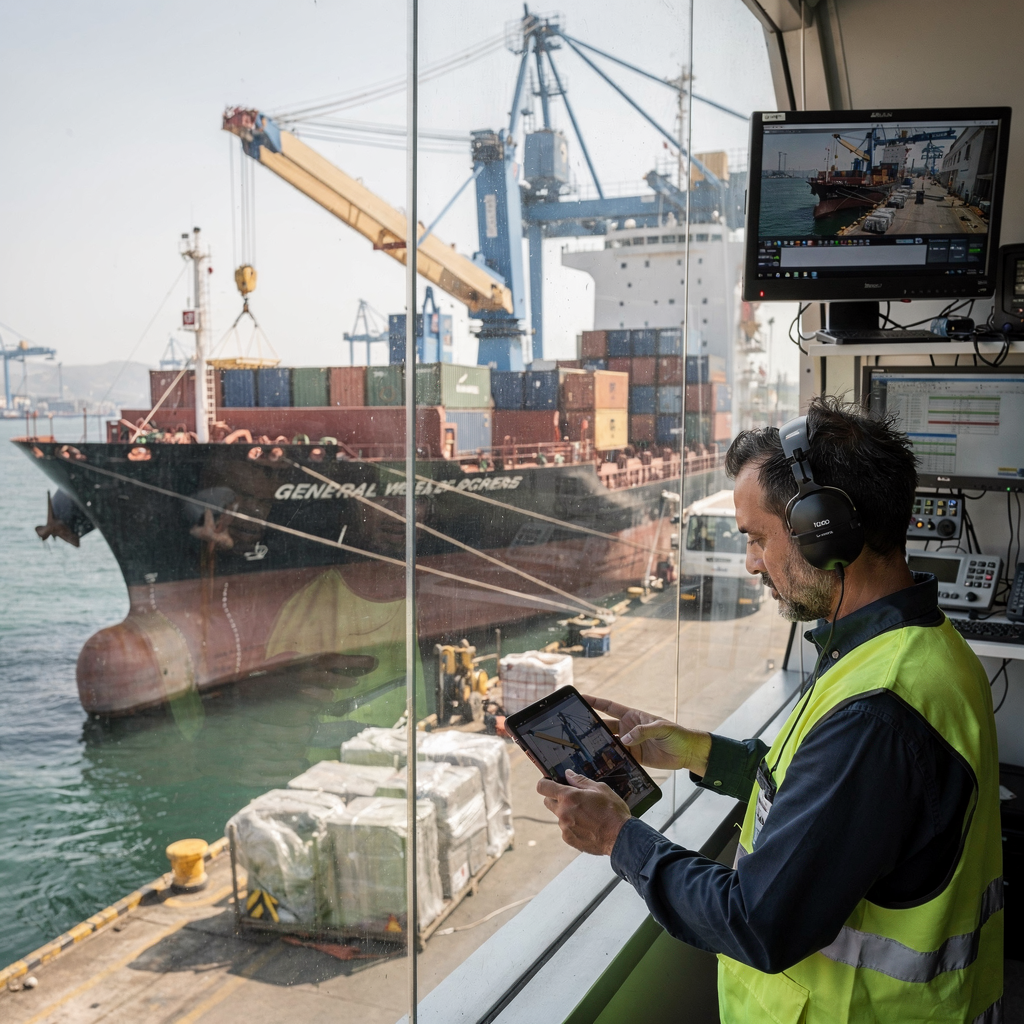
Operators also balance resource allocation across manual and automated assets. The platform connects to telemetry for cranes and to manual machinery logs so dispatchers know where equipment stands. As a result, the terminal network runs smoother and planners can simplify day plans. For teams exploring simulation-led decision support, consult the article on simulation for terminal operating system decision support. Ultimately, real-time insights help terminal operators to enhance throughput, cut demurrage, and increase billable revenue opportunities while protecting safety and service levels.
Drowning in a full terminal with replans, exceptions and last-minute changes?
Discover what AI-driven planning can do for your terminal
general cargo and general cargo terminal workflows
General cargo differs from bulk cargo in packaging, handling steps, and storage requirements. While bulk cargo moves in homogeneous flows like grain or ore, general cargo arrives as parcels, crates, and project equipment. Therefore, a general cargo terminal must track diverse SKUs and manage customized lifts. CommTrac supports both classes and so it serves bulk and general cargo terminal operations where multiple cargo types co-exist. The system is designed to track and manage all types, from break bulk consignments to project loads, and it supports the workflows that each requires.
Handling steps for breakbulk include receiving, inspection, tagging, bundling, storage allocation, lifting to vessel, and final documentation. For project cargo, teams often require special lifts, temporary storage areas, and coordination with stevedores. The platform supports these steps with scheduling, berth slotting, and customs-ready reports. In practice, terminals use the system to document each touchpoint so audit trails meet compliance needs. For terminals focused on non-containerized cargo, the commtrac provides inventory granularity, docking plans, and shift-level task lists that reduce errors.
Workflow customisation is core. Terminal administrators configure yard slots, weighbridge checks, and special permit flows. The general cargo tos features enable mixed cargo operations and they allow teams to add bespoke validations. Also, the software supports non-containerized bulk and breakbulk cargo tracking and it helps image-based check-in for high-value consignments. For readers comparing TOS choices, see how simulation ties into TOS planning on our page about TOS planning simulation software. In short, the system streamlines document flows, improves cargo handling, and helps terminals remain compliant while maximizing cargo throughput.
automation and automation system benefits
Automation has reshaped ports and terminals steadily. Robotic cranes, AGVs, and automated stackers lift repeatable tasks from operators. CommTrac interfaces with automation system components so human planners and machines coordinate. The design supports automated assets across the quay and yard. As a result, the TOS can orchestrate moves between cranes and autonomous vehicles while preserving safety buffers. This integration reduces manual errors and increases equipment uptime.
CommTrac ties into equipment control and telemetry. For example, an equipment control module exchanges status and commands with cranes and with AGV fleets. The system therefore helps to plan moves, track cycle times, and monitor maintenance windows. When terminals automate, they gain consistent cycle performance and fewer unplanned stops. Additionally, the platform enables operators to track demurrage and to model demurrage charges during busy periods. For a technical foundation on TOS-to-automation integration, TBA Group highlights the need for on-line interfaces between the model system and live data sources source.
From an operational view, automation lifts throughput and reduces manual handling risk. Loadmaster.ai’s approach to reinforcement learning also complements TOS automation by teaching agents to optimise quay, yard, and dispatch simultaneously. Our closed-loop agents—StowAI, StackAI, and JobAI—work with TOS data to reduce rehandles and improve crane productivity. Teams that combine a robust TOS with smart control agents see faster, more resilient operations. In practice, these integrations deliver measurable gains in throughput and lower operating cost while preserving an audit trail for every move.
Drowning in a full terminal with replans, exceptions and last-minute changes?
Discover what AI-driven planning can do for your terminal
integrate and features of commtrac tos in cargo terminal
CommTrac includes a set of modules that terminals rely on daily. The features of commtrac tos include reporting dashboards, analytics, alerts, and a permissions engine. These modules produce management information in standard formats so stakeholders see KPIs quickly. The system also offers an equipment control module and interfaces to cargo handling equipment. As a result, terminals can coordinate cranes, stackers, and weighbridges without juggling spreadsheets.
Integration options are broad. The platform can integrate with external systems via APIs and EDI, and it can accept IoT device feeds for telemetry. This flexibility lets terminals integrate legacy systems, financial ledgers, and berth planners. For teams assessing TOS models with simulation integration, a useful resource is the article on terminal operating system simulation integration. Additionally, for those who need to simulate yard layouts and to test TOS change packs, see our guidance on simulate yard operations TOS integration. These resources show how to validate changes before live rollout.
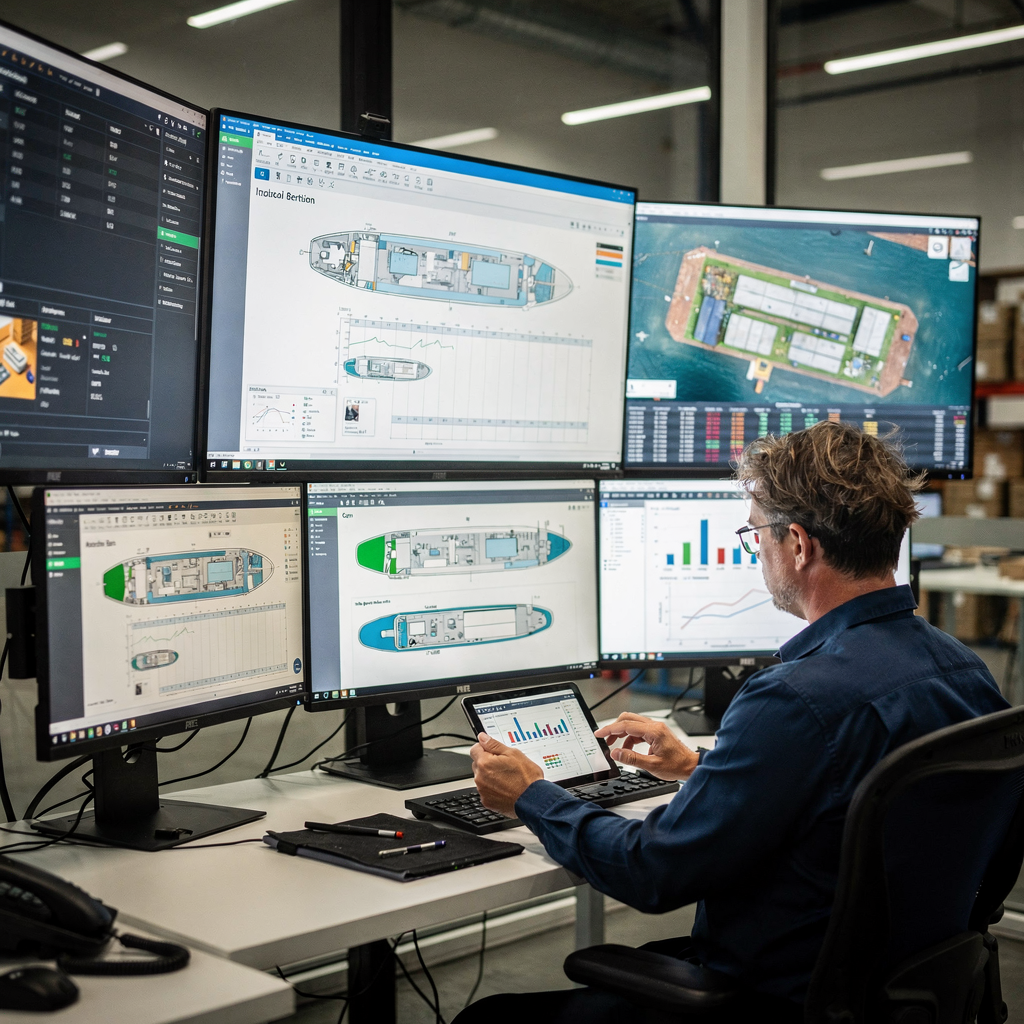
The platform scales from a single berth to a multi-berth network. It supports role-based workflows so planners, shift leads, and gate staff see tailored screens. Security features include audit logs and encryption of critical records. Because terminals must be future-proof, the system is built to be scalable and to support manual and automated assets. Finally, the design helps to simplify billing opportunities and to capture billable revenue opportunities through accurate time-stamping and cargo visibility, which improves profitability.
commtrac tos reviews and future trends
CommTrac has earned recognition across a niche market. With 35 global installations, the system demonstrates a focused adoption base among bulk handlers source. Users give practical feedback: the platform increases cargo handling efficiency, it reduces dwell times, and it clarifies berth schedules. For a succinct appraisal, some reviews state that “CommTrac is a comprehensive terminal management software specifically designed for handling bulk and breakbulk cargo efficiently” source. That endorsement underlines its suitability for non-containerized sites.
Performance metrics differ by site. Still, operators often see improvements in throughput, reductions in cargo throughput dwell, and fewer instances of demurrage. The system supports throughput and storage planning and it helps teams model demurrage charges to protect margin. Also, commtrac tos reviews report that the platform is adaptable to mixed cargo operations and to marine cargo terminal use cases. The product positions itself as a management software solution for bulk handlers and it aligns with the needs of bulk and multi-purpose terminals.
Looking ahead, AI-driven analytics and tighter automation will shape the next wave of improvements. Predictive models will forecast berth congestion, and optimisation agents will suggest superior equipment deployment. Loadmaster.ai’s reinforcement learning methods illustrate how policy-driven agents can augment TOS planning without requiring decades of clean history. Consequently, terminals can become more resilient and scalable, and they can better track and manage all types of consignments. Overall, CommTrac remains a viable solution for non-containerized bulk and breakbulk cargo management, and it will continue to evolve alongside automation and analytics trends.
FAQ
What is CommTrac and who develops it?
CommTrac is a commtrac terminal operating system focused on non-containerized cargo workflows. It is supported by TBA, which offers implementation and support services for terminals that choose the platform.
Can CommTrac handle both bulk and breakbulk cargo?
Yes, the system is built to manage bulk and breakbulk cargo and to support mixed cargo operations. It provides modules for tracking, scheduling, and documentation that meet the needs of both cargo types.
How does CommTrac improve berth assignment?
The TOS evaluates vessel parameters, available gangs, and equipment status to propose optimal berths. By using live feeds and rules, terminals can reduce idle berth time and lower the chance of demurrage charges.
Does CommTrac integrate with automated equipment?
Yes, CommTrac can connect to cranes, stackers, and AGVs through its equipment control module and APIs. This lets terminals orchestrate automated assets across the quay and yard and coordinate moves seamlessly.
Is the system secure and auditable?
The platform includes audit logs and encryption of sensitive records so terminals meet governance and compliance needs. Role-based permissions control who can view and change specific records.
How many installations exist worldwide?
There are 35 global installations reported, which reflects adoption within the niche of bulk and general cargo terminals. These sites range from single-berth operations to multi-purpose terminals handling varied loads source.
Can CommTrac help reduce demurrage charges?
Yes, by improving berth planning and providing real-time status, the system helps to reduce dwell and demurrage exposure. It also documents timestamps so demurrage charges can be contested or minimized.
How does it support general cargo terminal workflows?
The platform allows terminals to customise handling steps for break bulk and project cargo, from check-in through stowage and onward documentation. This ensures each parcel receives the correct handling and clearance steps.
Can it work with third-party simulation or AI tools?
CommTrac can integrate via APIs and telemetry with external tools. For teams interested in simulation, see resources on integrating simulations with TOS platforms for decision support read more.
What future trends will affect CommTrac users?
AI-driven analytics, closer automation system integration, and policy-driven optimisation agents will shape future capabilities. Terminals that combine a robust TOS with simulation and reinforcement learning agents can improve resilience, throughput, and profitability.
our products
 stowAI
 stackAI
 jobAI
jobAI
Innovates vessel planning. Faster rotation time of ships, increased flexibility towards shipping lines and customers.
Build the stack in the most efficient way. Increase moves per hour by reducing shifters and increase crane efficiency.
Get the most out of your equipment. Increase moves per hour by minimising waste and delays.
stowAI
Innovates vessel planning. Faster rotation time of ships, increased flexibility towards shipping lines and customers.
stackAI
Build the stack in the most efficient way. Increase moves per hour by reducing shifters and increase crane efficiency.
jobAI
Get the most out of your equipment. Increase moves per hour by minimising waste and delays.