
Category: Uncategorized

STS crane automation solution for container terminal
STS Crane Technology Driving Port Efficiency First, STS cranes define the critical link between vessel and quay for container movement. Also, ship-to-shore crane designs set the pace for berth productivity and safety. Next, the role of an STS CRANE in a modern container terminal covers lift, trolley travel, and spreader control for TEU moves. Furthermore, […]
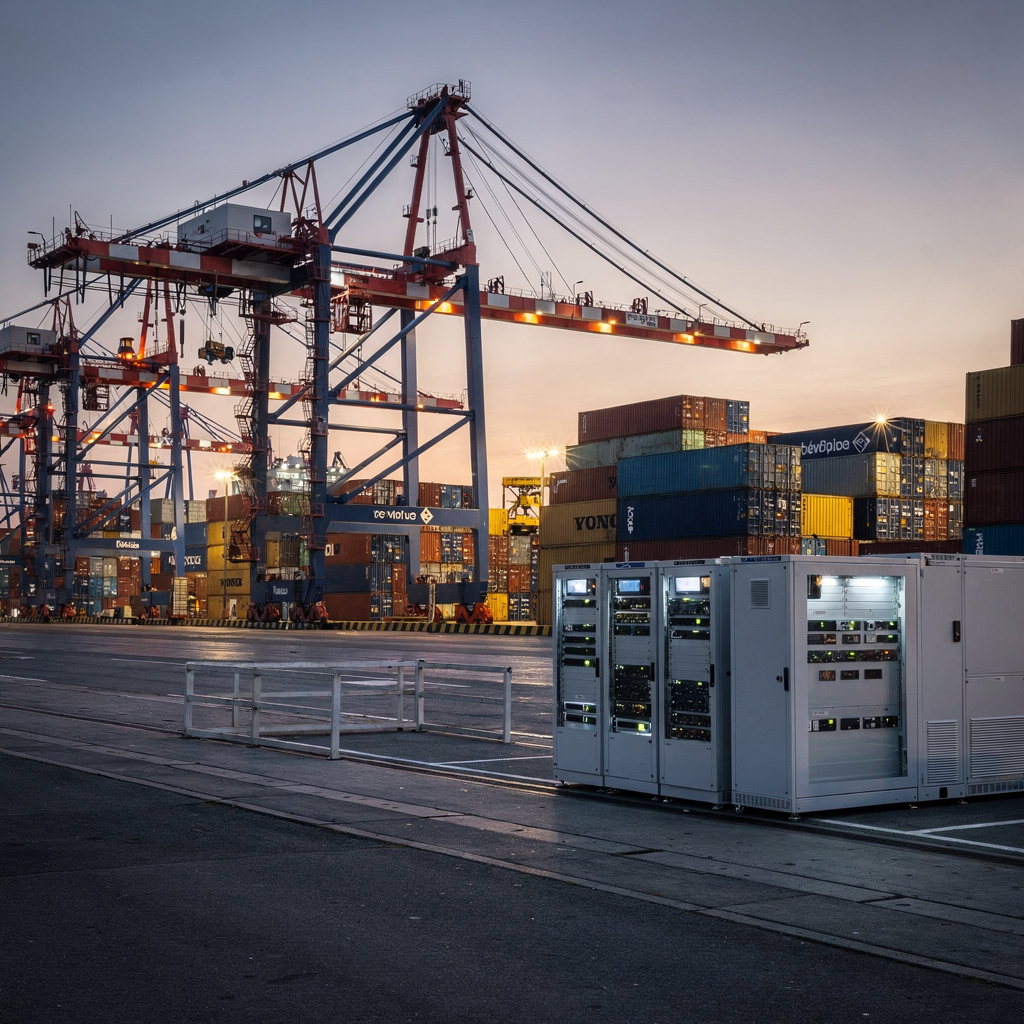
Cloud native Kubernetes software: container port operations
Cloud Native and Cloud-Native: Key Benefits for Container Ports First, define what cloud native means for container ports. Cloud-native refers to applications built for distributed cloud environments using microservices, containers, and infrastructure-as-code. Next, these patterns let ports process real-time telemetry from cranes, gates, and sensors. In addition, ports can scale IT capacity up or down […]
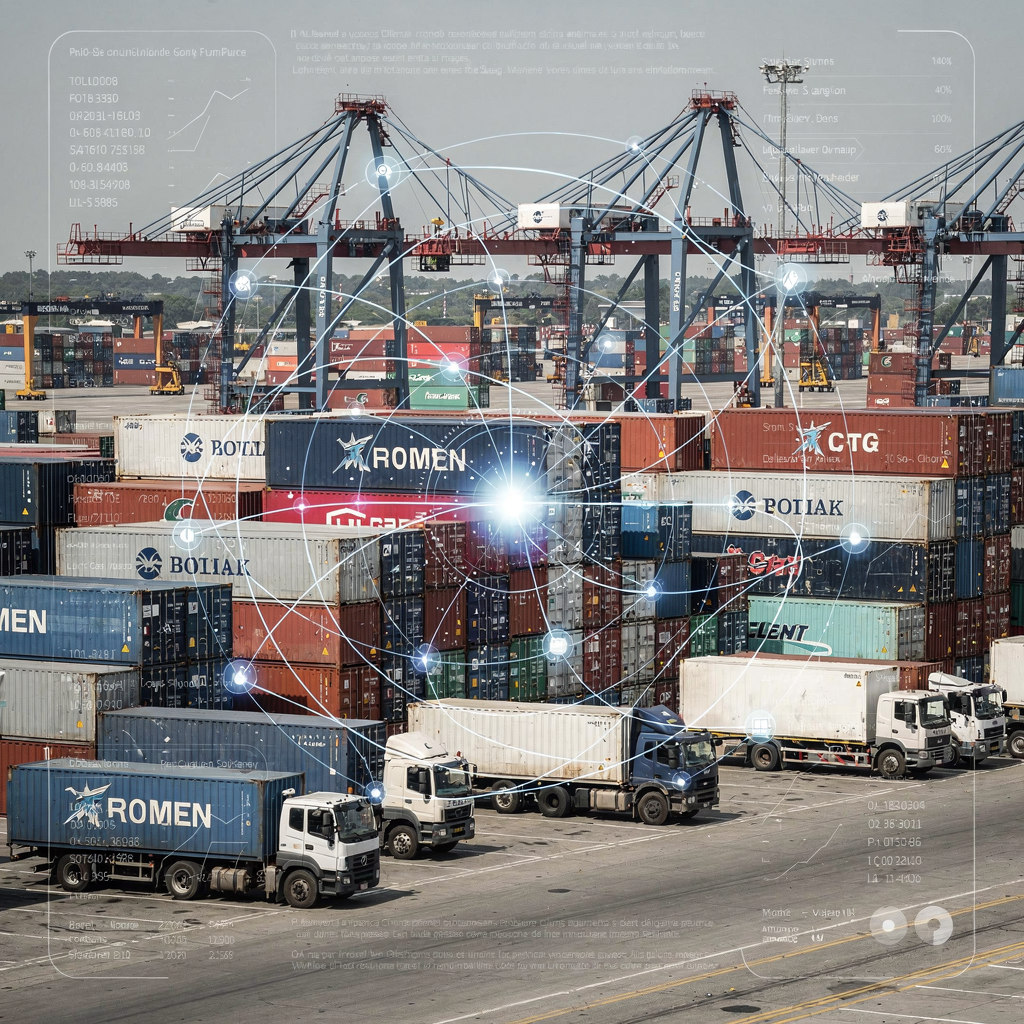
PLC-Integrated AI in Container Terminal Operations
Artificial Intelligence and the paradigm shift in Container Terminal Operations AI is changing how modern container terminals run. AI-enhanced PLC systems combine Programmable Logic Controllers with learning agents to enable adaptive control. They monitor equipment and they make quick decisions. Traditional PLCs follow fixed logic. In contrast, AI systems learn patterns and respond to new […]
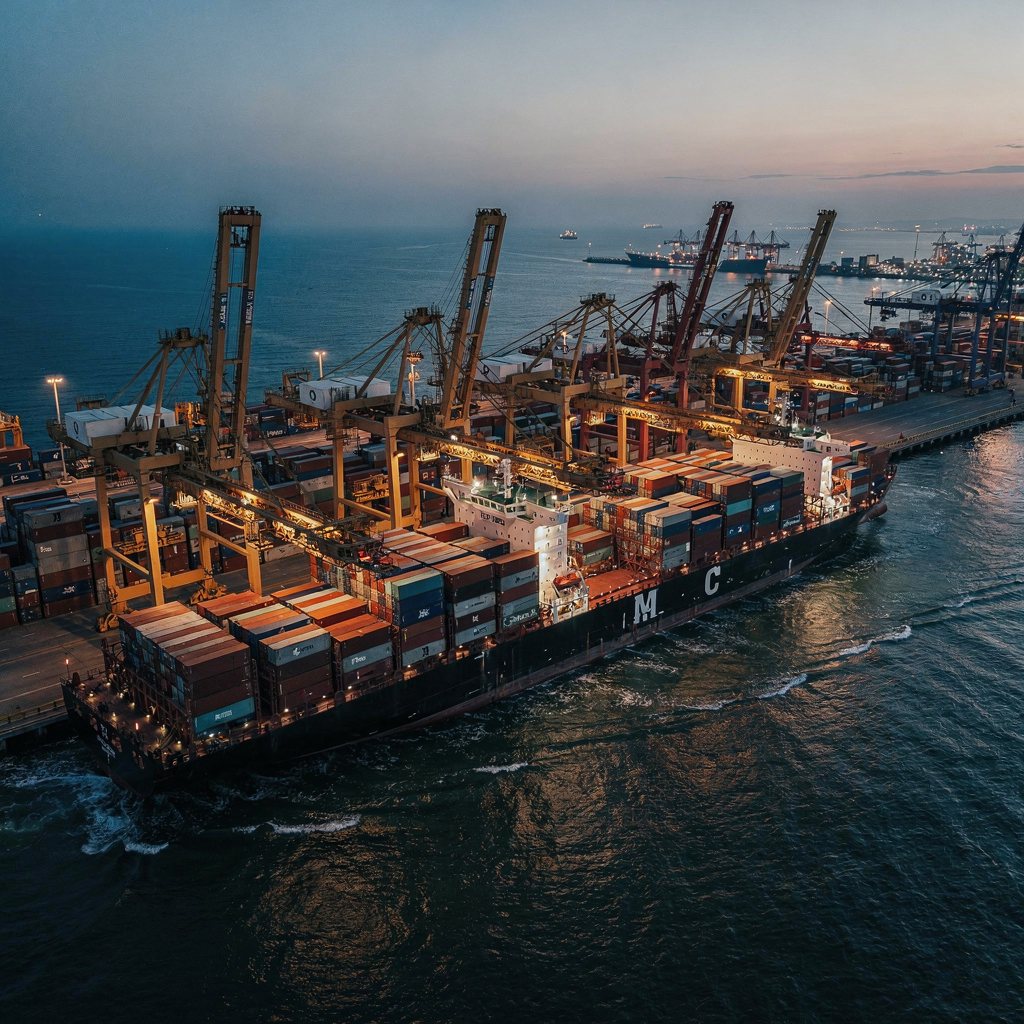
Safety-aware AI for high-hoist cranes in container terminals
ai agents for port safety and schedule optimization in container terminal operations AI agents for port safety and schedule optimization in container terminal operations bring a new layer of coordination to complex quay and yard activity. In practice, an AI agent works as a persistent decision-maker that observes constraints, tests choices in simulation, and issues […]
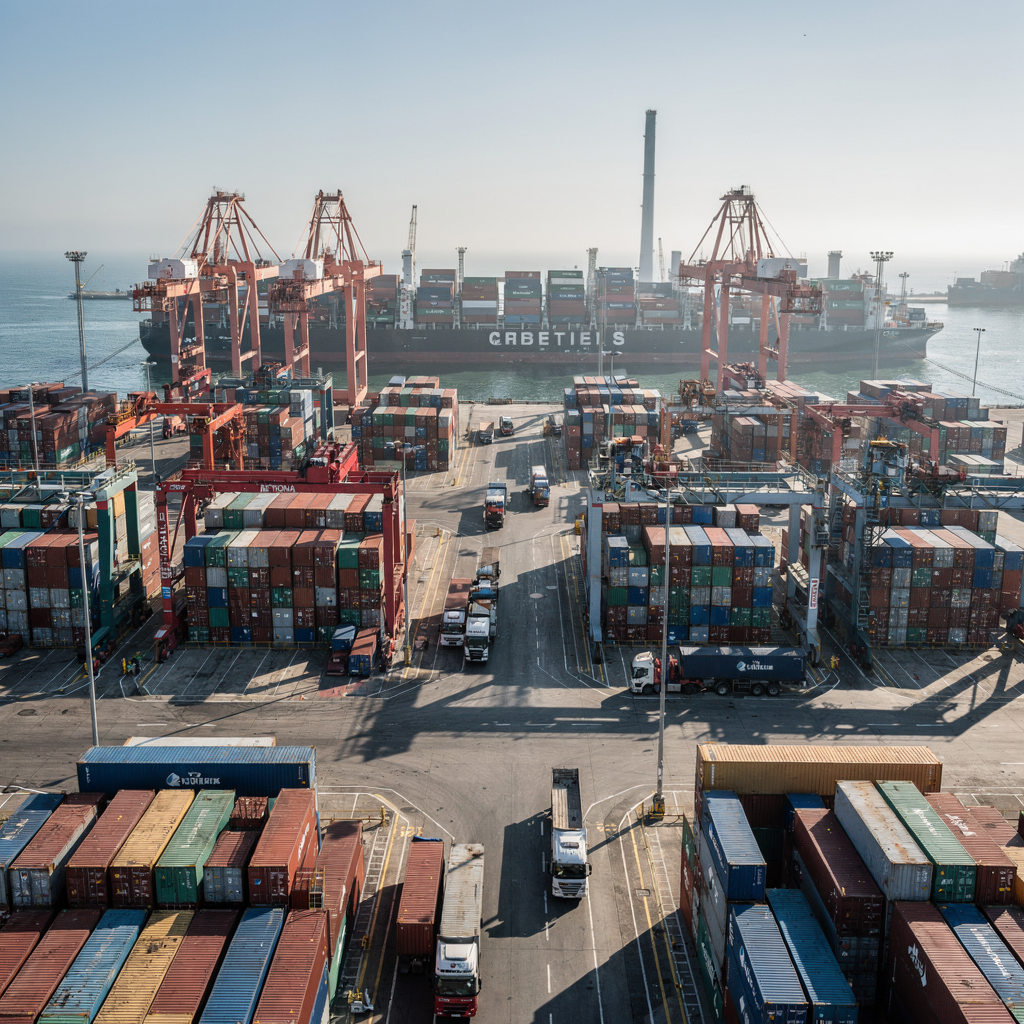
Best container terminal simulation software for planning
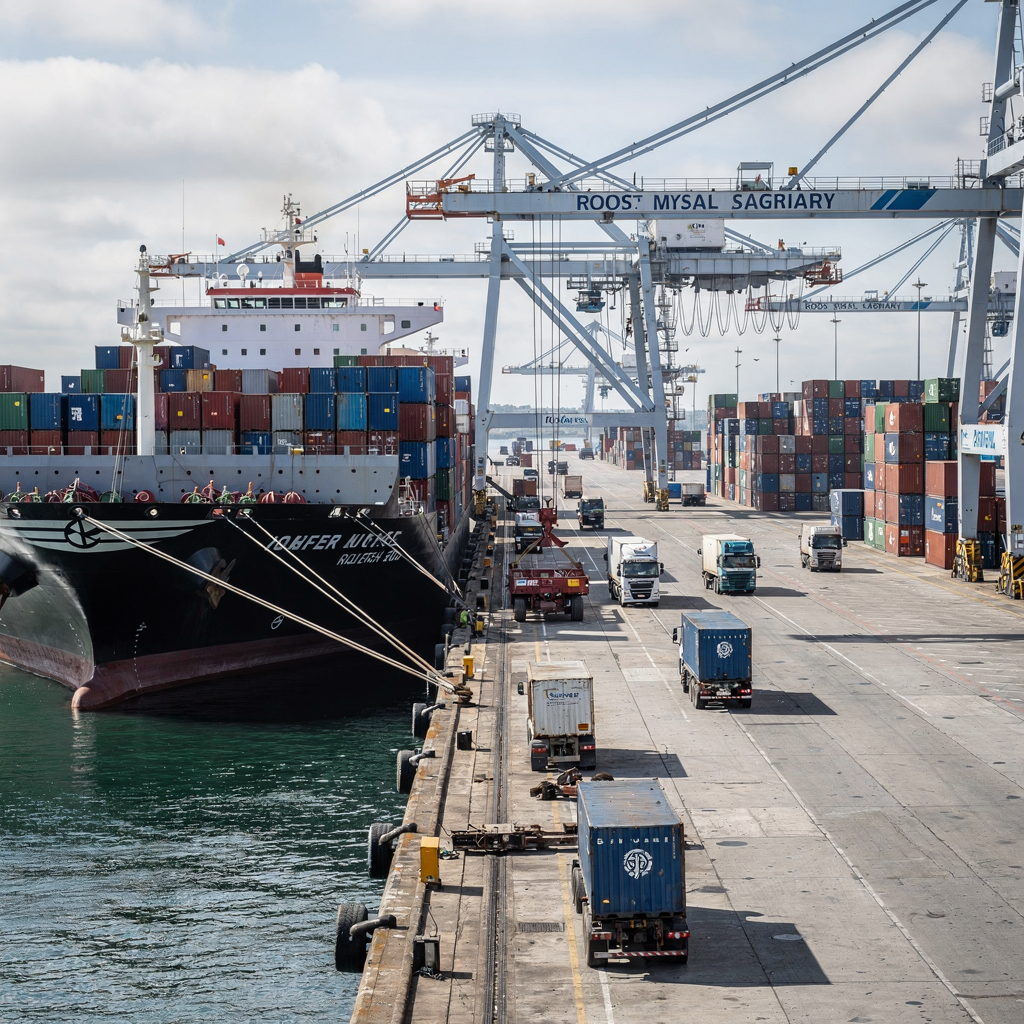
simulation in container terminal operations Simulation plays a central role in modern container terminal planning. First, discrete event methods map queues, resource contention, and asset cycles. Next, agent-based approaches capture decisions made by individual cranes, trucks, and yard planners. Then, system dynamics shed light on feedback loops and aggregate flows. Together these three families form […]
Container terminal simulation: how to simulate operations
simulation model of container terminal operations First, define the scope clearly. A good simulation model begins by naming the flows to represent: import, export and transshipment activities. These three activity types cover the main INTERMODAL movements and determine yard layout and staffing. In practice, terminals manage quayside work, internal yard stacking, and gate handling as […]
Terminal operations with iPortman terminal operating system
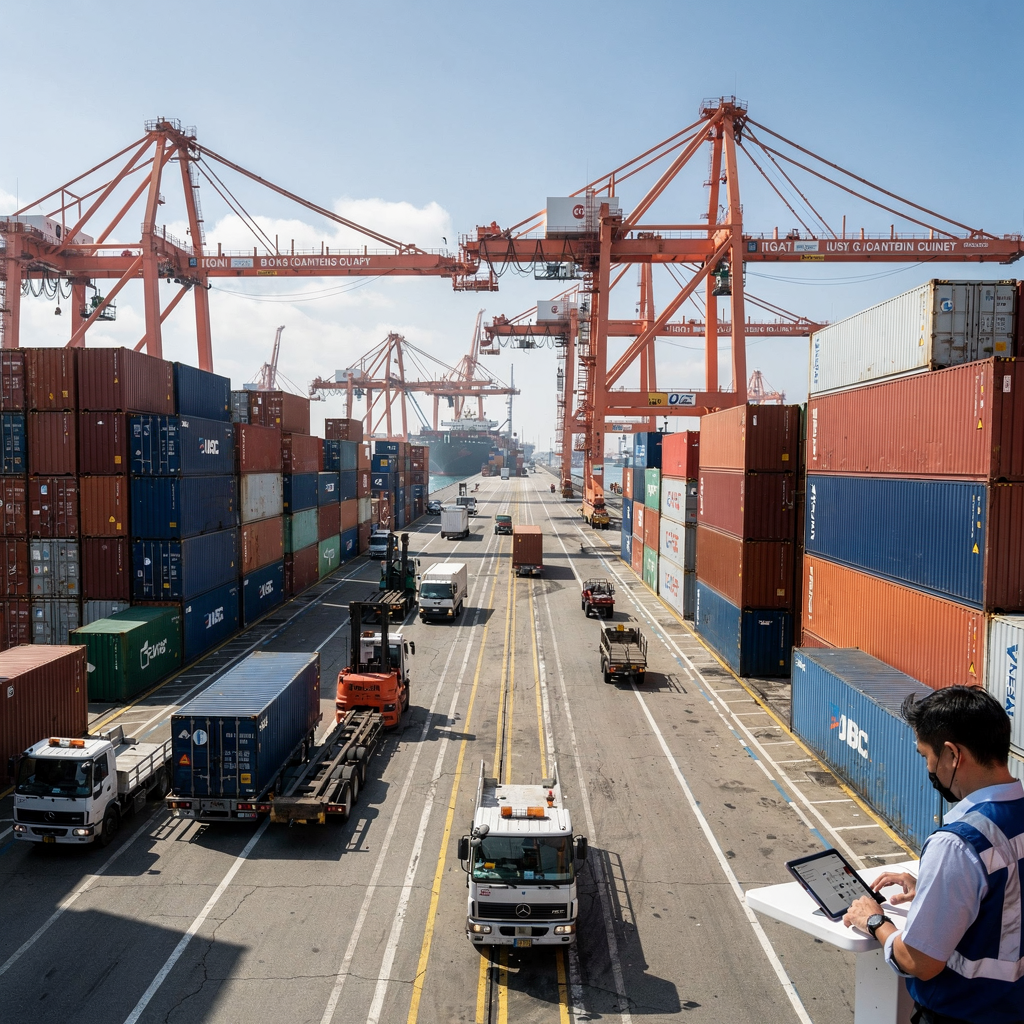
operating system and terminal operating system: definitions and scope First, an operating system in the context of port management is a software layer that coordinates hardware, data flows, and human tasks at a waterfront hub. Next, it schedules vessels, tracks yard stacks, and enforces business rules. Furthermore, it gives planners a single view of processes. […]
AI-assisted vessel planning for shortsea container terminals
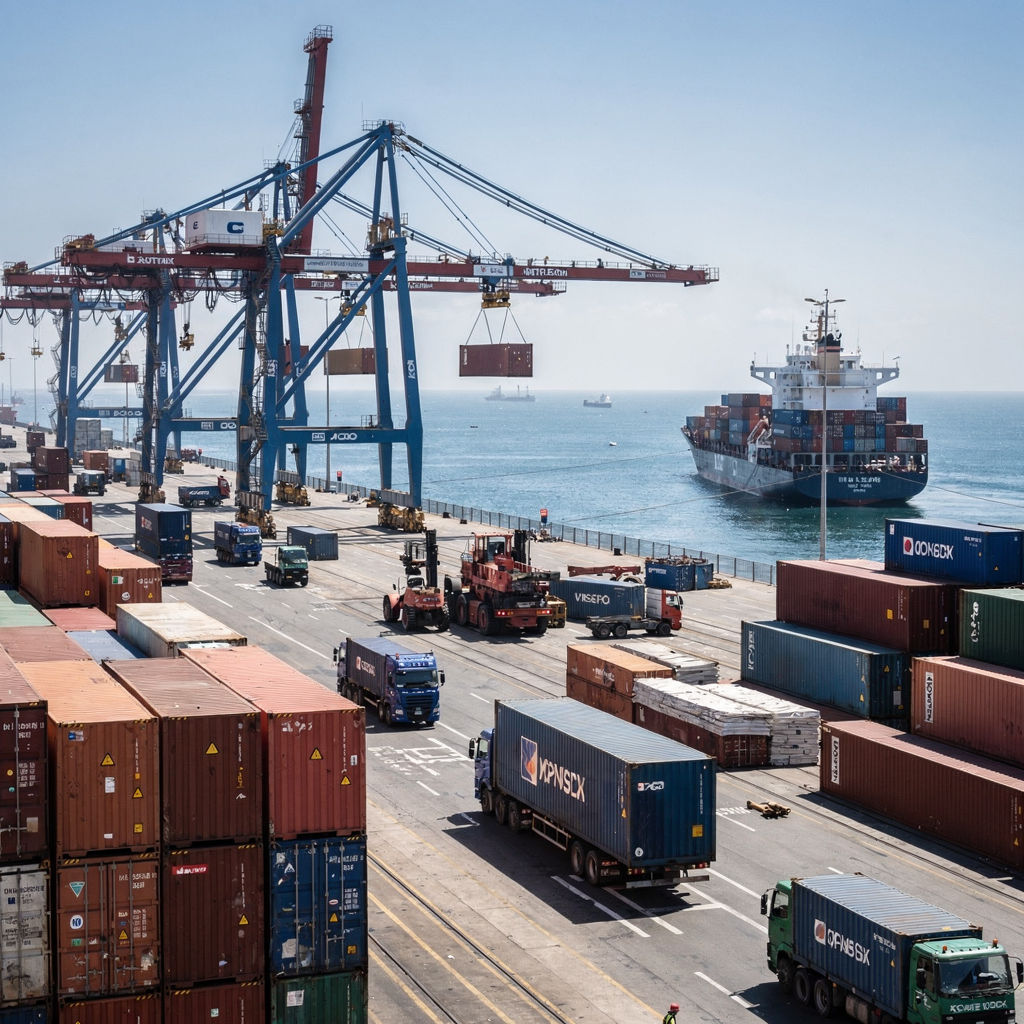
AI-Based Container Terminal Operations for Shortsea Shipping AI now shapes how shortsea container terminals run daily. It analyzes vessel schedules, quay crane assignments, and yard layouts to speed loading and reduce waiting. Shortsea shipping moves cargo across nearby coasts and islands, so small delays cascade quickly. Therefore terminals that adopt AI see big gains in […]
Optimise Container Terminal Operations
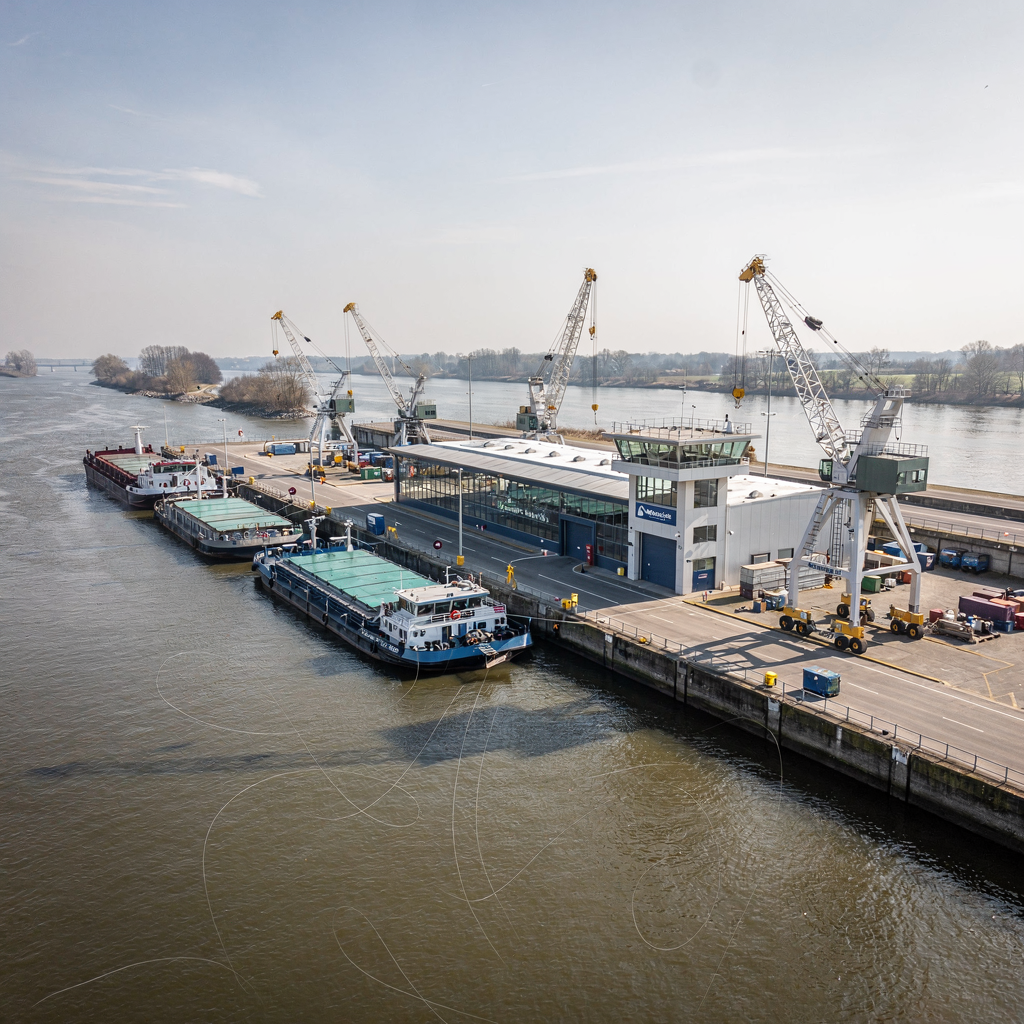
Term Analysis: The Role of Barge Terminals in Container Supply Chains Barge terminals act as specialized hubs that move containers between seaports and inland destinations. They connect waterways to rail and road, and they reduce long truck hauls. In practice, a barge terminal handles loading, discharging, short-term stacking, and transshipment onto trucks and trains. This […]
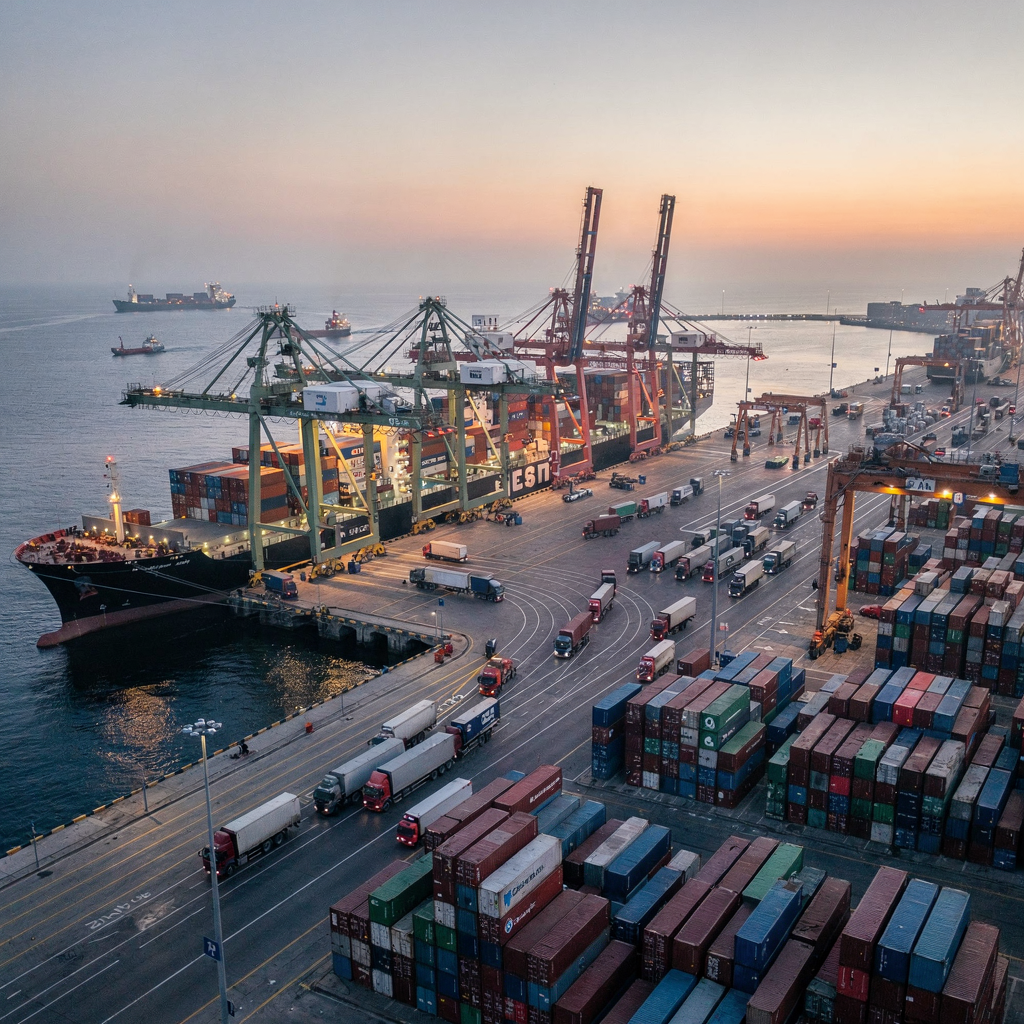
Port priority replanning strategies for late vessel calls
Port Congestion and Delays in Container Shipping PORT congestion and delays shape reliability across global trade lanes. Ports often face surges in inbound and outbound activity that overwhelm quay capacity, and this pressure reduces predictability for carriers and cargo owners. Port congestion and delays make scheduling fragile. They drive longer WAIT TIMES, higher shipping costs, […]
