
latest news
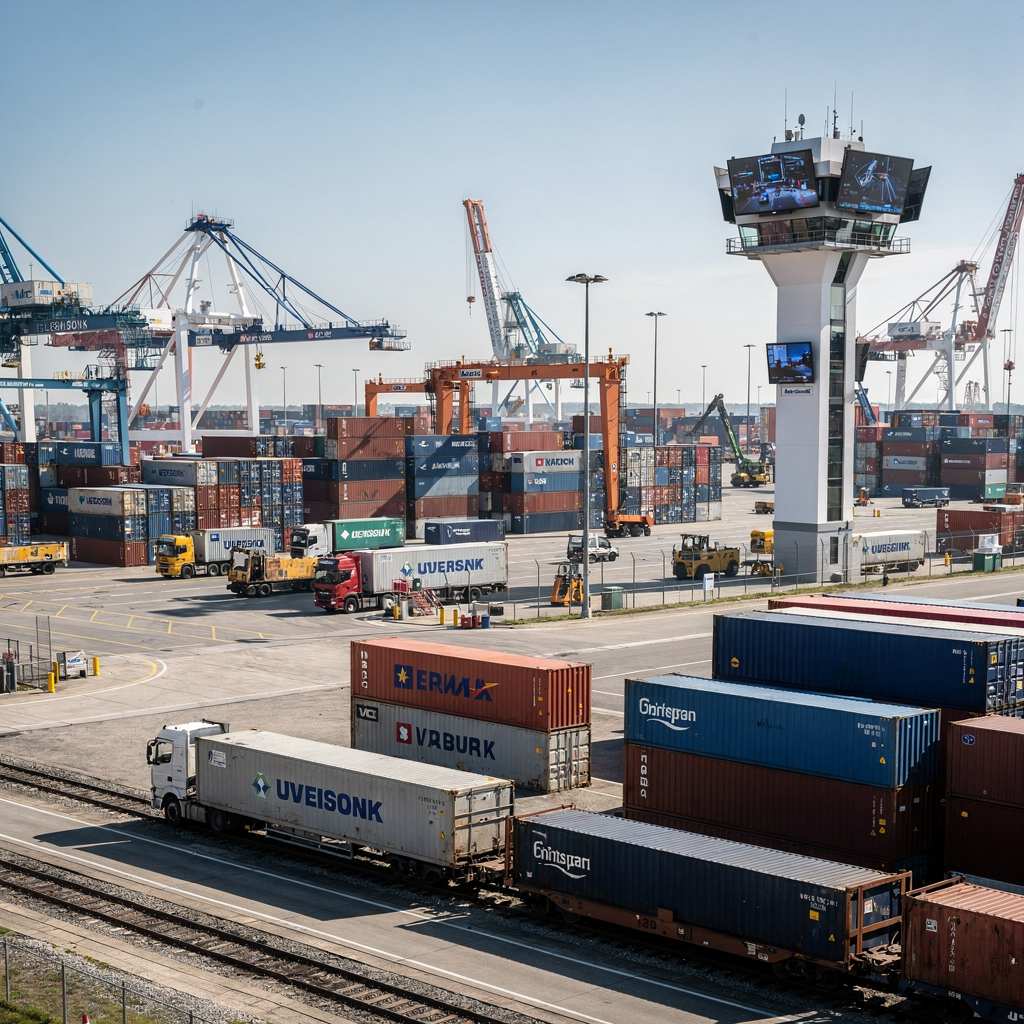
Emission reduction via inland container terminal routing
literature review of port emission and carbon emission in container terminal routing This literature review synthesizes how emission sources link to inland routing and terminal operations. First, researchers have quantified emission hotspots at gateways. Second, they show patterns across road, rail and maritime legs. Third, models embed operational detail to calculate carbon emission consequences. A […]
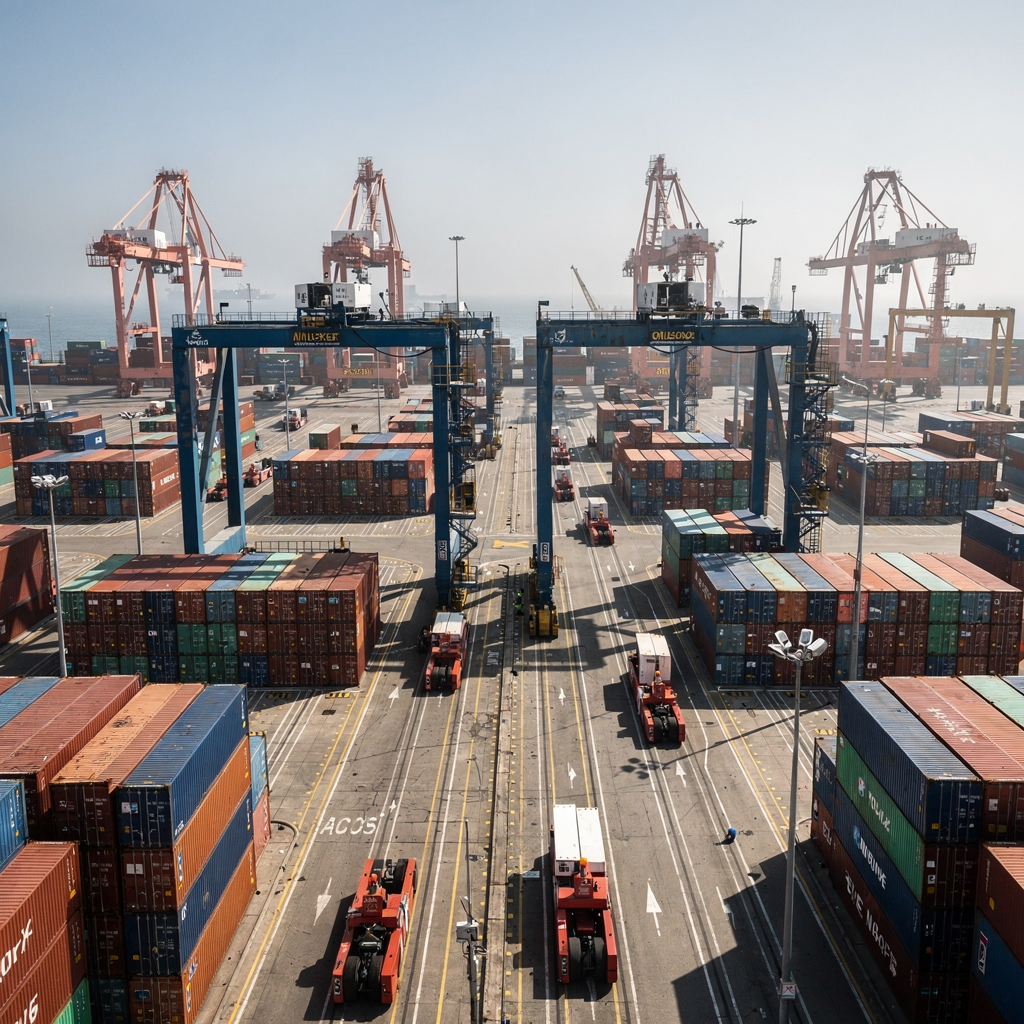
Quay crane scheduling at deepsea container port quays
crane operations at deepsea container port quays: challenges and metrics Quay cranes are the heavy lifters at the ship’s edge and they drive ship-to-shore productivity. They load and unload containers directly between vessel and shore. In multi-lane operations, several quay cranes work side by side along a berth and must avoid interference. The scheduling of […]
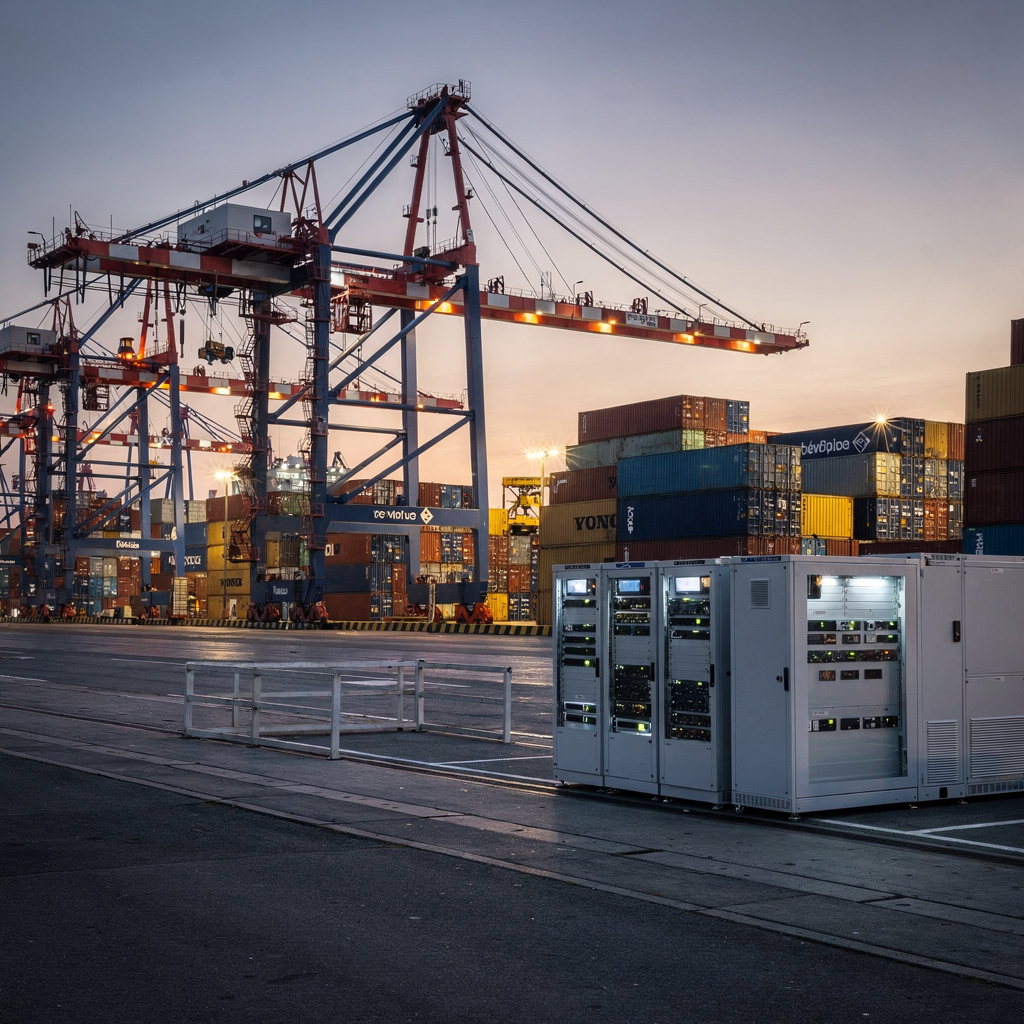
Cloud native Kubernetes software: container port operations
Cloud Native and Cloud-Native: Key Benefits for Container Ports First, define what cloud native means for container ports. Cloud-native refers to applications built for distributed cloud environments using microservices, containers, and infrastructure-as-code. Next, these patterns let ports process real-time telemetry from cranes, gates, and sensors. In addition, ports can scale IT capacity up or down […]
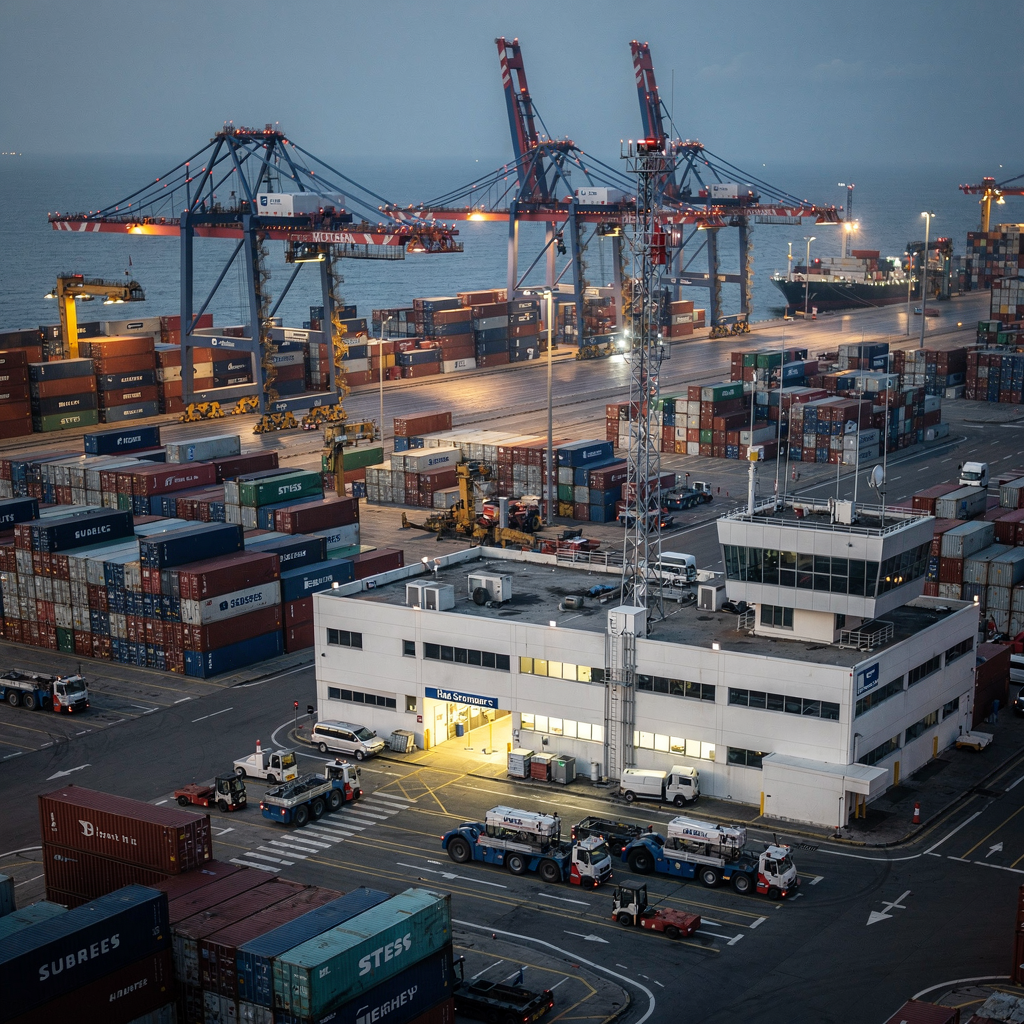
Container terminal operating system for AI logistics
container terminal operating system: Key components and functions A container terminal operating system defines control, coordination, and decision logic for container flow. It runs software agents that schedule moves, assign equipment, and monitor condition data across the yard. In practice, a CTOS for container merges real-time sensor feeds, operator inputs, and business rules. Importantly, it […]
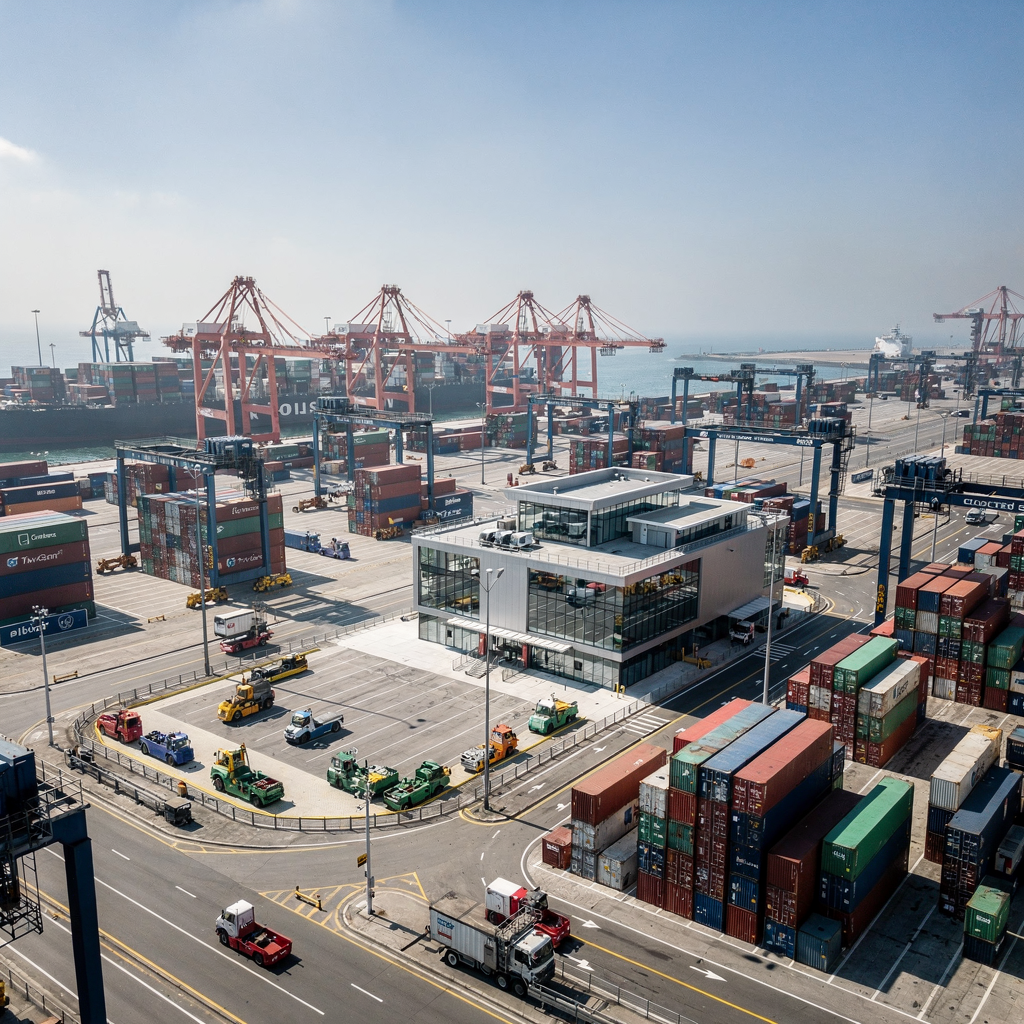
Port terminal operations digitalization roadmap
digital transformation in the maritime industry Digital transformation now shapes how modern ports operate and compete. In a single phrase the term captures how digital technologies change processes, roles, and outcomes across the terminal and wider maritime ecosystem. For example, smart ports such as Singapore and Rotterdam use sensor networks, advanced scheduling, and automated equipment […]
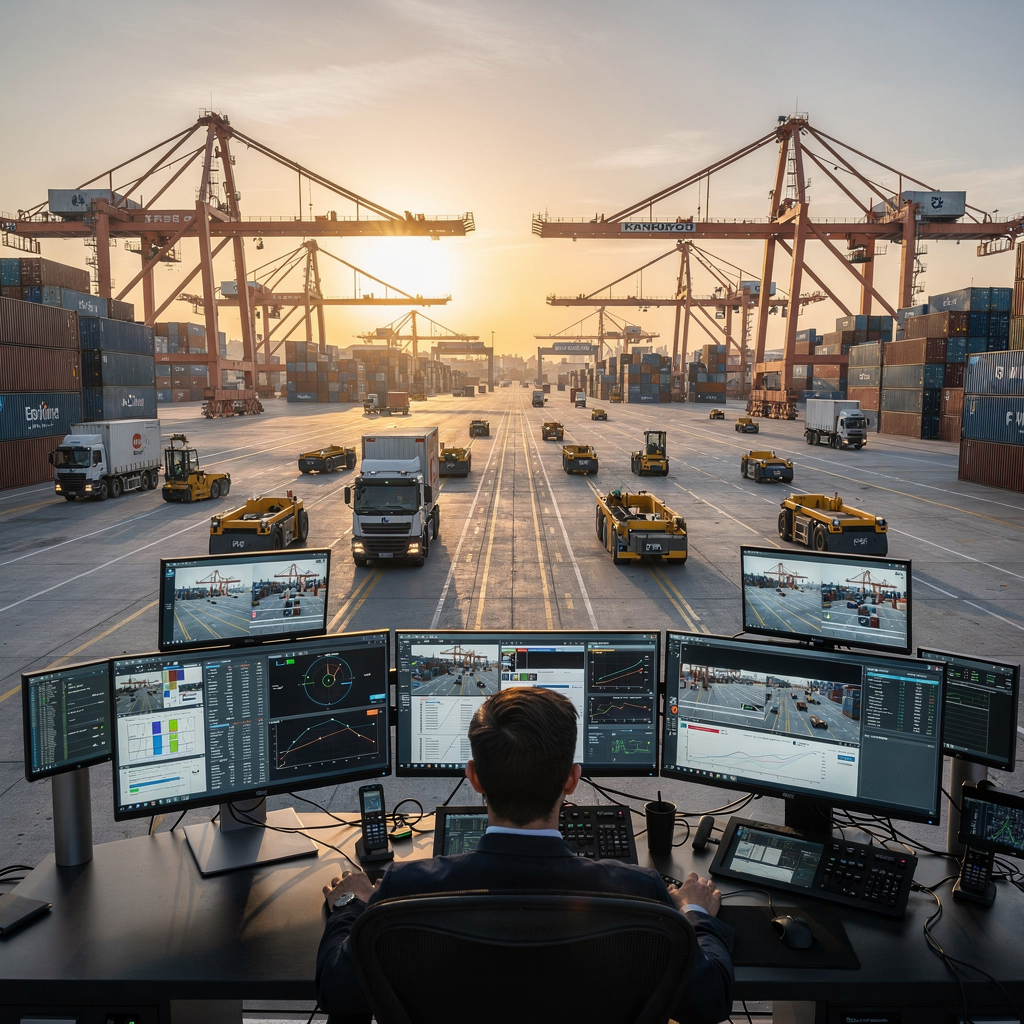
AI optimisation for smart port and terminal operations
AI in Port Operations: Evolution from Rule-Based Planning to AI-Powered Systems Ports once relied on rule-based systems to plan vessel arrivals, allocate berths, and sequence cargo moves. Those rule-based systems used static heuristics and fixed schedules. They worked for predictable days. However, they often failed when weather, equipment faults, or sudden surges in cargo occurred. […]
