
latest news

Yard crane scheduling and dispatching in port operations
crane Operations in Container Terminals First, understand the two main crane types that shape throughput in a container terminal. Quay cranes sit at the berth and move containers between vessel and quay. Yard cranes operate inside the container yard and move containers between stacks, Yard trucks, and staging lanes. Together, quay cranes and yard cranes […]

Automated stowage plan verification in container terminals
Container Terminal Operating: Challenges in Manual Stowage Plan Verification First, manual checks slow every step. Next, teams inspect each container and each slot by hand. Then, planners compare weights, destinations and special handling notes. For example, they check fragile cargo, hazardous goods and temperature-controlled freight. However, this process consumes time and attention. As a result, […]
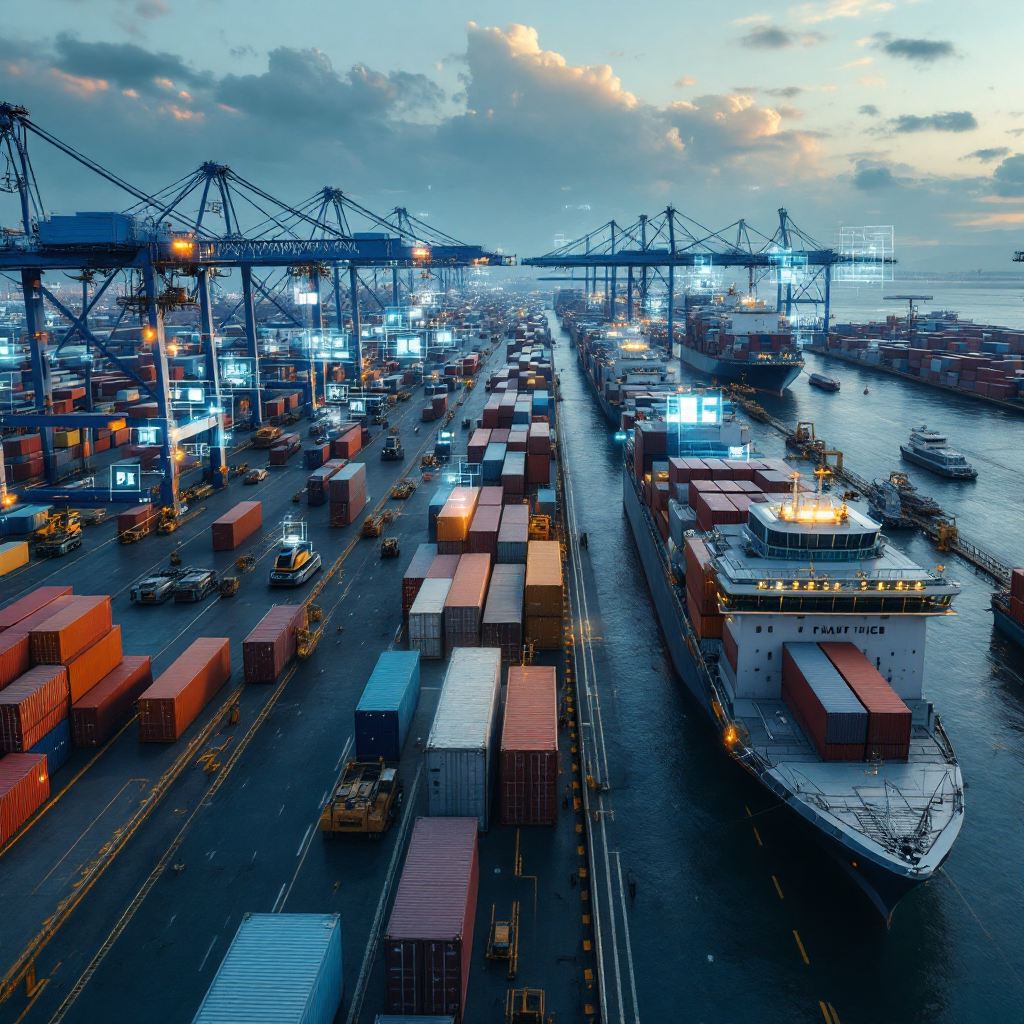
AI and PLCs transform container terminal automation
Programmable Logic Controllers (PLCs) and PLC Data: The Foundation of Container Terminal Automation Programmable logic controllers sit at the core of modern container terminal control. PLCs monitor inputs from SENSOR arrays and then drive outputs to CRANES, conveyor belts, and automated guided vehicles. They read switches and encoders, they measure vibration and temperature, and they […]
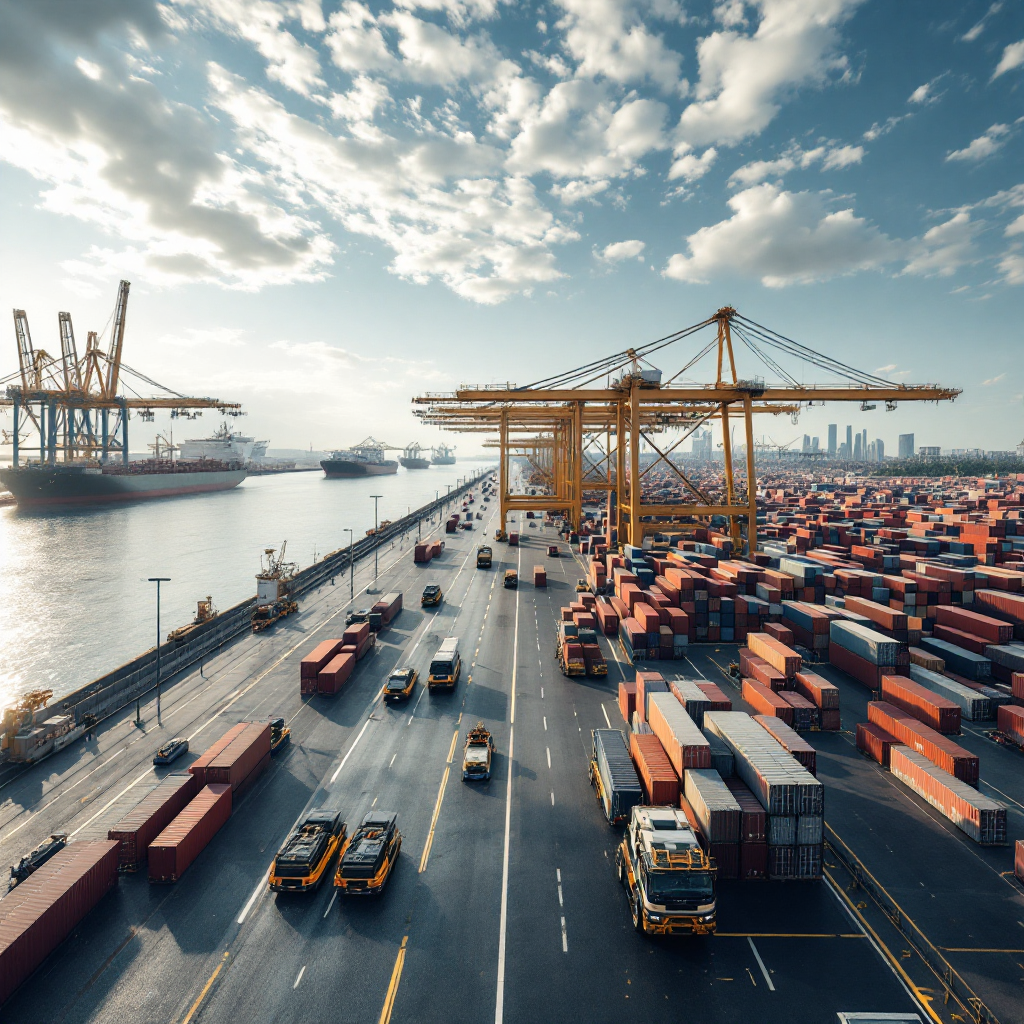
Optimising tandem-twin lift sequencing in container terminal
Introduction and Background Tandem lifting and twin lifting are advanced methods used in a container terminal to boost throughput and reduce waiting at the berth. Tandem lifting uses two quay cranes working in unison on a single heavy container, while twin lifting uses one crane with a spreader to handle two 40ft loads at once. […]
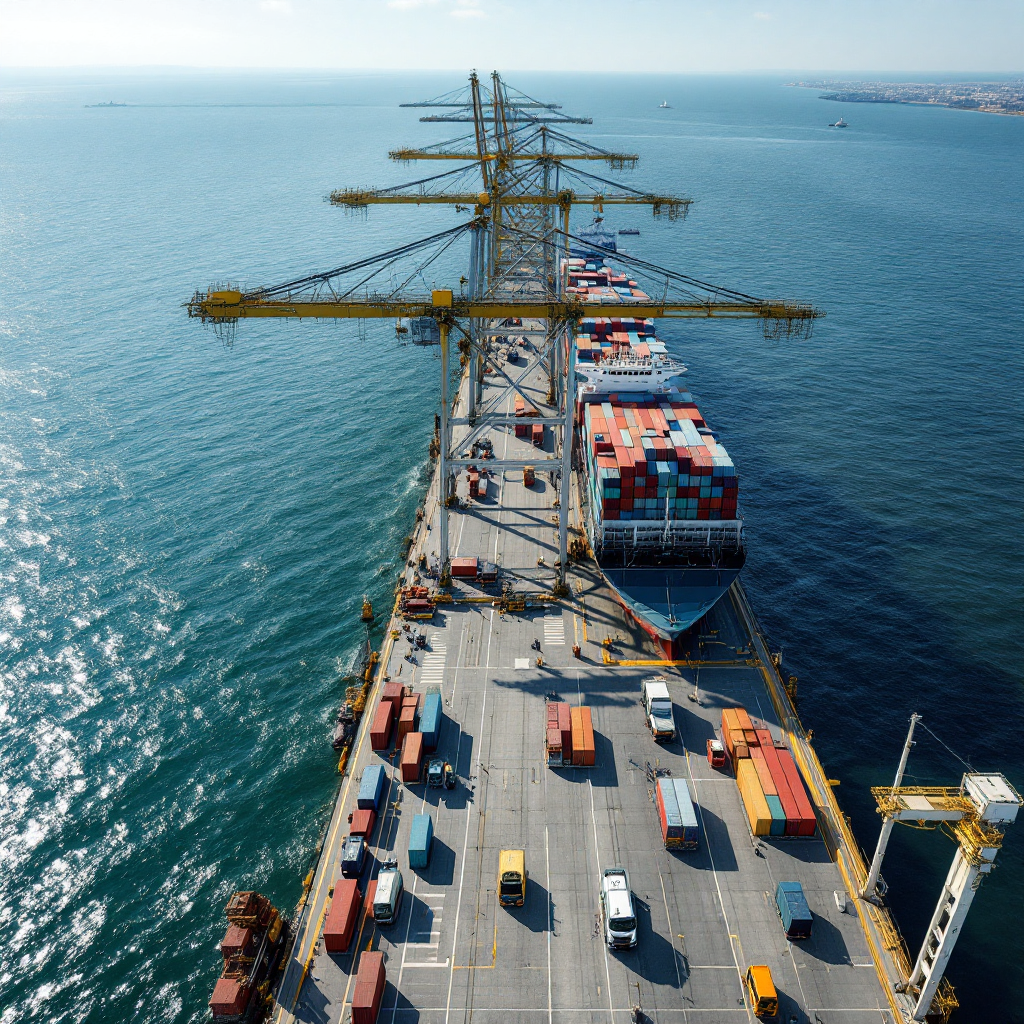
Factors affecting container terminal efficiency
Equipment Efficiency and Crane Productivity Crane performance drives gross moves per hour (GMPH). First, cranes perform the physical lifts and transfers that define terminal throughput. Second, crane availability and reliability determine how consistently terminals meet berth windows. Third, crane intensity — the number of quay cranes deployed per vessel — directly affects moves per hour. […]

Predictive port analytics to optimize terminal operations
predictive analytics in container terminals Predictive analytics turns raw port data into forward-looking forecasts and actions. First, it uses historical data and LIVE feeds to model patterns. Next, it generates outputs that help an operator make faster, better decisions. For container terminals this process aims to optimize berth use, crane work, yard stacking and truck […]
