
latest news
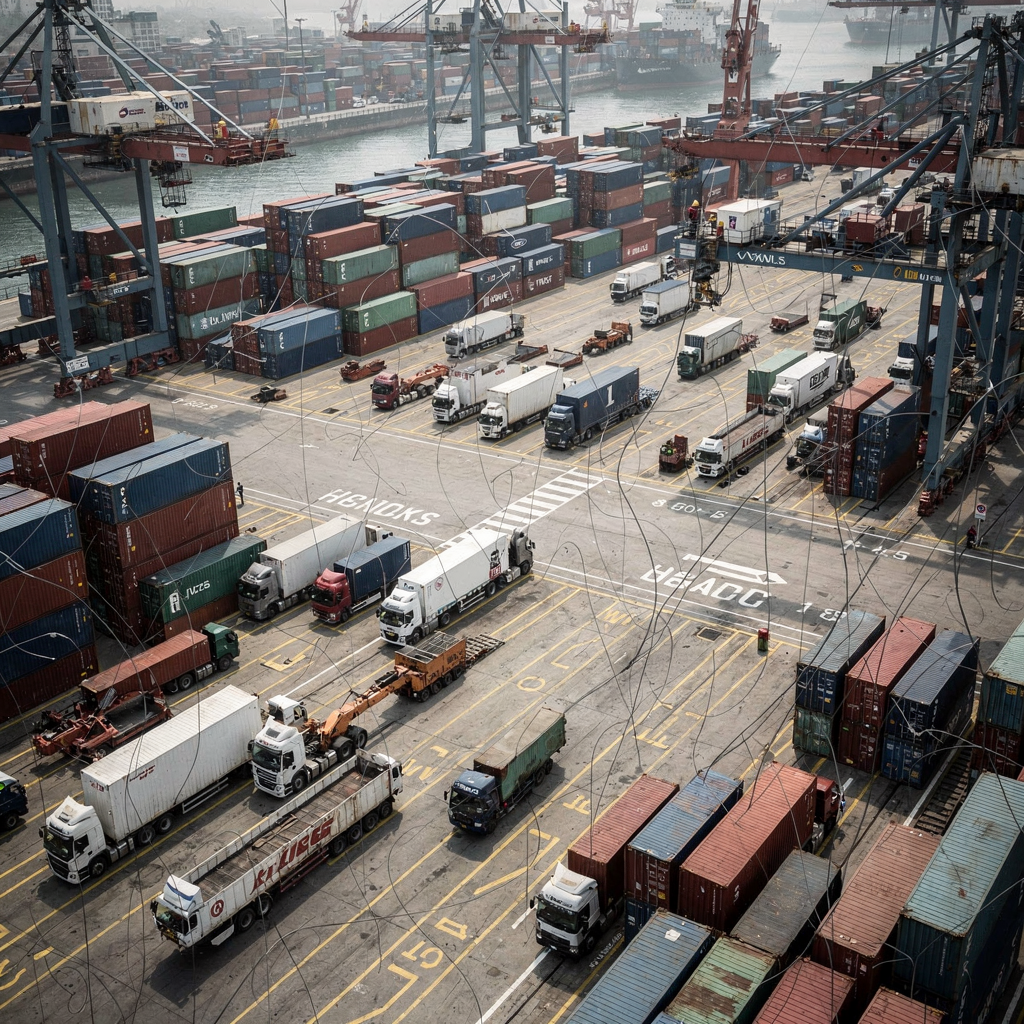
Truck tracking in intermodal container terminal TOS
Intermodal truck tracking: Optimising port yard operations in container terminal operations First, inter-terminal truck tracking links road flows inside a port with yard operations. Secondly, it depends on real-time feeds so planners see where each truck waits, moves, or departs. Third, intermodal movements benefit when trucks share location and status continuously. For example, inter-terminal transport […]
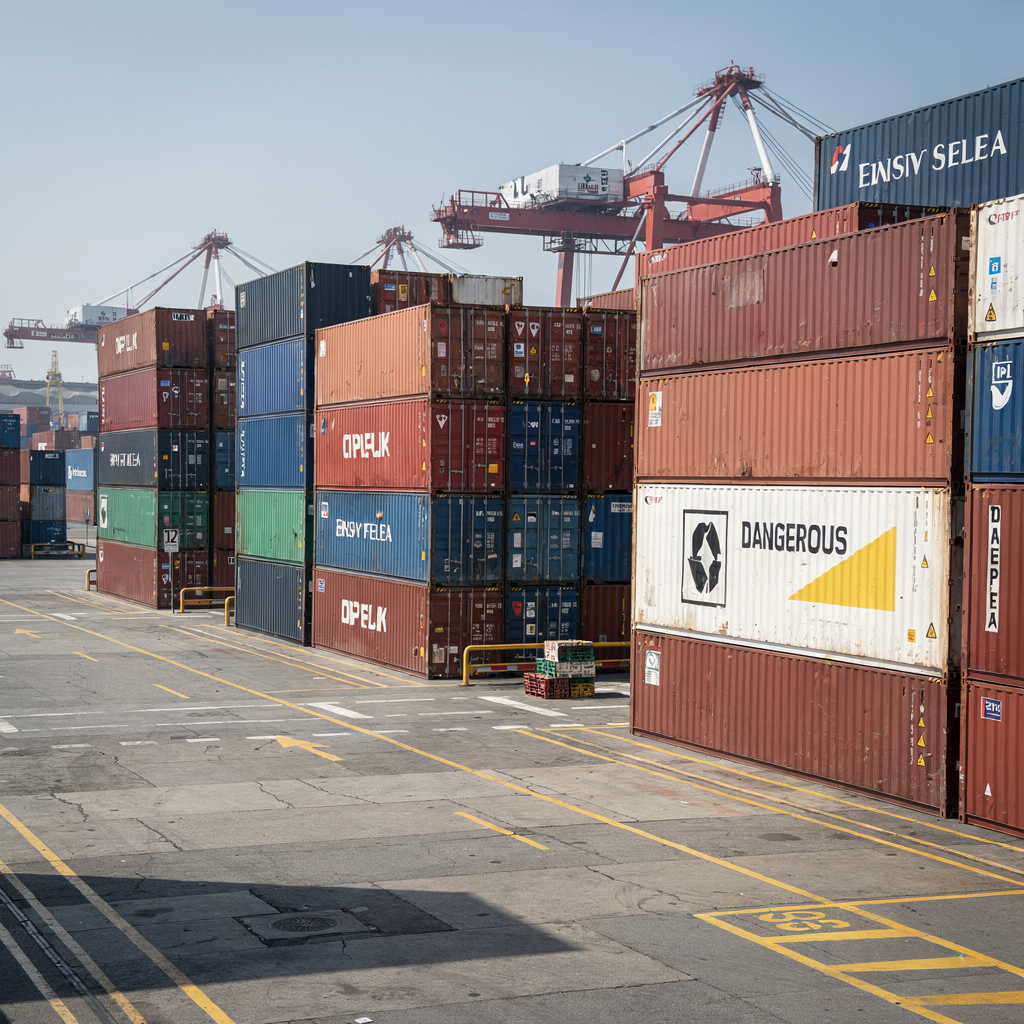
Dangerous goods segregation in deepsea container port yards
IMDG CODE and Segregation Requirement: Foundations of Safe Dangerous Goods Handling The IMDG Code sets international standards for the safe transport of dangerous goods by sea. It binds ship operators, port authorities, and terminal planners to clear rules. Port operators must respect the segregation requirement in yard design and operations. The imdg code defines segregation […]
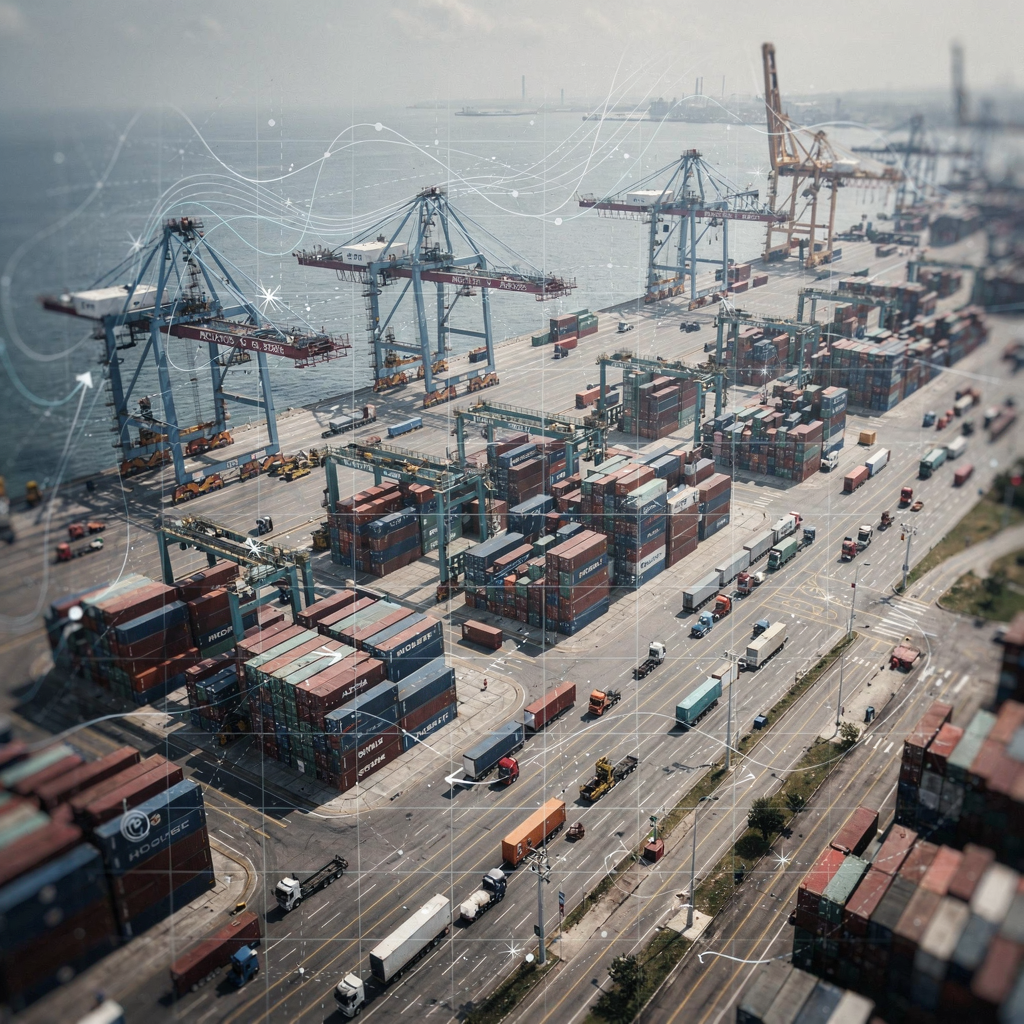
Container terminal digital twin simulation decision support
Introduction to terminal and digital twin for port operations First, a terminal is where ships meet land and cargo moves between sea and hinterland. Next, modern ports depend on precise coordination of quay cranes, trucks, and storage blocks. A digital twin gives operators a live virtual representation of that physical space. It supports real-time monitoring […]
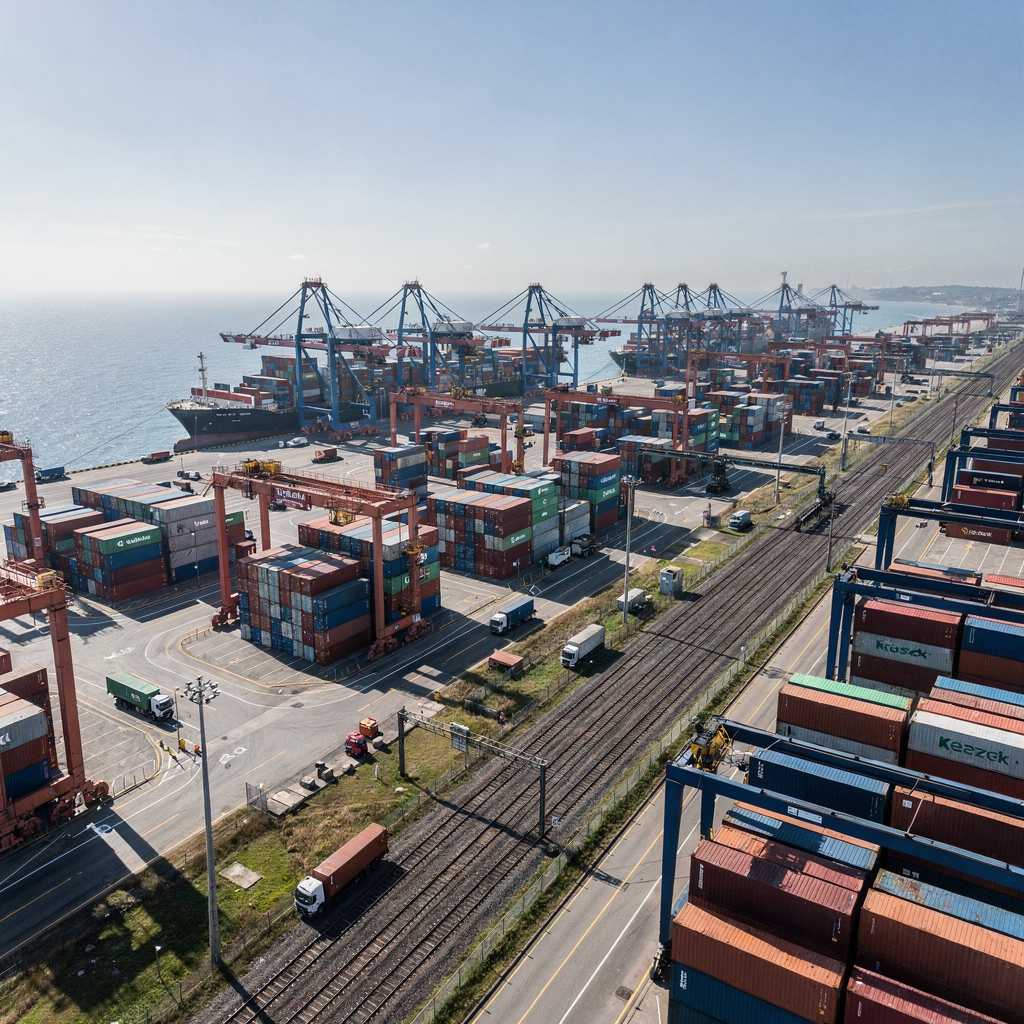
Digital twin for port container terminal capacity planning
digital twin is a virtual: virtual representation of the physical container terminal A digital twin creates a virtual replica of a physical terminal. First, it maps assets and processes. Then, it links sensors and systems to mirror activity. In plain terms, the twin is a virtual replica of a real facility and it reflects asset […]
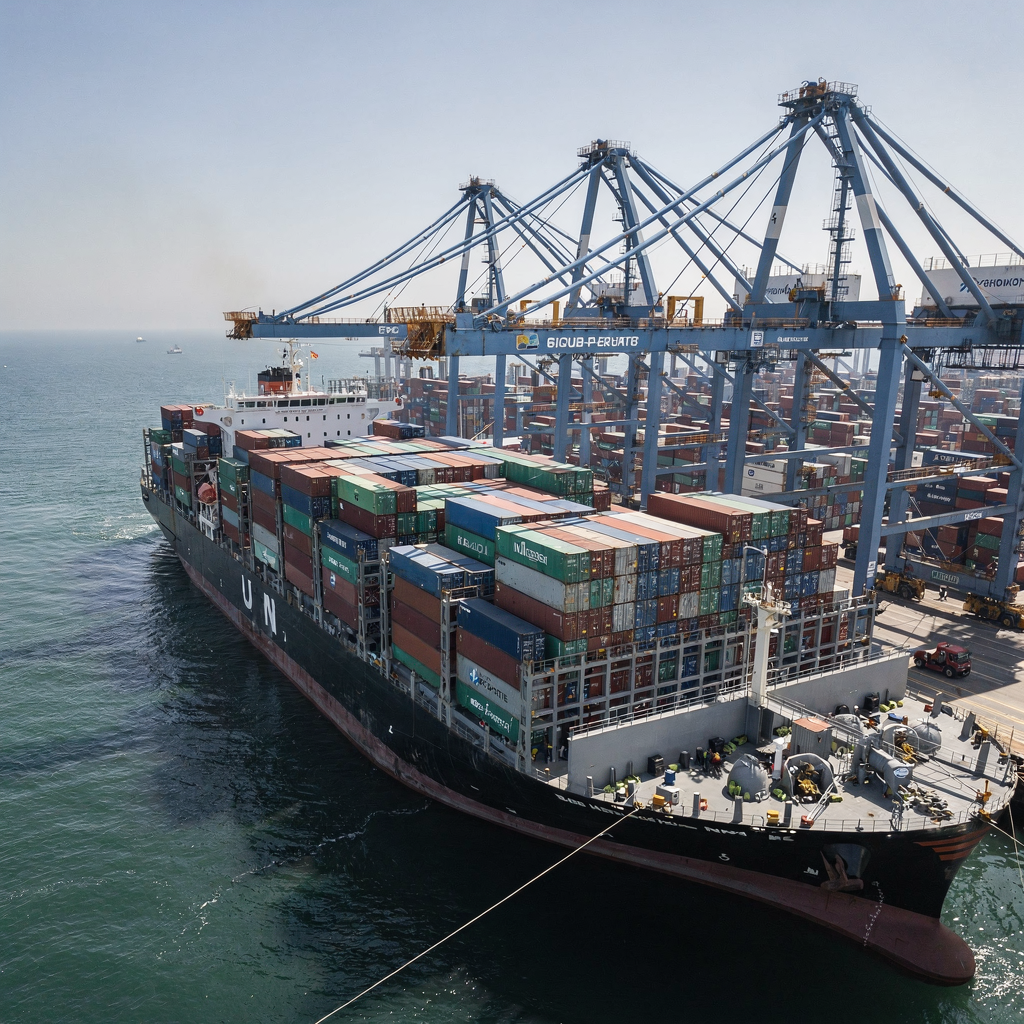
Container terminal stowage plan for crane productivity
Problem description of container terminal bottleneck The container terminal bottleneck often sits at the intersection of stowage quality and crane productivity. In practice, stowage quality defines how containers are arranged to protect cargo, reduce reshuffles and support efficient quay work. Conversely, crane productivity measures moves per hour and affects berth throughput and berth productivity. When […]
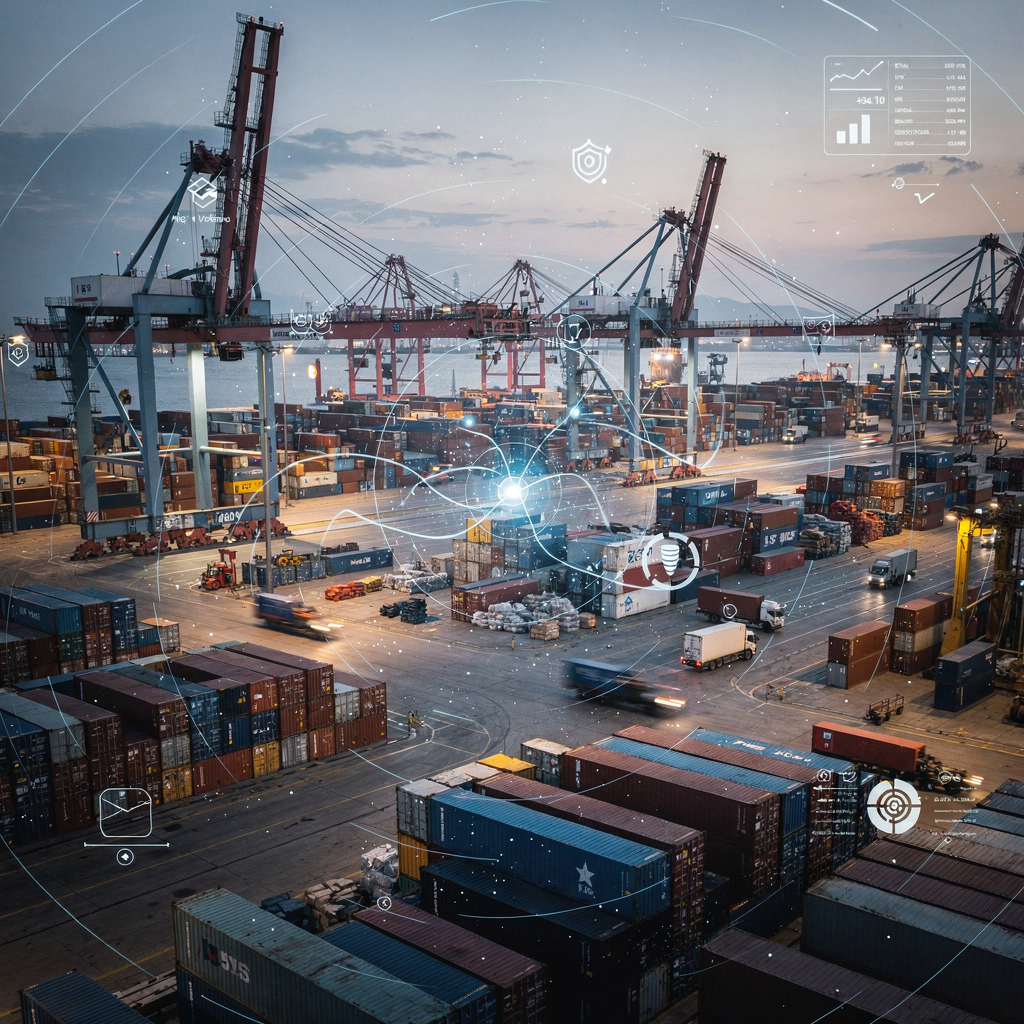
AI real-time decision-making for maritime port operations
AI in port operations: embedding operational safety rules Ports handle enormous cargo volumes and they carry high safety stakes. The global shipping network moves more than 80% of world trade by volume, so small errors scale fast. AI and artificial intelligence now target these risks. In practice, AI combines rule engines and learning to improve […]
