
latest news
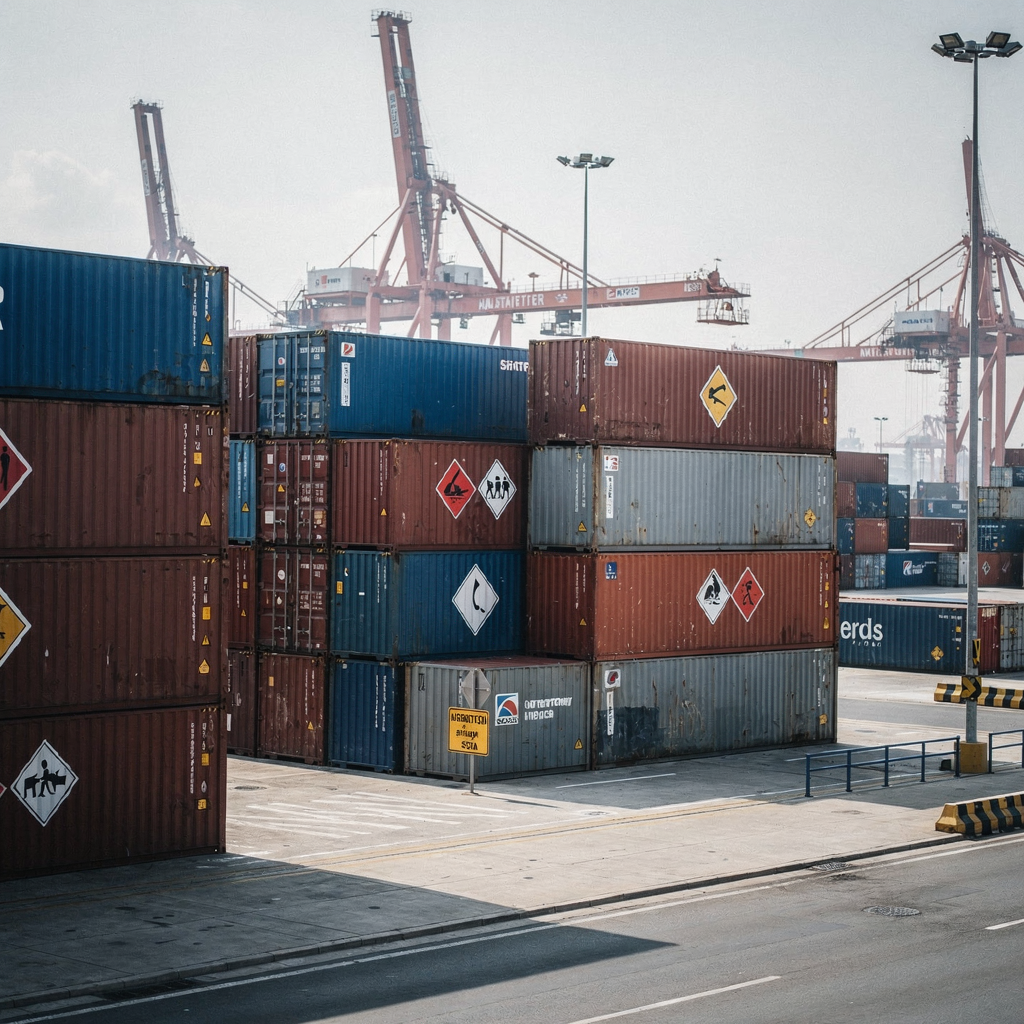
Hazardous Cargo Stowage Rules in Inland Container Terminals
Hazardous Goods Stowage Principles First, define hazardous goods. Hazardous goods include substances that are explosive, flammable, toxic, corrosive, oxidizing, or otherwise harmful to people, property, and the environment. Next, terminals apply the IMDG CODE and CTU Code to inland operations. For example, the CTU Code states “Proper packing and securing of cargo transport units is […]
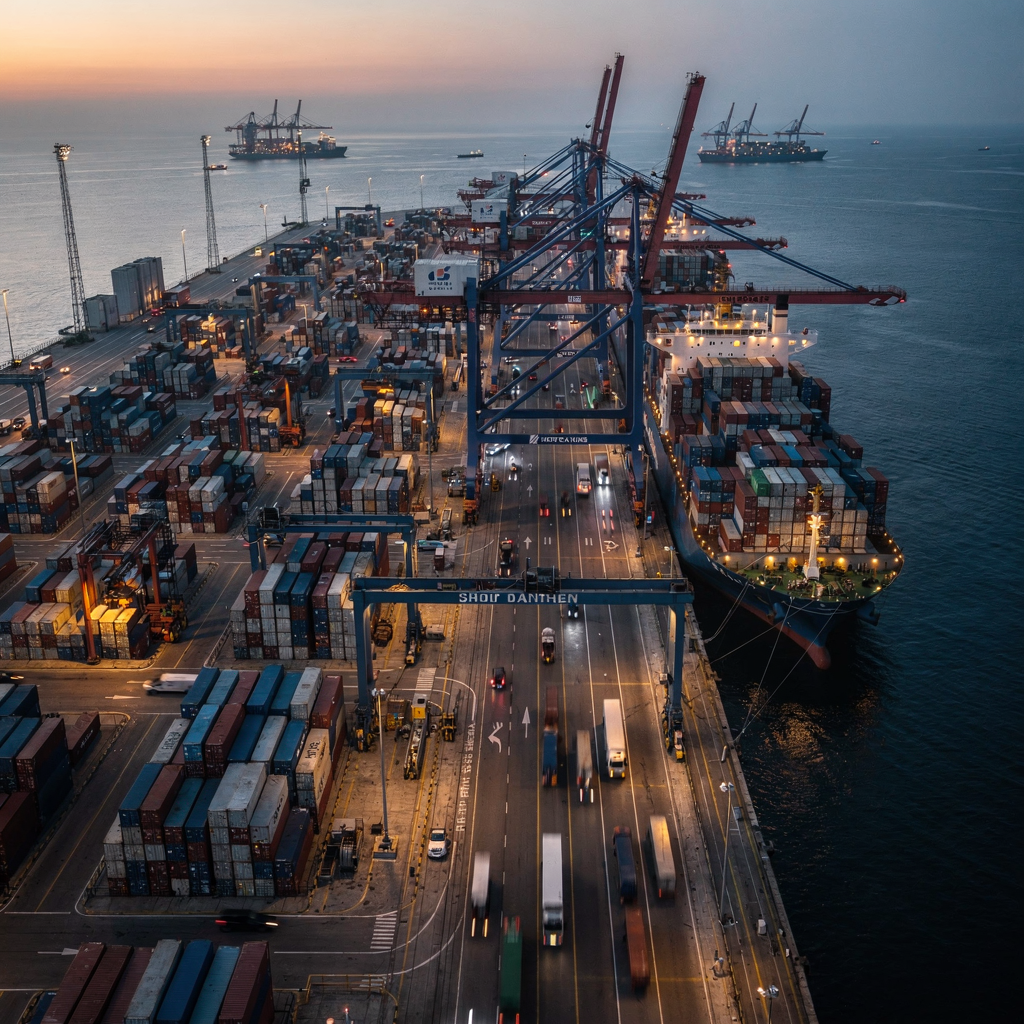
Big data analytics in deepsea container port operations
maritime operations: breaking down data for port efficiency Deepsea MARITIME OPERATIONS in container terminals involve many moving parts and tight schedules. Ships arrive. Cranes lift. Trucks collect boxes. Planners coordinate all tasks. The complexity rises with vessel size, mixed cargo types, and intermodal handoffs. To manage that complexity, operators must BREAKING DOWN DATA across systems […]
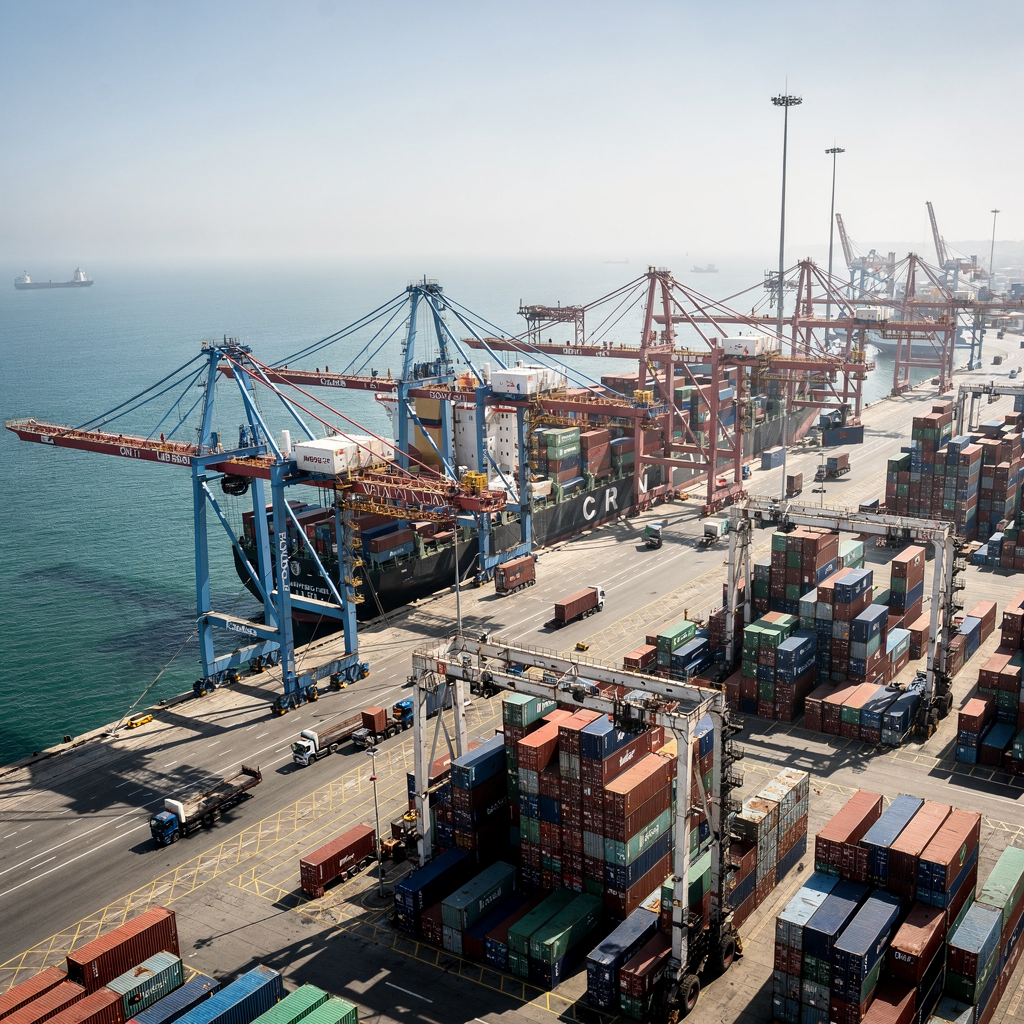
Key benchmarks for gross crane rate in container ports
Understanding Gross Crane Rate in Container Ports The gross crane rate measures how many container moves a ship-to-shore (STS) crane completes per hour. It covers both loading and unloading moves under standard working conditions. Terminal teams use this metric to judge quay productivity and to plan berth windows, and it directly affects how fast a […]
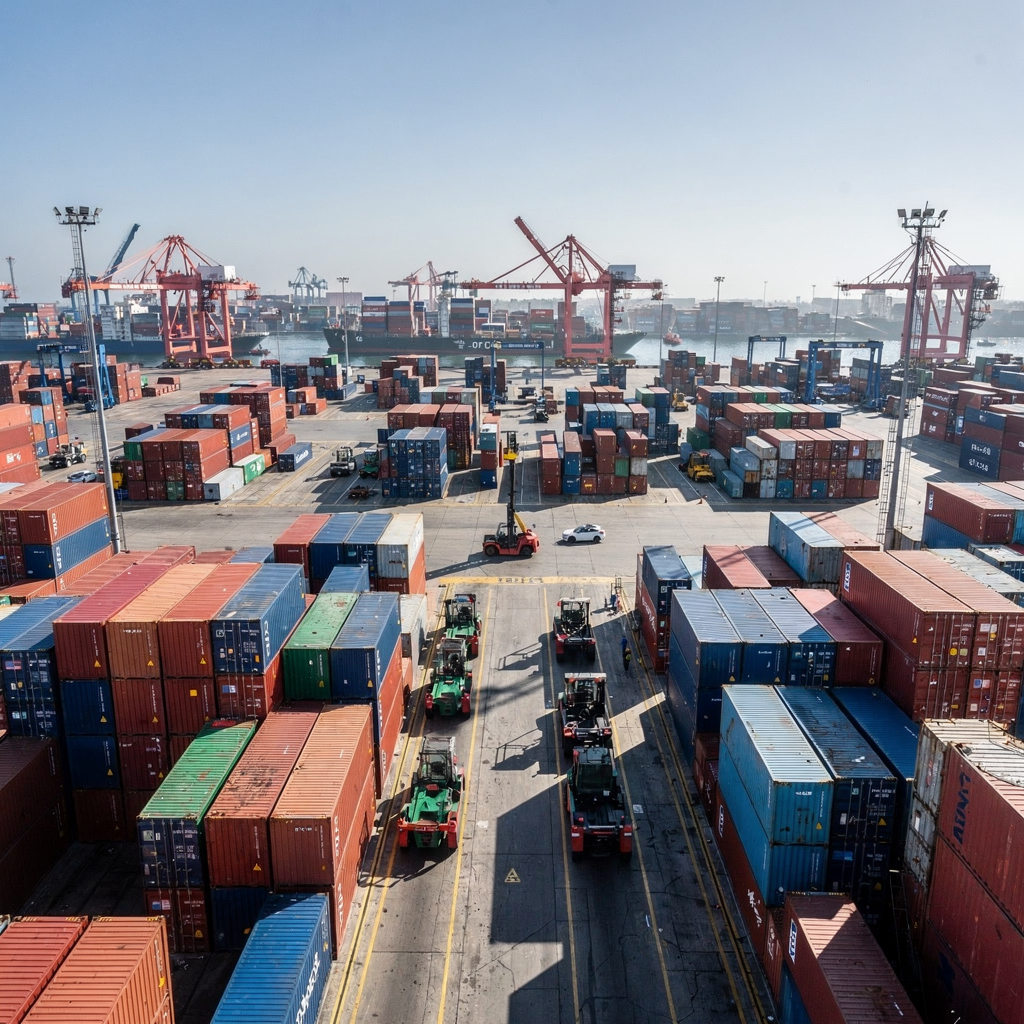
ATT job scheduling for container terminal yard & quay ops
Quay Operations Quay operations centre on berthing, crane sequencing, and swift transfer of goods from ship to shore. First, a berth is assigned. Then quay teams stage the lift plan and position equipment. In this phase, a tight sequence of moves must balance speed with safety. Research finds that “the synchronization of quay cranes, yard […]
GMPH optimization in container terminal operations
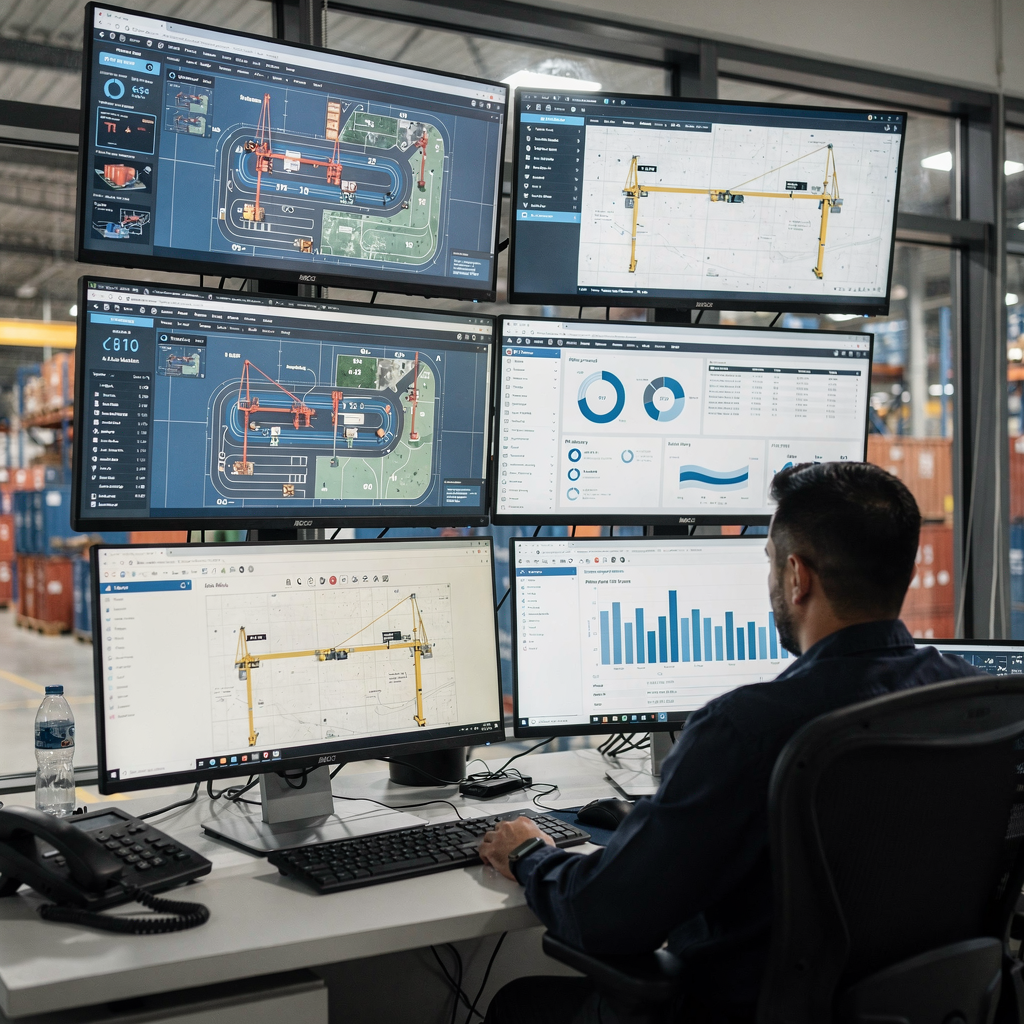
terminal: Understanding GMPH and Its Impact on Throughput Gross Moves Per Hour (GMPH) measures how many container moves a terminal executes each hour. It counts loading, unloading, and stacking. GMPH therefore gives a clear numeric view of throughput. For planners and terminal operators, GMPH links directly to berth management, yard flow, and vessel turnaround. First, […]
Integrating berth call optimisation with quay crane planning
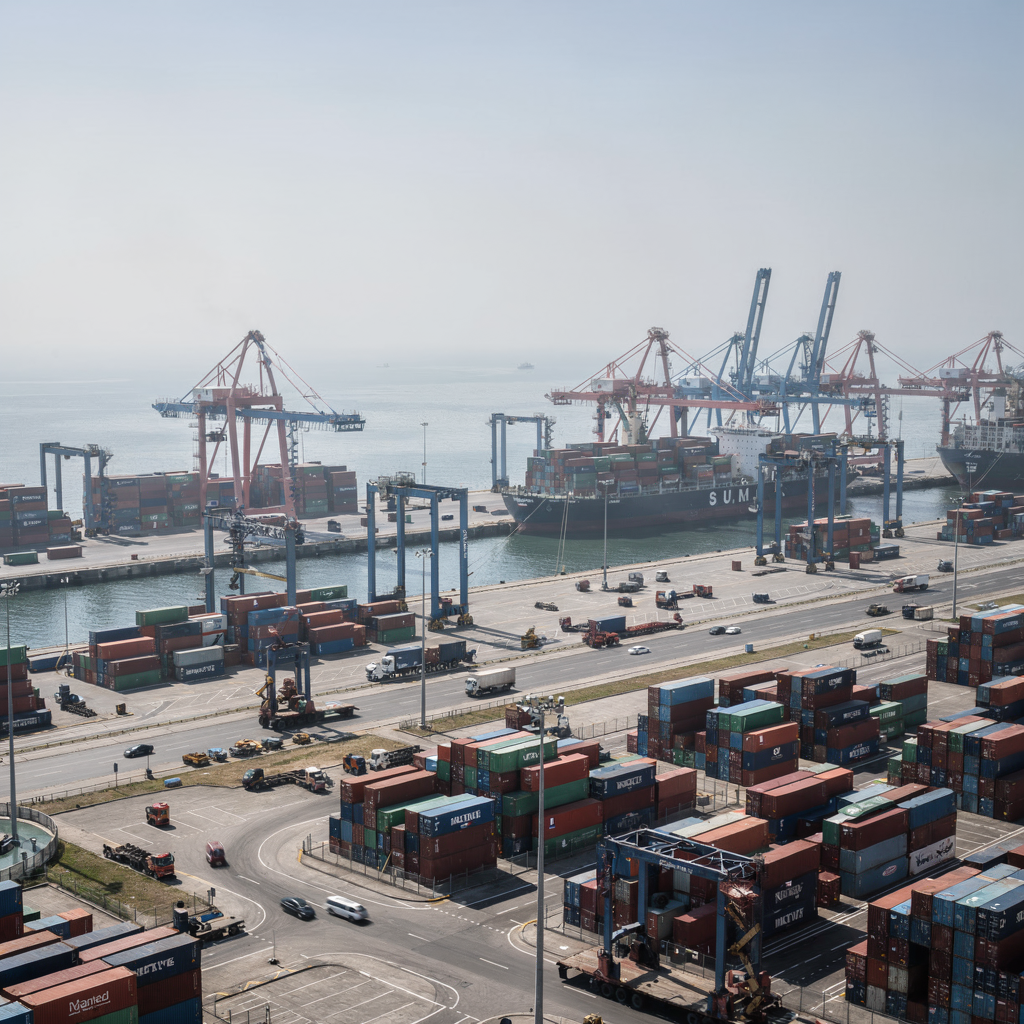
Introduction: Integrating Berth Call Optimisation with Quay Crane Planning Berth allocation and QUAY CRANE scheduling represent two tightly linked puzzles at the heart of a container terminal. Berth allocation assigns incoming vessels to quay space, and quay cranes handle the container moves on and off those vessels. Both tasks face constraints: vessel arrival uncertainty, tide […]
