
latest news
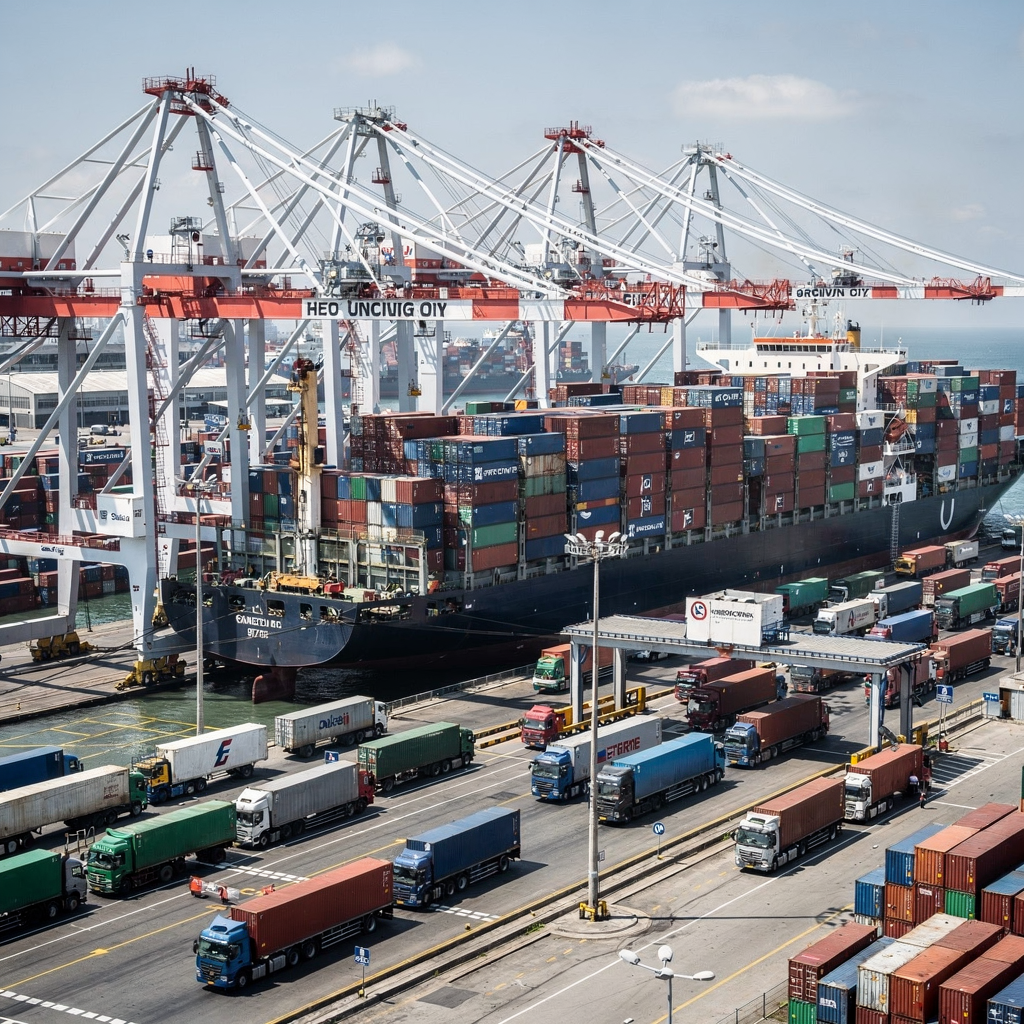
Optimize discharge sequence in container port terminal
Port Operations: Overview and Challenges Container terminals sit at the heart of global trade, and they link ships, trucks, and trains into a working supply chain. For a single maritime port the quay is the physical meeting point of many actors, and the decisions made there shape costs and delays. First, planners measure performance with […]
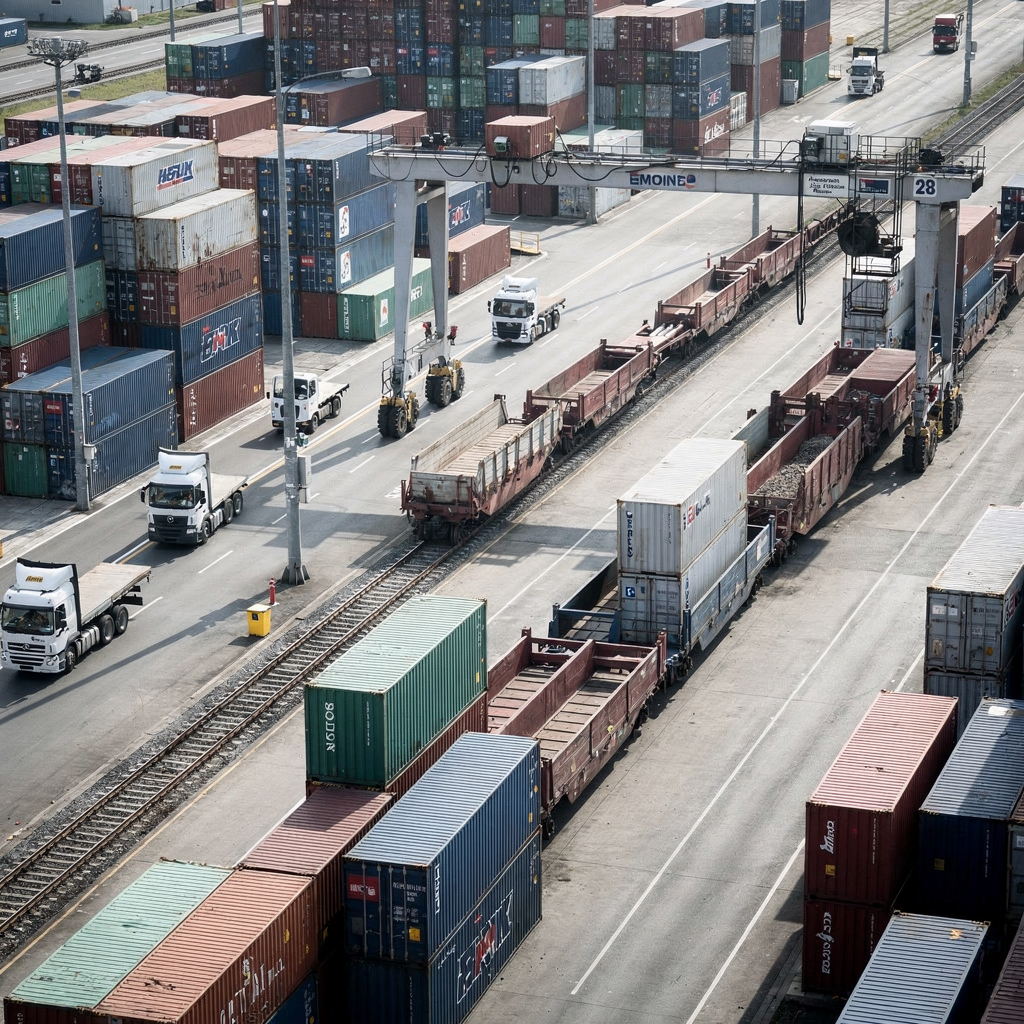
Optimising rail loading and unloading in container terminals
literature review This literature review surveys benchmark studies and operational reports that shape modern practice for rail loading and unload in inland container environments. First, the OECD benchmark provides a clear metric set for terminals and highlights the need for “reliable vehicle performance and seamless terminal access” as a foundation for container throughput OECD benchmarking. […]
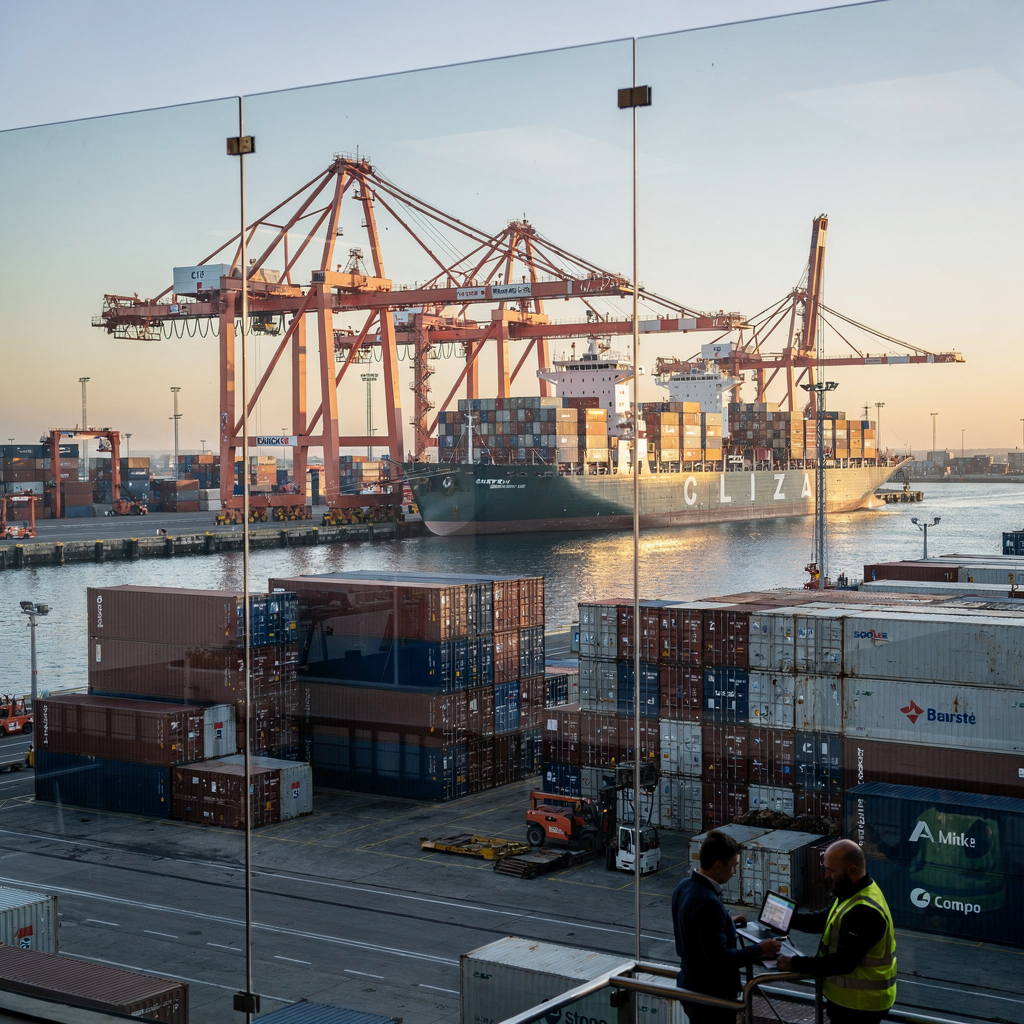
How to increase GMPH in deepsea container ports
Chapter 1: Enhancing port productivity with digitalization GMPH measures the number of container moves per hour and sits at the heart of any effort to improve container productivity in container terminals. To raise GMPH you need data, fast decisions, and fewer surprises. Digitalisation delivers those capabilities by combining internet of things sensors, real-time data feeds, […]
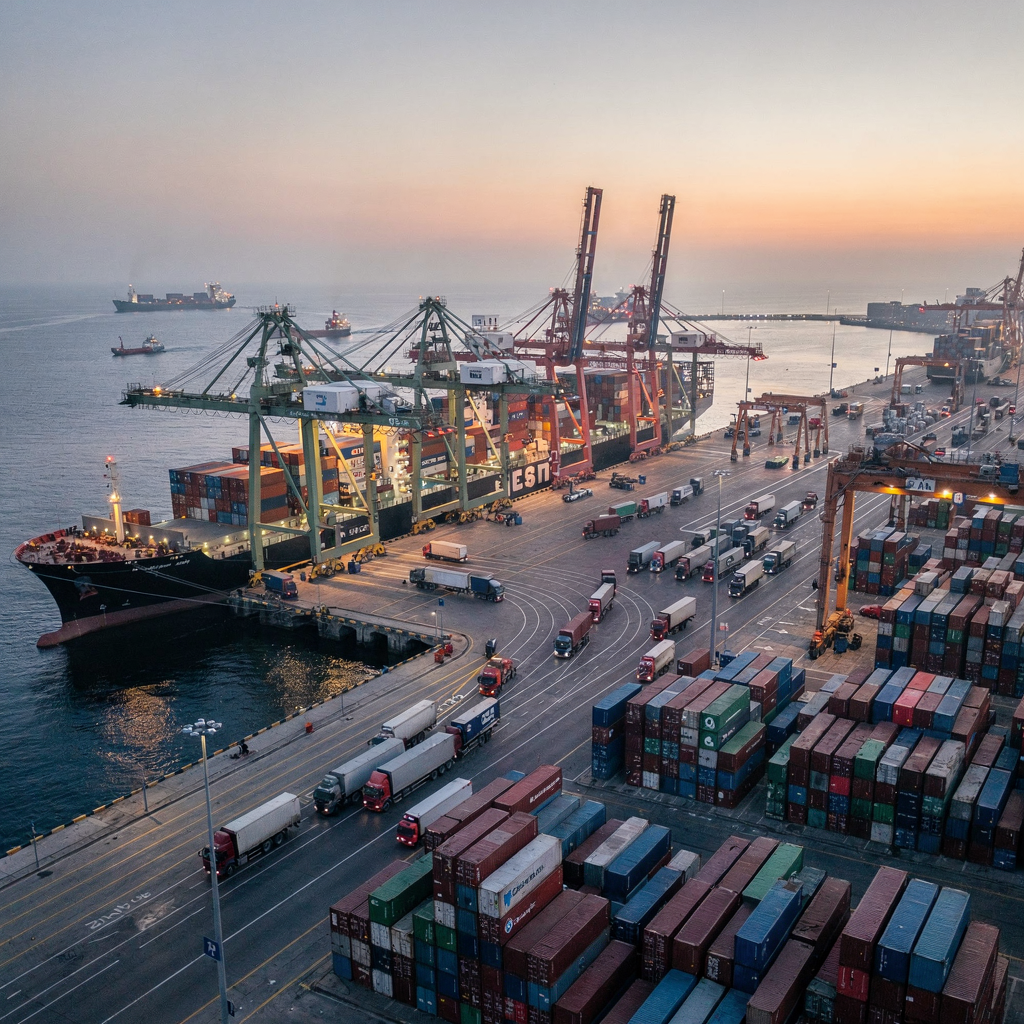
Port priority replanning strategies for late vessel calls
Port Congestion and Delays in Container Shipping PORT congestion and delays shape reliability across global trade lanes. Ports often face surges in inbound and outbound activity that overwhelm quay capacity, and this pressure reduces predictability for carriers and cargo owners. Port congestion and delays make scheduling fragile. They drive longer WAIT TIMES, higher shipping costs, […]
Reskilling port workers for container terminal automation
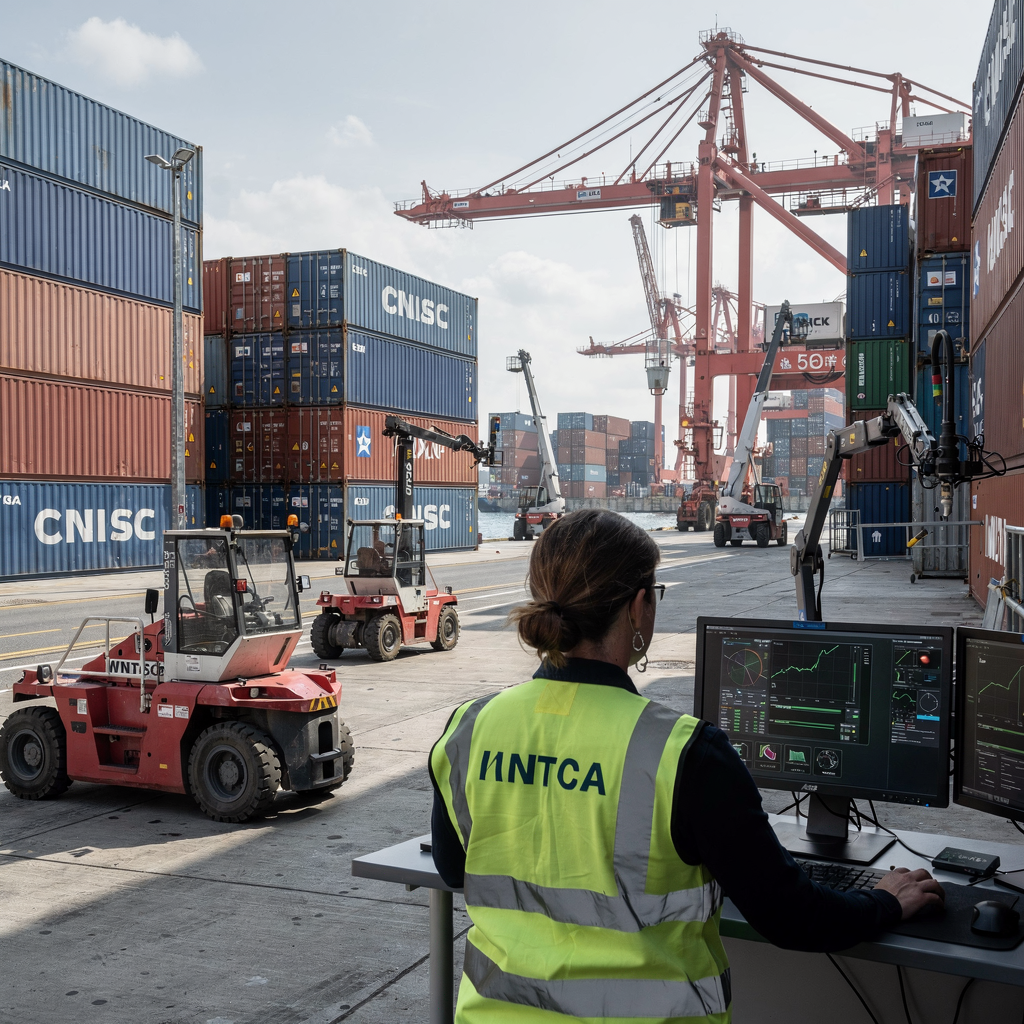
Terminal Transformation: The Case for Reskilling Ports are changing fast. Automation is driving that change. As a result, the nature of work at the container terminal shifts from manual lifts to digital tasks. For example, leading hubs such as Rotterdam and Antwerp are moving toward high degrees of mechanisation. Some studies show automation levels in […]
AI transforms terminal operations with human intervention
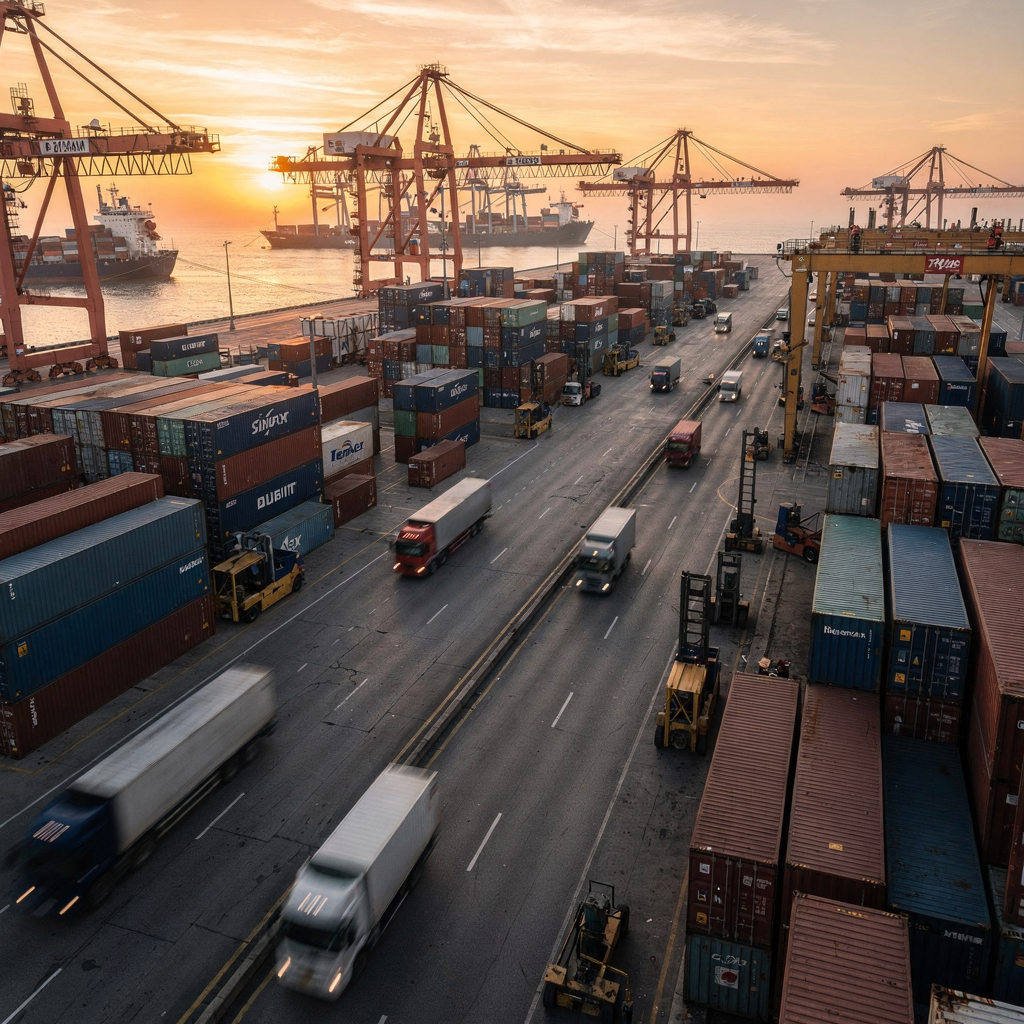
AI integration and machine learning in maritime terminal operations Maritime terminal operations cover quay planning, cargo handling, yard management, and berth scheduling. First, these activities must balance limited space with tight vessel windows. Second, they require fast responses to arrival changes, tidal shifts, and equipment faults. Third, planners juggle competing KPI trade-offs like quay productivity […]
