
latest news
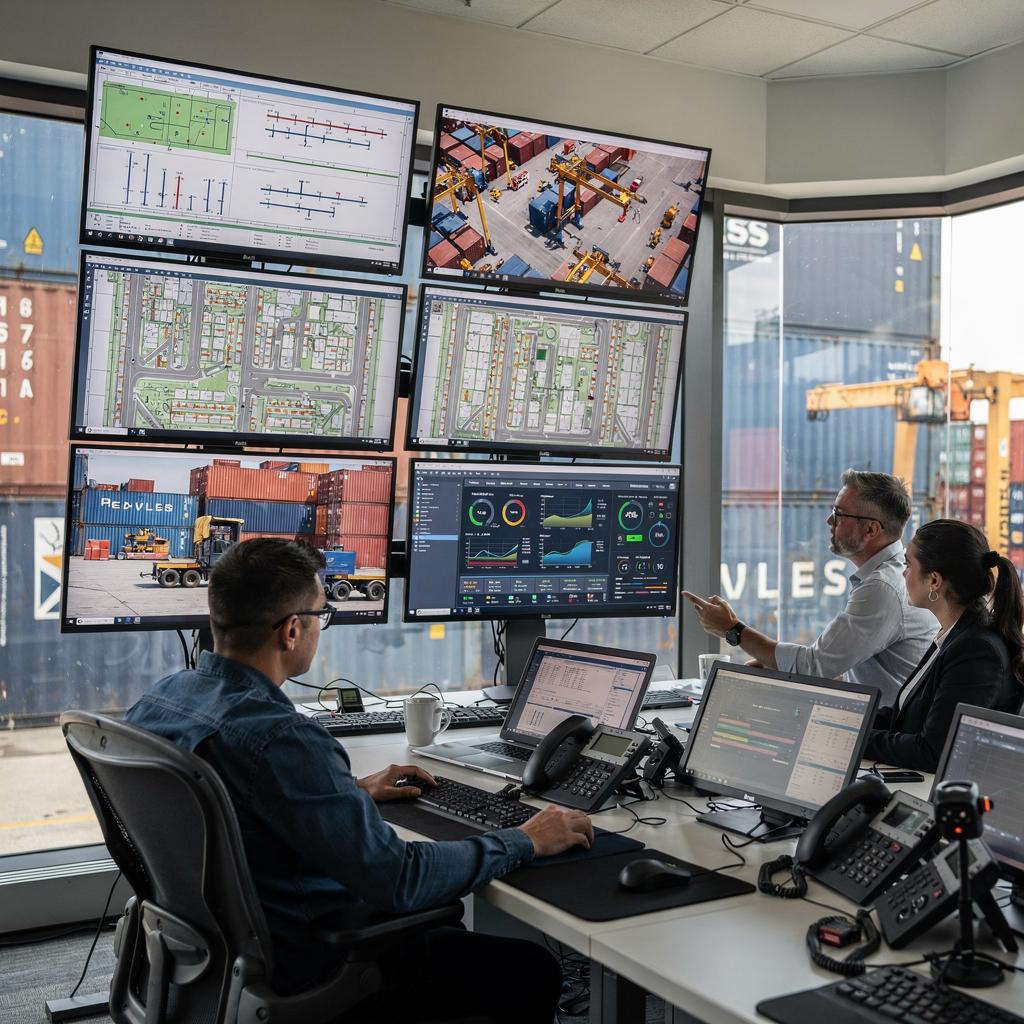
Port congestion container terminal gate congestion solutions
Root causes of port congestion and terminal inefficiency First, define what we mean by congestion in a practical way. Port congestion describes a situation where arrivals, departures, and yard activity exceed a facility’s handling capacity. As a result, the movement of goods slows and the entire supply chain feels the effect. For example, truck turnaround […]
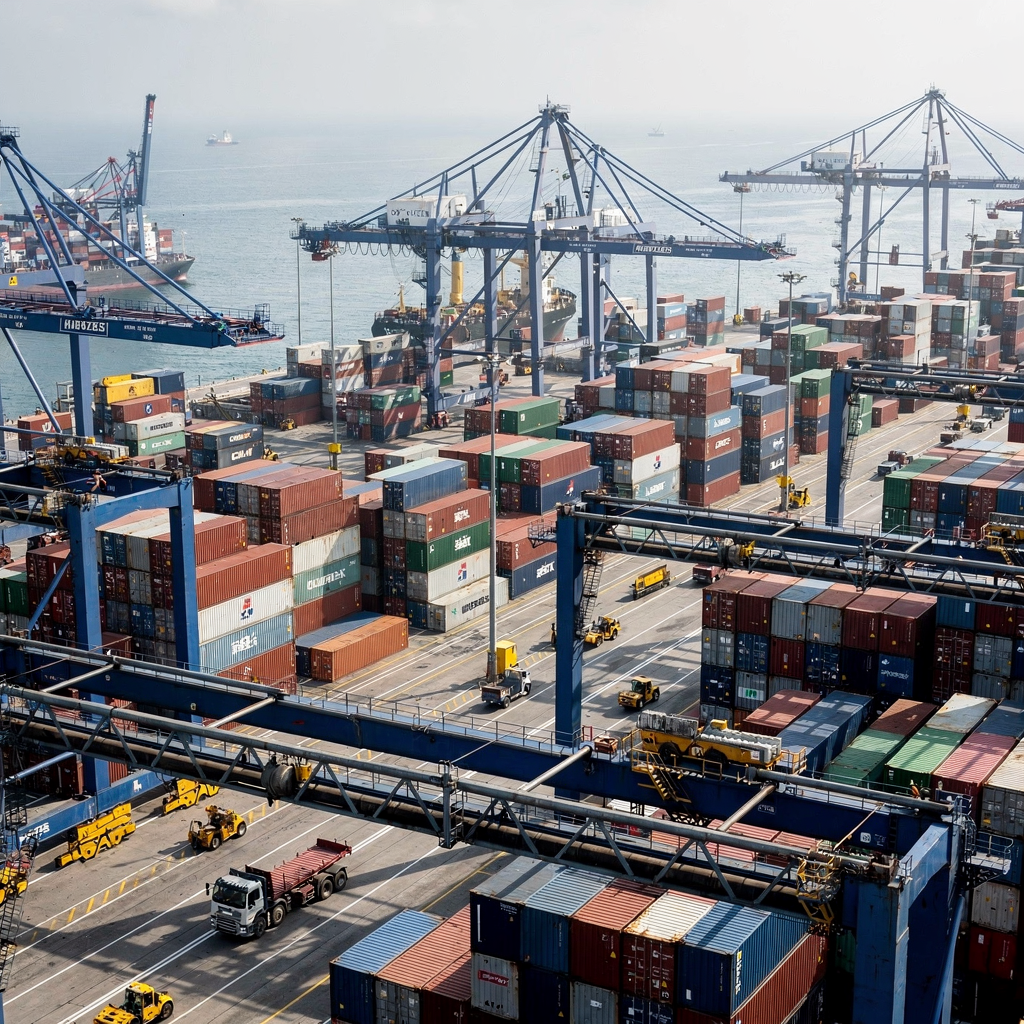
Port terminal automation for container crane planning
crane automation: optimize container handling and reduce congestion Split-planning algorithms reassign tasks so each crane in the berth works without long pauses. In practice, a single vessel operation sees multiple cranes coordinated to handle bays and bayside work. The software will allocate picks and placements across quay cranes to balance cycles, reduce idle time, and […]
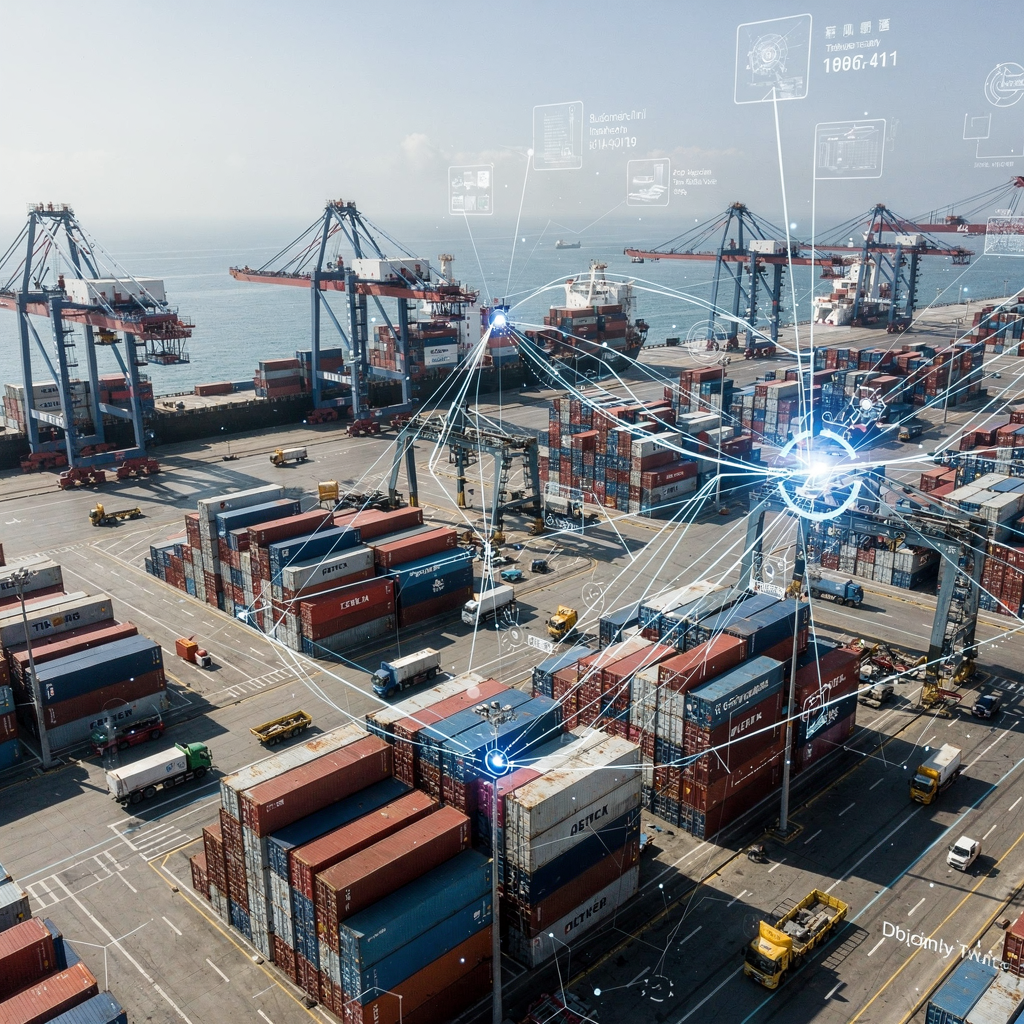
Optimize port operations with AI container planning
ai-powered real-time container planning Real-time replanning means adjusting plans as events happen. It uses live feeds, models, and control logic. In container planning, a digital twin simulates equipment, stacks, and ship calls. The digital twin lets planners test options before they touch the quay. For example, a digital twin-driven proactive-reactive scheduling framework models quay, yard, […]
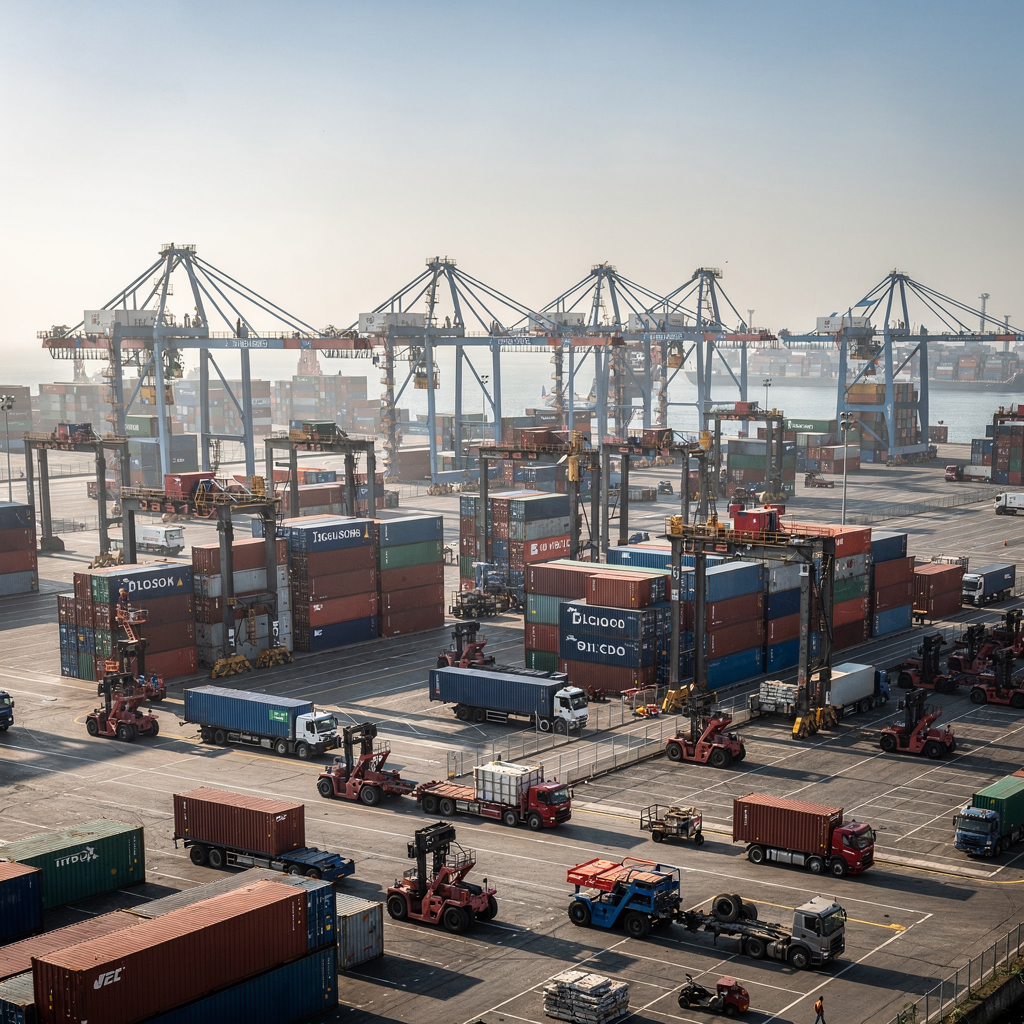
Collision prevention systems for container terminals
Terminal safety: collision prevention fundamentals Container terminals are the hubs where ships, trucks, cranes, and yards meet to move global trade. First, they receive a container on a quay. Then, cranes transfer that box to a stack. Next, trucks and straddle carriers take it to a container yard or gate. For terminal operators, keeping this […]
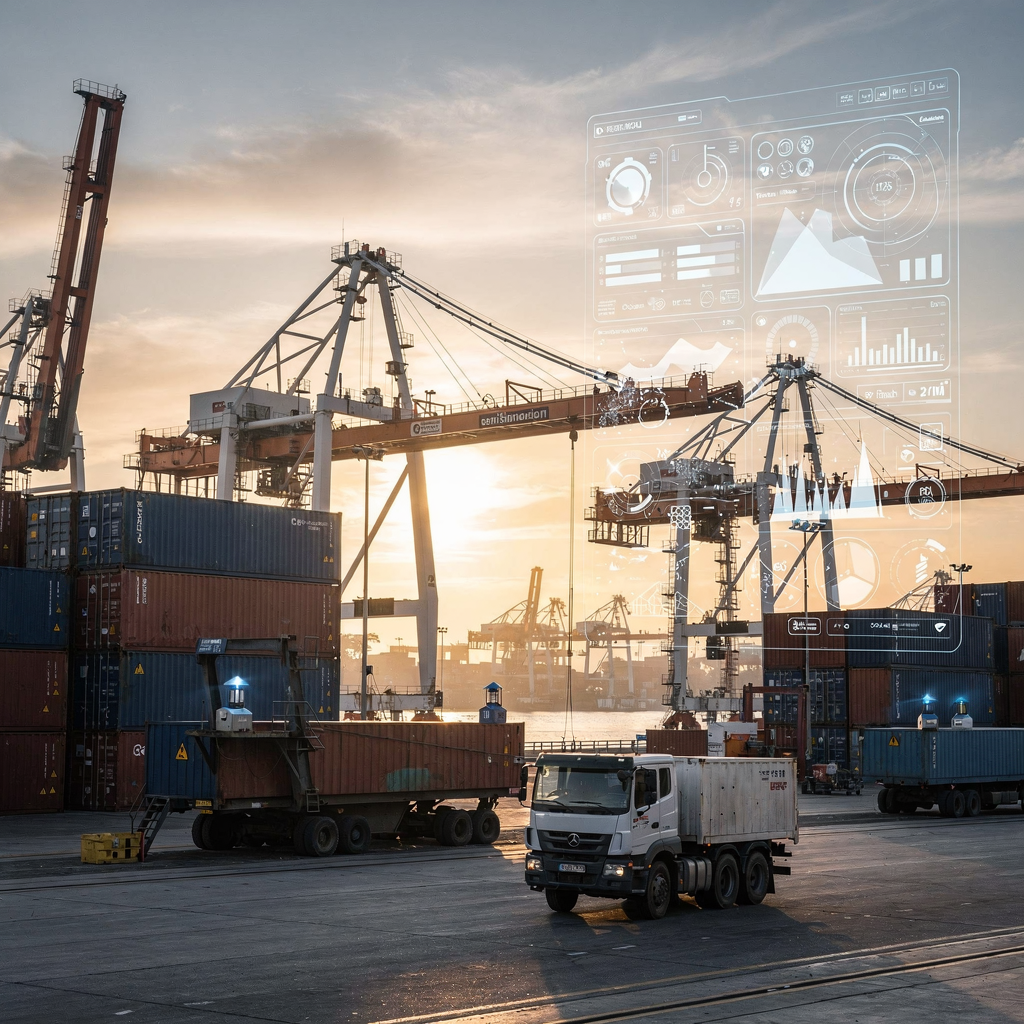
Lean management through digitization in terminal operations
terminal Digitization in Logistics Hubs Digitization means converting analogue workflows and records into digital formats so teams can act faster and with more clarity. In a terminal this process includes sensors, RFID tags, smart cameras, and mobile interfaces that capture status and movement. Data collection is the backbone. Smart sensor-based data capture and IoT feed […]
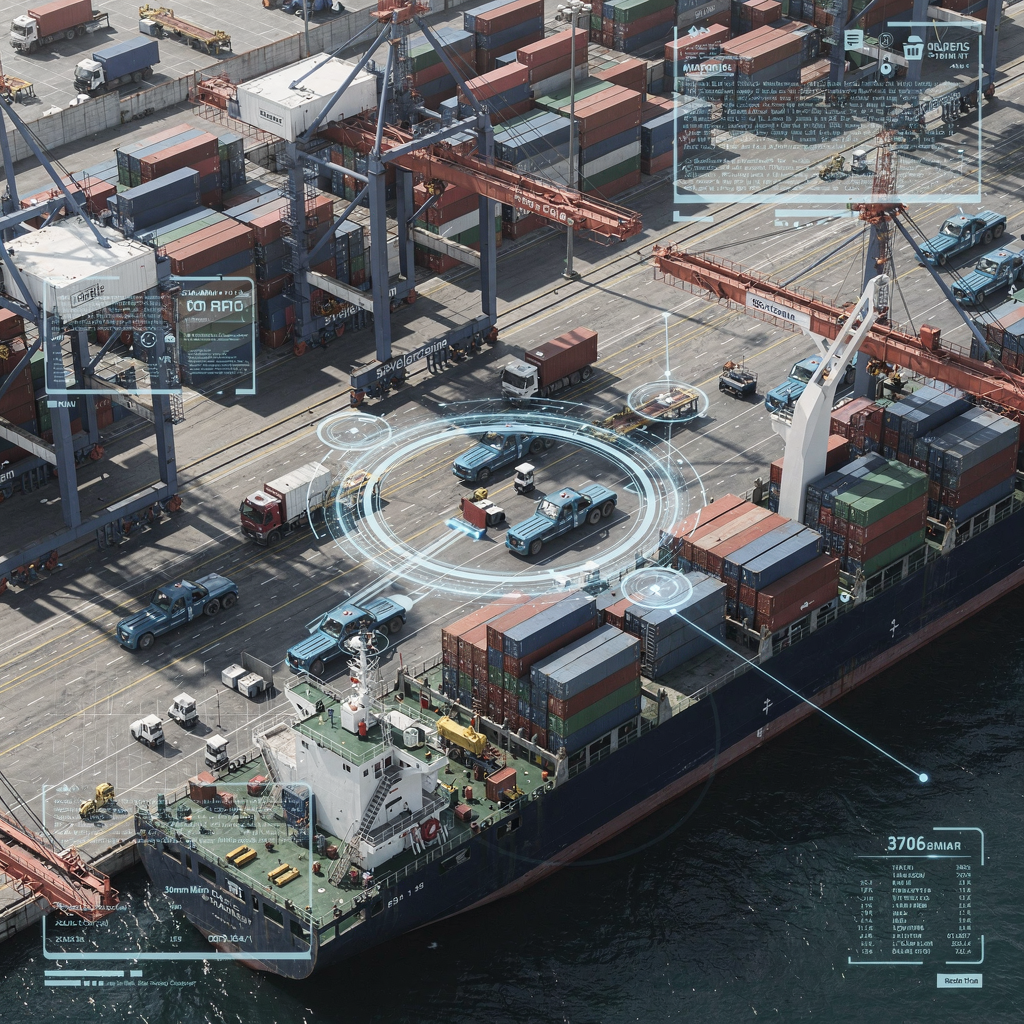
Scaling AI across port operations and terminal automation
understanding AI in port operations and maritime operations AI is transforming how modern PORT OPERATIONS and MARITIME OPERATIONS run. First, AI gives teams faster situational awareness. Second, it predicts congestion and equipment faults. Third, it guides planners with recommended actions. For example, AI Assistants capture sensor streams and supply real-time insights that reduce turnaround time […]
