
latest news

Open Source Terminal Simulation Software for Linux
terminal and the rise of terminal emulators for linux Terminals have shaped computing for decades. From the teletype machines in early UNIX labs to the VT100 era, the terminal evolved into the central tool for system administrators and developers. Today many people prefer a graphical wrapper that preserves the raw command line feel. As a […]
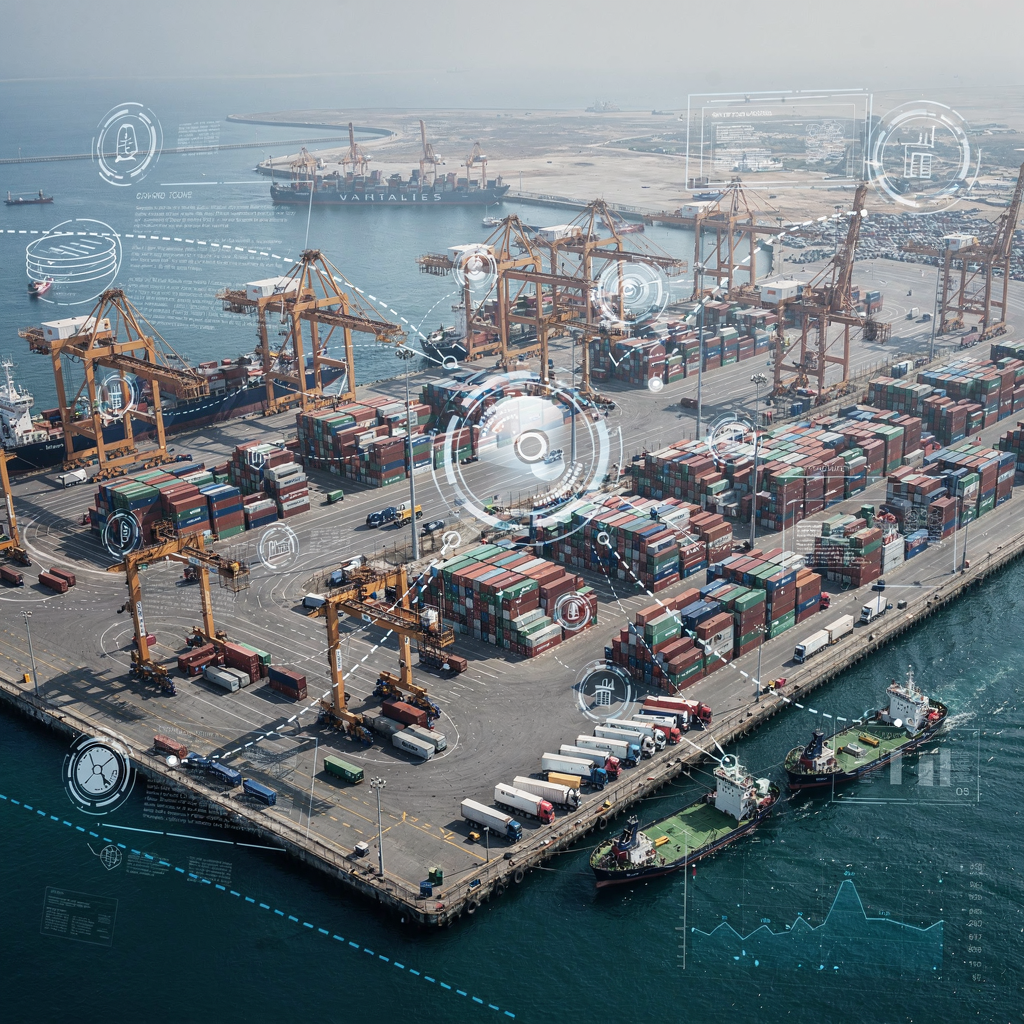
Container Terminal TOS Alternatives: Top Operating Systems
Terminal Management: Challenges and Goals Terminal managers face daily pressure to run the terminal more efficiently, to reduce costs, and to keep schedules on track. Also, data silos hold back visibility and slow decision making. Hardware integration with cranes, scanners, and gate systems often fails to integrate cleanly, and manual processes still control many workflows. […]
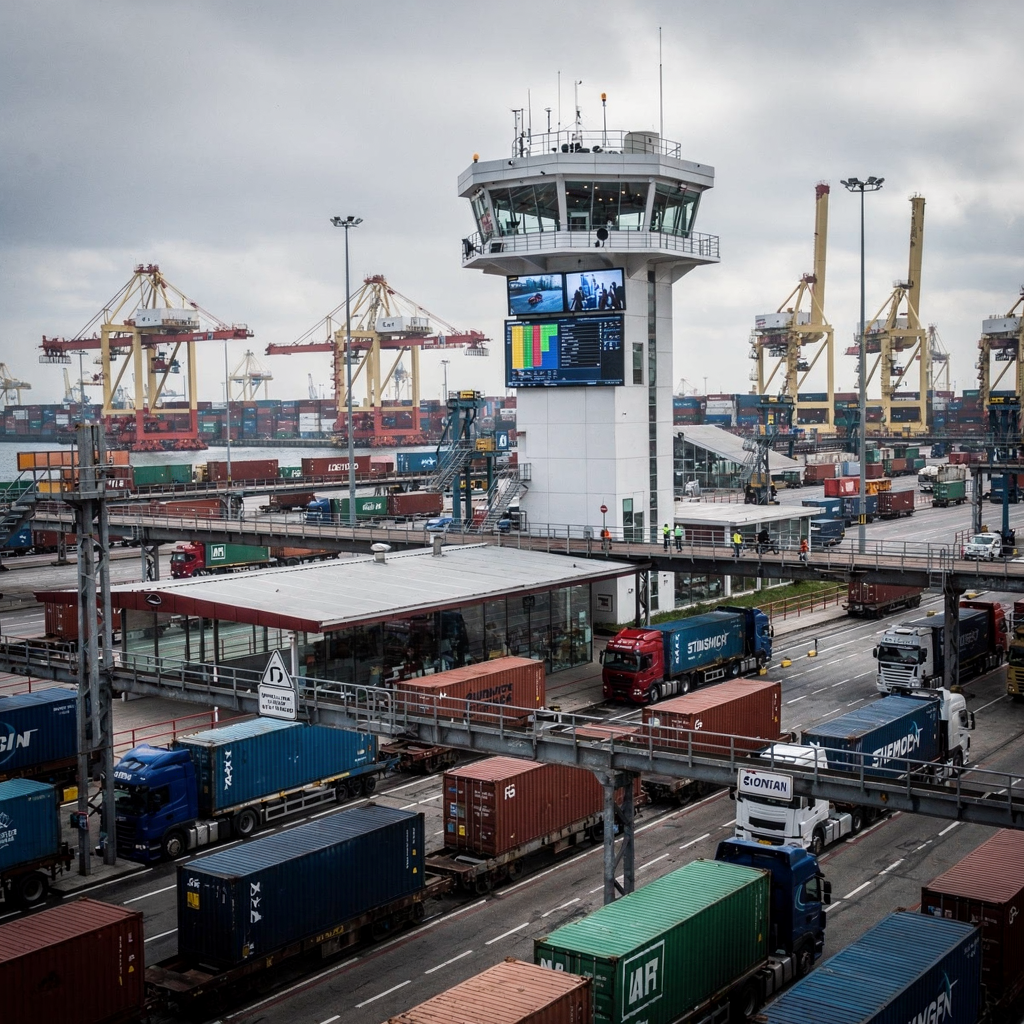
Best terminal operating systems 2025 for intermodal use
terminal operating system market trends for 2026 The global terminal operating system market is shifting fast. Forecasts show steady growth and a rising need for cloud-first solutions. For example, market research projects the TOS market will reach roughly $867.1 million by 2033, driven by automation and data-driven planning. Also, analysts estimate a bigger jump from […]
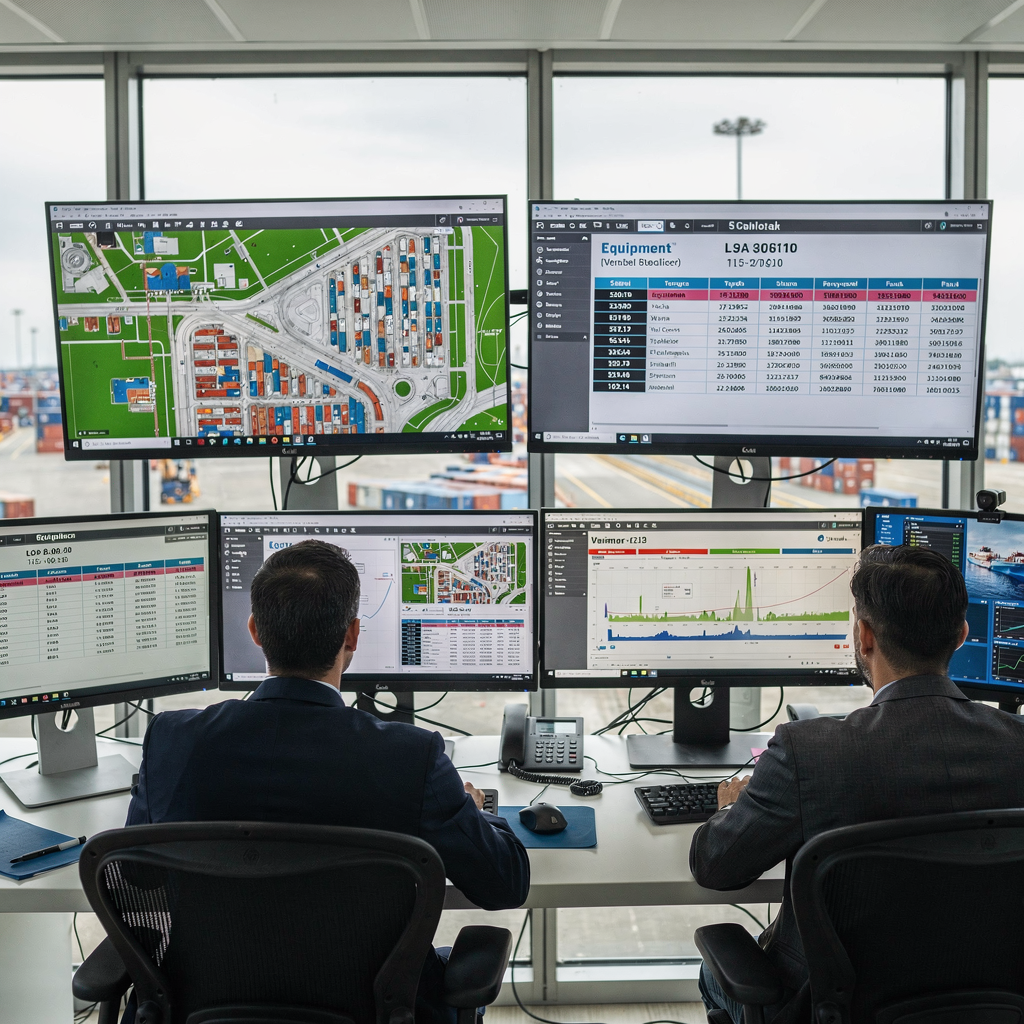
Navis vs Kaleris TOS comparison for terminals
navis TOS: Market Reach and Core Capabilities Navis has built a reputation as a market leader in terminal SOFTWARE. First, it is widely deployed. Navis runs in over 200 terminals worldwide and supports millions of container MOVES each year, which demonstrates real MARKET SHARE and reliability Best Terminal Operating Systems (TOS) of 2026 – SourceForge. […]
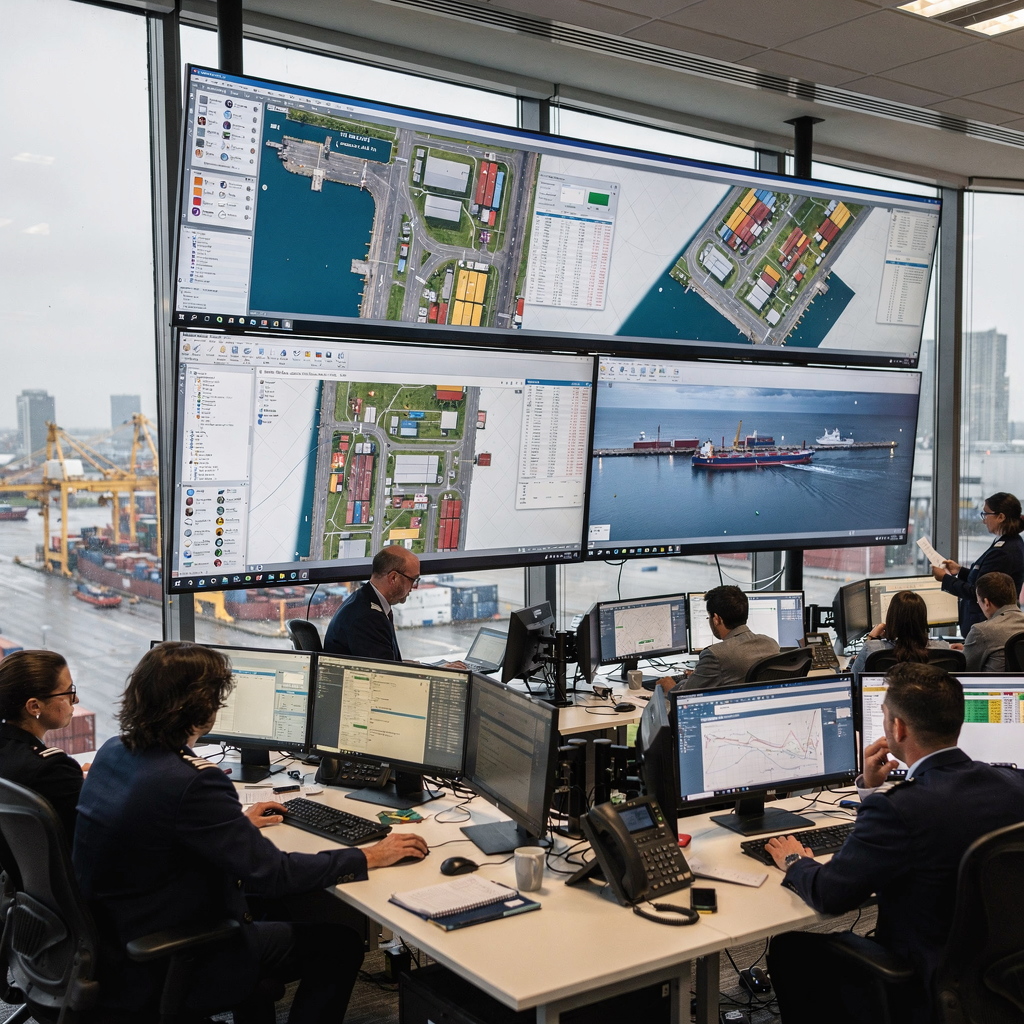
Terminal operating systems: Hogia terminal operating system
Introduction to hogia terminal operating system The hogia terminal operating system is an integrated TOS solution for port and terminal management. It gives terminal staff a real-time overview of the logistics chain, so teams can see what, when and where things move. For example, the platform offers yard management, vessel planning, crane scheduling and automated […]
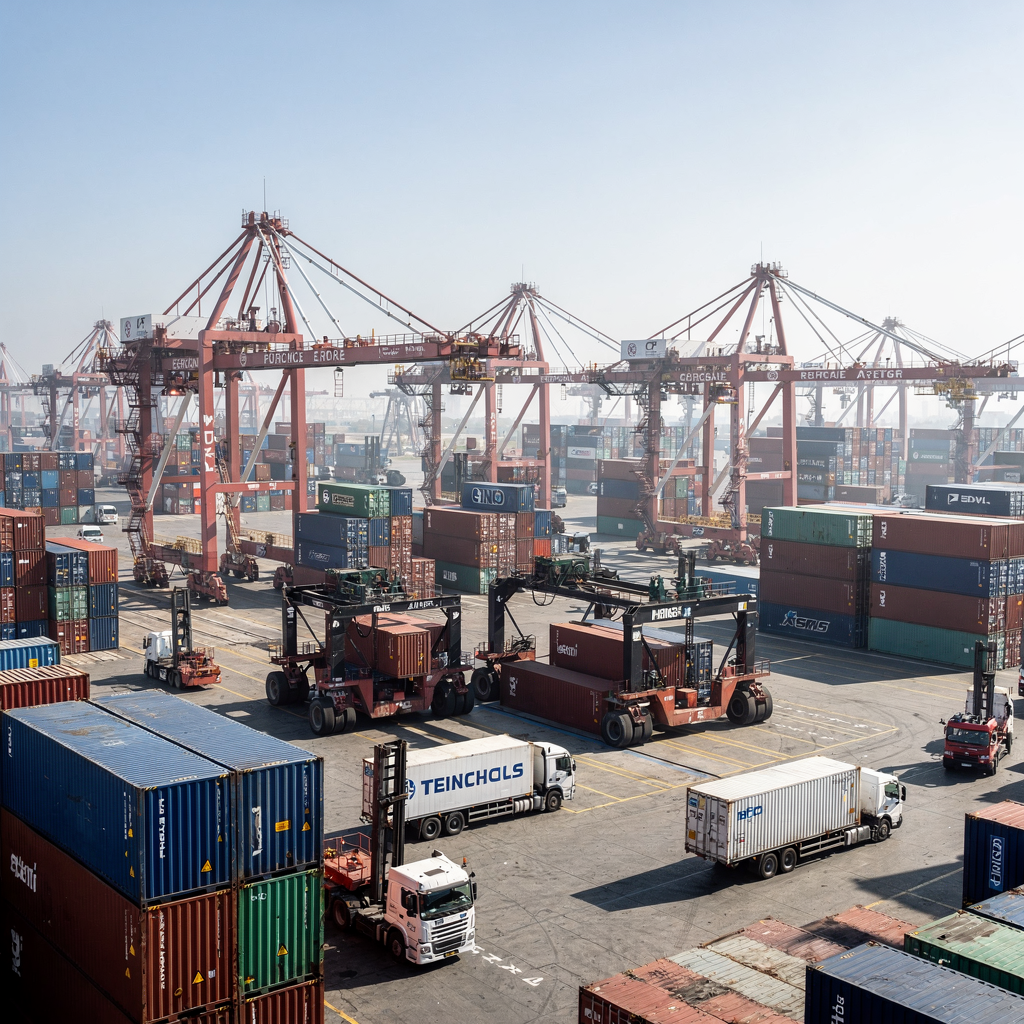
Terminalcontrol TOS: Efficient Terminal Operating System
Understanding tos in the terminal environment TOS stands for terminal operating system. It controls the movement and storage of various assets around the terminal. First, a TOS provides a real-time overview of yard management, gate flows, berth activity, and equipment status. Also, it links radio-frequency identification and radio data terminals to a central database. Next, […]
