
latest news
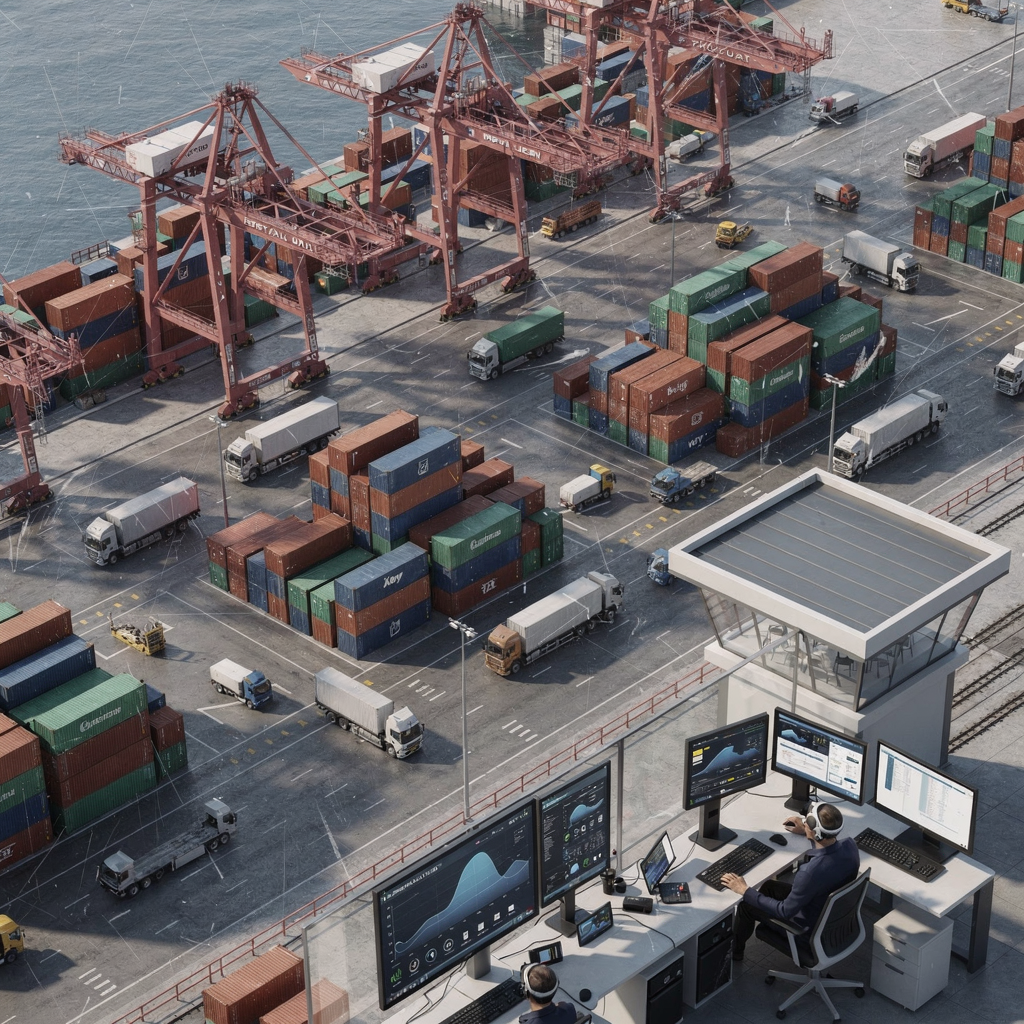
Terminal decision support simulation for ports and terminals
simulation model and digital twin for terminal operations A simulation model in a terminal context is a structured digital copy of workflows, rules, and physical layout that decision-makers use to test scenarios. First, the model represents quay, yard, gate, and truck interactions. Then, it layers arrival patterns, equipment cycles, and human decisions. The digital twin […]
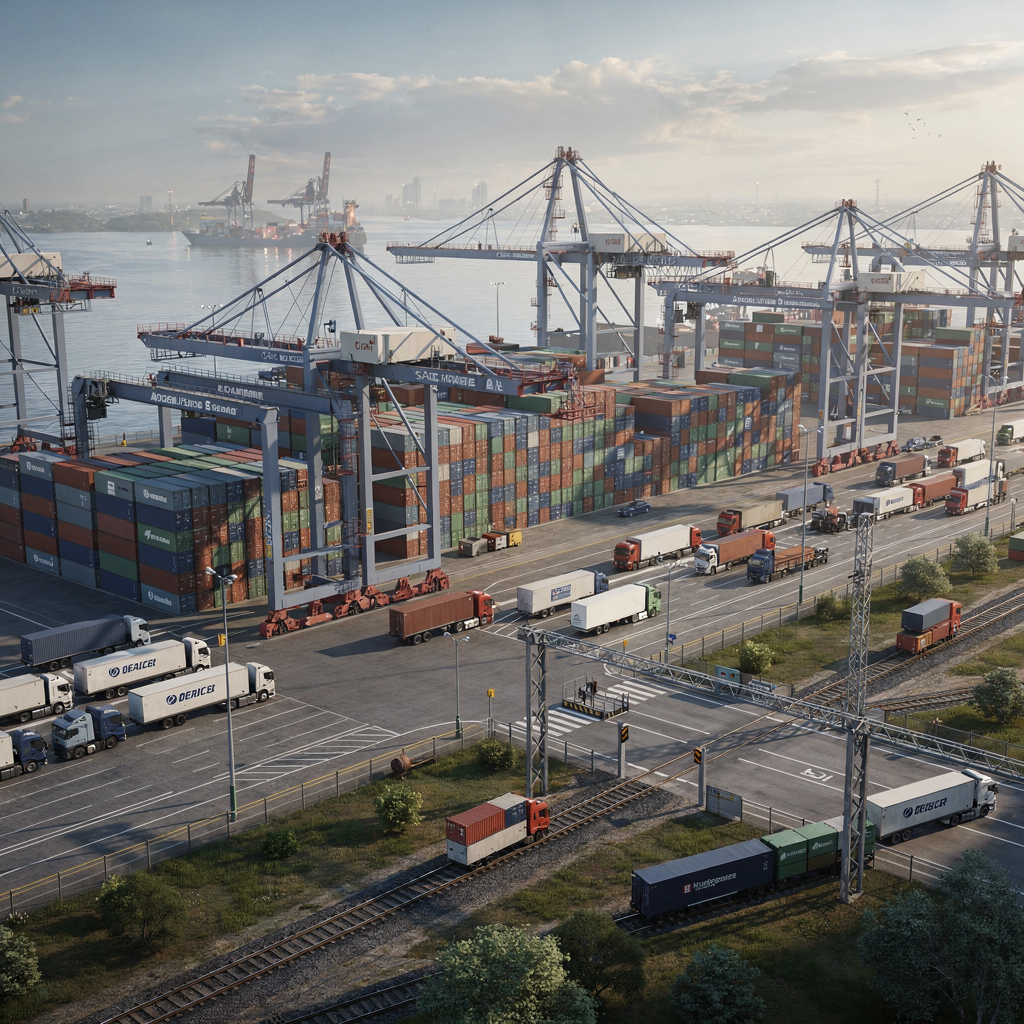
What Simulation Software Do Container Terminals Use
simulation modeling for container terminal operations Simulation modeling gives terminal planners a way to TEST decisions before they hit the quay. It combines data, rules, and randomness to represent real processes. In a container terminal context, a model reproduces crane cycles, truck queues, yard moves, and gate checks. Planners can therefore quantify effects of changes […]
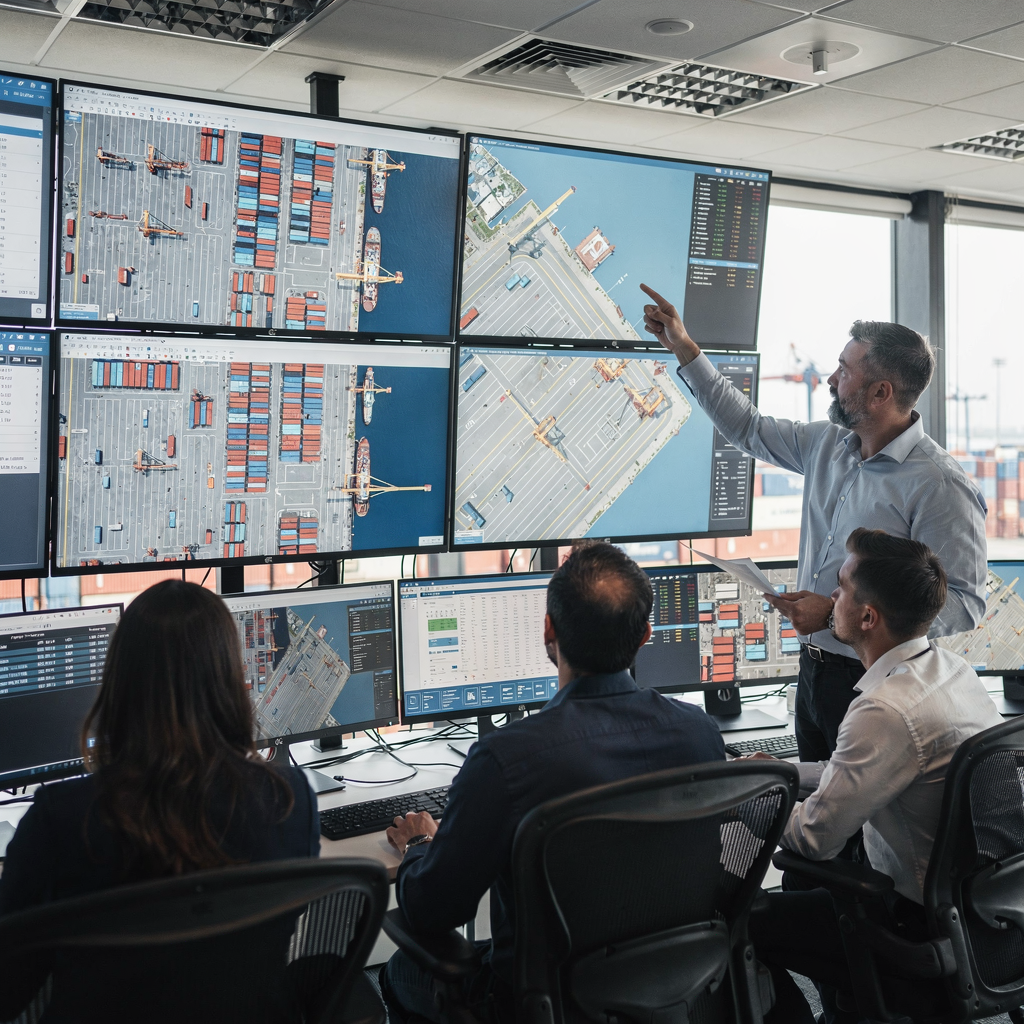
Terminal optimisation digital twin for ports
Digital Twin is a Virtual Representation of the Physical Terminal A digital twin is a virtual representation of the physical terminal that mirrors equipment, flows, and decisions. First, the digital twin is a real-time model that reflects layout, machines, and human tasks. Next, it connects to IoT and to sensor feeds so the virtual twin […]
TOS vs Simulation: Differences Explained
simulation: Data Latency and Market Feeds First, a clear distinction exists between live feeds and demo feeds on thinkorswim. For example, thinkorswim® papermoney® shows delayed quotes for many equities. This delay can be significant: some users report delays up to 15 minutes for certain stocks, especially when feeds come from delayed vendors “Why are thinkorswim […]
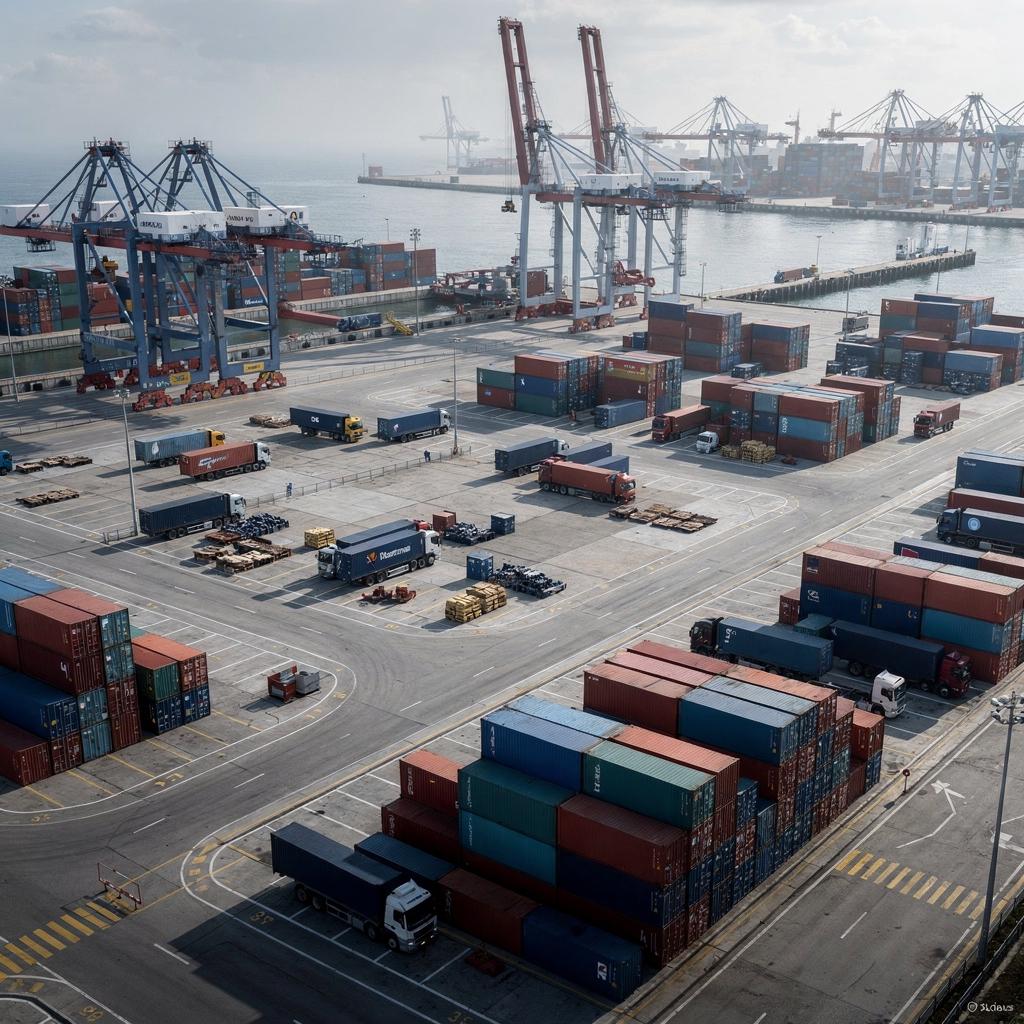
Port logistics simulation software reviews
Port Simulation Software and Simulation Model Fundamentals Port simulation tools model complex workflows so planners can test changes without shutting live systems. In practice, a discrete-event simulation model represents events such as crane arrivals, truck queues, and container moves. For clarity, discrete-event approaches let users step through each interaction. This makes it simpler to measure […]
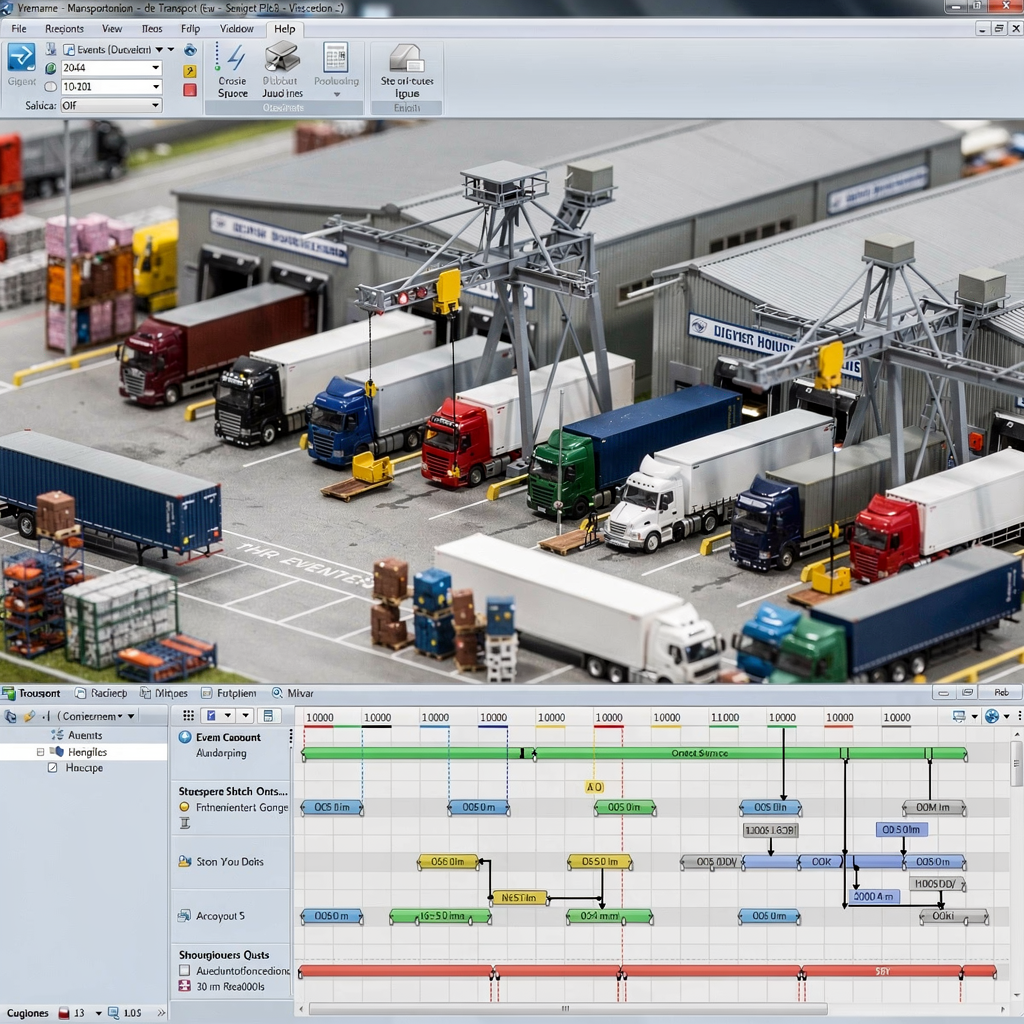
Discrete simulation of heavy equipment transport utilisation
Discrete event simulation: foundations and scope Discrete event simulation defines a class of models where state changes occur at distinct moments. Firstly, it maps events such as loading, travel, unloading, and maintenance to discrete timestamps. Secondly, it models queues, resources, and interactions in realistic ways. Thirdly, it helps stakeholders evaluate operational choices rapidly. For transport […]
