
latest news
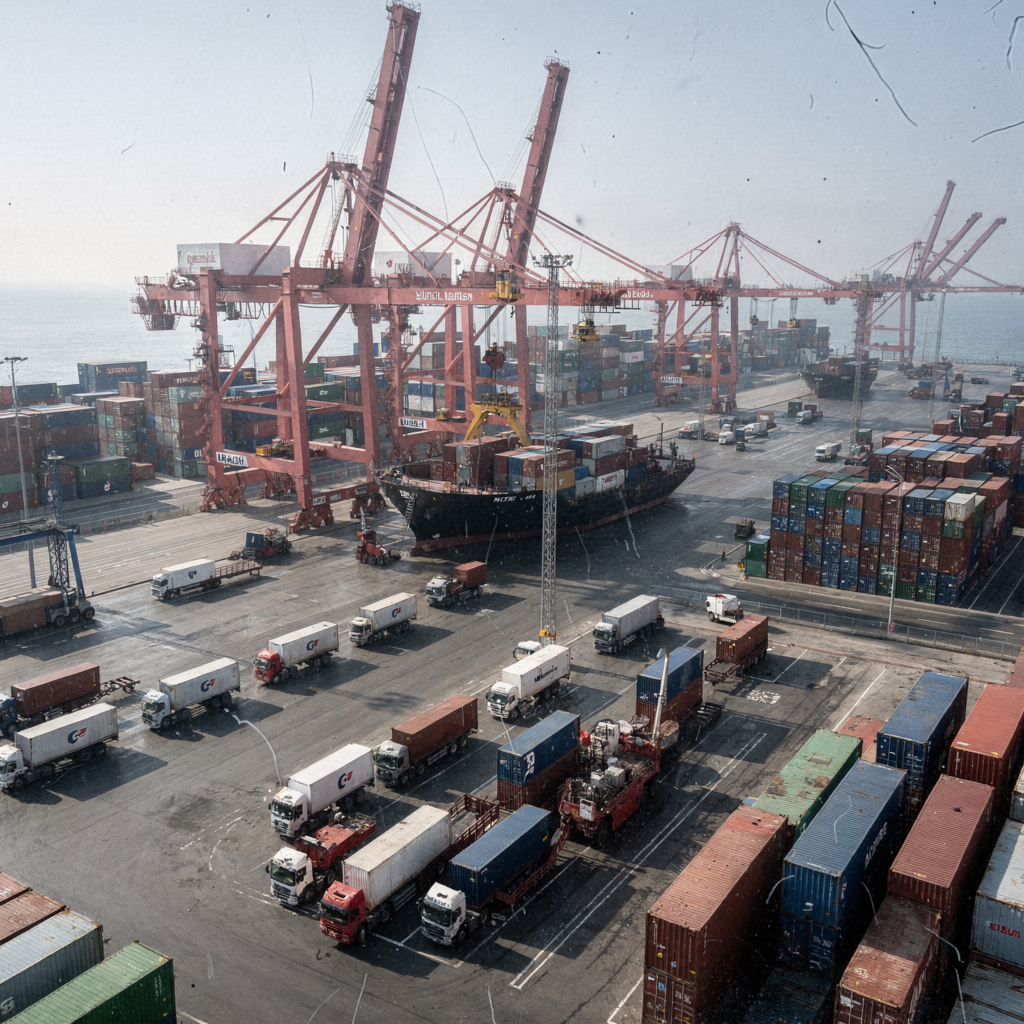
Container terminal schedule optimisation to reduce delays
literature review of port equipment scheduling research This literature review focuses on cross-equipment job prioritization in the container world, and it frames the scheduling problem that terminal planners face every day. Researchers have examined how to sequence moves across quay cranes, trucks, and yard handlers to reduce idle time and avoid queues. The review highlights […]
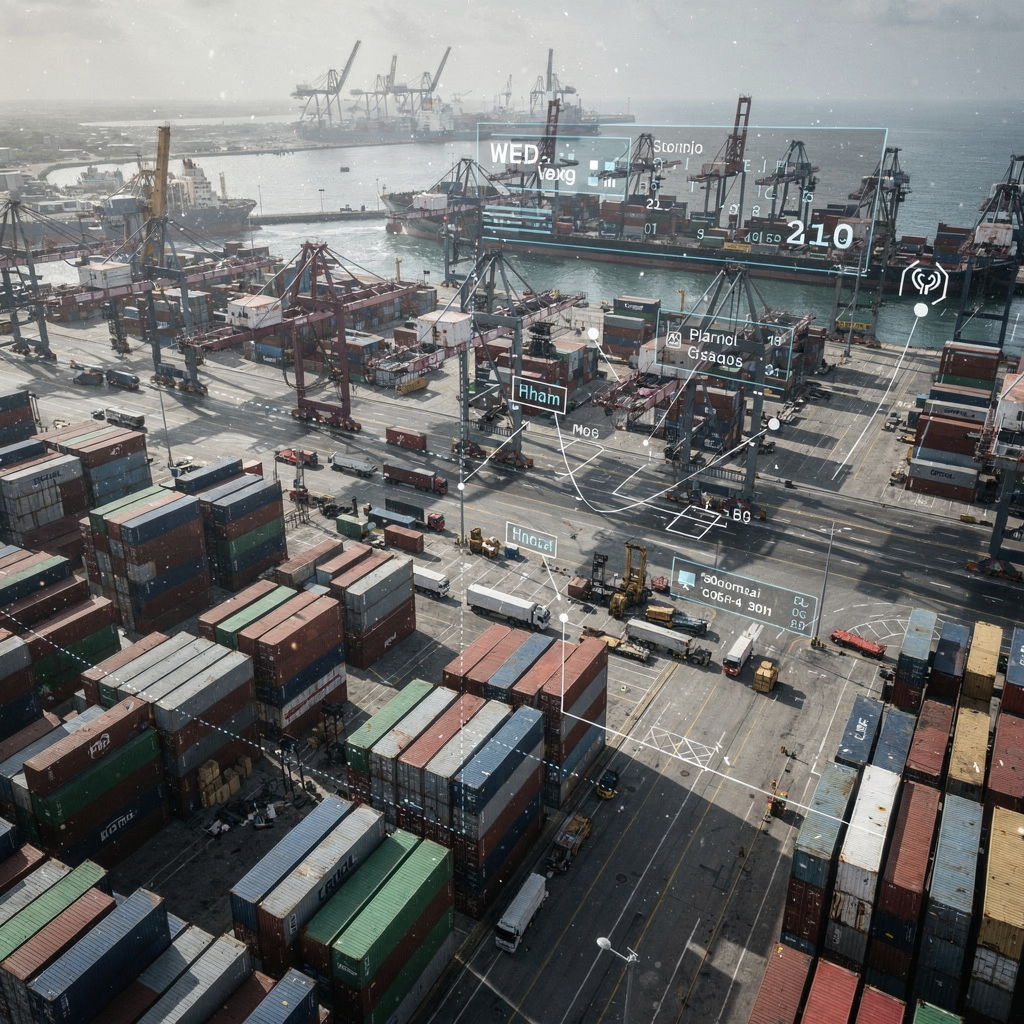
AI algorithm for container terminal stowage plan
Port Layout and Container Stacking: Stack Operations in the Terminal Ports channel freight through distinct zones, and each zone has a clear role in container flow. First, ships call at the quay where quay crane operations load and discharge containers. Then, trucks, trains, and automated vehicles move boxes to the container yard. Next, the yard […]
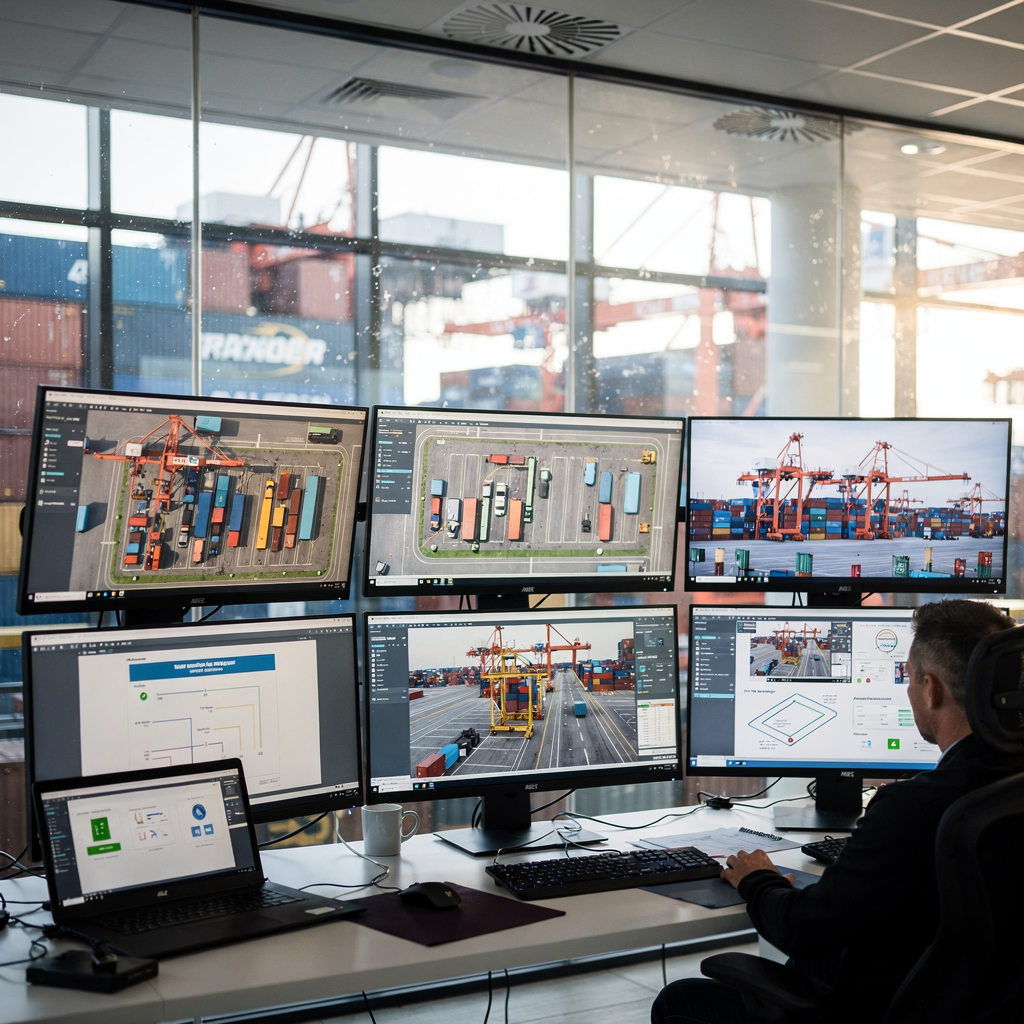
Decouple fleet control logic from TOS in terminal operations
Understanding the terminal operating system and tos Landscape A terminal operating system (TOS) sits at the heart of a container terminal. It schedules vessel calls and assigns moves, and it tracks containers from gate to quay. It also holds embedded fleet control logic in many legacy deployments, and that coupling shapes how the terminal runs. […]
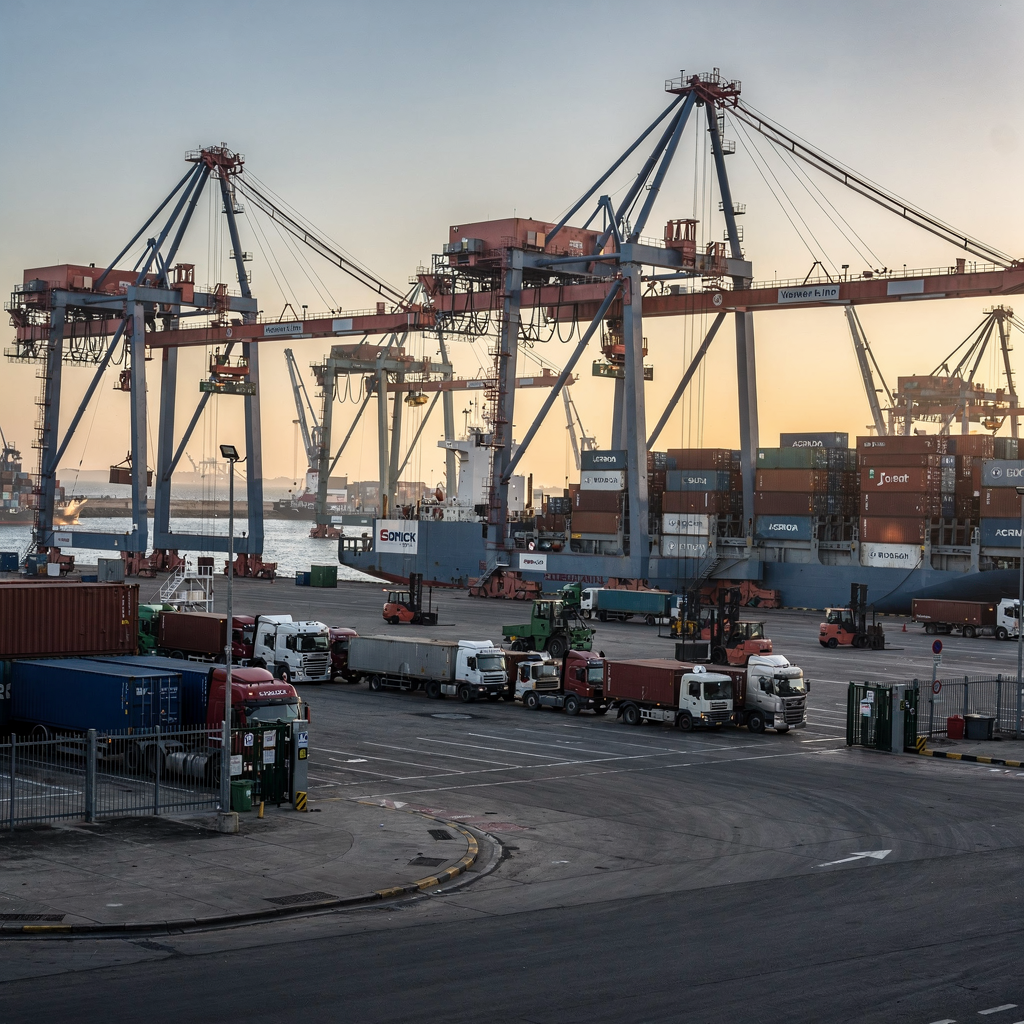
Time-critical port optimisation for vessel cut-off times
Understanding port operations and vessel schedules Understanding port productivity starts with the vessel cut-off times that gates and depots enforce. Cut-off times define the last moment cargo can arrive and still make a planned vessel call. Missing that cutoff date creates cascading delays across terminals and higher costs for shippers. For example, global port congestion […]
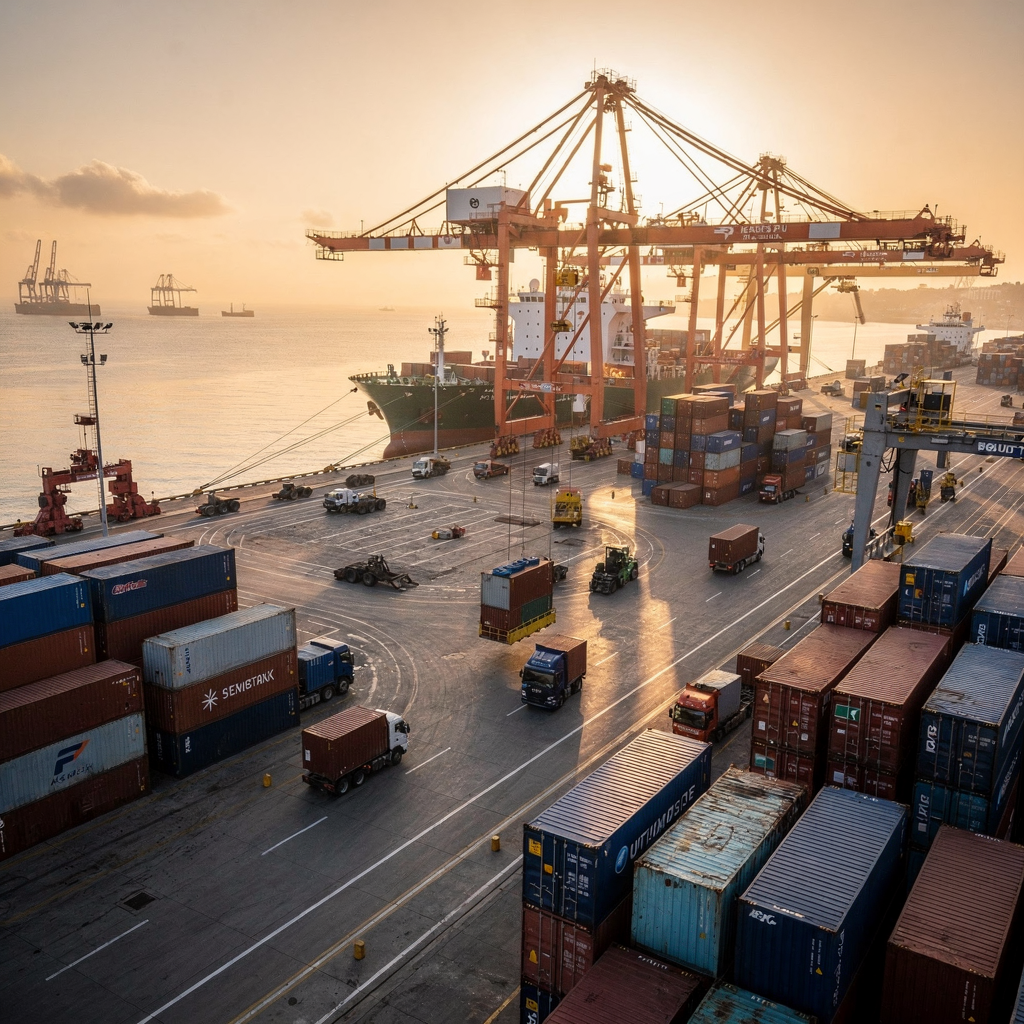
Predictive KPIs for Shortsea Container Terminals
Understanding Predictive KPIs: Why KPIs Matter for Port Performance, Port Operations and Terminal Operations First, KPIs clarify goals for any terminal. Also, KPIs focus teams on measurable outcomes that affect vessel schedules and customer delivery. Next, shortsea terminals face tight windows and frequent sailings, so the right KPIs matter for daily decisions and strategic planning. […]
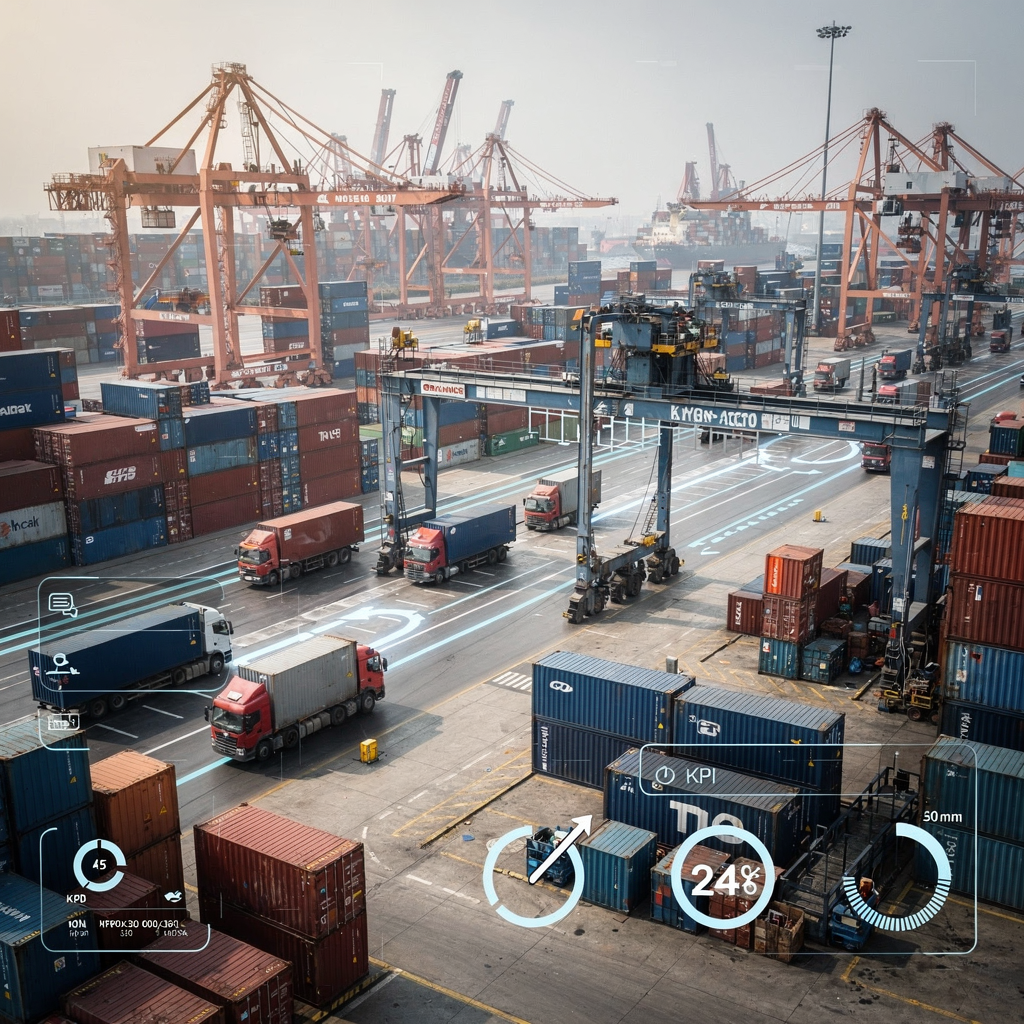
Deep reinforcement learning for container terminals
Overview of Deep Reinforcement Learning for Container Terminals Reinforcement learning trains an agent to make sequential choices and to learn from rewards and penalties. And therefore this approach fits dynamic logistics tasks at a CONTAINER TERMINAL. Next, researchers combine REINFORCEMENT LEARNING ALGORITHMS with sensors, telemetry, and historical records to help planners react faster, and to […]
