
latest news
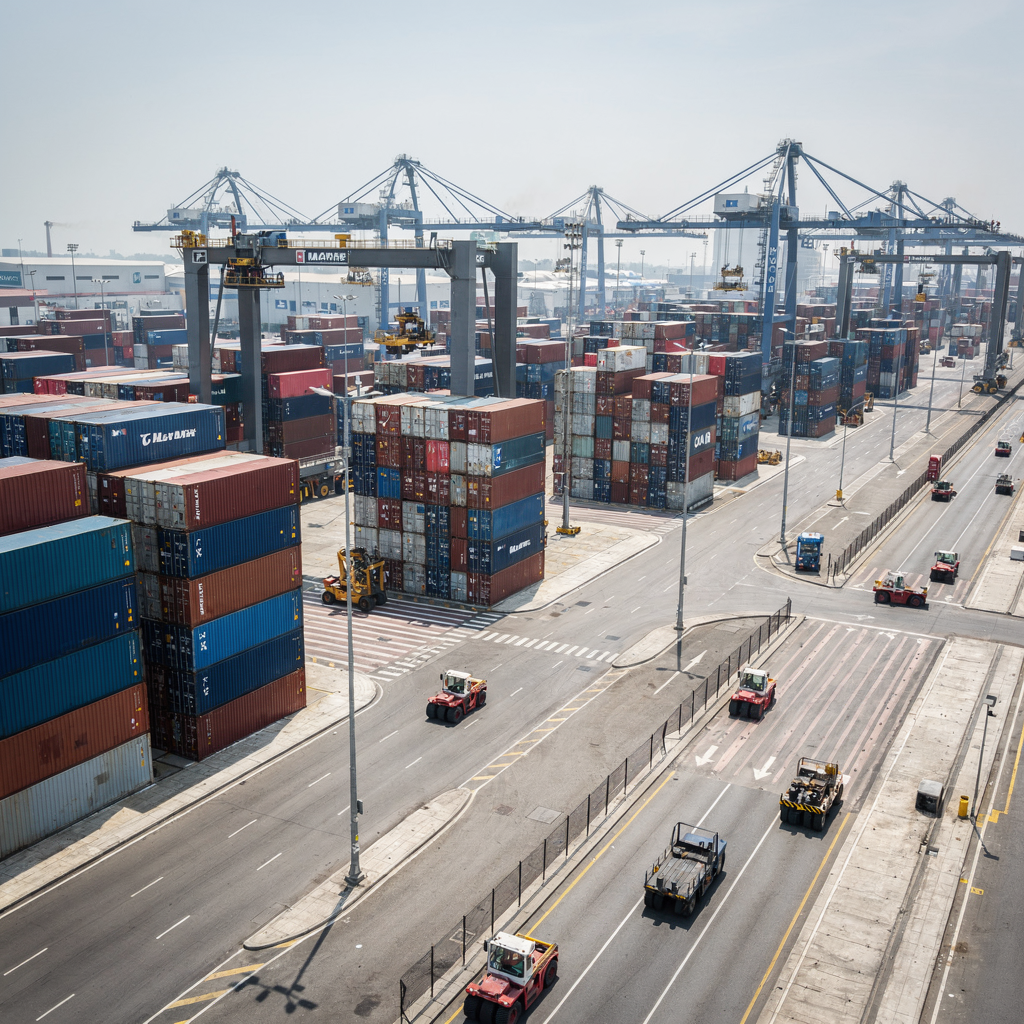
Genetic algorithm for automated container terminal cranes
Problem Statement Empty gantry time is the non-productive interval when Automated Stacking Cranes move without a load, and it erodes throughput and increases costs. In a typical operation the Automated Stacking Cranes shuttle containers between the yard and the quay, and when they travel empty they consume time that could otherwise serve loading and unloading […]
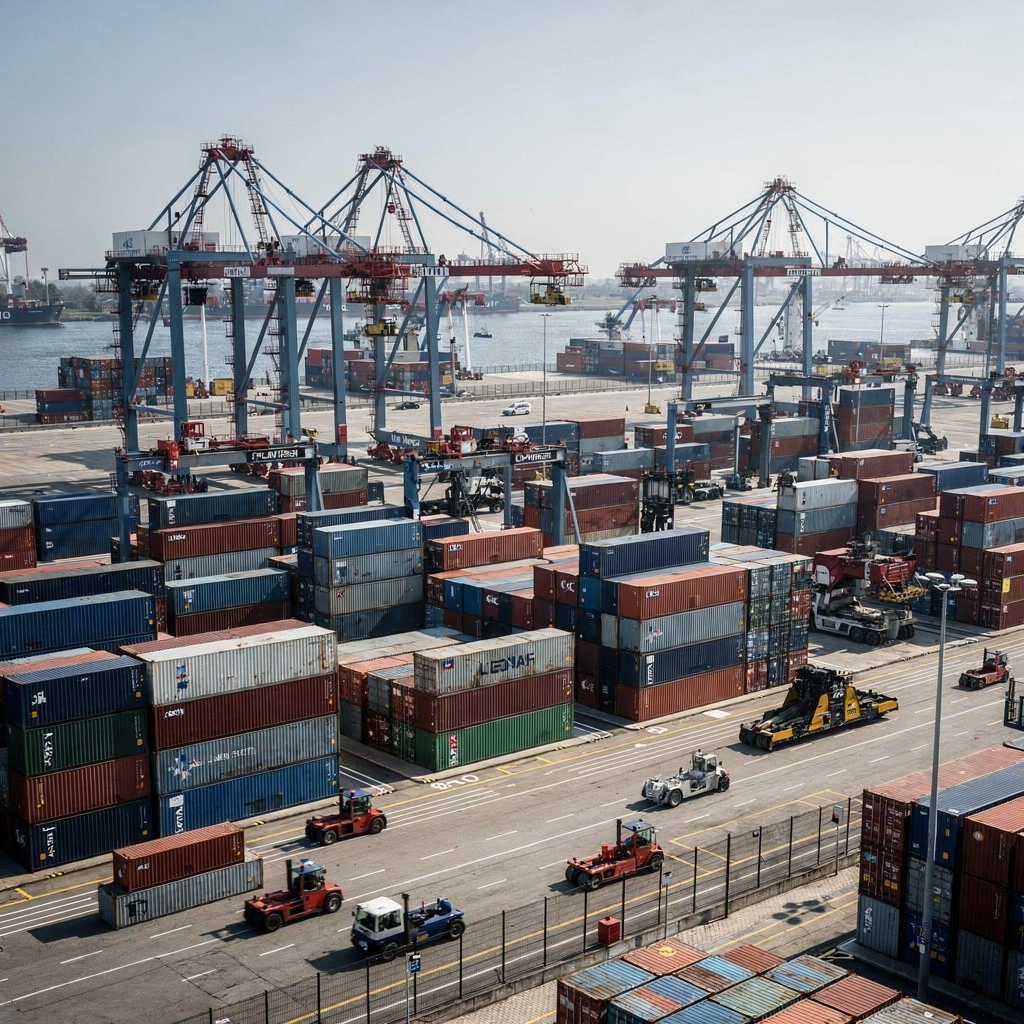
Automated container terminal stacking crane optimisation
terminal: Role of the Terminal in ASC Optimisation The terminal coordinates a web of moves, flows, and priorities. It must balance quay activity, yard storage, and gate throughput. Key performance indicators (KPIs) in this context include moves per hour, average dwell, crane utilisation, and energy per move. Also, berth productivity and vessel turnaround time matter. […]
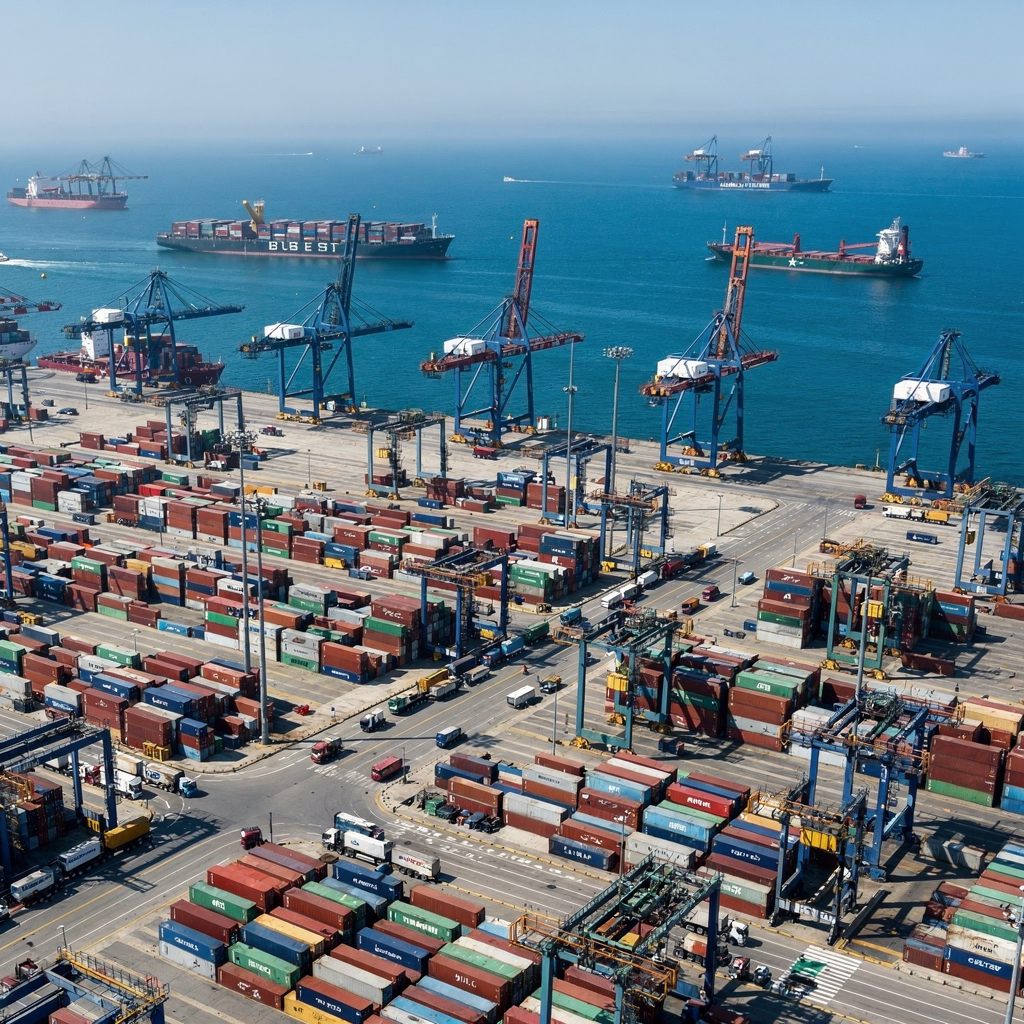
Container dwell time prediction in port operations
Dwell time metric: port dwell time and container flow Dwell time is a core metric in maritime logistics. More precisely, dwell time refers to the time a container or cargo stays inside a port area before being moved onward. That definition matters because it links quay operations, yard use, gate throughput, and hinterland transport. Port […]
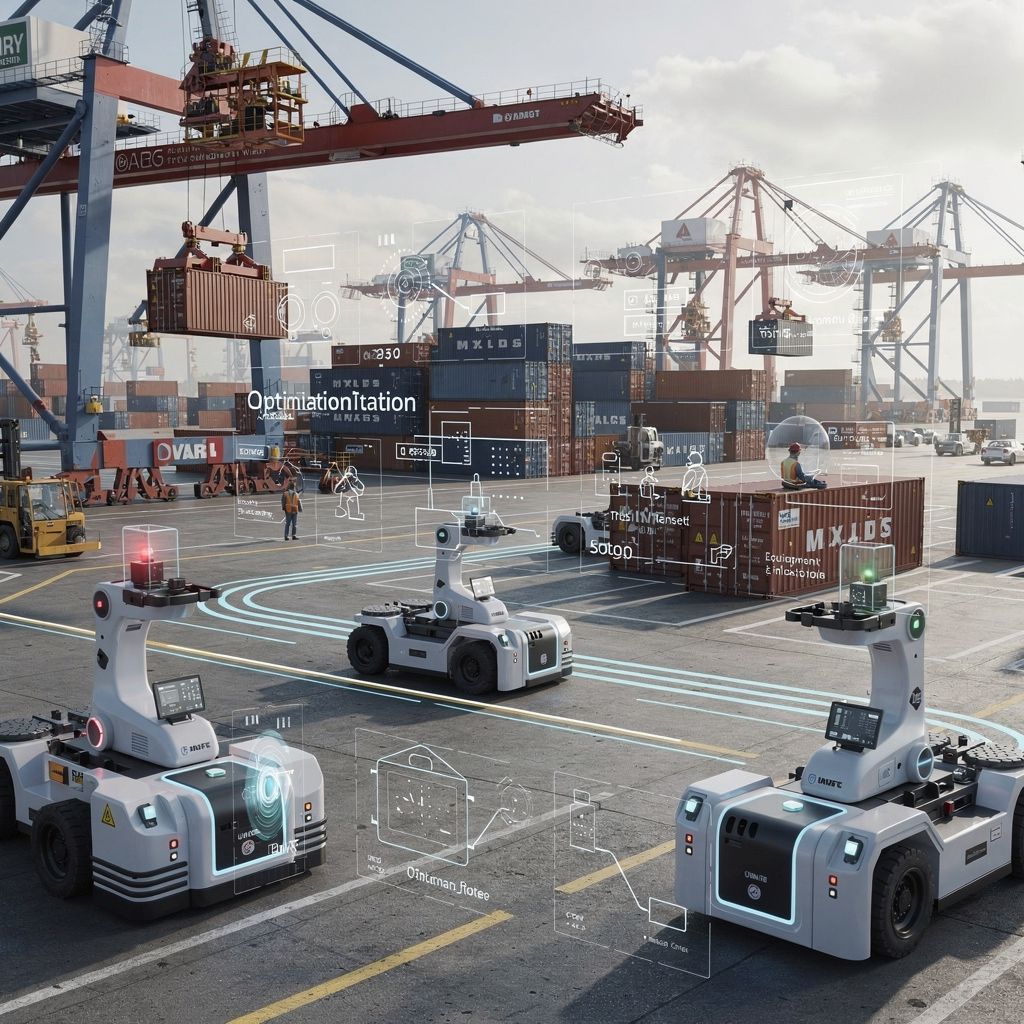
AI-based equipment pool optimization in container terminals
ai in container terminals: an overview AI in container terminals refers to the use of advanced software, algorithms, and learning agents to manage equipment, plan moves, and react to disruptions in real time. AI sits alongside human planners and terminal operating systems. It helps teams and machines work toward the same KPIs, and it helps […]
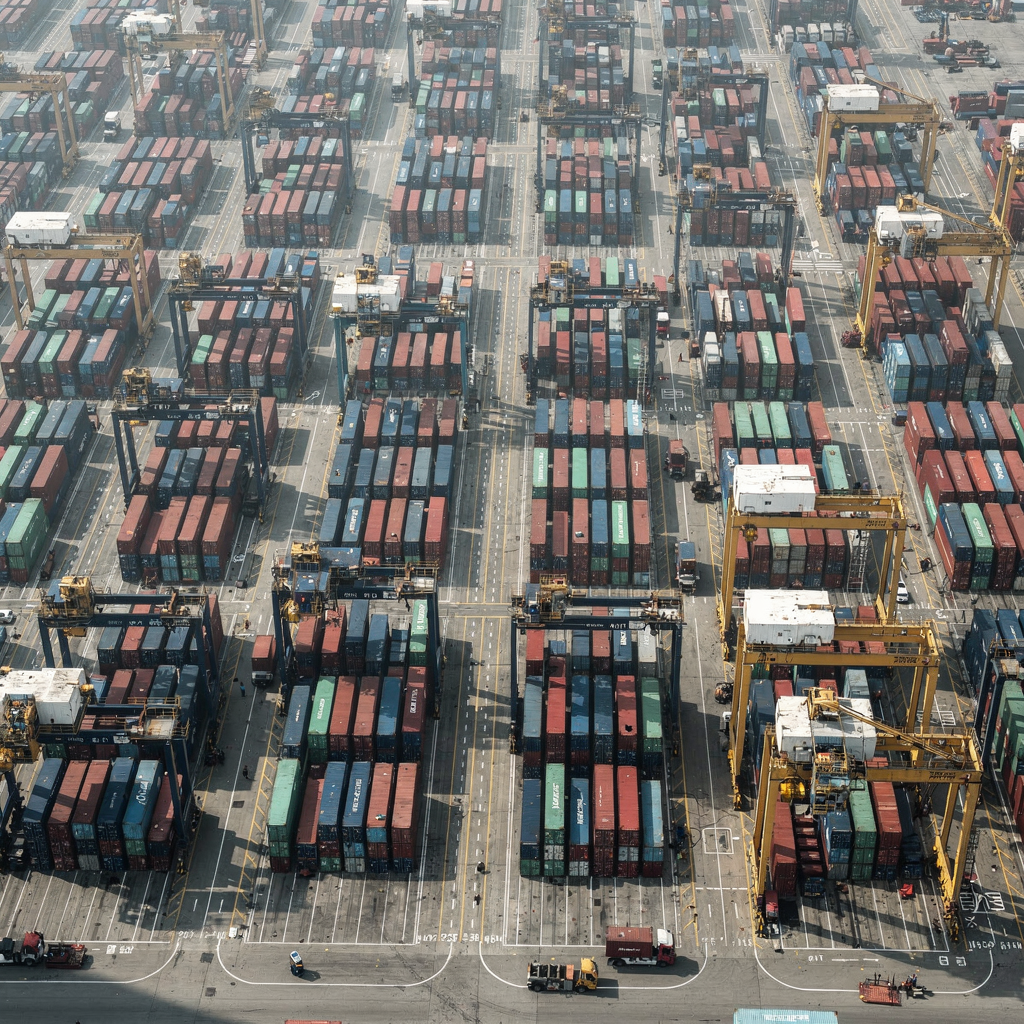
ASC job scheduling: deepsea container port yard optimisation
ASC job scheduling and deepsea container port yard optimisation Automated Stacking Cranes (ASCs) are specialised gantry cranes that stack and retrieve containers across yard blocks. They operate on rails, pick and place containers, and serve as backbone equipment in automated deepsea container port yards. ASCs take on repetitive moves with high precision, and they free […]
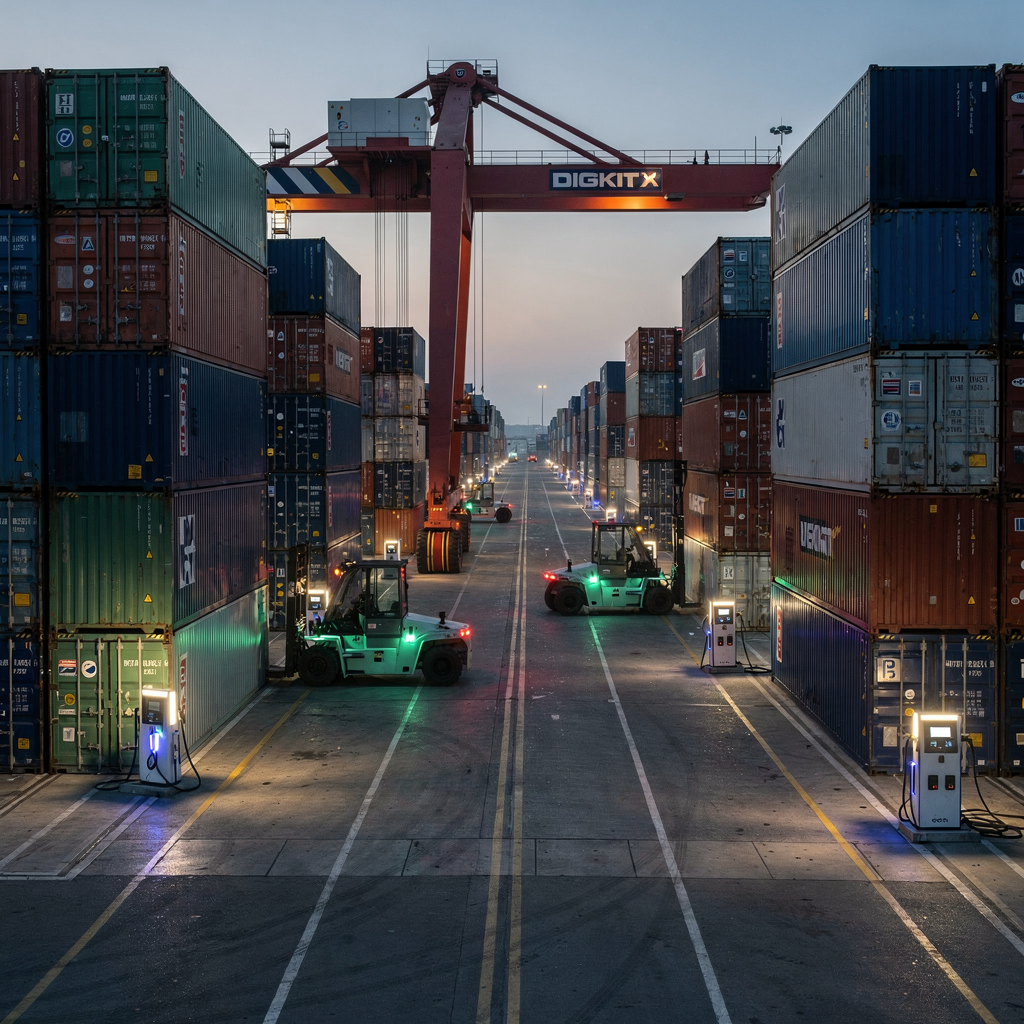
Optimise energy consumption in container terminal yard
container terminal and yard cranes Energy Baseline The baseline for any container terminal starts with clear measurements and simple truths. Diesel yard tractors and cranes drive the yard and they burn large amounts of fuel. In many terminals these machines can make up to 40% of total greenhouse gas emissions, and that share calls for […]
