
latest news
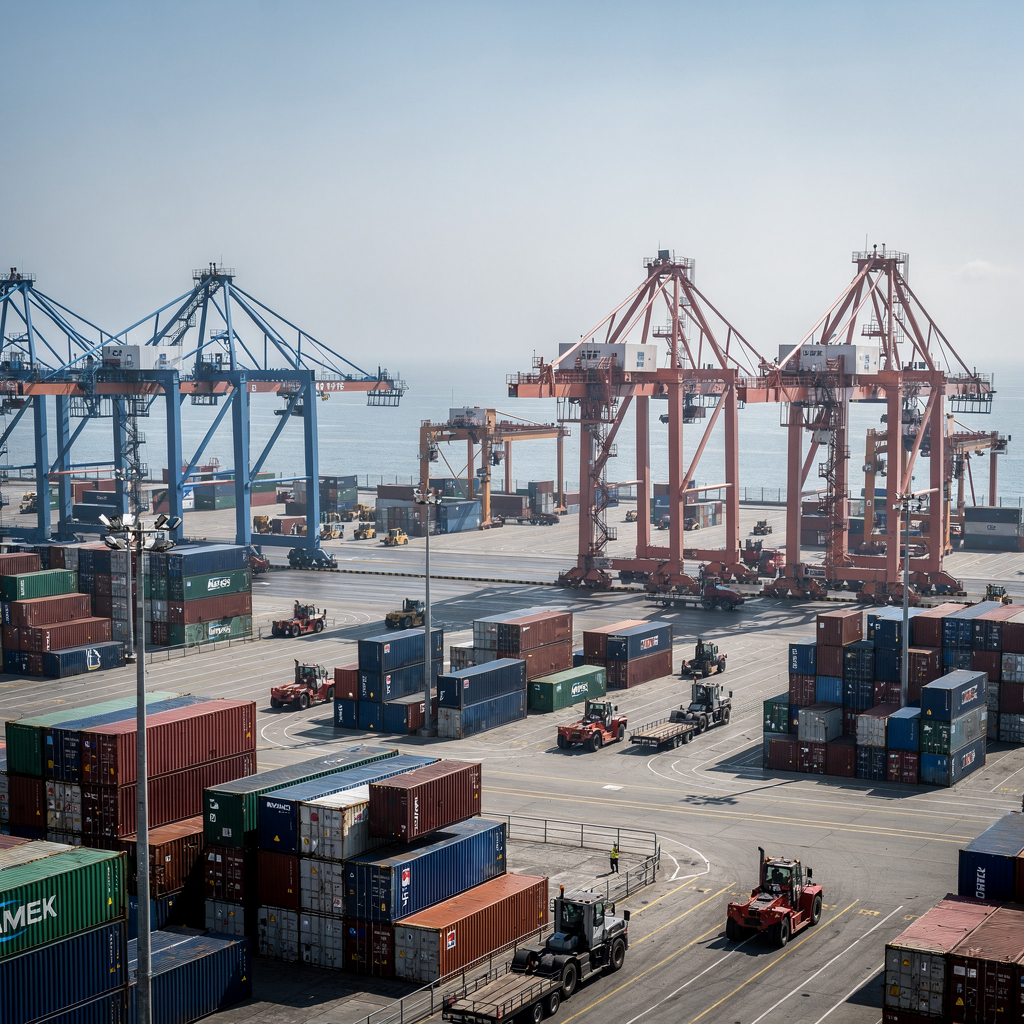
Terminal operations: Optimizing equipment moves to save fuel
Terminal operations and Fuel Use in Ports Terminal activity drives a large share of energy use at a port. Terminals serve as critical nodes in maritime logistics and they move cargo between ship, road and rail. As a result, the equipment that runs inside a terminal — cranes, yard tractors, trucks and specialized equipment — […]
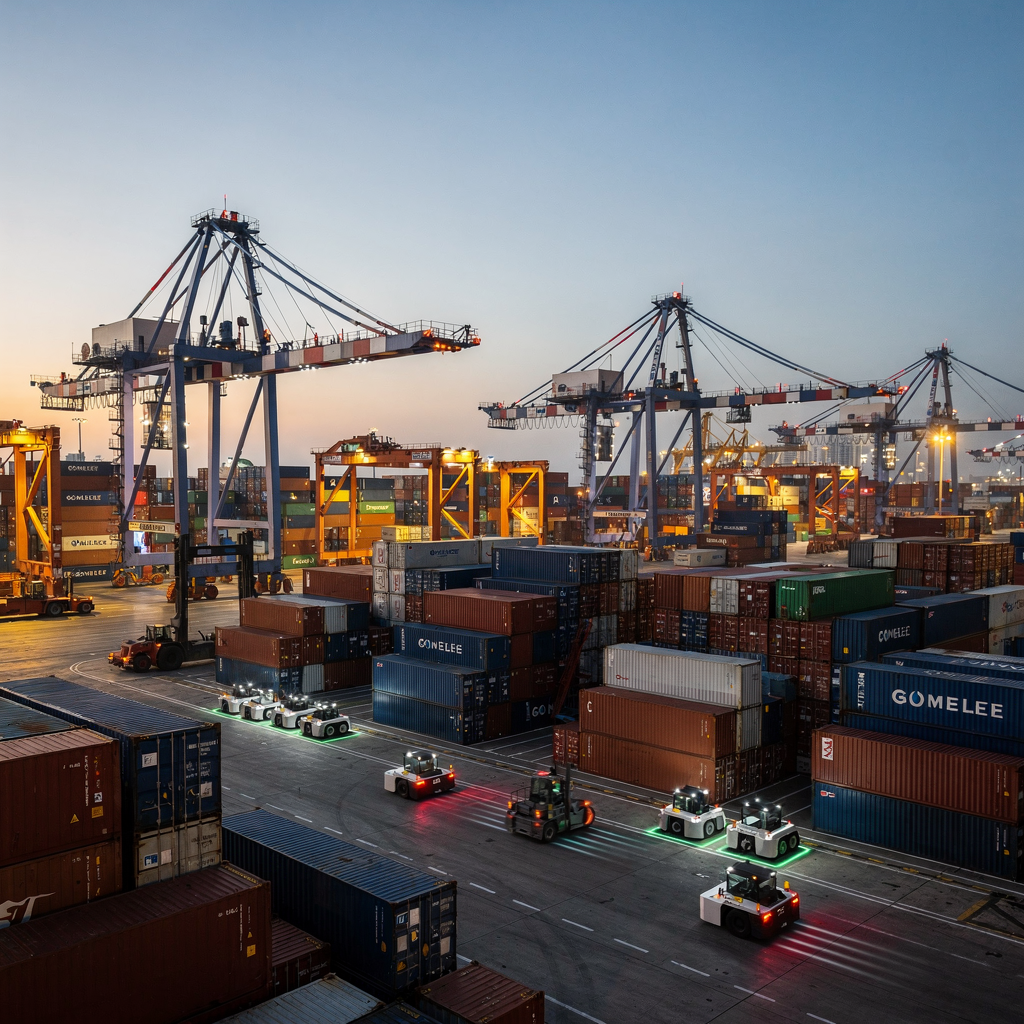
Port Automation with AI for Smart Operations
Understanding AI in Port and the Smart Port Ecosystem Smart port concepts redefine how terminals run and how stakeholders coordinate. A smart port blends sensors, networks, DATA, and advanced control to improve throughput, lower emissions, and reduce costs. In practice, AI and artificial intelligence power new decision layers that reshape traditional port routines. The integration […]
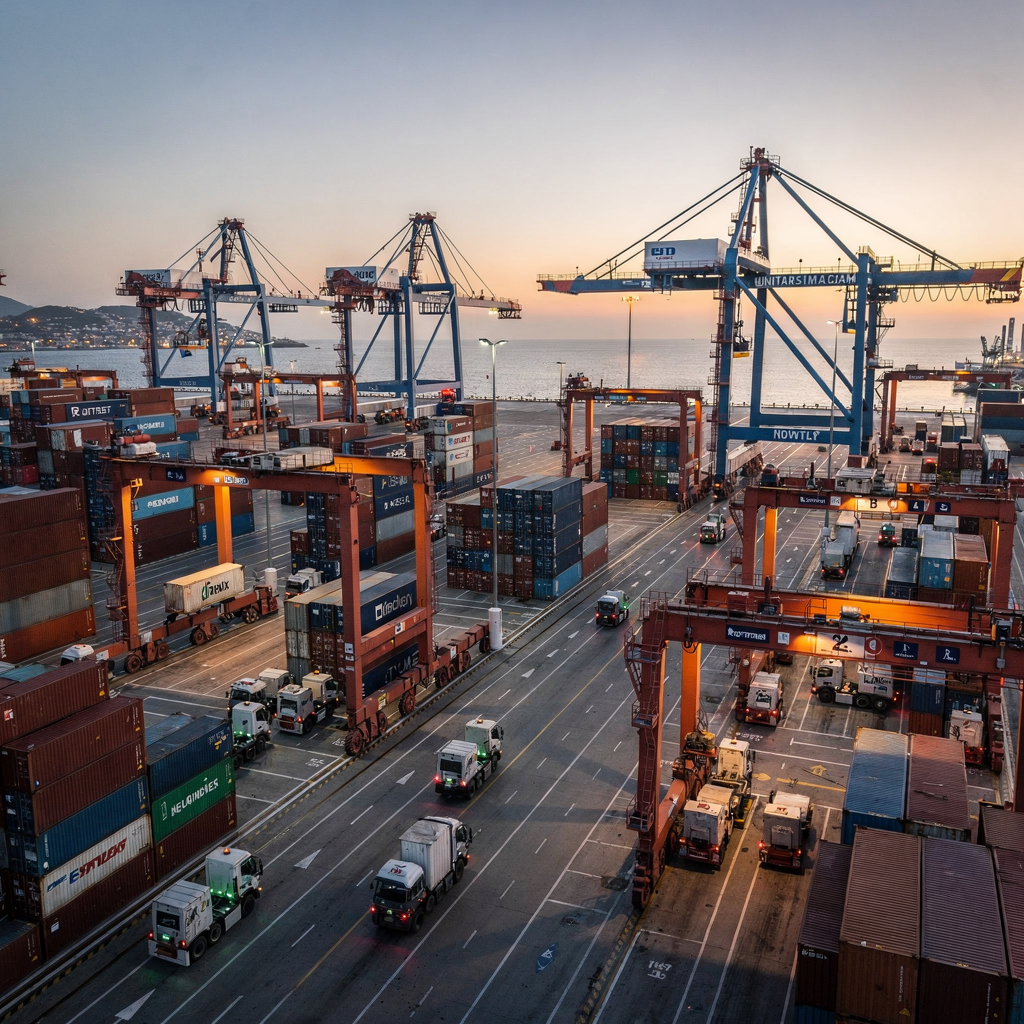
Measuring ROI of AI in Deepsea Container Terminals
Embracing AI in Container Terminal Operations Deepsea container terminals are rapidly adopting AI to manage complex flows of cargo. Today, modern container terminals combine sensors, software, and human expertise. AI helps planners, dispatchers, and equipment operators to make faster decisions. For example, AI can shift terminals from reactive firefighting to proactive control. As a result, […]
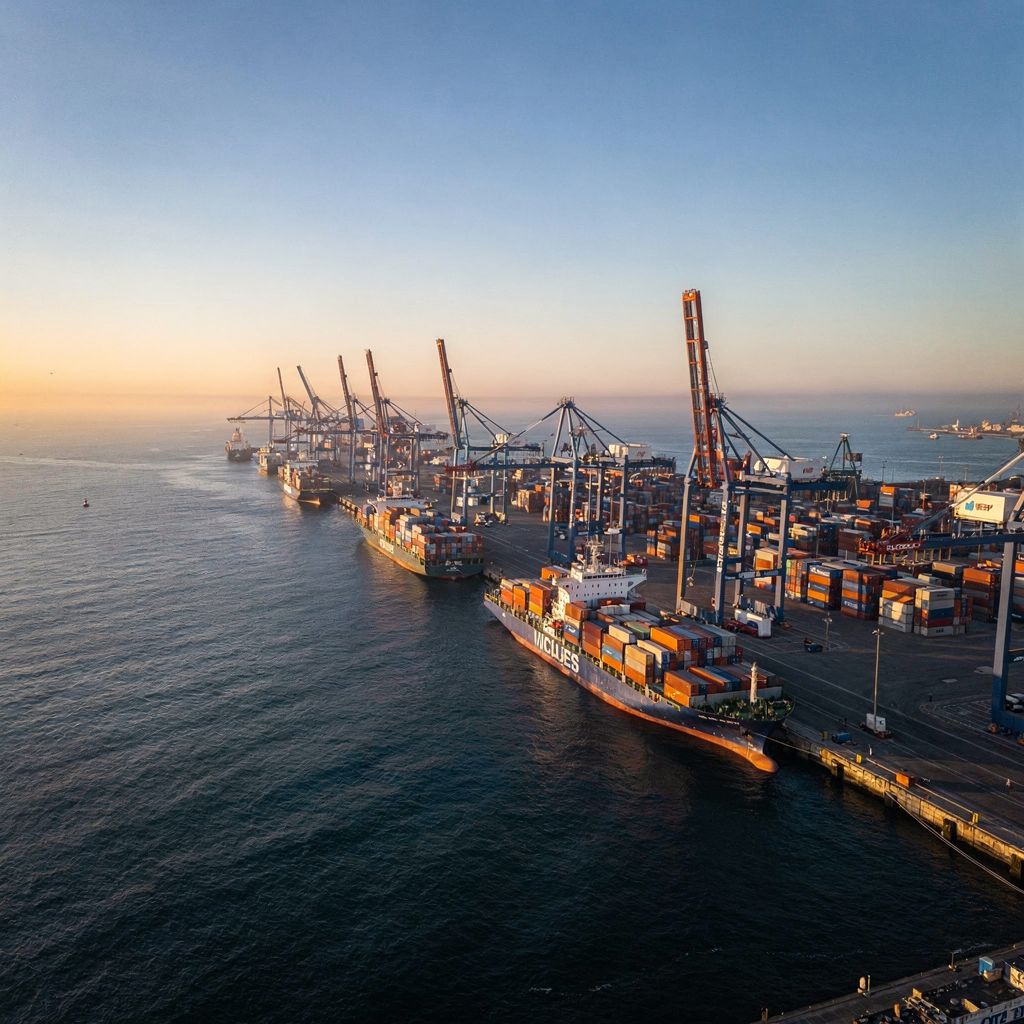
Predictive berth availability and arrival times modelling
Port context: container terminals and berth allocation challenges Container terminals sit at the heart of global trade and maritime logistics. They connect ocean carriers, supply chain partners, and hinterland transport. As vessel sizes have grown and call patterns have shifted, congestion at major container terminals has increased. This rise in scale and complexity strains traditional […]
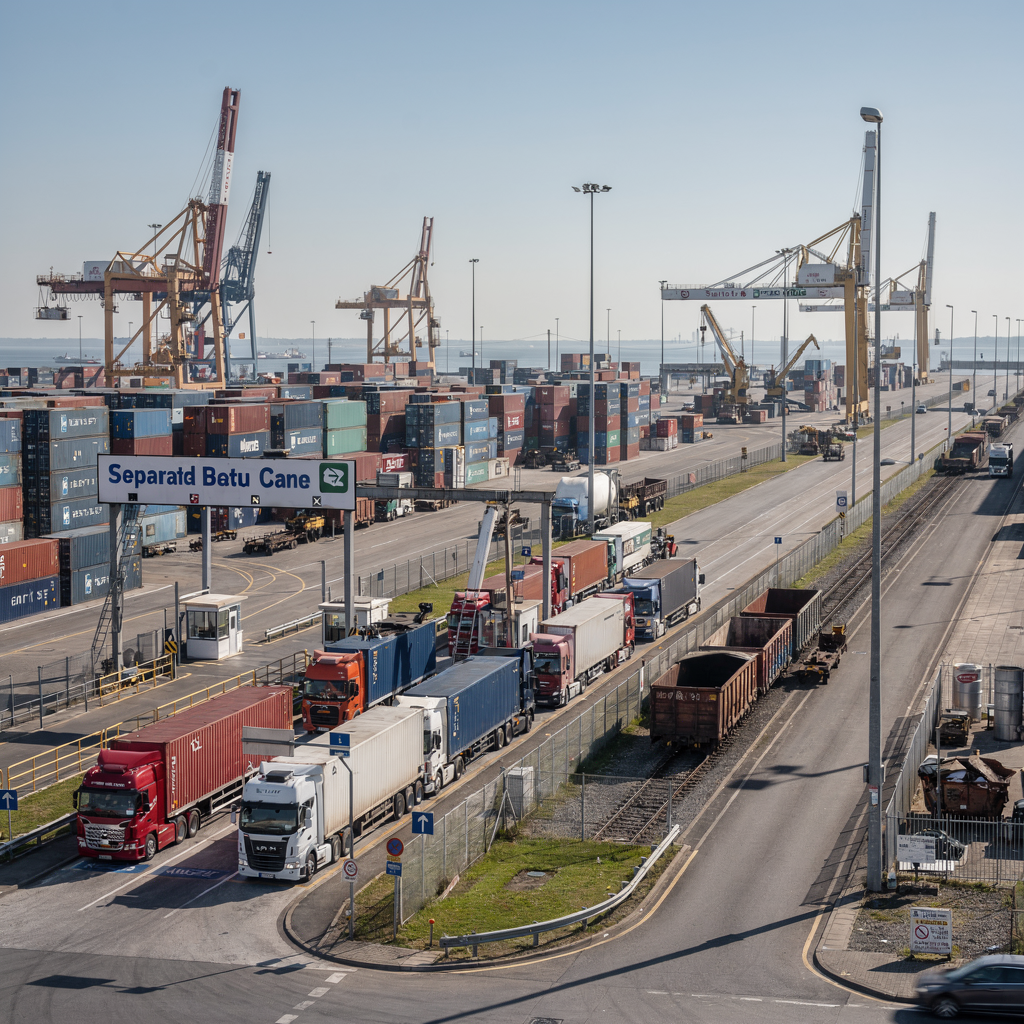
Inland container terminal productivity strategies
Inland container terminal productivity strategies optimize terminal operations: Boost container terminal productivity First, define the core indicators that drive terminal decision-making. Moves per hour, dwell time, and throughput act as primary performance indicators for any inland container facility. Next, relate those metrics to cost and service. For example, a steady increase in moves per hour […]
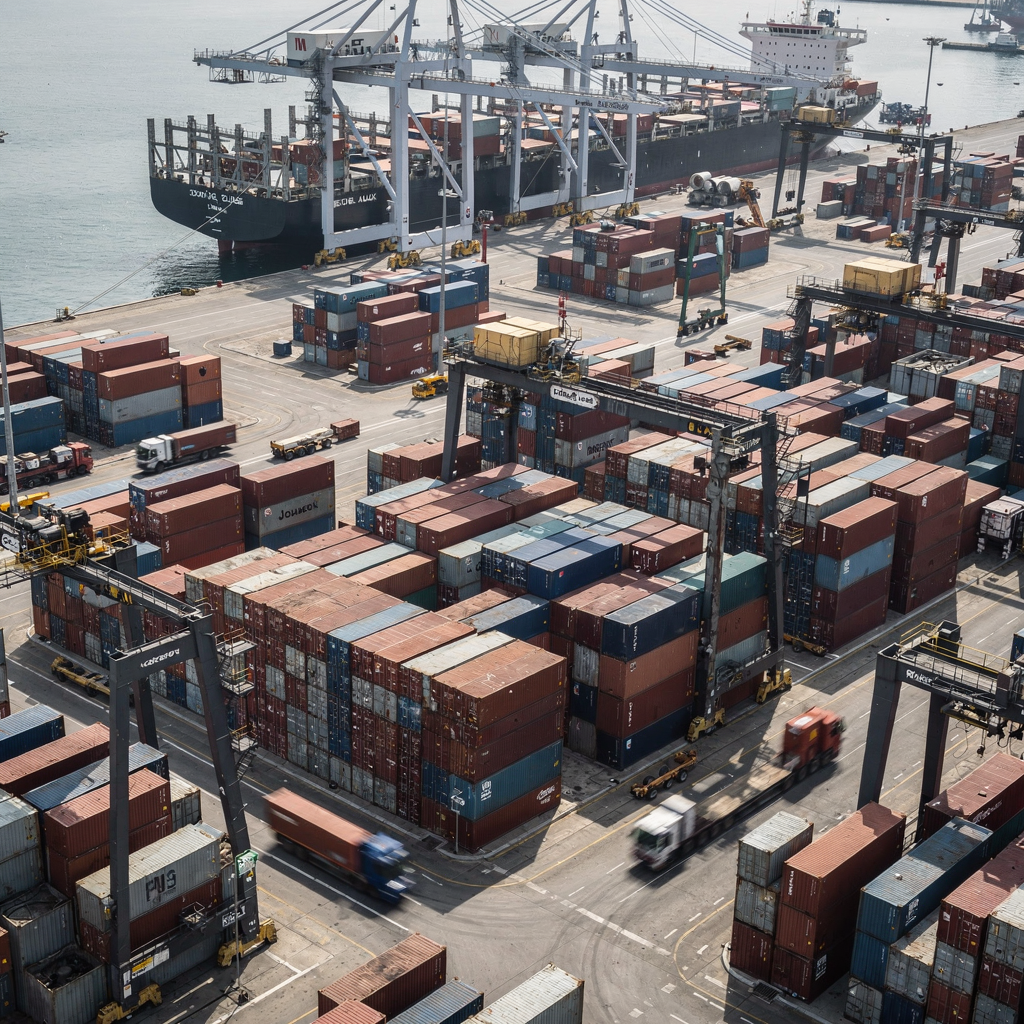
Yard density and gross crane rate link in container ports
Understanding Yard Density and Gross Crane Rate Yard density measures how tightly containers pack into terminal space, and it often appears as containers per unit area or containers per yard crane. First, this definition helps planners compare layouts across terminals. Also, the metric shows how storage choice affects retrieval times, and it informs stacking rules. […]
