
Improve crane productivity at container port
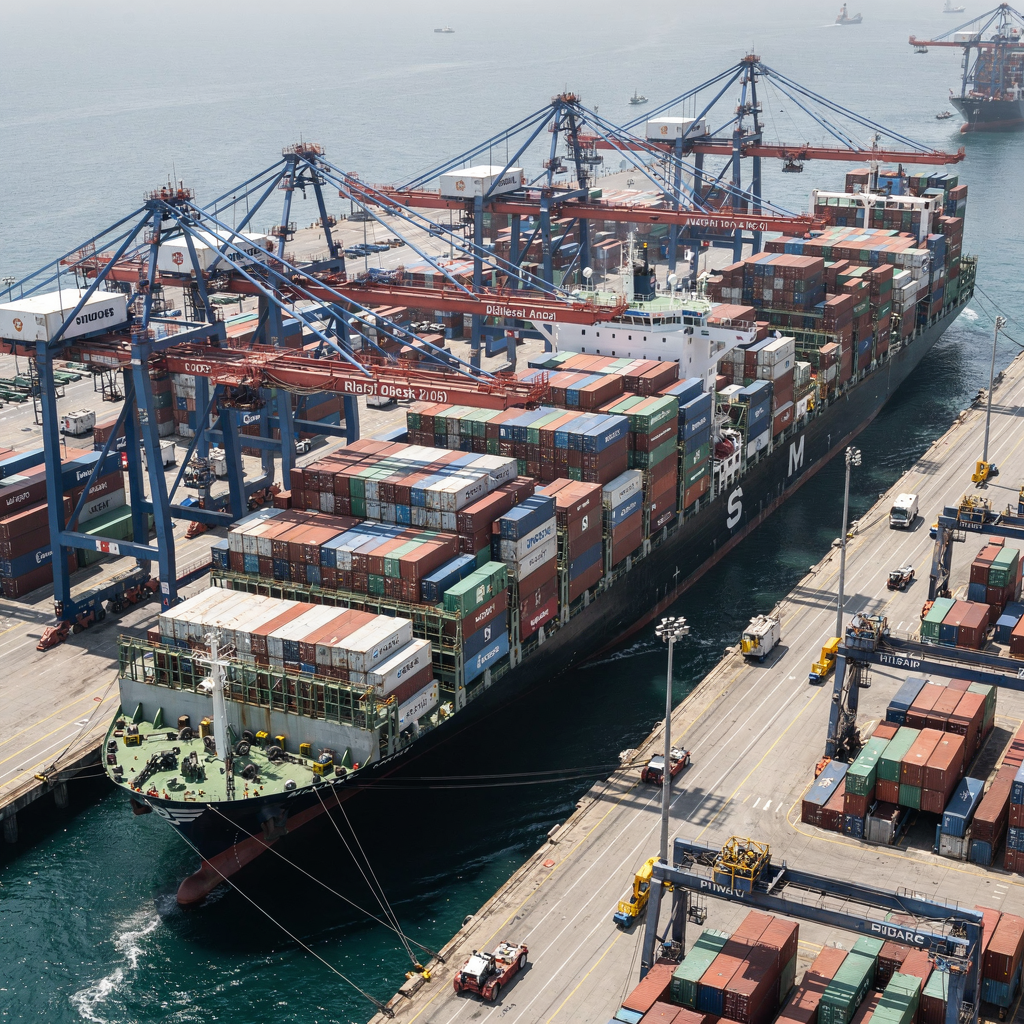
Quay cranes set the tempo for any container terminal. When they run well, vessel service runs smoothly and berth windows stay on schedule. Modern benchmarks place leading quay units between 30 and 45 moves per hour under optimal conditions, and some terminals push beyond that with upgraded controls and robotics (Africa PORTS & SHIPS). Those figures matter because higher moves per hour translate directly into shorter berth time and better terminal productivity across the yard and gate.
Key factors that affect crane performance include cycle time, equipment reliability, and operator skill. Cycle time depends on lift planning and sequencing, and also on the spreader and gantry mechanics. Equipment reliability links to maintenance regimes, spare-parts availability, and predictive upkeep. Skilled operators reduce avoidable delays, and training lowers human error and accident risk. Operators and maintenance teams must work with operations and planners to keep cranes available and moving.
Restow moves play a major role in slowing cycles. When a crane must make rehandles to reach a target container, the operation takes longer and causes downstream yard congestion. Research shows restow moves can account for up to 15–20% of total moves during a vessel call, which raises berth time and cuts throughput (Okeke-Adaeze Montserrat thesis). That statistic highlights why terminal managers must track rehandles closely and plan to reduce them.
To improve crane performance you must combine people, processes, and tech. Training and crew rotation maintain consistent performance across shifts. Process changes that streamline lashing, shackles, and safe lifting reduce idle time and the risk of costly delay or injury. On the tech side, sensor upgrades and telematics improve precision and help predict failures before they occur. Loadmaster.ai’s agents focus on these trade-offs by simulating policies that preserve crane productivity while lowering yard reshuffles; they create realistic schedules that adapt to changing vessel mixes and yard states, and they help ensure consistent operational outcomes.
Balancing restow reduction and efficiency for terminal productivity
Restow reduction means placing boxes so that few containers are moved more than once. When terminals reduce rehandles, they reduce wasted moves and yield a measurable impact on vessel turnaround. Studies of major deepsea hubs found better restow management delivered up to a 12% reduction in vessel turnaround time, which in turn supports higher crane productivity and more stable berth schedules (Yue, The Role of Reliability in Container Shipping Networks). That gain matters because it multiplies across weekly calls and improves port competitiveness.
However, there is a trade-off between minimizing restows and maximizing crane speed. Aggressive stowage plans that aim to eliminate almost every rehandle can force a crane to take longer cycles, to reposition containers in ways that slow down the ship’s overall discharge and loading. Conversely, a plan that prioritizes raw crane tempo may leave many shifters and reshuffles for the yard. The challenge is to find the right balance so the terminal achieves both high moves per hour and low cumulative handling moves.
Quantifying benefits helps decision-makers set targets. For example, if restows represent 15–20% of moves and better planning cuts that share by half, the yard sees fewer shifters, lower fuel and labour costs, and shorter driving distances. That leads to higher throughput and a more predictable operation. The numbers matter: terminals that align crane operation with stowage logic often record higher berth capacity and can load and discharge more TEUs per call. Digital stow planning and closed-loop control allow teams to measure the trade-offs and then choose the KPI mix that matches their strategy.
Tools matter. AI-driven stowage and schedulers can explore many trade-off permutations and present executable plans. For terminals that want to reduce rehandles while keeping crane cycles brisk, integrating stow planning with yard automation and dispatch yields the best results. Loadmaster.ai’s approach trains RL agents in a digital twin to optimize those trade-offs without relying on historic copies of past mistakes; this helps terminals adapt and reduce unplanned reshuffles while they sustain high operational throughput. The result is a clearer balance between quay tempo and yard flow that supports continuous improvement in terminal productivity.
Drowning in a full terminal with replans, exceptions and last-minute changes?
Discover what AI-driven planning can do for your terminal
Leveraging automation to upgrade marine cargo operations
Automation changes how marine terminals operate, and it changes expectations for crew, equipment, and planners. Automated stacking cranes and remote-controlled quay cranes bring consistency and allow longer, steadier cycles while reducing human exposure to hazardous tasks. These systems can increase moves per hour and lower the variability that comes with manual control. At the same time, automation presents integration and cost challenges, and it requires careful operational governance.
Real-time data integration supports dynamic crane scheduling and helps avoid restows. When yard density, vessel sequences, and gate flows feed into a single operational view, dispatchers can adjust crane assignments and job priorities on the fly. That continuous flow of information lets a terminal mitigate idle time and reduce delays. Combining automation with predictive maintenance and telemetry also helps detect degradations early, which reduces the risk of unplanned breakdowns. Digital twins and AI allow teams to test automation strategies before they touch the dock.
One deepsea port used AI-driven stowage planning to cut idle time on the quay and to smooth the handover between vessel operations and yard moves. The AI agent optimized sequences to reduce shifters and to keep spreaders busy, which improved crane utilization and raised throughput per vessel. That implementation highlights how automation and intelligent planning can automate the routine decisions while leaving complex judgment calls to human planners. The outcome was not only time savings but also energy and labour savings, and a notable reduction in yard congestion.
Personnel must learn to work with systems that are sometimes operated remotely, and they must retain oversight to intervene if plans go off-track. Training and an emphasis on safety reduce the chance of human error and accident. Because ship-to-shore cranes are often the most visible part of automation, terminals must plan for their integration with yard systems, gate control, and the TOS. For more about integrating AI with TOS and automation layers, review the practical guidance on integrating optimization layers with operational systems Integrating TOS with AI optimization layers. The right mix of automation, human oversight, and data control ensures a stable path to enhanced productivity and lower operational risk.
Expanding port capacity and equipment upgrade for better efficiency
Upgrade decisions shape how a terminal handles volume growth and how efficiently it moves cargo through the yard. Yard layout changes, such as moving from block stacking to row stacking, affect rehandle rates and the number of shifters needed. Row stacking can reduce the need to reshuffle stacks for the nearest truck pickup, and it can improve how space is used, thereby increasing berth capacity and raising higher throughput for the same land area.
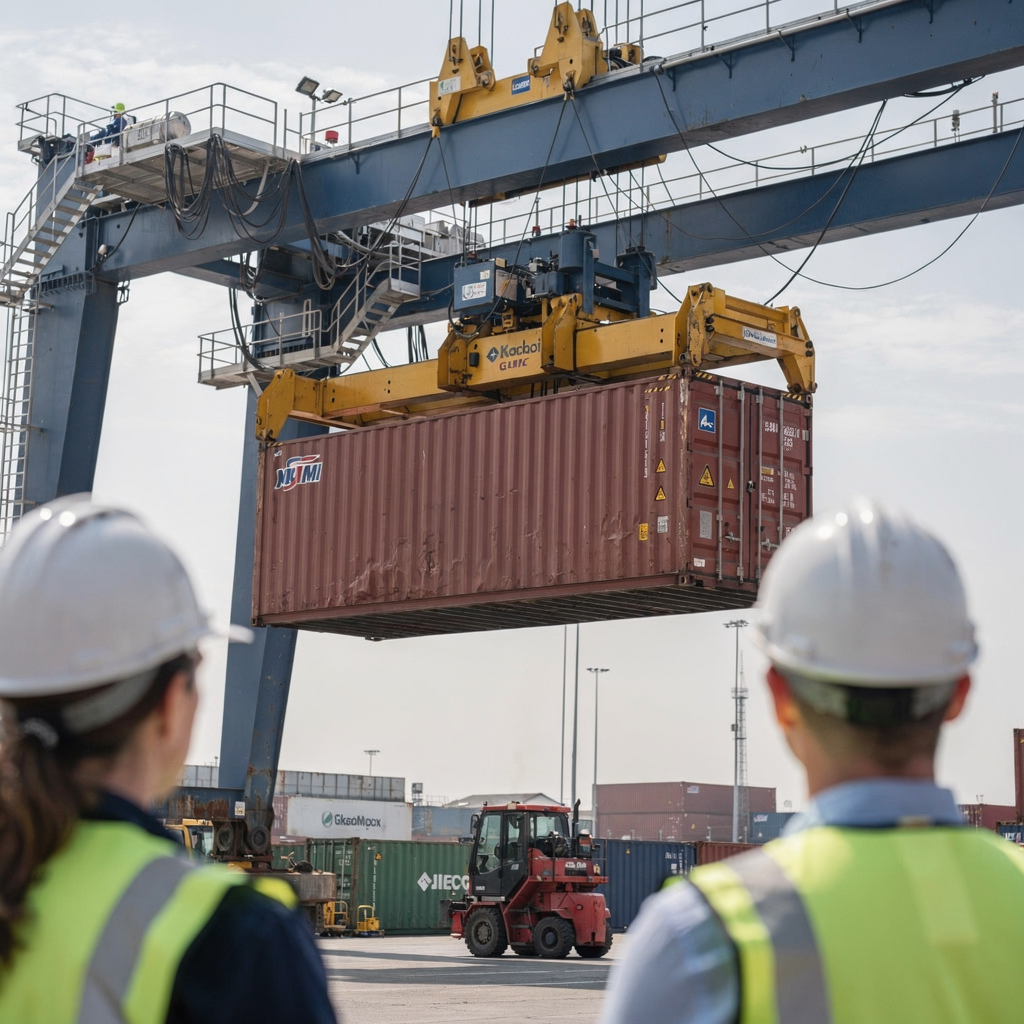
Upgrading spreaders, gantry controls, and rail-mounted gantries reduces cycle time and increases precision during lifts. Modern spreaders with faster twistlock control and better diagnostics make each lift safer and more predictable. Replacing older RTGs with electric units or automating them improves energy efficiency and reduces maintenance burdens. A coordinated upgrade program that includes job scheduling for AGVs and automated movers can significantly mitigate yard congestion and cut driving distances.
Infrastructure investments matter, but they must align with operational goals. Investing in new quay electrification or in stronger pavement helps the terminal sustain higher loads, and upgrading storage yards with smarter slotting cuts unnecessary travel. These investments deliver ROI over time through reduced operating expenditure, lower energy consumption, and fewer equipment failures. When terminals plan upgrades, they should also ensure interoperability with existing IT and TOS layers so that the new gear can communicate and be scheduled intelligently. For terminals evaluating full-stack upgrades and automation, the market overview of container-port automation provides useful context automation market overview.
Equipment updates should also reduce risk. Newer cranes and gantries include sensors that provide early warnings and schedule maintenance windows to avoid unplanned downtime. That predictive maintenance approach keeps the funds allocated for maintenance working effectively and reduces the chance of a costly outage. At the same time, terminals must manage personnel transitions, retrain teams, and mitigate displacement concerns. A phased rollout that uses simulation and sandbox testing reduces disruption and helps ensure investments deliver measurable improvements in efficiency and terminal productivity.
Drowning in a full terminal with replans, exceptions and last-minute changes?
Discover what AI-driven planning can do for your terminal
Collaborative scheduling as a strategic advantage in terminal operations
Scheduling is a joint responsibility. Shipping lines, yard planners, stevedores, and gate teams all need to coordinate to minimize friction. When stakeholders share vessel stowage plans and agree on priorities, cranes can follow sequences that reduce shifters and avoid late rehandles. That coordination supports not only faster loading and unloading but also more predictable flows across the terminal and better use of yard storage.
Sharing stow plans in advance lets yard teams pre-position container stacks and organize resources so that cranes do not pause mid-cycle. Technology that supports this coordination includes common ICT platforms, secure APIs, and TOS integrations. When systems interconnect and when planners can see gate and vessel status simultaneously, they can rearrange moves without creating costly ripple effects. Loadmaster.ai’s decentralized agents are built to work in such environments, coordinating decisions across quay, yard, and gate so that moves are enacted with fewer surprises and more consistency. For more on coordinating across operational domains, see our piece on decentralized AI agents coordinating quay, yard and gate operations decentralized AI agents.
Collaborative scheduling reduces delays and boosts competitiveness. Terminals that invest in shared planning tools gain an advantage because they can adapt to vessel delays and gate surges without sacrificing crane tempo. They can also reduce exposure to costly last-minute crew changes and unplanned labour expenses. In practice, a successful collaborative schedule requires clarity about KPIs, agreed communication channels, and a culture that rewards shared outcomes rather than siloed performance. Where possible, integrate predictive housekeeping and yard density monitoring so planners can make proactive decisions rather than firefight. For guidance on predictive housekeeping and how it supports cleaner handovers, read about predictive housekeeping for container terminals predictive housekeeping.
Future upgrade to improve terminal productivity and sustainability
The next wave of upgrades ties operational performance to sustainability. Digital twins and machine learning deliver predictive maintenance and scenario-based capacity planning. These tools allow terminals to simulate changes before they happen and to allocate resources more efficiently. Digital twins help teams test new crane schedules, verify changes to yard layout, and measure the impact on turnaround without interrupting live operations.
Energy is another focus. Switching to electric cranes and electrified vehicles reduces emissions and operational cost, and it supports shore-power strategies that many ports must adopt to meet regulatory targets. Green energy solutions provide both environmental benefit and lower lifetime operating expenditure. When terminals combine energy-efficient infrastructure with smarter scheduling, they both improve efficiency and reduce the terminal’s carbon footprint.
The roadmap for continuous improvement includes stepwise upgrades, simulation-driven pilots, and investments in people. Terminals should develop phased plans that include testbeds for automation, staff retraining, and governance for AI agents. Loadmaster.ai’s RL agents offer a cold-start-ready route to these improvements: they train in simulation, then deploy under operational guardrails, so terminals get measurable gains without exposing live operations to undue risk. This approach helps adapt to changing vessel mixes and supports consistency across personnel changes, which preserves performance even as experienced planners retire.
Finally, the future is about aligned goals. Terminals that tie investments in cranes, yard automation, and scheduling into a single performance story will see substantial gains. They will improve operational resilience, reduce the risk of unplanned outages, and deliver better service to shipping lines and customers. As ports modernize, they also enhance competitiveness and ensure they can handle larger vessels and more complex logistics while maintaining safe, efficient operations. Ports must accept that this is a continuous process and invest in tools, training, and interfaces to deliver measurable improvements in terminal productivity and throughput, especially when reducing the time ships spend alongside the quay.
FAQ
What is the typical crane productivity benchmark for deepsea ports?
Leading deepsea terminals report crane productivity between 30 and 45 moves per hour under optimal conditions (Africa PORTS & SHIPS). That range depends on vessel mix, yard state, and the level of automation in the terminal.
How much do restow moves affect vessel turnaround?
Restow moves can account for 15–20% of all moves during a call, which increases berth time and reduces throughput (Okeke-Adaeze Montserrat thesis). Terminals that manage restows better have recorded up to a 12% reduction in vessel turnaround time (Yue).
Can automation eliminate the need for human operators?
Automation reduces repetitive tasks and limits hazardous exposure, and some functions can be operated remotely. However, human oversight remains necessary for exceptions, governance, and safety. Systems that are operated remotely still need personnel to manage policies, safety checks, and maintenance.
What is the role of AI in stowage planning?
AI can test many sequences quickly and find trade-offs between crane speed and rehandles. Reinforcement learning agents, for example, simulate decisions in a digital twin and produce executable plans that balance multiple KPIs. These methods do not require clean historical data and can adapt to changing conditions.
How should terminals approach equipment upgrades?
Terminals should align upgrades with operational goals and TOS compatibility. Start with pilot projects, validate through simulation, and phase rollouts to protect yard flow. Focus on spreader, gantry, and energy systems that deliver clear improvements in efficiency and maintenance savings.
What internal links help explain these topics further?
Readers can explore practical resources on integrating AI with existing systems, market overviews of automation, and decentralized agent coordination. Useful pages include integrating TOS optimization layers, the automation market overview, and decentralized AI agents coordinating quay, yard and gate operations Integrating TOS with AI, automation market overview, decentralized AI agents.
How do predictive maintenance and digital twins help operations?
They detect degradation early and let teams schedule maintenance proactively, which reduces unplanned downtime. Digital twins allow scenario testing so terminals can measure the impact of layout or procedural changes without disrupting live operations.
Terminals must retrain personnel to work with automated systems and to oversee AI-driven processes. Clear change management and phased training help reduce displacement and protect institutional knowledge.
How do collaborative schedules reduce delays?
When shipping lines, planners, and stevedores share vessel stowage plans and agree on priorities, cranes can work without last-minute reshuffles. That coordination reduces the chance of unplanned reshuffles and lowers the operational risk of delay.
What immediate steps can ports take to improve terminal productivity?
Start by measuring rehandle rates and crane cycle times, then pilot AI-driven stowage and scheduling in a sandbox. Use simulation to validate changes, invest in predictive maintenance, and align stakeholders on common KPIs to deliver consistent gains in throughput and efficiency.
our products
 stowAI
 stackAI
 jobAI
jobAI
Innovates vessel planning. Faster rotation time of ships, increased flexibility towards shipping lines and customers.
Build the stack in the most efficient way. Increase moves per hour by reducing shifters and increase crane efficiency.
Get the most out of your equipment. Increase moves per hour by minimising waste and delays.
stowAI
Innovates vessel planning. Faster rotation time of ships, increased flexibility towards shipping lines and customers.
stackAI
Build the stack in the most efficient way. Increase moves per hour by reducing shifters and increase crane efficiency.
jobAI
Get the most out of your equipment. Increase moves per hour by minimising waste and delays.