
Container Terminal Operating: Challenges in Manual Stowage Plan Verification
First, manual checks slow every step. Next, teams inspect each container and each slot by hand. Then, planners compare weights, destinations and special handling notes. For example, they check fragile cargo, hazardous goods and temperature-controlled freight. However, this process consumes time and attention. As a result, human error can cause imbalance, mis-stacking and safety violations. Industry research shows that manual mistakes can lead to up to a 30% increase in extra rehandling and longer vessel turnaround times [MDPI]. Therefore, terminals feel the cost in downtime and lost productivity.
Additionally, terminals face many constraint types. First, weight distribution demands a clear balance across the vessel and the yard. Second, container size and stack rules must match equipment limits. Third, terminal gate times and rail bookings impose tight schedule windows. Consequently, a single wrong placement can force multiple extra moves. Also, these extra container movements raise operating cost and reduce throughput. For instance, a mis-stacked slot forces yard reshuffles that create crane idle time and downtime on the quay. Next, staff must replan lifts and adjust sequences. In other words, manual verification struggles with the scale and complexity of modern cargo flows.
Moreover, inland terminals add another layer of difficulty. First, inland terminals must coordinate with rail and trucking while they handle transits. Second, yard space often remains constrained. Third, integration with shipping line schedules and port calls becomes critical. Meanwhile, planners still rely on spreadsheets, phone calls and emails. This produces poor visibility and slow data entry. As a result, terminals cannot always validate a stowage plan quickly. Finally, teams end up guessing at feasible sequences rather than using optimal calculation. For practical reading on related yard strategies see the container terminal yard optimization fundamentals article. In short, manual verification no longer meets the demands of high-throughput, modern container terminal operations.
Automate Stowage Verification: Integration of AI Operating System
First, an AI-driven operating system can analyze a stowage plan in seconds. Next, it checks weight, destination, stack rules and special constraints. Then, it flags imbalance risks and rule breaches. Also, advanced models combine rule-based checks and learning to suggest alternative slot assignments. For instance, deep reinforcement learning has shown promise for dynamic allocation under demand uncertainty [arXiv]. Therefore, terminals gain fast validation and clear actions.
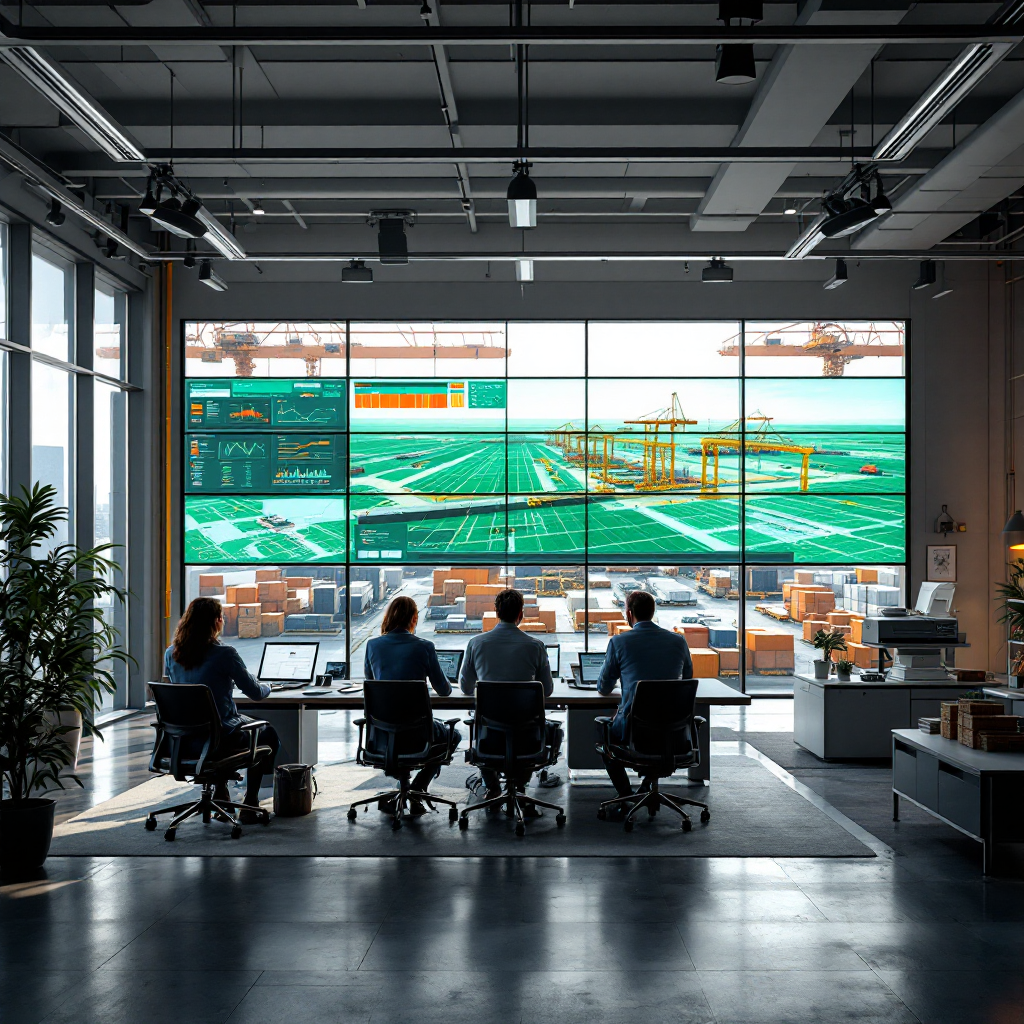
Next, a decision framework can decompose the task into phases. First, allocate storage location. Second, assign stacking slots. Third, optimize the stowing sequence. Then, the system refines each phase iteratively. Also, prompt engineering and large models now improve verification accuracy. For example, experiments with Gemini show how prompt design raises model reliability for stowage tasks [Medium]. Consequently, the software can validate complex constraints and still propose feasible changes.
Furthermore, model explainability matters. First, operators must see why a change was suggested. Second, planners must revise sequences quickly. Third, the system must provide calculation details for audits. Also, teams need the option to predetermine limits and then revise them when conditions change. Meanwhile, AI agents can integrate with terminal systems, EDI feeds and scheduling modules. For a practical view on AI solving inland planning problems see this research on AI algorithms in inland terminals resource. Thus, AI verification both speeds decisions and helps ensure compliant, safe stowage plans.
Drowning in a full terminal with replans, exceptions and last-minute changes?
Discover what AI-driven planning can do for your terminal
Terminal Management System: Integration to Improve Cargo Flow
First, a verification module must integrate tightly with the terminal management system. Next, automated checks feed real-time alerts directly into workflows. Then, the TMS updates gate bookings, quay crane plans and yard maps. Also, this integration boosts visibility across the yard and the berth. For example, connecting stowage checks to the terminal management system reduces conflicts and keeps everyone informed. In addition, the market demand for AI stowage tools reached USD 1.27 billion in 2024, reflecting rapid adoption of end-to-end integration [GrowthMarketReports]. Consequently, more ports invest in integrated management software and modules.
Moreover, automated alerts help planners and crane teams avoid clashes. First, they notify when a slot becomes infeasible. Second, they suggest reassignments before container movements start. Third, they align the quay cranes and yard equipment for minimal idle time. As a result, many terminals report improved crane productivity and higher productivity across shifts. For an operational focus on reducing rehandles, see strategies to reduce container rehandles guide. Also, seamless EDI flows and a port community link help supply chain partners remain in sync. Thus, integration across systems helps streamline cargo flow and enhance throughput.
Additionally, analytics and simulation modules support continuous refinement. First, analytics track rehandling rates, utilization and crane cycles. Second, simulation tests schedule changes before crews act. Finally, managers can use those insights to improve planning rules and operator training. Therefore, strong integration between verification software and the terminal management system becomes central to modern port operations.
Vessel and Cargo Schedule: Optimising Container Terminal Operations
First, synchronizing vessel stowage with yard pickup schedules reduces rehandling. Next, planners align the vessel load sequence with gate and rail slots. Then, they optimize handoffs between quay cranes and yard equipment. Also, collaborative optimization frameworks can cut rehandling operations by up to 30% [MDPI]. Therefore, terminals gain faster vessel turnaround and better berth utilization.
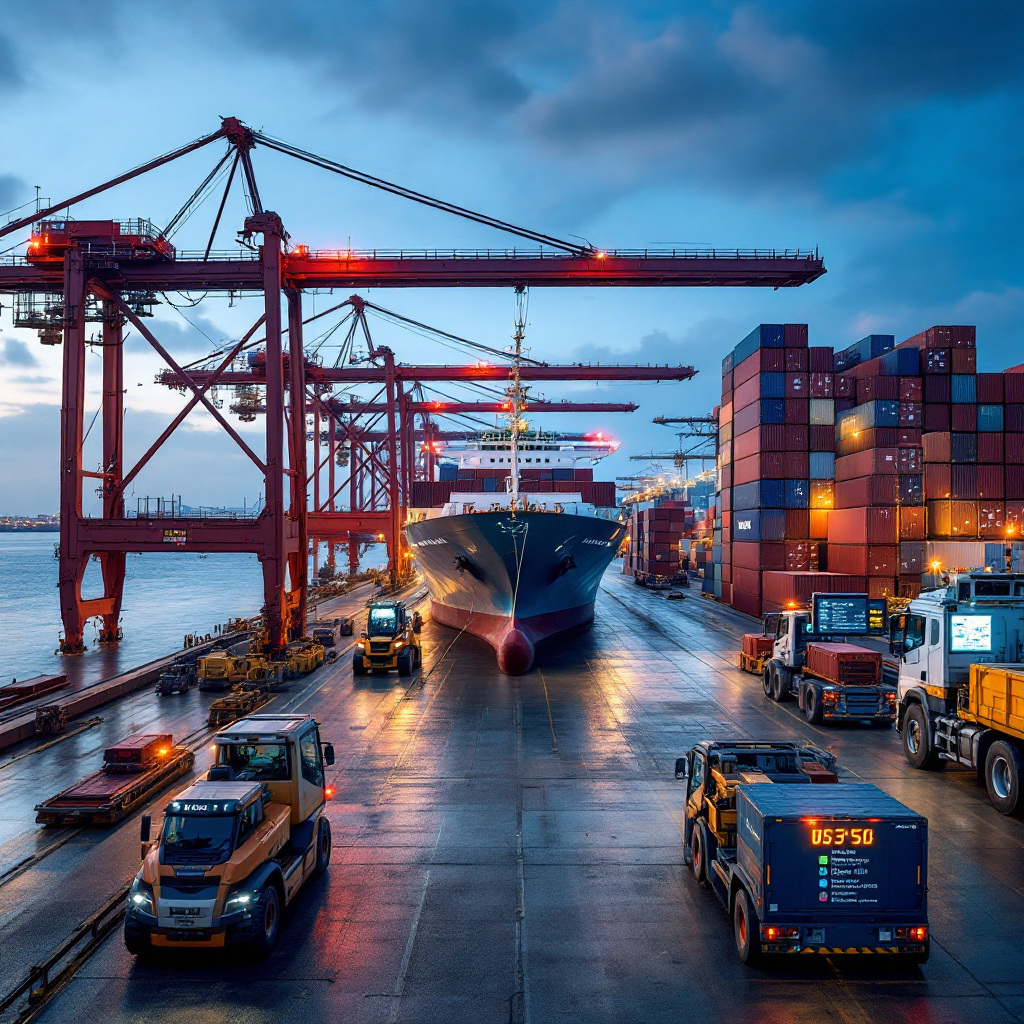
Furthermore, dynamic scheduling adapts to demand uncertainty. First, the system adjusts slot assignments when a vessel arrival slips. Second, it reassigns high-priority cargo to nearby slots. Third, it updates the stowage plan to remain optimal. For instance, deep reinforcement learning helps models adapt when bookings change unexpectedly [arXiv]. As a result, operators can minimize container movements and maintain crane productivity.
Additionally, coordination with shipping lines and the port community reduces last-minute surprises. First, shipping line messages feed into the verification module. Second, the module validates the plan and sends back feasible revisions. Third, planners accept or refine the suggestions. Meanwhile, automated coupling between vessel plans and yard routines keeps the system aligned. For implementation tips on retrofitting manual ports with digital systems see this resource on retrofitting guide. Also, real-time visibility into slot status helps the planner assign the optimal slot for each container. Consequently, terminals streamline cargo handling and improve overall operational performance.
Drowning in a full terminal with replans, exceptions and last-minute changes?
Discover what AI-driven planning can do for your terminal
Port Operations: Automate Container Handling and Improve Throughput
First, automated cranes and guided vehicles reduce manual moves. Next, the equipment follows verified plans with fewer human errors. Then, scheduling software aligns quay cranes and yard lifts to avoid bottlenecks. Also, automation helps improve safety and reliability on the quay. For example, ports that adopt automation report 15–20% gains in overall efficiency [Yenra]. Therefore, the ROI on coordinated hardware and software often justifies the investment.
Moreover, AI-led scheduling maximizes crane productivity and minimizes downtime. First, the system predicts idle periods and adjusts work assignments. Second, it sequences lifts to reduce non-productive moves. Third, it refines booking and gate operations to reduce congestion. Also, predictive analytics can extend crane shifts without raising risk, while simulation validates changes before teams execute them. For deeper study on workload balancing for wide-span yard cranes see this AI workload balancing resource case. Meanwhile, terminals must train staff to operate alongside automation. Finally, when planners, operators and machines coordinate, the terminal can maximize throughput and minimize rehandling.
Additionally, automation increases visibility and helps ensure compliant stacks. First, sensors and cameras validate stack heights and load patterns. Second, the verification model uses that data to validate a stowage plan in real-time. Third, alerts prevent non-compliant moves before they happen. Also, this approach refines gate clearing and reduces container movements across the yard. Consequently, automation strengthens the competitive position of modern ports and enhances supply chain reliability.
Container Innovation: Future Integration of AI to Automate Cargo Flow
First, trends move toward more autonomous inland terminals with full integration of verification, terminal management system and equipment control. Next, research prioritizes collaborative vessel-yard models to minimize rehandling and to improve schedule adherence. Then, developers refine models for better explainability and feasibility. For instance, a decision framework that decomposes stowage planning into phases supports granular verification and easier revision [ScienceDirect]. Therefore, future systems will offer deeper insight and faster turnarounds.
First, teams must adopt new workflows and new management software. Second, planners must trust model suggestions and still retain final authority. Third, operators need clear interfaces and up-to-date instructions. As a result, staff spend more time on complex decisions and less time on routine data entry. Meanwhile, terminals that adopt these innovations can better balance cost and service.
Finally, ongoing development in AI and integration will drive further gains. First, analytics and simulation will refine scheduling and maximize utilization. Second, adaptive scheduling will optimize slot assignments under changing conditions. Third, integration with traffic management, EDI and the port community will strengthen coordination with rail and shipping lines. Also, this coupling will help predetermine constraints and then revise plans in real-time. Consequently, ports and terminal operators that invest in these capabilities will improve productivity, enhance visibility and minimize rehandling. For additional reading on AI use cases in port operations see this overview overview.
FAQ
What is automated stowage plan verification?
Automated stowage plan verification uses AI and optimization to check and validate loading and stacking plans. It verifies weight distribution, slot assignments and handling constraints to ensure safe and compliant operations.
How does AI reduce rehandling in terminals?
AI analyzes stowage plans and suggests better slot assignments and lift sequences to cut unnecessary moves. As a result, collaborative optimization can reduce rehandling by up to 30% [MDPI].
Can verification software integrate with a terminal management system?
Yes. Integration allows real-time updates to schedule, gates and yard maps so planners see current slot status. Also, this connection reduces scheduling conflicts and improves throughput.
Do these systems work in inland terminals as well as seaports?
They do. However, inland terminals face unique constraints like limited yard space and rail coordination. Therefore, models must adapt to those constraints and ensure feasible plans.
What role do quay cranes play in automation?
Quay cranes execute the verified lift sequences at the berth and they rely on synced schedules to minimize idle time. Also, AI scheduling aligns quay cranes with yard equipment for smoother operations.
Consequently, teams avoid manual data entry and improve decision-making speed.
Are there measurable productivity gains from automation?
Yes. Ports that invest in automation often report 15–20% gains in overall efficiency [Yenra]. Also, better scheduling and fewer rehandles lift productivity and crane productivity.
What technologies power modern verification tools?
Tools use optimization algorithms, deep reinforcement learning, simulation and analytics to validate and refine stowage plans. In addition, robust integration with EDI and terminal software ensures real-time operation.
How do terminals handle unexpected schedule changes?
Dynamic scheduling adapts slot assignments and stowage sequences when vessel arrivals or bookings shift. Also, the system updates TMS records and sends alerts so teams can revise actions quickly.
What steps should a terminal take to adopt automated verification?
First, integrate the verification module with your terminal management system and EDI feeds. Second, train planners and operators to use the new workflows. Third, pilot the solution on a subset of vessels and then scale as confidence grows.
our products
 stowAI
 stackAI
 jobAI
jobAI
Innovates vessel planning. Faster rotation time of ships, increased flexibility towards shipping lines and customers.
Build the stack in the most efficient way. Increase moves per hour by reducing shifters and increase crane efficiency.
Get the most out of your equipment. Increase moves per hour by minimising waste and delays.
stowAI
Innovates vessel planning. Faster rotation time of ships, increased flexibility towards shipping lines and customers.
stackAI
Build the stack in the most efficient way. Increase moves per hour by reducing shifters and increase crane efficiency.
jobAI
Get the most out of your equipment. Increase moves per hour by minimising waste and delays.