
Introduction to Port and Terminal Productivity through Automation
Terminal productivity depends on speed, accuracy, and predictable workflows. In modern container terminals, automation drives consistent gains in throughput and reliability. Terminal teams measure performance in moves per hour and berth occupancy. They also track dwell time and operational costs. Adoption has risen quickly. Over 60% of major terminals now use forms of automated planning and control (ESCAP Smart Port Development). That trend helps terminals worldwide to increase efficiency and handle higher TEUS with the same footprint.
Automated stowage and digital tools reduce time spent on manual work. For example, automated processes can cut planning time by up to 70% and reduce stowage related errors by roughly 40% (C. Lee) and (Shipzero). These numbers translate into 10–25% lower operational costs for many operators, which improves profitability and competitive edge. Terminal operators face fluctuating demand, varied cargo type, and limited quay space. Automation helps to optimize planning and to maximize vessel turnaround.
Automation is not only software. It includes sensors, data links, and trained staff who use management tools and a terminal operating system to make quick decisions. A modern TOS integrates booking records with yard management and the loading list, so teams can react faster to changes. The combined result is improved terminal productivity and a clear path toward digital transformation. For readers wanting more on quay-level improvements, see a practical guide to quay optimization quay optimization.
Automated Stowage Planning and Vessel Planning in Maritime Logistics
Automated stowage planning reshapes vessel planning workflows. Traditionally, planners relied on spreadsheets and manual planning. Now, AI-driven algorithms generate a stowage plan that balances weight distribution, handling sequence, and port calls. A good stowage planning solution reduces human errors and speeds vessel operations. The system considers cargo characteristics and the booking sequence, while also respecting safety and stability rules.
Artificial Intelligence and Machine Learning analyze historical data and predict likely changes. These models then propose an optimized arrangement that the planner can accept or refine. Planners can complete complex vessel stowage planning tasks in a fraction of the time. In practice, some operators report up to 70% faster planning times (planning time statistic). The software connects to external feeds including shipping lines schedules and customs entries. That enables smoother handoffs and fewer surprises when a ship arrives.
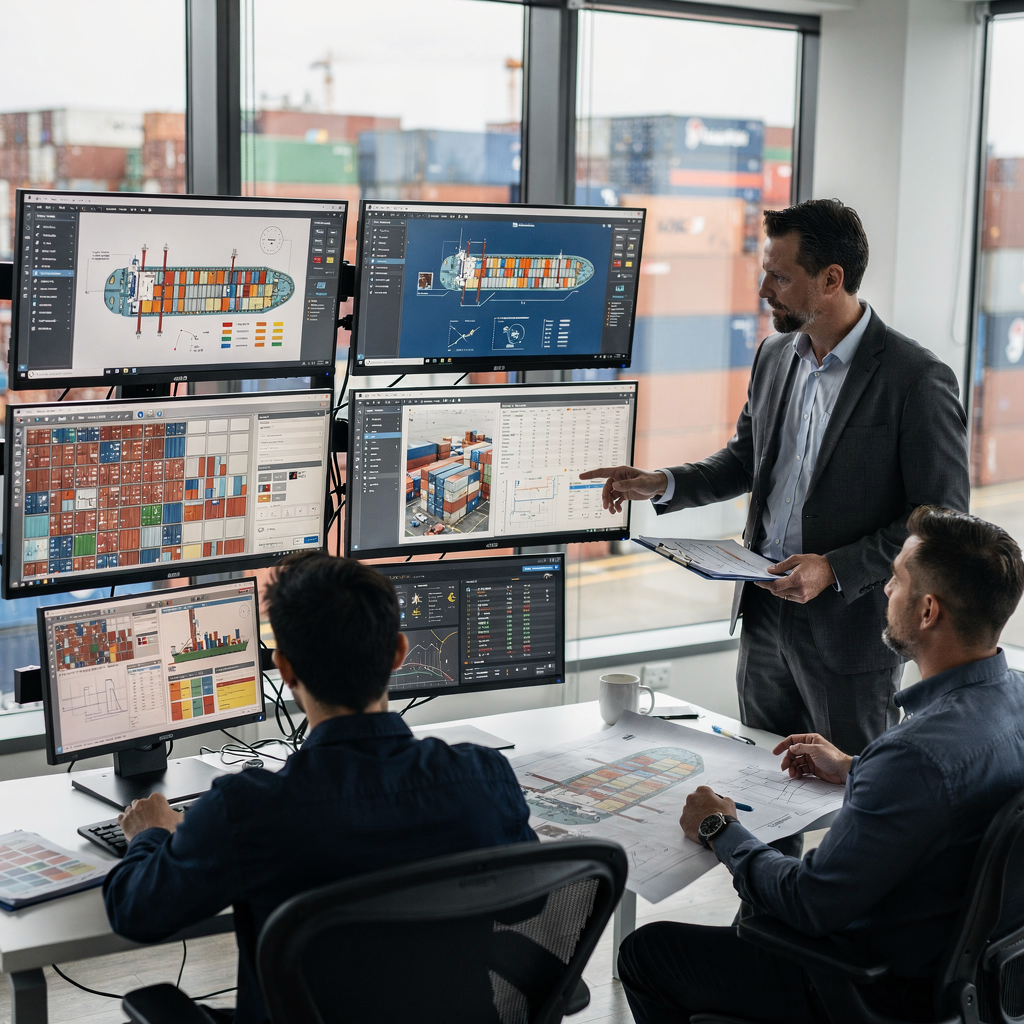
IoT sensors and real-time feeds provide position and condition data. The planning software uses those signals to update the loading list and to adapt load sequencing. When last-minute booking changes occur, the system generates a revised plan quickly, saving time and reducing risk. This close link between vessel planning and terminal activities streamlines operations and gives planners the tools to manage variance without reverting to manual planning. For a deeper dive into AI decision support for terminal systems, see AI decision support for port operations AI decision support.
Drowning in a full terminal with replans, exceptions and last-minute changes?
Discover what AI-driven planning can do for your terminal
Core Functionality of Stowage Planning Solution and Management Software
A robust stowage planning solution combines several core functions. Space optimization algorithms improve space utilization and stacking strategies. Stability checks enforce weight distribution limits and safety margins. Load sequencing modules produce a clear loading list for crane teams. The overall aim is to streamline operations, and to reduce handling errors. Modern platforms expose a user-friendly interface that integrates with the TOS and with external systems.
Integration matters. Data management links booking records, customs manifests, and yard statuses. A single management system pulls those inputs into a coherent plan. This reduces rework in yard management and avoids container terminal operations bottlenecks. The planning software also exchanges messages with the TOS and with ERPs, which helps reconcile manifest errors before cranes start. Vendors design modules to cover compliance, weight distribution, and special cargo handling rules. This modularity supports product management and tailored workflows for unique needs.
Functionality extends beyond planning. The software provides simulation, what-if analysis, and a clear audit trail for regulatory checks. Planners can test several load sequences and compare throughput outcomes. That analysis helps to optimize planning and to maximize berth productivity on busy days. Integration with established platforms like NAVIS or other TOS environments ensures predictable handoffs to crane crews and stack operators. The result is better resource allocation, fewer vessel delays, and measurable reductions in operational costs. For more on yard-level improvements, explore yard optimization software yard optimization software.
Optimising Terminal Operations and the Supply Chain with Automation
Automation affects the entire supply chain, and it affects terminal throughput and berth use. By reducing manual steps, terminals can increase throughput and reduce vessel idle time. Predictive tools coordinate arrival windows and adjust crane assignments. Those adjustments help to maximize berth productivity and to reduce vessel stays at the quay. Platforms that leverage historical data and real-time data give operators a planning efficiency advantage.
Data sharing platforms enable seamless handoffs between shipping lines, terminal operators, and hinterland partners. When terminals share ETA updates and loading plans, trucks and feeders arrive at the right times. That coordination reduces dwell time and lowers operational costs for the whole network. These connections also support sustainable shipping goals by cutting unnecessary moves and idle time.
Operational email is a hidden bottleneck in many terminals. High volumes of booking changes, customs queries, and exception messages create delays. The system reads emails, matches intent, and either routes or resolves messages by pulling data from ERP and TOS systems. Teams who adopt automated email workflows typically reduce handling time per message from ~4.5 minutes to ~1.5 minutes. That saves hours each day for planners and supervisors, and it helps terminals respond faster to disruption.
Drowning in a full terminal with replans, exceptions and last-minute changes?
Discover what AI-driven planning can do for your terminal
Enhancing Cargo Handling and Productivity at Container Terminals
Automation improves cargo operations in practical ways. Better stacking rules and optimized load sequences reduce damage and speed handling. Automated guidance for cranes and yard vehicles increases moves per hour. Those gains translate into lower dwell times and smaller operational costs per TEU. Terminals that apply these tools can significantly reduce rehandles and unnecessary moves, and they can improve terminal productivity consistently.
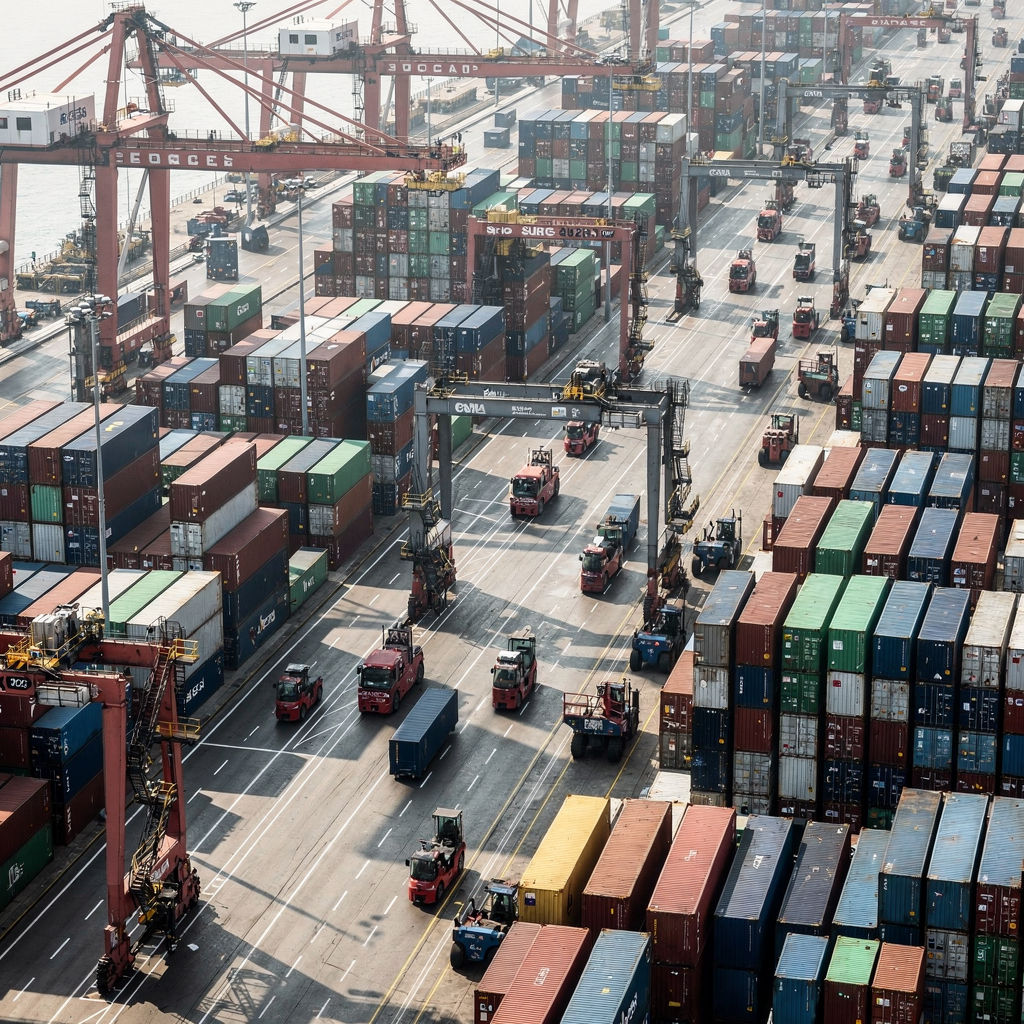
Productivity gains show up in measurable metrics. Moves per hour rise, labour utilisation becomes more predictable, and equipment cycles shorten. Many terminals report 10–25% cost savings from better planning and fewer human errors, while error rates related to stowage fall by around 40% (Shipzero whitepaper). These numbers matter to operators who watch margins closely. Improved space utilization and better weight distribution reduce safety risks and help to avoid costly fines.
Software solutions often include modules for cargo type handling, hazardous goods, and temperature-controlled units. Integration with customs and booking feeds ensures teams can prepare documentation and move containers without delays. Terminals can scale capacity without expanding area by optimizing stacking and crane schedules. That high scalability helps container terminals maintain throughput during peak seasons and gives a competitive advantage in global trade.
Strategies to Automate and Maximise Stowage Plan Efficiency
To maximize stowage plan efficiency, combine policy, technology, and continuous improvement. Start with clean data and clear interfaces between the TOS, the management system, and external stakeholders. Use standardized messages and a shared definition of the loading list to avoid miscommunication. Adopt optimization routines that can update plans in minutes when bookings change or when a berth shifts.
Address integration challenges proactively. Many terminals run legacy systems, and linking them to modern planning software requires mapping and governance. Establish interoperability rules, and support them with clear API contracts. International standards for data exchange ease integration and help the industry move toward seamless operations. For guidance on future IT strategies, see future-proofing port operations with AI future-proofing port operations with AI.
Look ahead to AI enhancements that support autonomous vessel operations and predictive maintenance. Combine predictive analytics with human-in-the-loop checks to maintain control while you increase automation. Keep the focus on planning efficiency and on workflows that reduce rehandles. Finally, invest in staff skills and in management tools that let teams adapt plans quickly. With clear metrics and a focus on continuous improvement, terminals can reduce disruption, increase efficiency, and maintain profitability as trade volumes grow.
FAQ
What is automated stowage planning and how does it differ from manual planning?
Automated stowage planning uses algorithms and AI to create container arrangements that balance weight, accessibility, and port call sequences. Manual planning relies on spreadsheets and human judgment, which are prone to human errors and slower decision cycles.
How much time can automated stowage systems save in vessel planning?
Some operators report planning time reductions of up to 70% when moving from manual planning to automated tools (source). Faster planning frees teams to focus on exceptions and strategic improvements.
Can automated systems handle last-minute booking changes?
Yes. Modern platforms ingest booking updates and generate revised plans quickly, which helps to streamline operations and to reduce disruption. Systems that link to the TOS and to booking feeds perform best in dynamic scenarios.
Will automation reduce the need for skilled planners?
No. Automation changes the role of skilled planners rather than replacing them. Planners move from repetitive tasks to oversight, exception handling, and continuous improvement.
How do these tools integrate with existing terminal systems?
Planning software typically connects via APIs to the TOS, ERPs, and customs systems for seamless data exchange. Proper data management and governance accelerate integration and lower the risk of mismatches.
Are there measurable cost benefits to automated stowage planning?
Yes. Industry reports indicate operational cost savings between 10% and 25% from optimized container placement and reduced manual labour (whitepaper). Those savings support higher profitability over time.
How does automation affect yard management and equipment use?
Automation improves yard management by providing better stacking plans and optimized job sequences. Equipment cycles shorten, and moves per hour increase, which improves throughput and reduces dwell time.
Is data sharing between stakeholders important?
Yes. Data sharing between shipping lines, terminals, and hinterland partners reduces conflicts and synchronizes actions. Shared ETA updates and loading plans help trucks and feeder services to arrive when needed.
By grounding replies in ERP and TOS data, the system reduces handling time, improves consistency, and helps teams respond faster to exceptions.
How should a terminal start with automation projects?
Begin with a clear use case, clean data, and a pilot that links the planning software to one system such as the TOS. Measure planning efficiency and throughput gains, then scale with continuous improvement and staff training.
our products
 stowAI
 stackAI
 jobAI
jobAI
Innovates vessel planning. Faster rotation time of ships, increased flexibility towards shipping lines and customers.
Build the stack in the most efficient way. Increase moves per hour by reducing shifters and increase crane efficiency.
Get the most out of your equipment. Increase moves per hour by minimising waste and delays.
stowAI
Innovates vessel planning. Faster rotation time of ships, increased flexibility towards shipping lines and customers.
stackAI
Build the stack in the most efficient way. Increase moves per hour by reducing shifters and increase crane efficiency.
jobAI
Get the most out of your equipment. Increase moves per hour by minimising waste and delays.