
crane automation: optimize container handling and reduce congestion
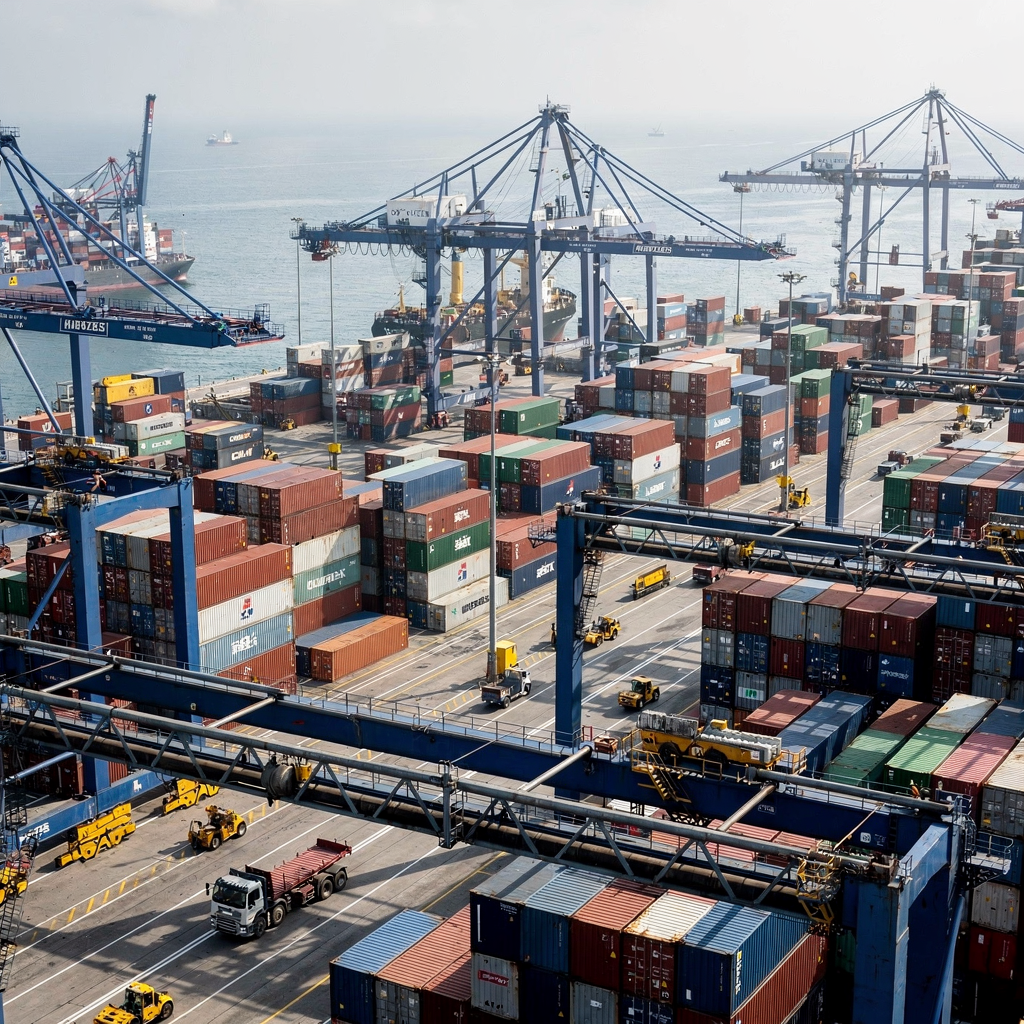
Split-planning algorithms reassign tasks so each crane in the berth works without long pauses. In practice, a single vessel operation sees multiple cranes coordinated to handle bays and bayside work. The software will allocate picks and placements across quay cranes to balance cycles, reduce idle time, and reduce unnecessary container move cycles. For example, when a mega-ship arrives, planners must allocate work across a block of adjacent cranes so that no crane waits while neighbours finish a slot. This reduces tugging of tasks and cuts reshuffle counts at the yard. Also, automated allocation helps the operator to plan lifts that respect stowage constraints and avoid unsafe overlaps.
Data supports these claims: terminals that adopt automated split planning report a measured 15–20% boost in crane productivity and as much as a 25% cut in idle time during peak calls (industry market report). At the same time, an academic review found that yard operations and crane coordination are improved when split-planning links directly to yard layout and task sequencing (research review). Therefore, throughput rises, berth stay shortens, and vessel discharge proceeds more predictably. These gains matter because port congestion costs carriers time and money, and because berth availability directly drives carrier schedules.
Loadmaster.ai applies reinforcement learning agents such as StowAI and JobAI to this exact challenge. The agents simulate millions of allocations to find near-optimal crane splits while respecting safety and execution rules. Next, the system operates with human-in-the-loop approvals so the operator retains control. The approach reduces the firefighting that many planners face, and it reduces human error in split decisions. Also, by linking split plans with real-time yard states, terminals can reduce the number of shifters and shorten turnaround times. For detailed testing methods and digital twin approaches, see our work on digital twin yard strategy testing.
container terminal operations: real-time yard layout and terminal automation
Integration of a terminal operating system with yard management and quay crane control enables live, coordinated workflows. When real-time updates flow from cranes and yard vehicles, the TOS can reroute moves, dynamically reassign slots, and notify the operator of conflicts. For terminals that want to automate both quay and yard, this tight integration reduces the number of unnecessary yard moves and keeps the terminal yard uncluttered. Also, a live yard layout that reflects actual container positions shifts the emphasis from static plans to adaptable schedules that match real conditions.
Dynamic yard layout updates minimise extra moves by selecting placements that protect future access. The AI uses stacking sequences and container priorities to decide where to place imports so that retrieval for carriers is efficient. Additionally, combining AGVS, RTG controllers, and crane telemetry creates a connected layer where the software can coordinate the quay and yard to avoid a queue of equipment waiting for slots. A well-implemented terminal automation stack reduces container dwell time and improves throughput, while also lowering driving distances for yard tractors.
Terminal automation projects face integration complexity, yet benefits are clear. For practical methods to reduce crane idle time through coordination, readers can review our applied research on planning improvements reducing crane idle time with better planning. Also, for migration strategies when updating the TOS without disrupting live port operations, see our guide on TOS transition practices handling TOS migration projects. The result of these steps is fewer conflicts at the quay, more efficient handling equipment cycles, and smoother intermodal handoffs that benefit the carrier and the operator.
Drowning in a full terminal with replans, exceptions and last-minute changes?
Discover what AI-driven planning can do for your terminal
predictive maintenance and berth scheduling in port terminal
Advanced sensor networks collect vibration, temperature, and cycle counts from each crane spreader and trolley. By feeding sensor data into ai models, the system can forecast failures before they happen and schedule maintenance at low-impact windows. Predictive maintenance works by comparing current signals to learned patterns; when anomalies appear, an alert fires and the maintenance team gets a clear priority. This reduces reactive repairs and helps planners avoid last-minute reroute decisions that generate berth overruns and long delays.
Reducing unplanned downtime yields measurable benefits. For example, terminals with predictive maintenance see fewer emergency stoppages, which helps the berth schedule remain stable and reduces vessel stowage interruptions. Also, maintenance planning integrates with quay crane scheduling so a planned repair can be timed when a vessel is underloaded or when yard activity peaks. This kind of scheduling with yard coordination preserves throughput and supports operational efficiency.
AI-driven monitoring also feeds dashboards that present maintenance needs and active alerts. Loadmaster.ai trains reinforcement learning agents in a digital twin so the system learns robust repair timing policies without relying solely on past failure logs. The agents create ai schedules that balance crane availability against planned yard moves. Next, when a predicted issue threatens a bay, the system automatically suggests short-term reassignments to adjacent cranes and issues an alert for the maintenance crew. These changes help keep berth occupancy predictable and reduce the risk of port congestion during peak weeks.
automate vessel stowage in container terminal: forecast for smart port efficiency
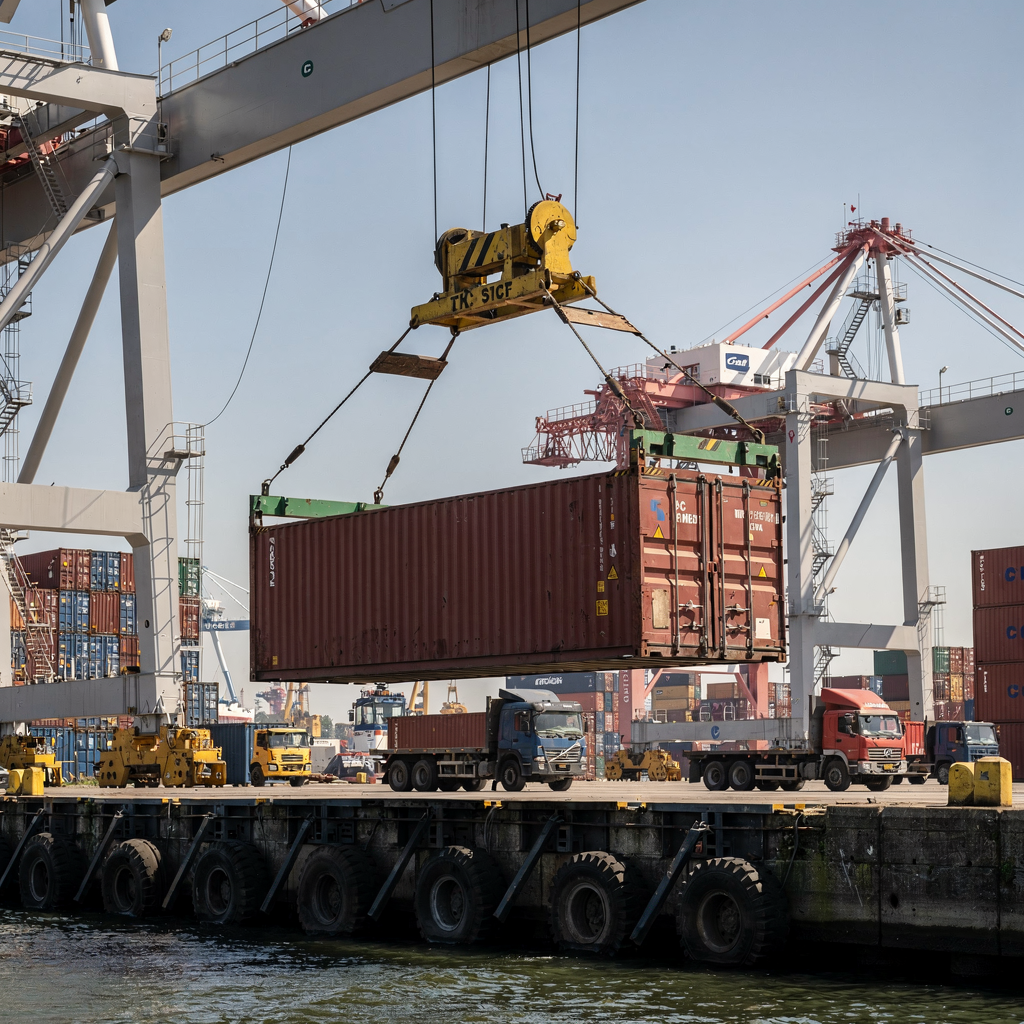
Software can automate assignment of bays, hatches, and crane blocks based on vessel stowage plans, weight distribution limits, and cargo priorities. The vessel stowage plan becomes the input to an ai planning routine that matches cranes to discharge patterns and predicts the best sequence for container lifts. By forecasting the load/unload sequence, the system reduces the number of shifters and improves the flow between quay and yard.
Forecast models use historical patterns plus simulated scenarios to predict the sequence of moves for mega-vessels. Reinforcement learning and advanced ai let systems explore many permutations, then recommend near-optimal plans that respect port rules. For terminals aiming to automate stowage and reduce manual edits, these ai models improve execution consistency and reduce human error in complex vessel planning tasks. A connected workflow also allows the vessel planner to validate suggested bay assignments and adjust priorities before execution.
Automating vessel stowage produces several smart port benefits: faster berth turnover, fewer yard reshuffle events, and clearer handoffs for the carrier. Terminals that adopt these methods report better container dwell time metrics and smoother quay and yard coordination. To see how multi-agent AI can be applied across port systems, review our case studies on multi-agent approaches in port operations multi-agent AI in port operations. Also, research into AI-driven relocation highlights methods for adaptive data generation to improve stowage accuracy (Frontiers research). Finally, terminals that automate stowage gain measurable efficiency gains while moving toward a true smart port posture.
Drowning in a full terminal with replans, exceptions and last-minute changes?
Discover what AI-driven planning can do for your terminal
stack management and stowage planning in terminal operations
Efficient stack management reduces reshuffle operations and protects future access to priority boxes. AI-driven stowage planning assigns containers to stack positions that minimise future yard moves and respect container dwell profiles. By considering stacking sequences, container priorities, and yard space constraints, the system keeps the terminal yard ready for the next wave of arrivals.
A good stack strategy blends short-term and long-term goals. Short-term, the system places high-priority export containers close to the gate to speed intermodal flows. Long-term, it preserves space for inbound TEU surges and avoids blocking lines of containers that require frequent retrieval. Also, attention to empty container flows reduces needless empty-container reshuffle and helps free yard space for revenue-generating boxes.
Loadmaster.ai’s StackAI uses reinforcement learning to place and reshuffle containers while balancing travel distance and future plan protection. The approach reduces yard moves and lowers energy use by limiting driving distance for handling equipment. Furthermore, by linking stack decisions with quay crane sequences and vessel planning, StackAI helps the terminal avoid bottleneck situations that cause port congestion. For planners, the result is a clearer view of container yard state, fewer emergency reshuffles, and more predictable container dwell time.
building a smart port: integrate automation, real-time and predictive maintenance
Roadmaps for a smart port combine automation modules with live data feeds and predictive maintenance. First, terminals should deploy a digital twin to validate policies and stress-test ai models under simulated peaks. Next, they should integrate sensor data and data analytics into a common dashboard so operators see berth states, crane health, and yard layout together. Then, reinforcement learning agents can run in a closed loop with human oversight to tune policies for multiple KPIs, including reduced berth time and higher crane utilisation.
Key performance indicators help track progress. Targets often include reduced berth stay, higher moves per hour on cranes, and lower yard costs per TEU. Loadmaster.ai emphasises measurable efficiency gains through a three-agent approach: StowAI, StackAI, and JobAI. These agents operate with explainable rules and safe guardrails, so the operator retains governance while the system reduces manual firefighting. For terminals focused on capacity planning and simulation, our resources on digital twins show practical deployment steps container terminal capacity planning using digital twins.
Future trends include digital twin simulation for scenario testing, energy-aware optimisation to support green ports, and extended integration with intermodal partners so container flows remain smooth beyond the gate. Also, terminals will increasingly rely on ai models to reroute yard moves during unplanned events and to generate ai schedules that respect maintenance windows and operational constraints. In short, combining terminal automation, predictive maintenance, and real-time data feeds builds a resilient, efficient container port ready for the next generation of vessels. For work on berth-call coordination and quay crane planning, see our integration research integrating berth call optimization.
FAQ
What is crane split planning and why does it matter?
Crane split planning is the process of assigning work among multiple quay cranes so that each crane has balanced cycles and minimized idle time. It matters because well-balanced splits raise throughput, shorten vessel turnaround times, and reduce the number of reshuffle moves in the yard.
How much productivity improvement can be expected?
Industry reports indicate a 15–20% boost in crane productivity when automated split planning is implemented (market report). Gains vary by terminal, but typical benefits include lower idle time and fewer bottlenecks.
Can predictive maintenance reduce berth overruns?
Yes. Predictive maintenance forecasts failures from sensor data and schedules repairs during low-impact windows, which reduces emergency downtime that often causes berth overruns. This creates a more reliable berth schedule and improves operational resilience.
What role does reinforcement learning play in terminal automation?
Reinforcement learning trains agents to weigh multiple KPIs and to discover policies that surpass historical averages. By simulating many scenarios, RL agents can propose near-optimal allocations for stowage, stack placement, and dispatching without requiring large historical datasets.
How does the system integrate with existing TOS and equipment?
Modern solutions connect via APIs and standard interfaces so the ai layer can read real-time data and send execution instructions. Integration keeps the operator in the loop, and migration can be staged to avoid disruptions to live port operations.
Will automation increase human error or reduce it?
Automation reduces certain types of human error by enforcing constraints and proposing consistent plans, but human oversight remains essential for exceptions and governance. Systems include guardrails and explainable decisions to support operator trust.
How do stack decisions affect terminal throughput?
Smart stack placement prevents blocking and reduces yard moves, which accelerates retrieval for export and import loads. Lower reshuffle rates directly improve throughput and reduce driving distance for handling equipment.
Is real-time data necessary for these systems?
Real-time data improves responsiveness by enabling the system to reroute, reschedule, and react to equipment states and vessel changes. While some planning can use forecasts, real-time feeds make execution more robust.
What KPIs should terminals track when deploying automation?
Key KPIs include crane utilisation, moves per hour, container dwell time, yard moves per TEU, and berth occupancy. Tracking these provides insight into operational efficiency and the value of automation investments.
How does Loadmaster.ai approach short-term versus long-term planning?
Loadmaster.ai uses a three-agent design: StowAI for vessel planning, StackAI for yard strategy, and JobAI for execution. The agents train in a digital twin to balance short-term execution with long-term yard health, delivering consistent performance across shifts.
our products
 stowAI
 stackAI
 jobAI
jobAI
Innovates vessel planning. Faster rotation time of ships, increased flexibility towards shipping lines and customers.
Build the stack in the most efficient way. Increase moves per hour by reducing shifters and increase crane efficiency.
Get the most out of your equipment. Increase moves per hour by minimising waste and delays.
stowAI
Innovates vessel planning. Faster rotation time of ships, increased flexibility towards shipping lines and customers.
stackAI
Build the stack in the most efficient way. Increase moves per hour by reducing shifters and increase crane efficiency.
jobAI
Get the most out of your equipment. Increase moves per hour by minimising waste and delays.