
Chapter 1: Enhancing port productivity with digitalization
GMPH measures the number of container moves per hour and sits at the heart of any effort to improve container productivity in container terminals. To raise GMPH you need data, fast decisions, and fewer surprises. Digitalisation delivers those capabilities by combining internet of things sensors, real-time data feeds, and data analytics platforms so planners get up-to-date data about crane cycles, truck queues, and container storage. For example, terminals that combined sensors with analytics reported measurable gains; studies show digital upgrades can lift moves per hour by 15–30% by reducing error and rehandles. That is a clear incentive for ports around the world to invest in sensor networks.
IoT and iot distributed devices make container tracking easier, and real-time tracking lets teams react before queues form. Automated guided vehicles and agvs provide repeatable motion that reduces operator variability and helps minimise downtime. Digitalization of gate flows speeds entry and exit for trucks, shortens dwell times, and lowers queuing that causes port congestion. When sites adopt mobile apps for crane crews and truck drivers they improve coordination across berth and yard, and they reduce the number of unnecessary container moves. This lowers fuel consumption and improves energy-efficient operations, which supports eco-friendly goals at port authorities.
Loadmaster.ai uses reinforcement learning agents to simulate terminal assets and test policy changes in a digital twin before live deployment. Our StowAI and StackAI agents help terminal operators cut rehandles and optimise allocation, which improves throughput while protecting yard balance. For readers who want to learn how to monitor yard density in real time, see our real-time container terminal yard density monitoring page real-time yard density monitoring. Also, digital transformation paired with clear management processes and frequent staff training helps protect throughput during disruptions such as covid-19 and other pandemic-related shocks. Overall, investing in sensors, data-driven dashboards, and mobile apps is a way to improve GMPH and the movement of containers across the quay and yard.
Chapter 2: Leveraging real-time terminal operating system as a way to improve container terminal performance
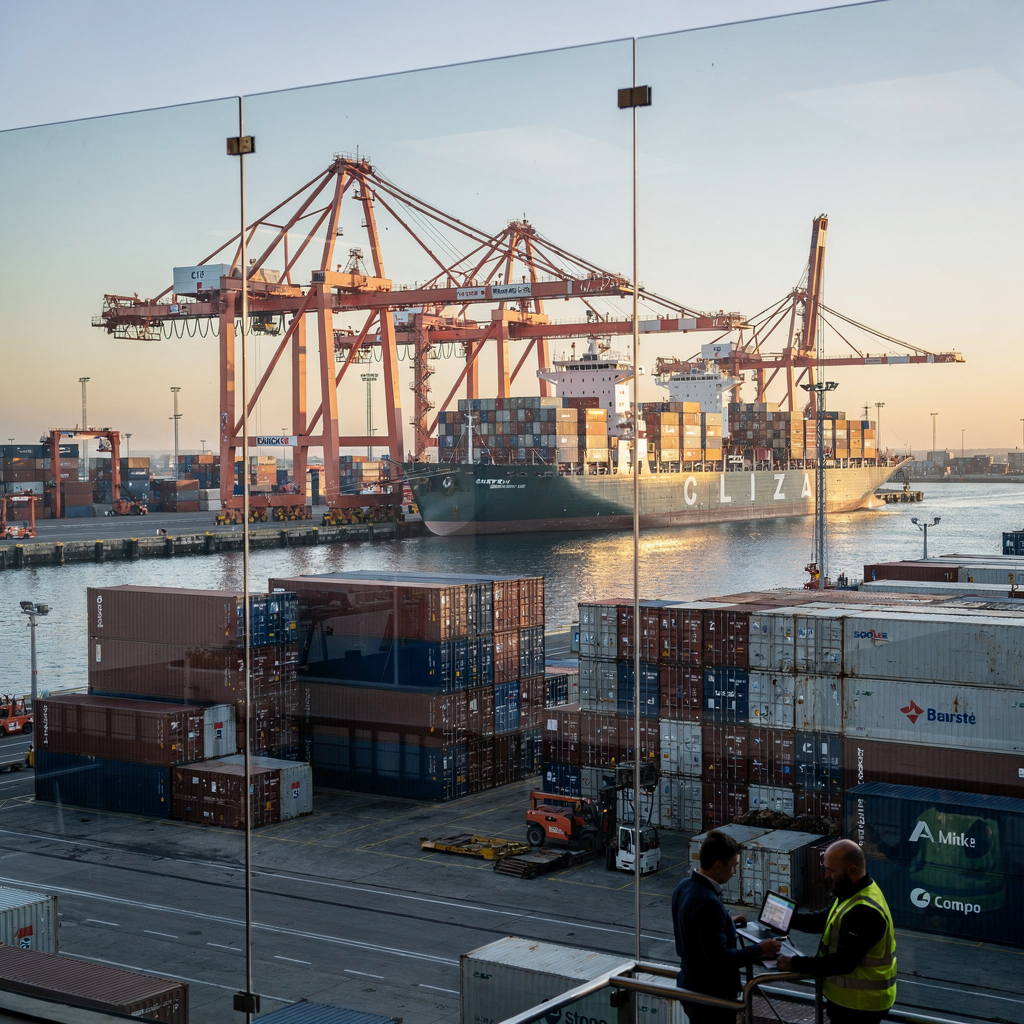
A terminal operating system gives planners a single view that links berth schedules, crane assignments, and truck dispatch. With a terminal operating system and connected telemetry, operators gain real-time visibility of yard and berth activity, which reduces idle time and improves crane utilisation. When a TOS shows vessel ETA and current stack distribution, dispatchers can prioritise unloading sequences to reduce restows and limit useless moves. In practice, TOS adoption has lifted GMPH from around 25 to over 35 moves per hour at several modern deepsea terminals in documented cases.
Real-time dashboards combine up-to-date data with job-level sequencing so a quay team sees the next lifts, the truck assignments, and the yard targets. That level of coordination reduces turnaround and supports greater efficiency in container vessels calls. An integrated TOS streamlines port operations and reduces bottleneck scenarios during peak windows. For teams working with multiple legacy systems, integrating our AI optimization layer can add a short path to improved outcomes; see our article on integrating TOS with AI optimization layers for container ports integrating TOS with AI. By automating task lists and synchronising crane and yard tasks, terminals reduce unnecessary driving distance and increase operational efficiency.
Security and customs remain essential. For gates where a security check required step exists, a TOS can flag documents before arrival and avoid delays. The TOS also supports decision-making that balances crane productivity versus yard congestion while keeping human planners in the loop. This hybrid approach helps terminal operators maintain consistent performance across shifts and reduces the firefighting that often follows sudden schedule changes. With better orchestration, ports improve container handling and cut vessel turnaround, which in turn makes the facility more competitive in global trade.
Drowning in a full terminal with replans, exceptions and last-minute changes?
Discover what AI-driven planning can do for your terminal
Chapter 3: Using artificial intelligence to enhance port and optimise terminal assets
Artificial intelligence offers targeted improvements that raise GMPH while lowering operational costs. Predictive maintenance powered by machine learning predicts crane wear and AGV battery needs, so teams can schedule repairs before a failure stops a berth. Terminals that applied AI-driven predictive maintenance reported 10–20% reductions in maintenance costs and less unscheduled downtime after infrastructure and digital upgrades. That frees up quay cranes and reduces the idle minutes that drag down throughput.
Machine-learning models also optimise allocation of quay cranes and yard equipment. These models propose crane sequences and repositioning plans that limit rehandles and reduce driving distances for straddle carriers and trucks. Loadmaster.ai’s JobAI and StackAI run millions of simulated scenarios in a digital twin so they can propose robust plans without relying on historical data. Our agents help terminal strategists balance competing KPIs, and they adapt to new vessel mixes and disruptions without long model retraining cycles. This data-driven method improves utilisation of terminal assets while reducing cost and fuel consumption.
AI can also enhance berth scheduling to improve ship-to-shore cycles. By forecasting crane productivity and simulating berth windows, planners can choose sequences that reduce turnaround time for container vessels. For terminals that handle large transshipment volumes, AI helps synchronise feeder calls and mainline operations so the entire chain of lifts moves smoothly. The result is fewer rehandles, a smaller carbon footprint, and a stronger ROI. As ports pursue digital transformation, pairing a modern TOS with explainable AI gives terminal operators clear, auditable decisions that raise productivity and protect yard balance.
Chapter 4: Optimising container vessels handling and warehouse workflows
Infrastructure upgrades are a foundational step to increase GMPH. Deepening a berth, adding quay cranes, and extending quay length let a terminal handle larger container vessels and multiple cranes per call. Ports that invested in such upgrades reported GMPH increases of 10–15% after expansion in port development reports. When planners coordinate crane cycles with on-dock warehouse flows, they reduce handover time and make each crane move count.
Harmonising ship-to-shore operations with on-dock warehouse activity requires clear workflows. Best practices include mapping the movement of goods from the quay to dedicated container storage areas, assigning trucks to lanes with predictable dwell times, and staging containers to match outbound loads. These measures help minimise the number of restows and balance yard utilisation. For a practical approach to stable stowage planning, refer to our container terminal stowage planning guidance stowage planning for stability and safety.
Optimised crane scheduling also reduces vessel turnaround. For example, synchronised crane teams can reduce a vessel’s port time by roughly 25% when GMPH rises from 30 to 40 moves per hour based on terminal KPI analysis. Warehouses and on-dock yards that align receiving windows with allocation plans cut congestion at the gate and limit idle truck time. These changes also improve the predictability of shipment arrivals for hinterland carriers and support a more resilient global supply chain. An operational audit that reviews crane cycles, warehouse throughput, and truck lanes will often reveal simple fixes that lift overall throughput.
Drowning in a full terminal with replans, exceptions and last-minute changes?
Discover what AI-driven planning can do for your terminal
Chapter 5: Applying stack management techniques to boost productivity at container terminal yards
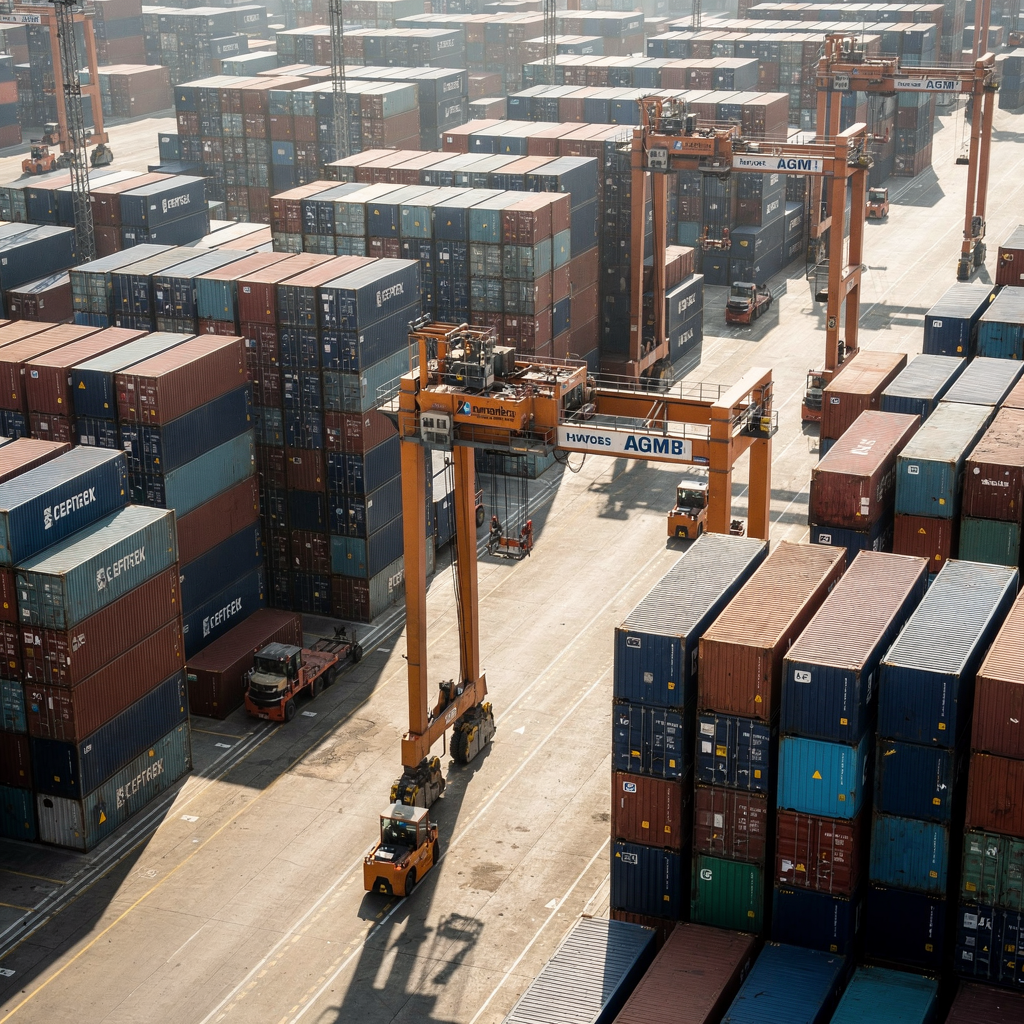
Stack strategy matters because yards are where the invisible battle for moves per hour is often won or lost. Dedicated blocks, hybrid stacking, and automated yards each offer trade-offs. Dedicated blocks speed retrieval for specific services such as transshipment, while hybrid stacking improves flexibility during peaks. Automated stacking cranes and agvs minimise container restows by placing boxes with future moves in mind. Terminals that implemented automated stack operations have reported yard productivity improvements of up to 30% in some cases in productivity analyses. These gains translate into faster truck turnaround and steadier crane feeds.
Minimising rehandles requires a mix of smart allocation and predictive placement. Loadmaster.ai’s StackAI simulates future vessel calls and places containers to protect future plans, which helps to limit unnecessary moves. Combining dynamic slotting with automated cranes reduces driving distance for straddle carriers and lowers operational costs. For more on dynamic slotting and balancing restow reduction, see our article on dynamic slotting in container port yards dynamic slotting in container yards.
Good stack management also reduces port congestion and keeps the flow of shipping containers moving. By planning for entry and exit lanes, and by using data analytics to predict inbound loads, terminal operators can manage container storage more effectively. This approach protects quay productivity and reduces the number of shifters needed during peak shifts. As automation grows, hybrid human and machine workflows remain essential: skilled staff maintain oversight, robots handle repetitive lifts, and planners ensure that the stack remains optimised for the next calls.
Chapter 6: Improving container throughput and freight flow through stakeholder collaboration
Raising GMPH is not only a technical effort; it is also a coordination challenge. Data sharing between shipping lines, terminal operators, and hinterland carriers smooths flows and reduces bottleneck risk. When stakeholders use joint planning platforms and centralised dashboards that show vessel ETA, truck windows, and container availability, truck queues shrink and productive time at the quay increases. Collaborative platforms support on-demand schedule updates that reflect the real state of berth and yard, which helps to reduce dwell times on the terminal.
Standardised interfaces and APIs allow port authorities and terminal operators to exchange real-time data, which enables better planning for transshipment and inland handoffs. Shared dashboards reduce uncertainty for truckers and rail operators, and they support better sequencing at the gate. For terminals aiming to reduce yard congestion and improve container handling, coordinated planning platforms yield smoother freight flow and fewer surprises. A joint planning approach also makes it easier to implement seasonal changes and to respond to shocks, such as a surge in shipment volumes or regulatory slowdowns.
Loadmaster.ai supports collaboration by integrating with existing TOS solutions and by offering explainable AI that planners can trust. Our scalable AI engines help terminal operators coordinate quay crane allocation with yard moves so the whole system improves together; see our scalable AI engines for deepsea container port planning scalable AI engines. Ultimately, better stakeholder alignment reduces turnaround and increases throughput. With aligned incentives, ports gain competitiveness and stronger links into the global supply chain and worldwide supply networks.
FAQ
What is GMPH and why does it matter?
GMPH stands for Gross Moves Per Hour and measures how many container moves a terminal completes while a vessel is alongside. Higher GMPH reduces vessel turnaround and increases throughput, which benefits shipping lines and the wider supply chain.
How does digitalisation increase moves per hour?
Digitalisation links sensors, TOS data, and analytics so planners see the full flow and react quickly to delays. That visibility reduces idle time, lowers rehandles, and speeds handovers between quay and yard.
Can a terminal improve GMPH without heavy infrastructure spending?
Yes. Process changes, a stronger terminal operating system, and AI-driven scheduling can raise GMPH by making better use of existing quay cranes and yard space. These changes often have a fast ROI and lower operational costs.
How does AI reduce unplanned downtime for cranes?
AI enables predictive maintenance by detecting early indicators of wear and suboptimal performance. That lets teams schedule repairs during planned windows instead of reacting to breakdowns that halt unloading.
What role do stacking strategies play in productivity?
Stacking affects how often containers must be reshuffled and how quickly a trucker can collect a box. Dedicated blocks and automated stacks reduce rehandles and support stable crane feeds to the quay.
How important is cooperation among stakeholders?
Very important. Data sharing between shipping lines, terminal operators, and hinterland carriers reduces bottlenecks and smooths freight flow, which keeps GMPH higher for longer periods.
Are automated systems always better than manual operations?
Not always. Automation can improve consistency and reduce physical strain, but hybrid models that combine human oversight with automated guided vehicles or cranes often deliver the best balance of flexibility and performance.
What quick wins can terminals pursue to boost GMPH?
Quick wins include improving gate processes to cut dwell times, synchronising crane and truck schedules, and implementing simple predictive maintenance for high-use equipment like quay cranes.
How do sustainability goals fit with improving moves per hour?
Faster, more efficient operations reduce fuel consumption and the carbon footprint per move. Energy-efficient scheduling and reduced driving distances also support eco-friendly targets and cost savings.
How can Loadmaster.ai help terminals increase GMPH?
Loadmaster.ai simulates terminal layouts with reinforcement learning agents to optimise stowage, job sequencing, and yard placement. That improves utilisation, reduces rehandles, and delivers measurable throughput gains without requiring a large historical dataset.
our products
 stowAI
 stackAI
 jobAI
jobAI
Innovates vessel planning. Faster rotation time of ships, increased flexibility towards shipping lines and customers.
Build the stack in the most efficient way. Increase moves per hour by reducing shifters and increase crane efficiency.
Get the most out of your equipment. Increase moves per hour by minimising waste and delays.
stowAI
Innovates vessel planning. Faster rotation time of ships, increased flexibility towards shipping lines and customers.
stackAI
Build the stack in the most efficient way. Increase moves per hour by reducing shifters and increase crane efficiency.
jobAI
Get the most out of your equipment. Increase moves per hour by minimising waste and delays.