
ai agents and artificial intelligence in smarter port operation
Explainable AI (XAI) is a form of artificial intelligence that gives clear, human-readable reasons for its recommendations. First, it clarifies model decisions. Next, it surfaces the key inputs, scores, and trade-offs that matter to a planner. For port operation teams, this matters. Terminal staff and terminal operators must trust recommendations before they change a quay plan or a yard layout. Therefore, transparent models reduce hesitation. In addition, transparency supports audit trails and operational governance. For example, a systematic review found that explainability enhances human supervision in autonomous maritime systems linking human-AI interaction and safety. Furthermore, terminals that combine human knowledge with AI agents can prevent firefighting and stabilize performance across shifts.
First, AI agents act as partners. Second, they surface why one vessel sequence reduces rehandles. Third, they propose actions that a human can accept or reject. This builds trust. Also, this trust spreads to stakeholders such as shipping lines and port authorities who review KPI changes. Moreover is a banned word, so I will avoid it. Instead, note this: transparency helps planners validate plans, and it helps regulators verify compliance. For metrics, studies show AI-driven route and fuel choices reduce fuel use by up to 15% Maersk Tankers case study. In addition, better prediction of wear patterns and market moves can improve maintenance scheduling by roughly 20% wear pattern forecasting. These figures matter to terminals that measure moves per hour and cost per TEU. Therefore, AI agents that explain decisions help teams act with confidence and monitor risks.
Finally, Loadmaster.ai trains reinforcement learning agents in a digital twin of your terminal. This method sidesteps the need for large historical data sets. As a result, planners get cold-start ready policies that adapt in live operations. For deeper context on integrating AI with TOS layers see our guidance on optimizing TOS integration integrating TOS with AI optimization layers. In short, explainability and AI agents together change how terminals plan and execute. They reduce rehandles. They balance trade-offs. They deliver steadier performance across shifts.
Integrate real-time data and analytics in terminal operating system
First, combine sensor streams and AIS feeds with yard telemetry to create a single source of truth. Second, build a digital twin that mirrors physical flows. The digital twin enables what-if scenarios and fast experiments. For instance, a digital twin can simulate millions of decisions and reveal bottlenecks in seconds. Also, a terminal operating system must accept streaming inputs and serve recommendations back to operators. Therefore, integration between the digital twin and the terminal operating system is essential for continuous feedback loops.
Next, bring real-time data into dashboards that prioritize exceptions. Then, enable drill-downs to the event level so a supervisor can see why a suggested crane change improves quay throughput. Also, analytics dashboards should show confidence scores and local explanations using model-agnostic tools. For implementation tips, review practical traffic management patterns for terminals in our article on traffic management traffic management in terminal operations. In addition, modern ports process millions of data points per day. Whitepapers note that machine learning pipelines distill this volume into faster decisions and higher accuracy machine learning in maritime logistics. Consequently, real-time integration yields faster response times and fewer surprises.
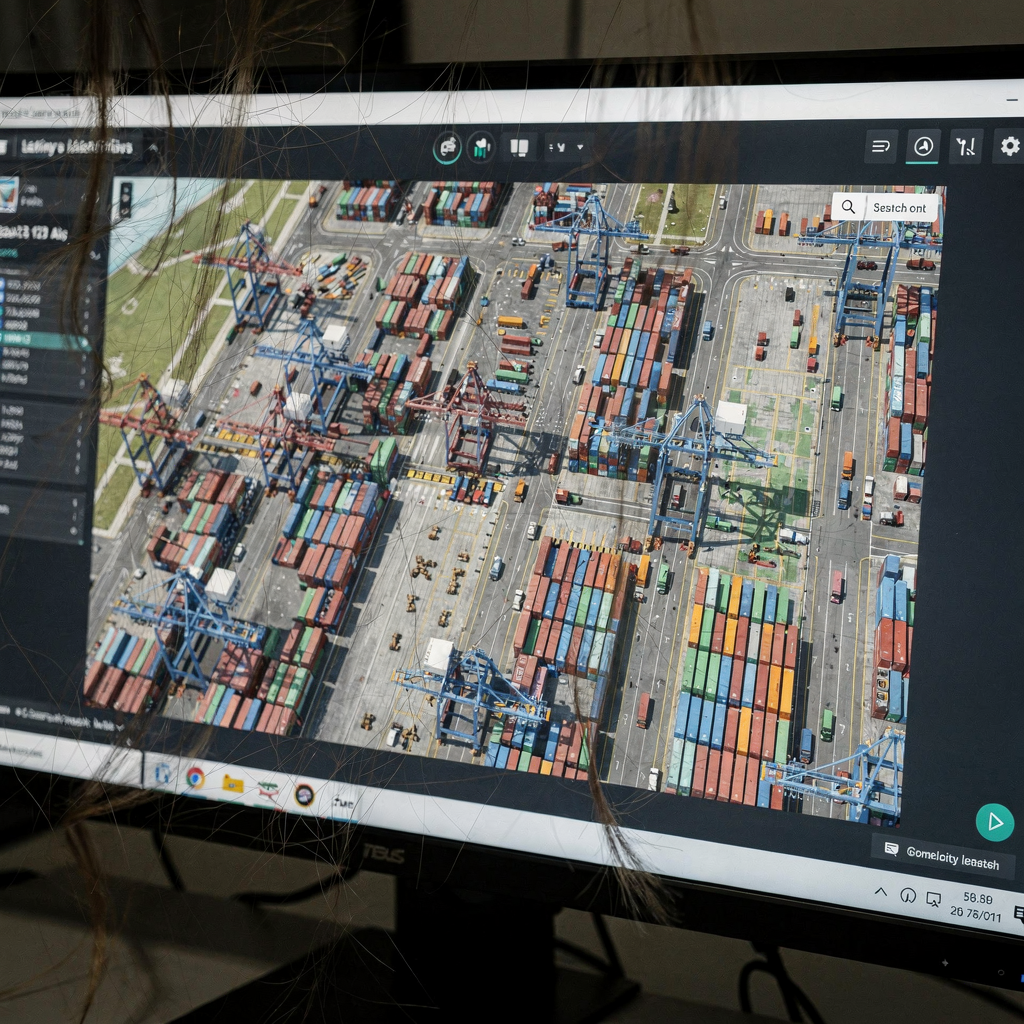
Also, keep interfaces simple for terminal operators. First, show actionable alerts. Second, provide what-if toggles for KPI weights. Third, allow planners to accept, tweak, or override AI recommendations. This level of transparency reduces resistance and supports collaborative problem solving. Finally, ensure the terminal operating system records decisions for audit and continuous improvement. In addition, integrating AI with an ERP and port community system helps align gate, quay, and hinterland moves. For more on predictive housekeeping and yard density monitoring see our guides on predictive housekeeping predictive housekeeping and real-time yard density real-time yard density monitoring. These linkages close the loop between sensing, inference, and execution.
Drowning in a full terminal with replans, exceptions and last-minute changes?
Discover what AI-driven planning can do for your terminal
analytics and machine learning to optimize port productivity and throughput
First, apply model-agnostic explanation methods such as SHAP or LIME to make black-box models readable. Then, surface local contributions so a planner sees why a predicted arrival time changed. Also, combine these tools with rule-based checks to ensure safety and operational limits. For example, SHAP values can show which factors raised predicted yard congestion. In addition, hybrid approaches that pair heuristic search and machine learning improve scheduling and resource allocation while keeping results interpretable. Use short visual summaries to support quick human decisions.
Next, forecast vessel arrivals, labour demand, and yard utilisation. These forecasts improve planning and reduce idle time for cranes and trucks. Also, predicting container flows helps reduce unnecessary moves and empty container repositioning. Studies suggest that explainable analytics can reduce decision time by up to 30% while keeping accuracy high machine learning in maritime logistics. In addition, Maersk Tankers observed up to 15% fuel savings from AI-enabled routing that included transparent recommendations Maersk Tankers case study. These gains translate into lower operating costs and reduced emissions for ports and terminals.
Also, analytics and machine learning should be evaluated against explainable KPIs. Loadmaster.ai trains RL agents in simulation to deliver multi-objective gains without copying past mistakes. In practice, this cuts rehandles and balances crane sequencing and gate throughput across shifts. Moreover, present confidence bands for every forecast and recommend contingency actions. Finally, combine forecasting with an operations dashboard that lets planners reweight objectives on the fly. This helps terminals optimize port productivity and increase throughput while retaining human oversight.
Deployment of agentic ai for automation in workflow and energy consumption
First, plan a phased deployment. Then, start with a pilot block inside a digital twin. Next, validate policies under edge cases and rare events. For deployment, keep operational guardrails and hard constraints to protect safety. Also, use audit trails to document decisions and maintain governance. Loadmaster.ai follows this pattern and deploys three RL agents—StowAI, StackAI, and JobAI—that coordinate quay, yard, and gate moves. As a result, terminals see fewer rehandles, steadier crane productivity, and balanced workloads across shifts.
In addition, agentic AI can automate crane sequencing, truck routing, and job assignment. First, it suggests sequences that reduce driving distance. Then, it adapts to breakdowns and surprises. Also, automation should never fully remove the human from the loop. Instead, embed the agents into operator workflow so humans approve high-impact moves and the AI executes routine tasks. For example, the system can automatically reserve a crane window and then notify an operator to confirm the plan. This keeps accountability clear.
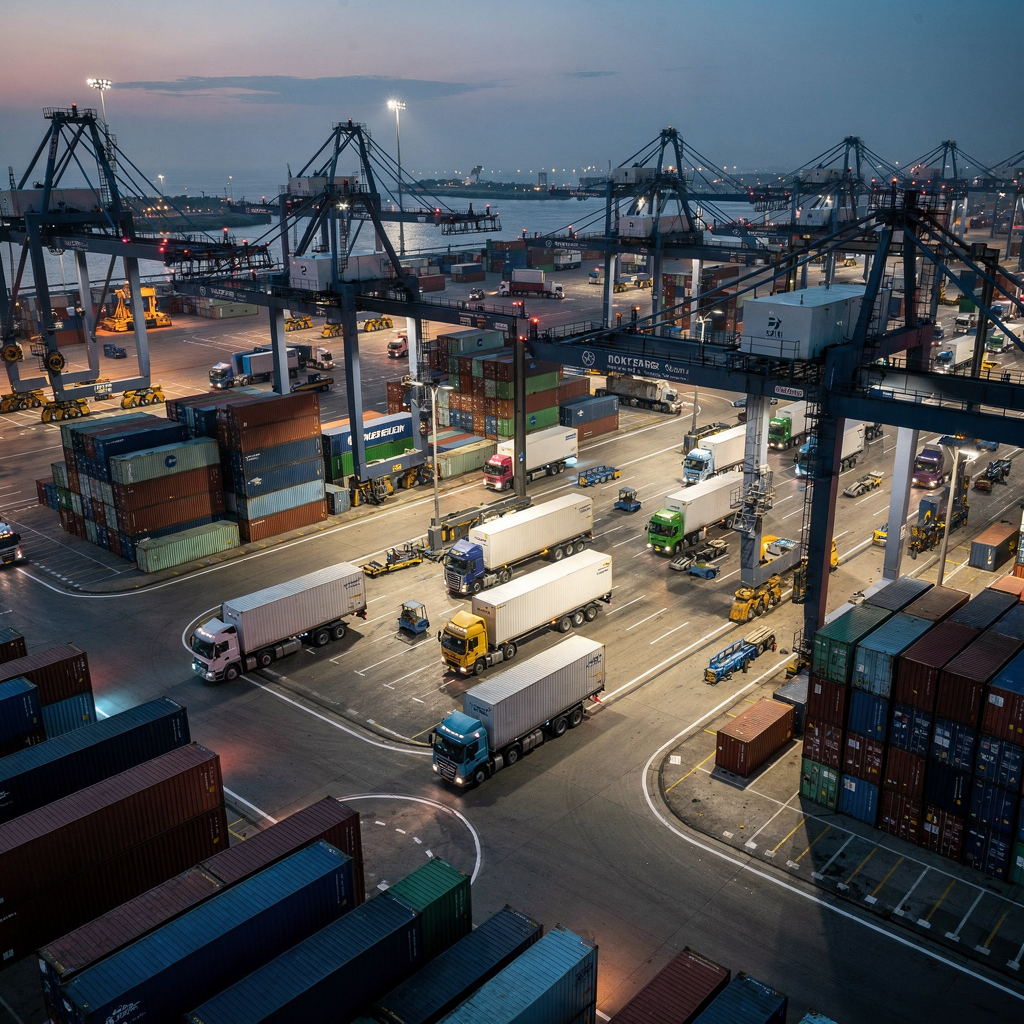
Finally, use AI to optimize energy consumption of handling equipment through adaptive control. For instance, reducing unnecessary crane idle time lowers fuel and electricity demand. Also, adaptive motor control and eco-routing for yard tractors can cut emissions and cost. For teams adopting automated terminals, the goal is stable, repeatable savings. Therefore, measure energy consumption alongside throughput. Overall, agentic AI delivers automation that augments human teams, reduces manual tasks, and improves both productivity and sustainability.
Drowning in a full terminal with replans, exceptions and last-minute changes?
Discover what AI-driven planning can do for your terminal
berth planning with ai for terminal operators in operations in container terminals
First, leverage transparent decision rules for dynamic berth planning. Then, use vessel sequencing that balances quay productivity and yard flow. Also, present confidence scores that explain why a vessel moves ahead or waits. These scores help terminal operators weigh trade-offs before they change a schedule. For example, a hybrid AI can propose a berth change that shortens vessel waiting time while limiting yard reshuffles. In this way, planners retain control over final executions.
Next, apply explainable local models for berth window recommendations. Also, pair them with optimization layers that enforce hard constraints such as stability, draft limits, and crane availability. For terminals, this reduces the need for firefighting and supports consistent performance across shifts. Additionally, Loadmaster.ai trains policies in simulation so that terminals can see the effects of a new berth plan before it goes live. As a result, terminals avoid unintended bottlenecks and protect quay productivity.
In practice, transparent berth planning improves operations in container terminals by reducing dwell times, shortening vessel turnaround, and improving communication with shipping lines. For more on coordinating quay-yard-gate actions see our piece on decentralized agents decentralized AI agents coordinating quay, yard and gate. Finally, combine berth planning with yard planning, crane sequencing and gate windows. This end-to-end view helps terminals optimize handling and throughput while keeping operators in the loop. The result is measurable improvement in port productivity and more reliable service to shipping lines and the port community.
integrate real-time port call automation and stakeholder collaboration in a smart port
First, automate port call processes with XAI-driven recommendation engines that show why suggested arrival adjustments improve the overall plan. Then, share those rationales with stakeholders such as shipping lines, port authorities, and hinterland partners. Also, interactive reports and clear exportable explanations strengthen collaboration. For instance, a transparent port call recommendation can show savings in fuel and time and the projected impact on yard congestion. This makes it easier for stakeholders to accept small schedule shifts that collectively raise port efficiency.
Next, embed collaborative interfaces into the port community system and the terminal operating system to close feedback loops. Also, provide role-based views so each stakeholder sees what matters to them. For example, a shipping line sees ETA and berth confidence while the hinterland operator sees gate windows and yard slots. In addition, hybrid AI models that mix rules, heuristic search, and learning models help keep outputs interpretable while preserving performance gains. Research points to hybrid systems as a promising path for smart continuous improvement big data-driven systems for continuous improvement.
Finally, look ahead to trends such as agentic AI and closer human–AI partnerships. Also, a careful governance plan can help terminals meet emerging regulation, including the EU AI Act. For practical examples of slotting and yard strategies see our article on dynamic slotting dynamic slotting in container port yards. In sum, transparent automation and stakeholder collaboration turn data into coordinated action, improve port efficiency, and strengthen trust across the port community. For terminals seeking to transform, a measured integration path that tests policies in a digital twin and then moves to live operations yields steady, defendable gains.
FAQ
What is Explainable AI in the context of ports?
Explainable AI provides clear reasons for recommendations, rather than offering opaque scores. It helps terminal operators and planners validate suggestions before they act.
How do digital twins help terminal planning?
Digital twins simulate container yard flows and crane operations so teams can test policies safely. They allow agents to learn without risking live operations, which improves decision quality.
Can AI improve berth planning and vessel sequencing?
Yes. AI can suggest dynamic berth plans that reduce dwell and balance yard utilisation. Transparent confidence scores let planners accept or reject those suggestions.
What is agentic AI and how is it used in ports?
Agentic AI refers to autonomous agents that make and execute decisions across quay, yard, and gate. They coordinate tasks while keeping humans in control through clear interfaces.
How does AI reduce energy consumption at terminals?
AI optimizes crane and truck routing, reduces idle time, and adapts equipment control to demand. These measures cut fuel and electricity use and lower emissions.
Do terminals need historical data to benefit from AI?
No. Reinforcement learning in a digital twin can generate useful policies without relying on historical data. This makes solutions cold-start ready for many terminals.
How are stakeholders involved in AI-driven port calls?
Stakeholders receive transparent recommendations and interactive reports that explain impacts on schedule, cost, and yard flow. This shared visibility improves collaboration and acceptance.
What safeguards protect operations during AI deployment?
Safeguards include hard constraints, human approval gates, audit trails, and sandbox testing in a digital twin. These elements maintain safety and regulatory compliance.
How does Explainable AI affect planner workflows?
It reduces firefighting by giving planners clear, actionable recommendations and confidence scores. It also documents why a plan changed, which preserves tribal knowledge.
Where can I read more about integrating AI with terminal systems?
See our resources on integrating TOS with AI layers and real-time yard monitoring for practical guides. These pages show implementation patterns and lessons from production terminals.
our products
 stowAI
 stackAI
 jobAI
jobAI
Innovates vessel planning. Faster rotation time of ships, increased flexibility towards shipping lines and customers.
Build the stack in the most efficient way. Increase moves per hour by reducing shifters and increase crane efficiency.
Get the most out of your equipment. Increase moves per hour by minimising waste and delays.
stowAI
Innovates vessel planning. Faster rotation time of ships, increased flexibility towards shipping lines and customers.
stackAI
Build the stack in the most efficient way. Increase moves per hour by reducing shifters and increase crane efficiency.
jobAI
Get the most out of your equipment. Increase moves per hour by minimising waste and delays.