
container yard challenges and the role of dynamic slotting
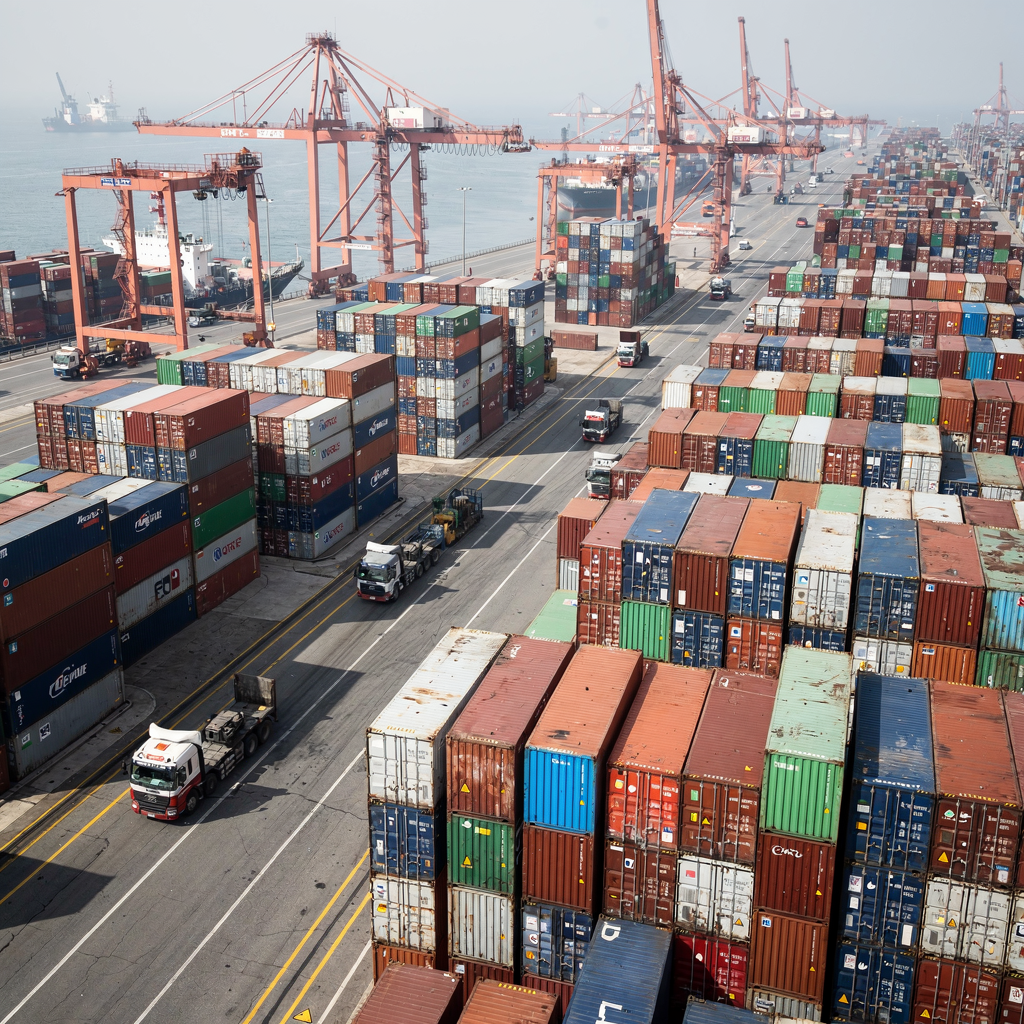
Container yards face constant pressure from fluctuating container flows. Also, ports see sudden surges from ships, road delays, and rail bottlenecks. Additionally, limited storage space and unpredictable delays create a complex puzzle for planners. For example, customs holds and late truck arrivals force quick changes to the DAY plan. First, planners must avoid congestion near the quay. Second, they must protect access lanes and gate throughput. Third, they must manage stacking height and distribution. Therefore, a proactive yard strategy matters. Next, dynamic slotting assigns storage slots in near real time. Also, this adapts to inbound and outbound flows. In contrast, static slotting locks containers into fixed positions. Thus, static systems often cause extra relocations and longer handling times.
Dynamic slotting uses operational data, container category details, and forecasts to place boxes where they belong. Additionally, terminals can reduce unnecessary container moves. For instance, terminals that use dynamic strategies can reduce handling moves by about 15–25% according to industry analysis. Also, yards maintain better access for cranes and trucks. Meanwhile, yard managers can create temporary buffers for delayed import container pickups without blocking throughput. Furthermore, dynamic slotting supports multi-objective goals like reducing driving distance while protecting crane productivity. Finally, it helps avoid the common problem for outbound containers when many export units cluster in a single block. In addition, dynamic slotting helps terminals respond to uncertainty in container flows while keeping operations predictable and auditable.
Yard operations require integration across stakeholders. Also, shipping lines, customs, and trucking firms must share timely data. Next, the terminal operation needs supporting tech to make fast decisions. For example, RFID reads, gate timestamps, and TOS updates feed the decision engine. Consequently, terminals that prepare data pipelines unlock the most value. Also, modern yard management tools can integrate with AI agents for tactical decisions. For a deeper technical view on optimizing yard workflows, readers can explore our guide on terminal operation yard optimization software solutions. Finally, dynamic slotting turns reactive firefighting into an anticipatory process that reduces congestion and shortens turnaround times.
stack optimisation in port yards
Stack optimisation begins with clear stacking principles. First, terminals respect height limits. Second, they control weight distribution and stability. Third, they prioritize accessibility for high-move containers. Also, stacking rules influence the number of containers per block. Additionally, stacking affects RTG and straddle workload. For example, a good stacking plan reduces unnecessary container relocation. Next, dynamic stacking can decrease moves. Studies report a 15–25% drop in container handling when dynamic policies are in place according to FreightAmigo. Also, terminals see more balanced yard crane deployment and fewer idle gaps.
Principles matter. Also, implement simple accessibility tiers so that fast-moving groups stay near lanes. Next, label containers by category and planned departure window. Also, use container weight data to avoid unsafe stacks. In addition, mix import container and export containers by access needs. Meanwhile, yard blocks should host similar container groups to reduce reshuffles. Also, a data-driven dynamic stacking strategy helps decide which containers go where. For example, advanced yard management and RFID feed the stack AI. Furthermore, Automated Guided Vehicles and AGVs can execute complex placement plans with precision. Also, terminals with AGVs and modern yard cranes gain repeatable performance gains.
Technology enablers include RFID tracking, Automated Guided Vehicles, and yard management systems. Also, these systems feed real-time visibility to decision engines. Next, the use of a digital twin or density monitoring helps predict congestion. For more on monitoring tools, see our piece on real-time container terminal yard density monitoring. Additionally, combining sensors, TOS data, and reinforcement learning yields robust stacking choices that protect quay throughput. Also, these integrations let planners run what-if scenarios fast. Finally, stack optimisation reduces rehandles, and it raises throughput without costly expansion.
Drowning in a full terminal with replans, exceptions and last-minute changes?
Discover what AI-driven planning can do for your terminal
allocation strategies: static vs dynamic
Static allocation uses pre-assigned slots. Also, it relies on fixed rules and historical patterns. For decades, terminals used this method because it was simple to explain. However, static allocation struggles when container arrival patterns change. Also, static rules cause clustering of export containers in container blocks. Therefore, planners must perform many reshuffles during peaks. Next, static allocation cannot fully adapt to surprises. As a result, terminals sometimes see increased driving distance and uneven equipment workload.
Dynamic allocation assigns slots based on current conditions. Also, it factors in container characteristics and planned moves. Next, it adapts continuously as new data arrives. Moreover, dynamic allocation helps reduce container relocation. For instance, yards that adopt dynamic allocation can improve space utilization by up to 20–30% according to industry analysis. Also, high-frequency ports showed terminal efficiency improvements of 10–15% when dynamic slotting used real-time vessel data as reported in performance studies.
Implementation needs smart decision systems. Also, terminals must solve the assignment problem for outbound containers to minimize reshuffles and delays. Next, planners should combine forecasts with real-time reads. Also, in automated contexts, an allocation method for automated container execution must respect equipment constraints and safety rules. Furthermore, a data-driven dynamic stacking strategy can create resilient plans without rote historical copying. Also, modern approaches include reinforcement learning agents that simulate millions of scenarios. For more on AI agents coordinating quay, yard, and gate, see our work on decentralized AI agents coordinating quay, yard, and gate operations. Finally, dynamic allocation helps terminals accommodate the dynamic nature of container flows and maintain service quality.
container stacking techniques and technology integration
Common stacking methods include bay-by-bay, row-by-row, and hybrid approaches. Also, bay-by-bay groups containers by vessel bay for quick quay access. Next, row-by-row focuses on lane accessibility. Additionally, hybrid approaches mix both to balance quay and gate needs. For example, stacking for import containers using bay-by-bay can speed retrieval at discharge. Also, hybrid setups protect both stash space and truck access. Furthermore, planners label container positions by predicted departure time and by container group to reduce needless moves.
Integration with customs clearance and buffer management reduces dwell uncertainty. Also, yard security systems like CCTV and fencing protect stored units while enabling operational visibility. For instance, temporary space managed dynamically acts as a buffer against customs delays according to FreightAmigo. Next, stacking policies must tie into the terminal operation and TOS. Also, linking customer information at automated container checkpoints improves plan reliability. Additionally, yard template planning under uncertain arrivals supports flexible allocation in noisy conditions.
Advanced algorithms plan stacking sequences. Also, they consider container weight, container arrival patterns, and planned departures. Next, automated container terminal projects use model-based and learning-based modules to propose a dynamic stacking strategy for export and import. Furthermore, stacking policies in an automated environment enforce safety and accessibility constraints while optimizing KPI trade-offs. Also, Loadmaster.ai builds RL agents that run closed-loop simulations to identify stacking choices tha
Innovates vessel planning. Faster rotation time of ships, increased flexibility towards shipping lines and customers. Build the stack in the most efficient way. Increase moves per hour by reducing shifters and increase crane efficiency. Get the most out of your equipment. Increase moves per hour by minimising waste and delays. Innovates vessel planning. Faster rotation time of ships, increased flexibility towards shipping lines and customers. Build the stack in the most efficient way. Increase moves per hour by reducing shifters and increase crane efficiency. Get the most out of your equipment. Increase moves per hour by minimising waste and delays.
our products
 stowAI
 stackAI
 jobAI
jobAI
stowAI
stackAI
jobAI