
ai in container terminals: ai integration and application of ai in container to boost operational efficiency
AI integration in container terminals describes how artificial intelligence layers over existing systems to assign work, predict demand, and reduce friction. Compared with manual scheduling, AI reacts faster to change. Humans create schedules in spreadsheets and follow fixed rules. AI ingests historical and real-time data, scores options, and recommends actions in seconds. As a result, terminal operators see measurable gains. For example, AI-driven task allocation can reduce handling time by roughly 15–25% (PDF) AI-Enhanced Smart Maritime Logistics. Also, genetic approaches have shown clear improvements: “optimization models based on genetic algorithms dynamically allocate crane tasks, improving container handling efficiency by up to 20%” The Intelligent Leap in Port Crane Control.
First, AI replaces repetitive checks with probabilistic choices. Second, AI automates low-value routing and lets humans focus on exceptions. Third, AI collects signals from sensors and systems. This process shifts resource allocation to a dynamic state. It helps ports operate with fewer idle machines and clearer work ownership. For terminals using modern software, the transition to AI can be staged so crews adapt gradually. In practice, a terminal operating system must expose APIs and queueing data so AI can plan and re-plan. To get started, teams can pilot AI modules on a single quay or yard block. Then, they expand scope once the models prove accuracy in live conditions.
Additionally, effective rollout requires stakeholder alignment. Terminal operators, port authorities, and planners must agree KPIs. Also, integration of AI should prioritize safety and traceability. Finally, the clear benefits of using AI include lower turnaround, smoother container flows, and measurable operational efficiency improvements. These gains make the case for scaling AI across the wider port estate.
real-time port operation: how ai technologies in port operations optimize container terminal operations
Real-time feeds power AI decisions in fast-moving port environments. Sensors, cameras, and the terminal operating system stream status to algorithms that propose task assignments. Real-time data arrives from RTGs, STS cranes, trucks, and gates. Then, ML and optimization combine to produce schedules that adapt each minute. In fact, ports report throughput increases of 10–18% after deploying coordinated models that sync equipment pools Whitepaper Machine Learning in Maritime Logistics. Moreover, “the combination of deep learning and optimization techniques enables AI systems to adapt to dynamic port environments, learning from historical data and real-time inputs to optimize task allocation continuously” Enhancing supply chain management with deep learning.

First, data flows must be reliable. Therefore, terminals install IoT nodes on cranes and vehicles and link gate scanners to the terminal operating system. Then, streamed telemetry and timestamps feed ML models that predict task durations and machine availability. This capability shortens idle time and avoids conflicts between equipment pools. As an example, see research on real-time conflict resolution that explains how contention between cranes and trucks can be resolved with AI-based scheduling real-time conflict resolution between equipment pools.
Next, AI runs at multiple cadences. Fast loops handle immediate crane assignments. Slower loops plan the next few hours of moves and yard stacking. This tiered approach helps terminals predict container movements and sequence work. Also, AI reduces human workload by automating repeated choices. Operators receive clear instructions and exception alerts. Consequently, the operator trusts the system and accepts higher levels of automation over time. Real-time port operation with AI therefore raises throughput, trims delays, and improves predictability for carriers and container cargo owners.
Drowning in a full terminal with replans, exceptions and last-minute changes?
Discover what AI-driven planning can do for your terminal
automation and smart port: upgrading terminal operating system and container terminal operating systems for operations with ai
Automation is the backbone of any smart port transformation. A smart port blends software, robotics, and networked devices so that systems coordinate without constant manual intervention. For this to work, the terminal operating system must support APIs, real-time telemetry, and direct control of equipment. Upgrading to container terminal operating systems that natively expose this data makes integrations smoother. For further guidance on basics, read container-terminal-automation fundamentals container terminal automation fundamentals.
First, define automation protocols that the terminal can follow. Then, map how AGVs, STS cranes, yard cranes, and automated gates accept commands. Also, design a fallback policy so humans can override decisions quickly. This approach keeps operations resilient. Furthermore, the integration of AI needs a clear data schema. Historical and real-time data must flow into models for scheduling, yard density forecasting, and vehicle routing. For a deeper dive into advanced yard forecasts, see advanced yard density forecasting models for terminal operations advanced yard density forecasting.
Next, container terminal operating systems must model container stacking and container retrieval rules. Good systems track container dwell time, yard blocks, and service windows. They then pass task lists to AGVs and cranes. Also, automation helps standardize container loading and unloading sequences so that equipment moves are predictable. In turn, AI can optimize loading patterns to reduce rehandles and improve quayside productivity. Finally, terminals using a hybrid approach keep humans in the loop while AI handles repetitive choreography. This staged path eases the transition to AI and ensures safe, continuous operations.
ai-driven predictive maintenance in container terminals: predictive maintenance in container terminals and benefits of ai
AI-driven predictive maintenance uses sensor trends and operational logs to foresee equipment faults. Terminals equip cranes, AGVs, and gate readers with vibration, temperature, and power sensors. Then, AI models analyze patterns and predict failures before they happen. As a result, terminals can schedule repairs at low-impact times. For example, predictive systems reduce downtime by up to 20% when implemented across STS cranes and yard equipment predictive maintenance for STS cranes. Also, these systems cut maintenance costs by reducing emergency repairs and parts rush orders.
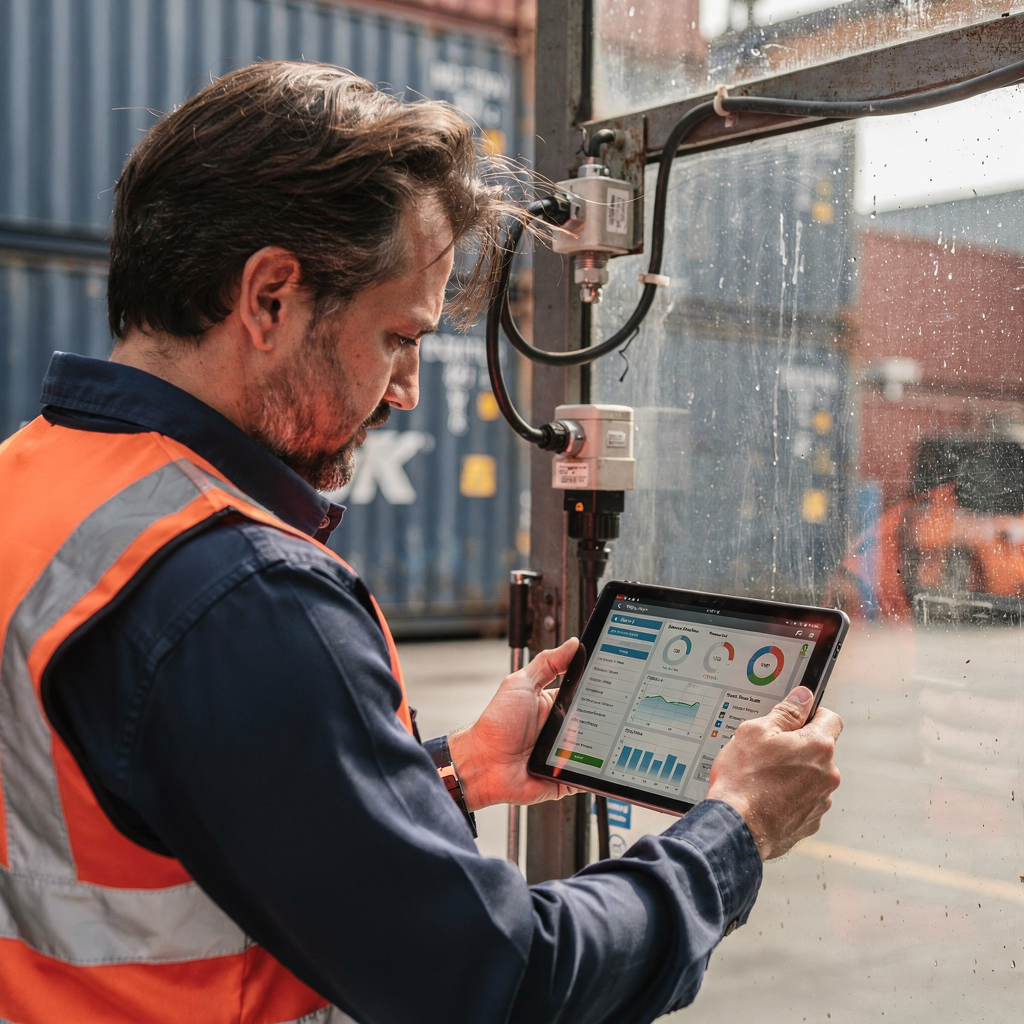
First, build a data pipeline that collects telemetry and links it to maintenance logs and work orders. Next, label historical failures so models learn failure precursors. Then, deploy ML classifiers that output remaining useful life estimates. Once live, maintenance crews receive prioritized work lists and spare parts forecasts. This workflow turns reactive fixes into scheduled maintenance windows. Also, it supports inventory optimization for spare parts and improves the reliability of cranes during peak vessel turns.
Moreover, predictive maintenance helps improve safety and lowers long-term capital expense. Operators see fewer unplanned outages and more predictable service capacity. Consequently, throughput improves and penalties for vessel delays fall. In practice, ai-driven predictive maintenance pairs statistical models and rule-based alerts so teams adopt new routines quickly. This blend delivers fast wins and builds confidence in AI as a tool for long-term reliability.
Drowning in a full terminal with replans, exceptions and last-minute changes?
Discover what AI-driven planning can do for your terminal
implementing ai: build ai solutions and the role of ctos for container in ports and terminal
Implementing AI in a terminal begins with clear objectives. First, list the use cases, such as task allocation, predictive maintenance, and gate automation. Then, establish data pipelines that gather telemetry, logs, and business events. Teams ingest historical and real-time data into training systems. After that, data scientists craft ai models and test them in simulation. To see practical scheduling guidance, consult AI modules for automated container port planning AI modules for automated container port planning.
Next, optimization engines use heuristics, mixed-integer solvers, or genetic approaches for allocation and crane split decisions. Also, reinforcement learning can learn policies for dynamic sequencing. During development, the role of ctos for container is strategic. CTOs for container must align technology choices with KPIs. They set project scope, choose platforms, and ensure governance. Moreover, they coordinate IT, OT, and vendors. They also define how AI outputs reach the operator through dashboards or automation APIs.
This reduces email triage and speeds decision hand-offs. Also, change management is crucial. Train operators with scenario playbooks and start with shadow mode before full automation. Finally, build observability and metrics, so teams measure AI reduces errors and improves KPIs. That way, ai implementation stays transparent and tied to business value.
future of ai: envision enterprise solutions and top 10 container terminal trends for maritime logistics
Future of AI in terminals will blend edge AI and cloud planning. Edge AI runs near equipment to make split-second choices. Cloud systems handle longer horizon planning and model retraining. Meanwhile, reinforcement learning, digital twins, and advanced perception will expand what AI can do. For forward-looking readers, envision enterprise solutions that link vessel schedules, hinterland flows, and on-dock operations to optimize the whole chain. This integration will help ports to operate more predictably and support global trade demands.
Next, forecast trends that will shape terminals. Here are the top 10 container terminal trends driven by AI and automation that planners should watch:
1) Reinforcement learning applied to crane scheduling. 2) Edge AI for low-latency control. 3) Predictive maintenance standardization across fleets. 4) Digital twins for yard density planning. 5) Automated yard cranes guided by vision systems. 6) Smarter gate automation with document verification. 7) Integrated decision support across terminals and inland networks. 8) Sustainability targets tied to equipment scheduling. 9) Deeper integration with carriers to predict container volumes.
Also, advanced AI will let ports predict container dwell time and adjust stacking rules to reduce rehandles. Furthermore, terminals will use ai tools to automate communications and provide actionable insights to stakeholders. In short, AI enables smarter resource allocation and cleaner decision trails. Finally, ports will be able to scale solutions across terminals and connect wider supply chain partners. As AI continues to evolve, these technologies will become standard in port management and help ports continue to evolve toward more resilient and sustainable operations.
FAQ
What is the role of AI in container terminals?
AI analyzes data from equipment, gates, and yard systems to assign tasks, forecast demand, and prevent failures. It automates repetitive decisions so human staff focus on exceptions and planning.
How does real-time data improve port performance?
Real-time data provides current equipment status and queue lengths. Models use that data to reschedule moves and avoid conflicts, which raises throughput and reduces delays.
Can existing terminal operating system software support AI?
Yes, but integration depends on APIs and data quality. Container terminal operating systems that expose telemetry and event streams make AI integration much easier.
What are typical gains from AI in port operations?
Terminals report 15–25% reductions in handling time and 10–18% throughput improvements after AI deployment. These figures come from multiple studies and field pilots (PDF) AI-Enhanced Smart Maritime Logistics and Shipzero whitepaper.
How does AI-driven predictive maintenance work?
AI models learn from sensor signals and failure history to predict remaining useful life. Then, teams schedule repairs during low-impact windows to reduce downtime and cost.
What is a smart port and how does automation help?
A smart port layers automation, sensors, and software to coordinate equipment and people. Automation enforces routines and reduces manual handoffs, which improves consistency and speed.
How do CTOs for container support AI adoption?
CTOs set strategy, select platforms, and ensure data governance. They also align AI pilots with KPIs and coordinate cross-functional teams through rollout.
What is the role of edge AI in terminals?
Edge AI processes data near equipment to make low-latency decisions, for example for crane motion or AGV routing. It reduces reliance on central servers for split-second control.
How should terminals start with AI?
Begin with a focused pilot, such as crane assignment or predictive maintenance. Then, validate benefits, train operators, and scale after confident results.
Where can I read more about AI decision support and automation in ports?
Explore detailed guides on planning, conflict resolution, and predictive maintenance at the LoadMaster library, including pages on automated container port planning AI planning, real-time conflict resolution conflict resolution, and predictive maintenance for STS cranes predictive maintenance.
our products
 stowAI
 stackAI
 jobAI
jobAI
Innovates vessel planning. Faster rotation time of ships, increased flexibility towards shipping lines and customers.
Build the stack in the most efficient way. Increase moves per hour by reducing shifters and increase crane efficiency.
Get the most out of your equipment. Increase moves per hour by minimising waste and delays.
stowAI
Innovates vessel planning. Faster rotation time of ships, increased flexibility towards shipping lines and customers.
stackAI
Build the stack in the most efficient way. Increase moves per hour by reducing shifters and increase crane efficiency.
jobAI
Get the most out of your equipment. Increase moves per hour by minimising waste and delays.