
port: Current Challenges and Infrastructure Constraints
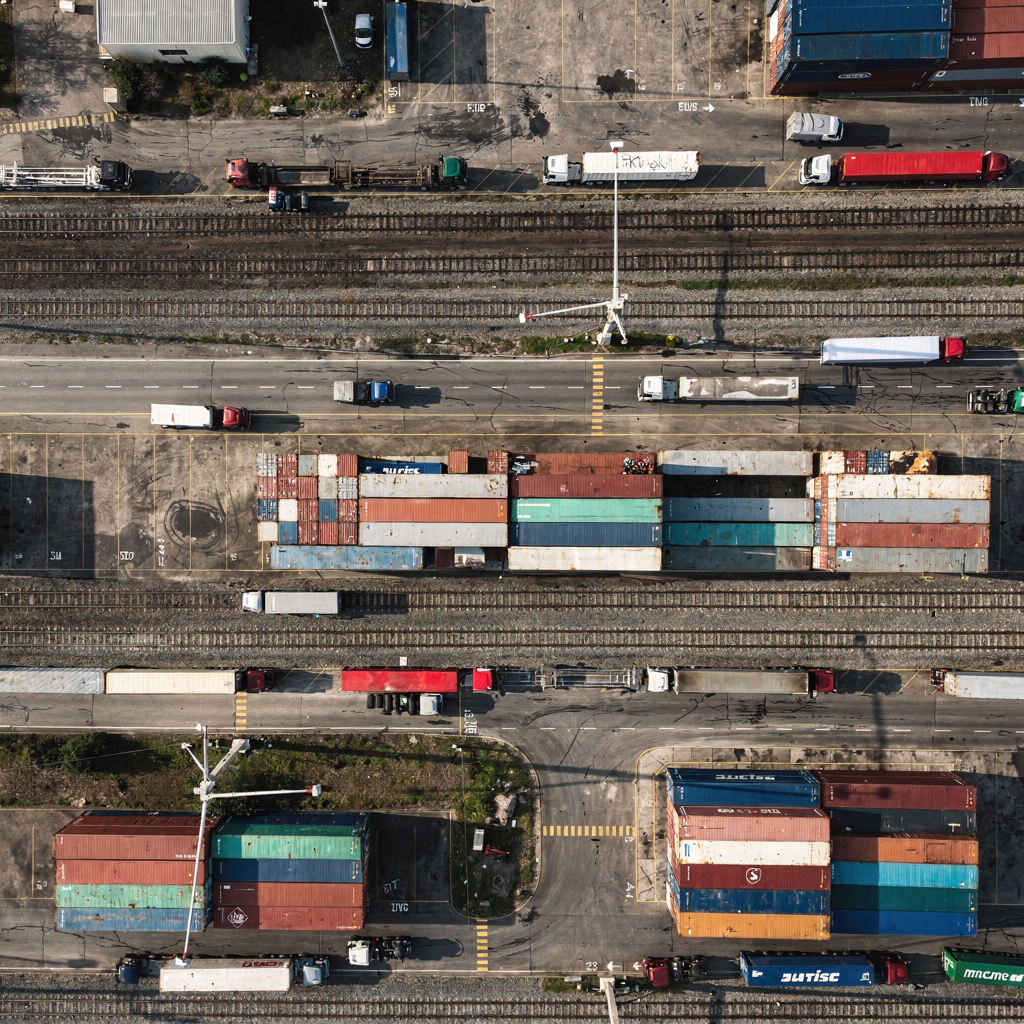
Ports face a squeeze. Land sits fixed and trade keeps growing. Many port operators see yard limits and fixed quay length that restrict output. For inland terminals and coastal hubs, limited yard space and fixed quay length reduce the ability to scale rapidly. As a result, truck queues form and equipment waits idle. Gate queues, equipment idle time and yard congestion act as primary bottlenecks. These issues slow container moves and add cost per lift. A recent study highlights that “terminal productivity can be significantly enhanced by minimizing idle times and improving the synchronization of container handling equipment” and explains how high-frequency services strain resources Performance analysis for a maritime port with high-frequency services. The same study shows that small delays compound across shifts, and so operators must act fast.
Global trade grows, yet many ports keep static footprints. Consequently, demand peaks exceed available slots. The mismatch creates sustained pressure on yard planners, crane operators and truckers. For inland operations, the constraints look similar. An inland terminal often shares space with rail and road links, and so yard allocation becomes critical. Truck turnaround time drives daily capacity. Evidence indicates that reduced truck turnaround can lift performance by a measurable margin Exploring the Delays at Empty Container Off-Dock Depots. When trucks wait, cranes idle and stacks grow taller. Meanwhile, container handling costs climb and service reliability drops. Port authorities must manage stakeholder expectations and balance short-term throughput against long-term investment.
Practical steps start with process mapping and real-time visibility. For example, terminals that adopt digital scheduling can see faster gate processing and fewer idles. In practice, port staff get clearer arrival windows and haulage firms adapt routes. Also, shared operational dashboards help reduce handoffs. The next chapters show how to unlock capacity without land or quay expansion. For operators seeking deeper technical solutions, see AI decision support for inland container terminal operations to explore models and tools that help optimize moves AI decision support for inland container terminal operations.
potential of inland: Unlocking Capacity within Existing Assets
Inland options can free constrained coastal ports and improve flows. First, peak and off-peak scheduling spreads demand. Operators can incentivize off-peak arrivals and thus smooth daily peaks. Second, dynamic labour deployment lets terminals absorb traffic surges. Studies show a flexible model can improve performance by about 10–15% The impact of dynamic capabilities on shipping port performance. In practice, supervisors rotate crews, bring in temporary teams and shift tasks by shift. This approach keeps cranes working and reduces idle time.
Third, flexible use of empty container yards can free working blocks. Many sites store empties near operational stacks. Yet, with better planning this stock can move to secondary storage zones. That shift creates working room for laden containers. Also, pre-scheduled repositioning reduces last-minute moves. Research indicates that collaborative stakeholder management cuts empty repositioning delays by up to 25% CMC Container Study – Chamber of Marine Commerce. So, planners should treat empty yards as active capacity, and not as passive stockpiles.
Operational pilots can show gains quickly. For instance, a trial that shifted 15% of truck slots to off-peak hours can flatten peak loads. Then, cranes and reach stackers operate more steadily. Meanwhile, terminals that use real-time yard models reduce unnecessary moves. If you want to explore yard optimization tools, check container terminal yard optimization software solutions for algorithmic methods to place boxes and save moves container terminal yard optimization software solutions.
Finally, digital tools help coordinate across the supply chain. By automating routine messages, teams spend less time on triage and more time on execution. That frees managers to focus on schedule changes and yard moves. Overall, the potential of inland solutions is real, and the gains often come faster than new land purchases.
Drowning in a full terminal with replans, exceptions and last-minute changes?
Discover what AI-driven planning can do for your terminal
inland port: Best Practices for Operational Efficiency
Operational efficiency starts with gate operations. Optimising gate flows reduces truck turn times and boosts daily moves. Targets matter. Firms often aim for a 15–20% reduction in turnaround time, which directly raises capacity. Gate automation, pre-booked windows and quick verification processes help. Also, staggered appointment systems keep lanes free and reduce queues. When gates run on clear rules, truckers spend less time waiting and more time hauling.
Yard management techniques make a difference as well. Slot management assigns boxes to locations based on destination and dwell time. Hence, terminals reduce extra handling and moves. For refrigerated boxes, proactive REEFER monitoring keeps setpoints correct and prevents delays. Terminals that combine slotting with condition monitoring cut rehandles. Synchronising cranes and reach stackers also helps. Careful crane split decisions keep quay cranes busy and yard movers in sync. If you want to dive into sequencing and crane split logic, see dynamic crane split adjustment during inland container terminal operations for models used during busy windows dynamic crane split adjustment during inland container terminal operations.
Standard work and visual controls reduce errors. When teams follow agreed steps, handovers get faster. Port staff should use clear checklists for gate, yard and pre-launch tasks. Besides, real-time dashboards show queue length and idle equipment. Managers then reassign crews and machines to short queues. This approach lowers the chance of large stack backups. Also, automated planning tools can simulate yard layouts before changeovers. These tools reduce uncertainty and save moves.
Staff training supports all of this. Cross-training operators allows flexible deployment during peaks. In addition, collaborative forums help stakeholders align incentives. Port authorities can set shared KPIs and reward reduced empty moves. For those looking to improve planning algorithms, the article on smart algorithms for container location assignment in container terminals explains optimization routines that reduce handling and improve throughput smart algorithms for container location assignment in container terminals.
container: Reducing Dwell Times and Streamlining Flows
Reducing dwell time yields immediate payoff. First, just-in-time arrivals cut container dwell by up to 20% when carriers, hauliers and terminals coordinate. Scheduling windows and ETA sharing make that possible. For example, terminals that adopt time-slot booking see fewer idle cranes and faster gate clearance. Use of digital arrival notices helps. Real-time updates align truckers and yard crews, and so handovers speed up.
Second, tracking technologies provide instant visibility. RFID and GPS tags let planners prioritise boxes and reduce search time. With visibility, terminals pre-stage high-turnover freight near exit points. Pre-staging gets high-turnover containers ready for rapid pickup. That method lowers internal truck moves and reduces equipment churn. A combination of pre-staging and priority lanes keeps stacks shallow and turnover high.
Third, data-driven prioritisation improves decisions. Terminals that use predictive analytics forecast dwell and recommend slot moves ahead of time. Automation in planning reduces unnecessary rehandling. Studies have shown that automation and digital tools can raise performance by 10–30% depending on integration level Evaluating the Benefits of Floating Container Terminals in Maritime Transport. Use cases include predictive staging and dynamic slot reassignment.
One key metric to watch is container throughput. Clear measurement helps teams focus on the right yields. At the same time, control of empty container inventories reduces wasted moves. When operators share empty status with shipping lines and depots, repositioning becomes efficient. For a practical guide on scheduling vessel and truck intervals, see just-in-time vessel arrival strategies in container terminals to coordinate port calls with yard capacity just-in-time vessel arrival strategies in container terminals. That saves minutes per message and hours per shift.
Drowning in a full terminal with replans, exceptions and last-minute changes?
Discover what AI-driven planning can do for your terminal
port authorities: Collaborative Strategies and Governance Models
Port authorities shape performance through rules and incentives. Shared data platforms allow shipping lines, hauliers and depots to work from the same facts. A port community system reduces miscommunication and so lowers gate delays. Transparent dashboards let stakeholders see dwell, queue length and equipment status in real time. That shared view reduces finger-pointing and speeds decisions.
Joint performance metrics align incentives across the ecosystem. For instance, when a port authority rewards reduced empty moves, stakeholders shift behaviours. Research shows collaborative stakeholder management can cut empty repositioning times by up to 25% CMC Container Study – Chamber of Marine Commerce. Port-led working groups track metrics and enforce SLAs. Also, regular forums help resolve local issues at off-dock facilities and depots. These meetings produce simple operational fixes that reduce blockage.
Governance models also define data ownership and privacy. Port authorities set access rules and data exchange standards. That creates trust and helps partners share ETAs and inventory status. As a result, planning improves and empty moves drop. In many regions, authorities combine regulatory oversight with hands-on operational support. They fund pilots for new systems, and then scale successes across the port network.
Finally, cooperation ties to strategic investment. Where ports coordinate with rail and road carriers, they enable inland hubs to relieve coastal congestion. In practice, port authorities serve as convenors and then measure progress. For readers who want to see AI applied to complex operations, explore ai-decision-support-for-port-operations-operating-systems to learn how analytics give planners better options AI decision support for port operations operating systems.
inland port development: Digitalisation and Automation for Growth
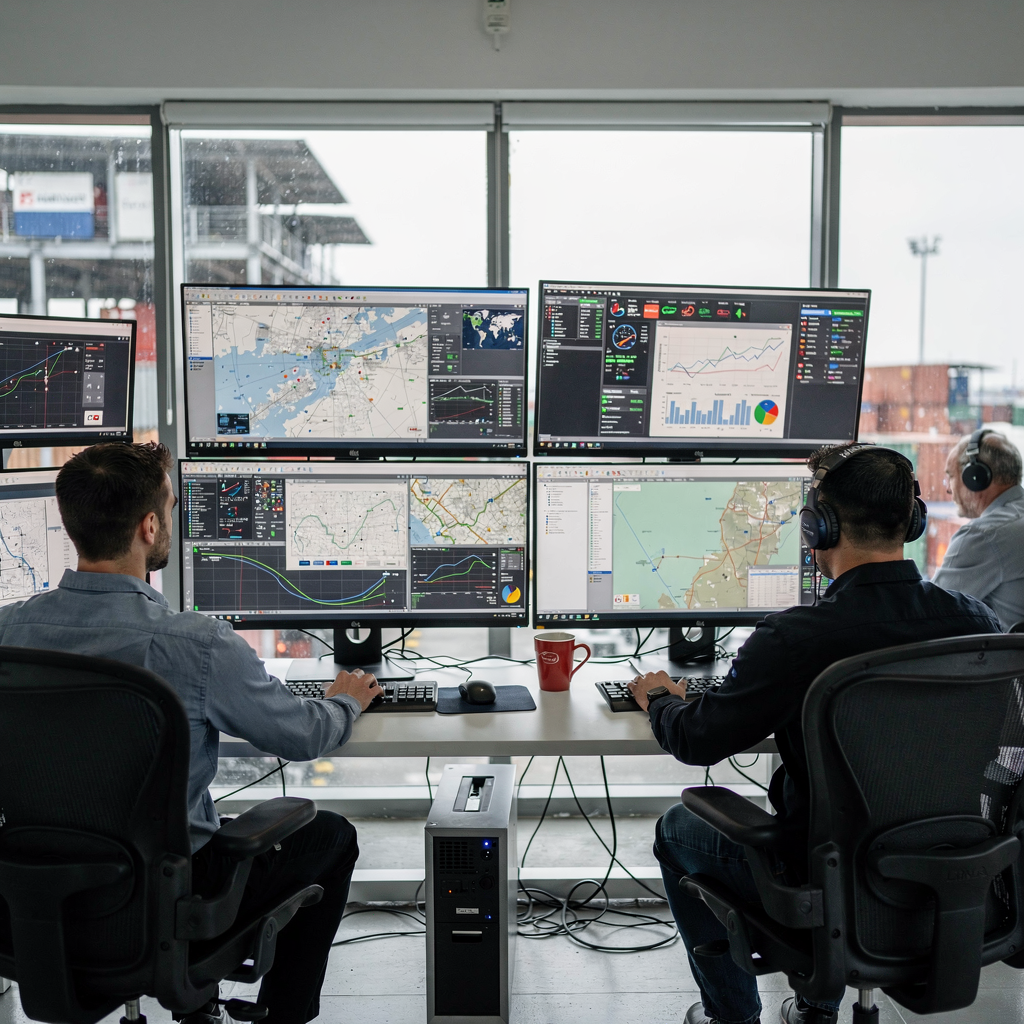
Digitalisation and automation unlock capacity without extra land. Terminal Operating Systems, or TOS, schedule moves and allocate slots. They also support predictive maintenance and resource planning. The European Commission notes that digital tools enable better resource allocation and predictive maintenance, which reduce bottlenecks and increase capacity Optimal Design of Inland Waterway System to Enhance Intermodal Transport. TOS platforms integrate with carrier systems and yard sensors so that planners act on live data.
Automation also raises throughput. Automated stacking cranes and driverless straddle carriers work continuously and reduce human error. Terminals that blend automation with smart scheduling report gains from 10% to 30% depending on integration level Evaluating the Benefits of Floating Container Terminals in Maritime Transport. Condition-based maintenance keeps machines available. By monitoring vibrations and wear, managers prevent unplanned downtime and avoid long outages.
Robotic equipment needs human governance. Staff must define rules, monitor exceptions and handle complex moves. So, automation complements skilled workers and frees them for oversight. For planning models that reduce rehandles, see minimizing container rehandles in deepsea container port stacks for algorithmic approaches to order and placement minimizing container rehandles in deepsea container port stacks.
Finally, digitalisation reduces administrative friction. Automating these flows reduces human delay and speeds responses. Digital tools and automation together form a durable pathway to improved port performance and better service for shippers, carriers and hauliers. As ports adopt these technologies, they reach capacity goals without costly land buys or long construction schedules.
FAQ
What are the main constraints that limit port throughput?
The main constraints include limited yard space, fixed quay length, and equipment shortages. Gate queues, equipment idle time and yard congestion also reduce daily moves.
How can inland facilities help relieve coastal port congestion?
Inland facilities act as secondary storage and processing points for containers. They move empty units and some laden boxes inland, which reduces dwell at coastal terminals and eases port congestion.
What operational changes can increase capacity without expansion?
Operators can use peak/off-peak scheduling, dynamic labour deployment and flexible empty yard use to free working blocks. They can also optimise gate procedures and slot management to speed flows.
How much can automation improve terminal performance?
Automation and digitalisation can increase performance by an estimated 10–30% depending on technology level and integration. Studies report measurable uplifts when TOS and automated cranes work together source.
What role do port authorities play in improving operations?
Port authorities set governance, coordinate shared data platforms and convene stakeholders. They also define incentives that align shipping lines, hauliers and depots to reduce empty moves.
How can dwell time be reduced at terminals?
Just-in-time arrivals, pre-staging of high-turnover containers and real-time tracking reduce dwell. RFID and GPS visibility let planners prioritise and speed handovers.
Are there quick wins for yard management?
Yes. Slot management, reefer monitoring and synchronised crane and reach stacker schedules reduce rehandles. Small layout tweaks and pre-staging often deliver immediate gains.
How does predictive maintenance help port operations?
Predictive maintenance avoids unplanned equipment failure by identifying wear early. That approach maximises uptime for cranes and yard machines and keeps scheduled work on track.
Can inland terminals run without advanced automation?
Yes. Many inland terminals improve capacity through process changes, better coordination and technology such as TOS without full automation. Advanced systems help scale gains further.
By routing, resolving and drafting operational emails automatically, the system speeds communication and reduces errors across the supply chain.
our products
 stowAI
 stackAI
 jobAI
jobAI
Innovates vessel planning. Faster rotation time of ships, increased flexibility towards shipping lines and customers.
Build the stack in the most efficient way. Increase moves per hour by reducing shifters and increase crane efficiency.
Get the most out of your equipment. Increase moves per hour by minimising waste and delays.
stowAI
Innovates vessel planning. Faster rotation time of ships, increased flexibility towards shipping lines and customers.
stackAI
Build the stack in the most efficient way. Increase moves per hour by reducing shifters and increase crane efficiency.
jobAI
Get the most out of your equipment. Increase moves per hour by minimising waste and delays.