
port and terminal integration: Terminal Operating System and ai tools
The Terminal Operating System or terminal operating system plays a central role in a modern port and terminal. It manages container moves, gate flows, yard slots, and equipment assignments. It also records timestamps and maintains custody records, so port authorities and terminal operators can plan and charge accurately. Terminal operating system software connects to management systems, warehouse WMS, transport TMS and ERP. As a result, the modern port can coordinate multiple teams and external partners, and an efficient port reduces dwell time and cost.
AI tools extend the terminal operating system with data ingestion, task automation and user interfaces. First, data ingestion pipelines pull in vessel AIS, IoT sensor feeds, weather reports and documents. Then, machine learning models classify messages, forecast equipment needs and suggest schedules. These agents connect to ERP, TMS and WMS so they ground replies in operational data and avoid guesswork.
Case data shows that integrating AI with a terminal operating system reduces manual errors and speeds workflow deployment. For instance, studies report prediction accuracies exceeding 85% for arrival times and maintenance needs, which lowers mis-scheduling and idle time (research). Also, ports that automate document triage and task assignment cut handoffs and avoid lost context inside shared inboxes. This helps ports achieve faster decision cycles and better coordination across carriers and hinterland partners. In practice, a terminal operator can adopt zero-code connectors and rule-based routing to automate common requests, and thereby free planners for higher-value decisions.
To further explore yard and planning software that complements a TOS, see in-depth guides such as the AI-driven container port yard management overview on Loadmaster which explains how machine learning and rule engines work with a TOS AI-driven container port yard management systems. This integration with existing systems improves overall terminal efficiency and supports a modern port that must process rising volumes while boosting consistency and compliance.
ai in port operations: real-time analytics for decision support
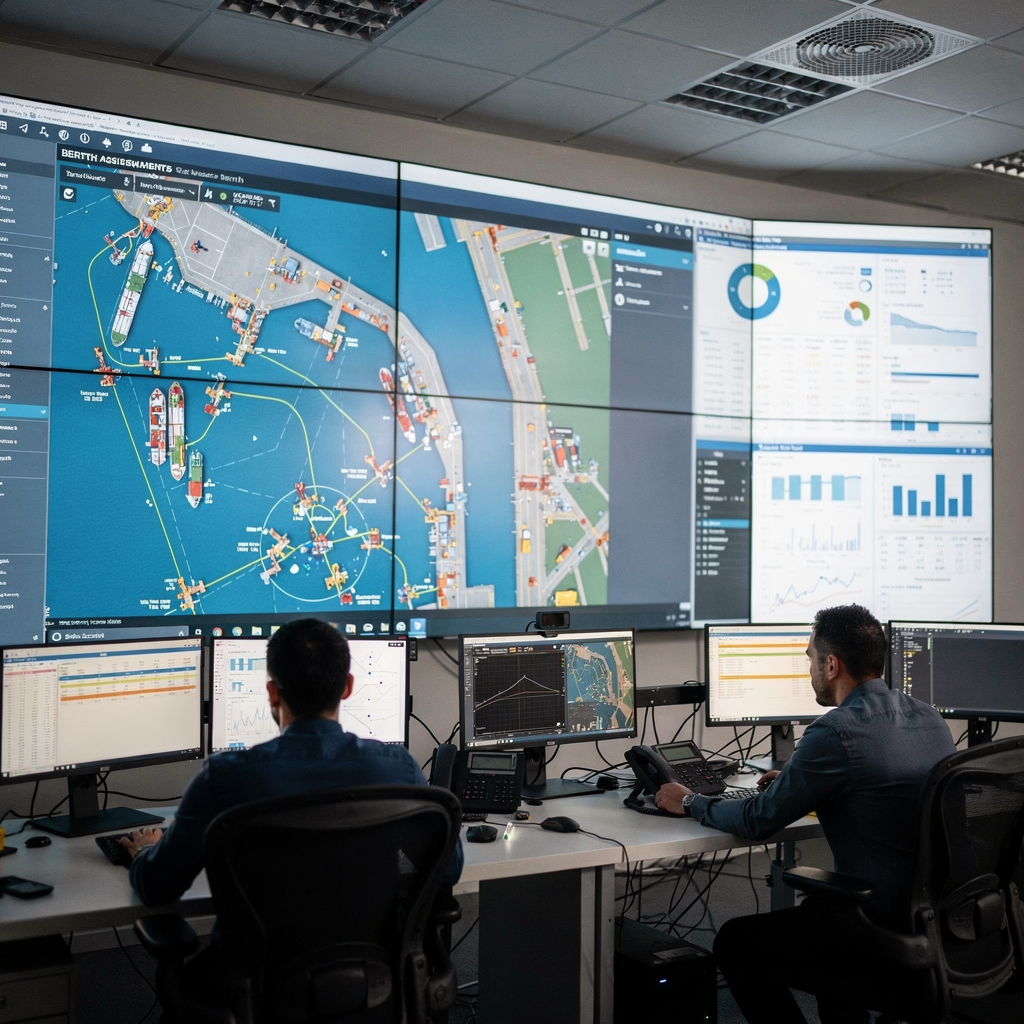
Real-time data integration matters for ai in port operations because ports operate on tight schedules. Sensors, AIS vessel tracking and weather stations feed continuous streams. Real-time integration allows dashboards to surface critical KPIs such as berth occupancy, crane utilization and gate throughput. These dashboards present alerts and recommended actions so teams can respond quickly and maintain safety and efficiency.
Data pipelines ingest telemetry from cranes and yard sensors, and then machine learning models produce short-term forecasts and anomaly detection. For example, ports have reported prediction accuracy above 85% for arrival time estimates and equipment failures, which lowers rescheduling and idle time AI-Enhanced Smart Maritime Logistics. Furthermore, autonomous transport research shows safety improvements when systems share timely context across teams (MDPI). These results help ports plan berths and allocate resources with confidence.
Analytics dashboards make KPIs actionable. First, berth planners see predicted arrival windows and recommended slots. Next, yard managers see stacking density and suggested rehandles. Then, gate controllers view expected truck queues and pre-cleared manifests. As a result, teams operate with better situational awareness and fewer surprises. This transparency supports port strategy and helps ports become increasingly efficient while reducing port congestion and improving port efficiency.
To examine berth scheduling theory and operational heuristics, port teams often consult resources like the berth allocation problem brief on Loadmaster berth allocation problem in terminal operations. Also, dashboards that combine predictive analytics and operations data enable port community coordination and support smarter operations across carriers, terminals and hinterland partners.
Drowning in a full terminal with replans, exceptions and last-minute changes?
Discover what AI-driven planning can do for your terminal
optimize port traffic and logistics operations through AI
AI-driven strategies optimize port traffic and reduce vessel queues. When planners apply AI to berth allocation and yard management, they cut waits and improve throughput. Algorithms evaluate pending arrivals and assign berths to minimize total waiting time. At the same time, yard sequencing algorithms decide which containers to move first so cranes and trucks operate without dead time. These methods optimize resource allocation across the terminal and help ports reduce bottlenecks.
Sequencing algorithms use container metadata, vessel stow plans and gate schedules to minimize crane rehandles and truck driving distances. For example, deepsea container terminals use dynamic stowage plan adjustments and machine learning predictions to reduce unnecessary moves and to speed crane operations; see practical modules that support automated port planning dynamic stowage plan adjustment and AI modules for automated planning AI modules for automated container port planning. These approaches cut unnecessary equipment motion and lower fuel use, which supports greener operations and sustainable operations goals.
Quantitatively, several studies show 20–30% reductions in vessel turnaround times when terminals implement AI-enabled berth planning and optimized handling sequences (study). In practice, reducing turnaround by a quarter increases berth availability and allows ports to accept more calls without expanding infrastructure. Therefore, ports operate more efficiently, and carriers win faster port calls and more reliable schedules.
To dive deeper into strategies for reducing vessel turnaround and yard driving distances, operators can read pragmatic guides such as strategies to reduce vessel turnaround time and deepsea container port optimization logic on Loadmaster strategies to reduce vessel turnaround time in container terminals and deepsea container port optimization logic. These tools and techniques help ports transition from reactive juggling to proactive flow management and deliver an efficient port experience for stakeholders.
Predictive ai models for smarter operations in terminal operation
Predictive models power smarter operations at the terminal level. Machine learning predicts crane breakdowns, battery depletion on automated guided vehicles, and peak cargo demand windows. Predictive maintenance signals let teams plan repairs during slack periods, and predictive demand forecasts guide staffing and berth planning. Together, these forecasts cut downtime and reduce emergency mobilization costs.
AI models use historical telemetry and live feeds to score equipment risk and to estimate remaining useful life. For example, models that flag imminent crane faults give maintenance a 24–72 hour planning window. As a result, terminals can schedule preventive interventions without causing unexpected throughput losses. Also, predictive logistics algorithms forecast container arrivals by train and truck so terminals pre-stage yard blocks and avoid double-handles. This reduces truck turn time and improves crane productivity and crane operations.
Explainability matters because port operators must trust recommendations. Platforms increasingly add human-readable rationales and scenario visualizations so planners can verify a suggested plan. A notable expert observation notes that only a minority of logistics AI systems provide sufficient explanation to users; the MIT-related review explains that “Only 23% of logistics AI systems currently provide sufficient explanation of their decision processes to satisfy end-users” (MIT study quote). That statistic highlights work still needed to build trust in predictive outputs.
To illustrate communication automation, consider the common email flow. Teams receive many operational emails daily, and AI agents can classify intents, fetch ERP data and draft replies. These agents integrate with existing systems and create structured records from emails, which helps ports keep reliable logs and to comply with audit requirements. In short, predictive models plus explainability features let terminals automate routine work while maintaining human oversight for critical decisions.
Drowning in a full terminal with replans, exceptions and last-minute changes?
Discover what AI-driven planning can do for your terminal
Port performance analytics and operations within port community
End-to-end visibility is key for port performance across the port community. Shared data lets carriers, terminals and hinterland partners coordinate handoffs, and this reduces idle time on both ship and shore. Systems that aggregate arrival plans, yard density forecasts and gate throughput create a single view that supports throughput smoothing. In practice, a port community system improves timing for trucks and trains and reduces peak spikes that cause port congestion.
Port community platforms leverage shared messages, APIs and standardized documents so stakeholders exchange trustworthy information. When terminals publish berth schedules and yard block allocations, trucks time arrivals and reduce queueing. Similarly, rail planners see how berth operations affect wagons and can adjust schedules. As a result, the entire supply chain becomes more predictable and efficient, and this benefits global trade.
Performance metrics to track include safety incidents, berth occupation rates and terminal yard density. Research demonstrates measurable safety benefits when automated and autonomous systems support human teams; some ports report up to a 15% improvement in safety metrics with integrated autonomous maritime transportation features (MDPI). Tracking berth occupation helps planners balance loads and maintain an effective port layout. Monitoring yard density and rehandle counts informs stacking policies and reduces crane idle time.
For teams focused on yard forecasting and reduced rehandles, there are specialized tools and guidance such as advanced yard density forecasting and minimizing container rehandles on Loadmaster advanced yard density forecasting models for terminal operations and minimizing container rehandles in deepsea container port stacks. These resources show how analytics and shared platforms make the port ecosystem more resilient and help ports handle volume surges without compromising safety and throughput.
Trends in ai and future of ai: AI consulting and operations management in smart port
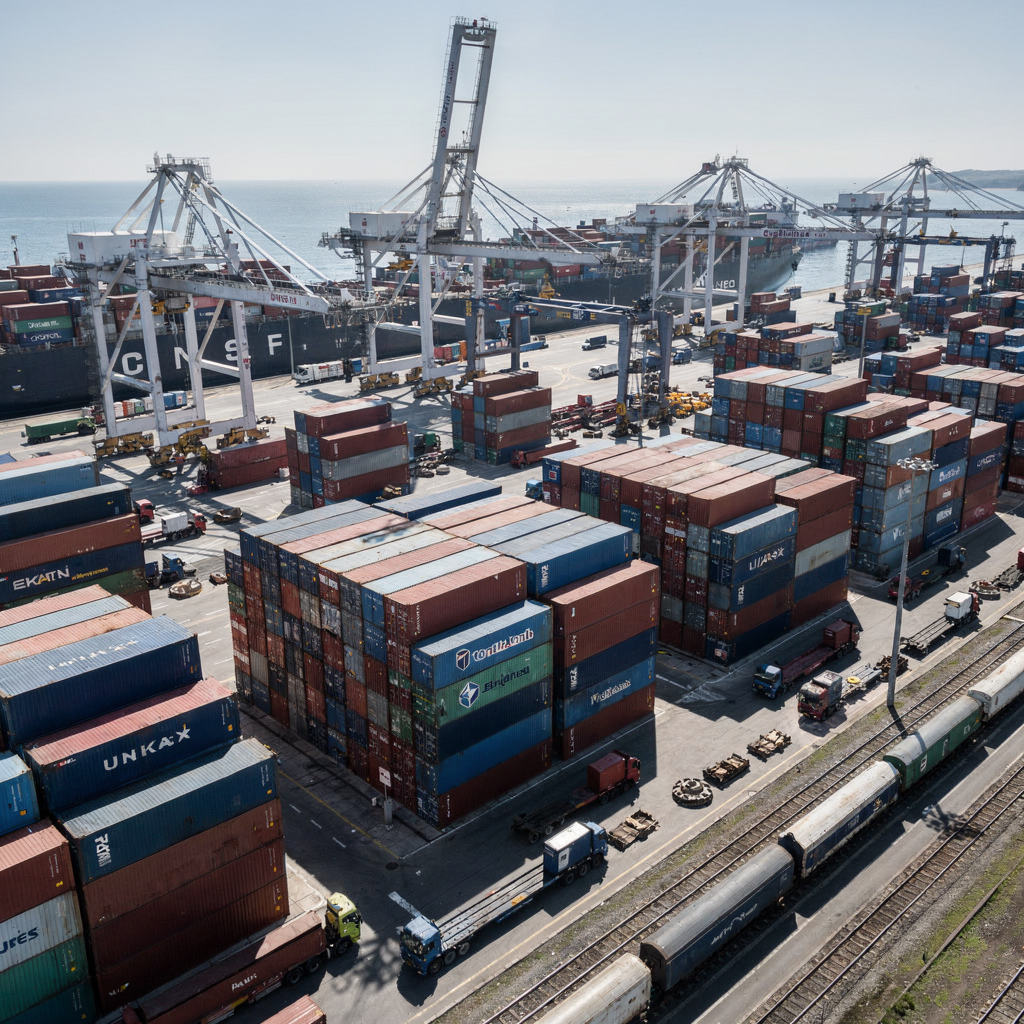
Emerging technologies will shape the future of ai in port work. Digital twins replicate the terminal in software, and federated learning lets multiple ports train shared models without moving raw data. Autonomous vessels and vehicles add new actors to the ecosystem. Together, these trends in ai change how ports plan capacity and manage risk. For example, federated learning research points to collaborative models that preserve privacy while improving prediction quality across ports (research).
AI consulting plays a vital role in adoption of ai for ports. Consultants help select use cases, align data governance and guide integration with existing systems. They also design training programs for port operators and terminal operators to accept new tools. This human-centric adoption helps ports transition from pilot projects to production-grade deployments and supports a smart port that balances automation and human oversight.
Key challenges remain. Data quality and integration across legacy systems cause friction, and scalable architectures are needed to serve large terminals and small inland sites. Human-AI interaction and explainability are active research areas so that operators can trust system outputs and intervene when needed. Furthermore, ports must consider sustainability goals and reduce emissions from yard moves and waiting ships. AI can support greener operations by optimizing flows and by recommending low-emission equipment rotations.
Looking ahead, advanced AI modules, digital twins and better integration with port infrastructure will help ports function more predictably. In the end, the combination of technology, training and governance will determine whether ports continue to evolve into effective port platforms that deliver safety and efficiency across the supply chain.
FAQ
What is a Terminal Operating System and why does it matter?
A Terminal Operating System (TOS) is software that manages container moves, gate flows and yard slots at a terminal. It matters because a TOS is the backbone of port workflows, and integrating AI with a TOS enables better scheduling, fewer errors and faster responses.
How does AI support berth planning and berth operations?
AI analyzes vessel ETA data, historical service times and resource availability to recommend berth allocations. By doing so, AI reduces idle time, lowers vessel queues and helps planners make data-driven decisions faster.
Can AI really reduce vessel turnaround time by 20–30%?
Yes, several studies report up to 20–30% reductions in turnaround when terminals adopt automated berth allocation and optimized sequencing. These gains come from reduced waiting, fewer rehandles and better coordination across teams (study).
What kind of predictive models do terminals use?
Terminals use models for equipment maintenance, arrival prediction and demand forecasting. These predictive models draw on telemetry, AIS feeds and historical logs to forecast failures and busy windows so teams can allocate resources proactively.
How do ports share data across the port community?
Ports use standardized messages, APIs and platform services to share berth plans, manifests and yard allocations with carriers and hinterland partners. Port community systems reduce uncertainty and smooth throughput by improving visibility for trucks and trains.
Are there safety benefits to automation and AI?
Yes. When AI supports human teams, some ports report measurable safety improvements, such as fewer human error incidents and better monitoring of risky conditions (research). Safety improves when AI provides timely alerts and routine tasks are automated.
What role does explainability play in port AI?
Explainability helps operators trust AI recommendations by showing why a decision was made, and by enabling scenario checks. Studies find that improving explainability is necessary so operators adopt AI in daily workflows (study).
How can email automation help terminal operations?
Email automation can classify inbound messages, pull data from ERP and TMS, and draft correct replies, thereby saving time and reducing errors. Automating email triage and response frees planners to focus on exceptions and complex decisions.
What emerging AI trends should port leaders watch?
Leaders should watch federated learning, digital twins and autonomous vehicles because these technologies enable collaborative models, accurate simulations and new modes of operation. They also require new governance and integration strategies.
How do I get started with AI in my port?
Start by identifying high-impact, repeatable processes such as berth planning, yard sequencing or email workflows. Then, pilot small integrations with clear KPIs, involve stakeholders and secure data quality. Consulting partners can help define roadmaps and scale pilots into production.
our products
 stowAI
 stackAI
 jobAI
jobAI
Innovates vessel planning. Faster rotation time of ships, increased flexibility towards shipping lines and customers.
Build the stack in the most efficient way. Increase moves per hour by reducing shifters and increase crane efficiency.
Get the most out of your equipment. Increase moves per hour by minimising waste and delays.
stowAI
Innovates vessel planning. Faster rotation time of ships, increased flexibility towards shipping lines and customers.
stackAI
Build the stack in the most efficient way. Increase moves per hour by reducing shifters and increase crane efficiency.
jobAI
Get the most out of your equipment. Increase moves per hour by minimising waste and delays.