
Terminal operation and Yard management Fundamentals
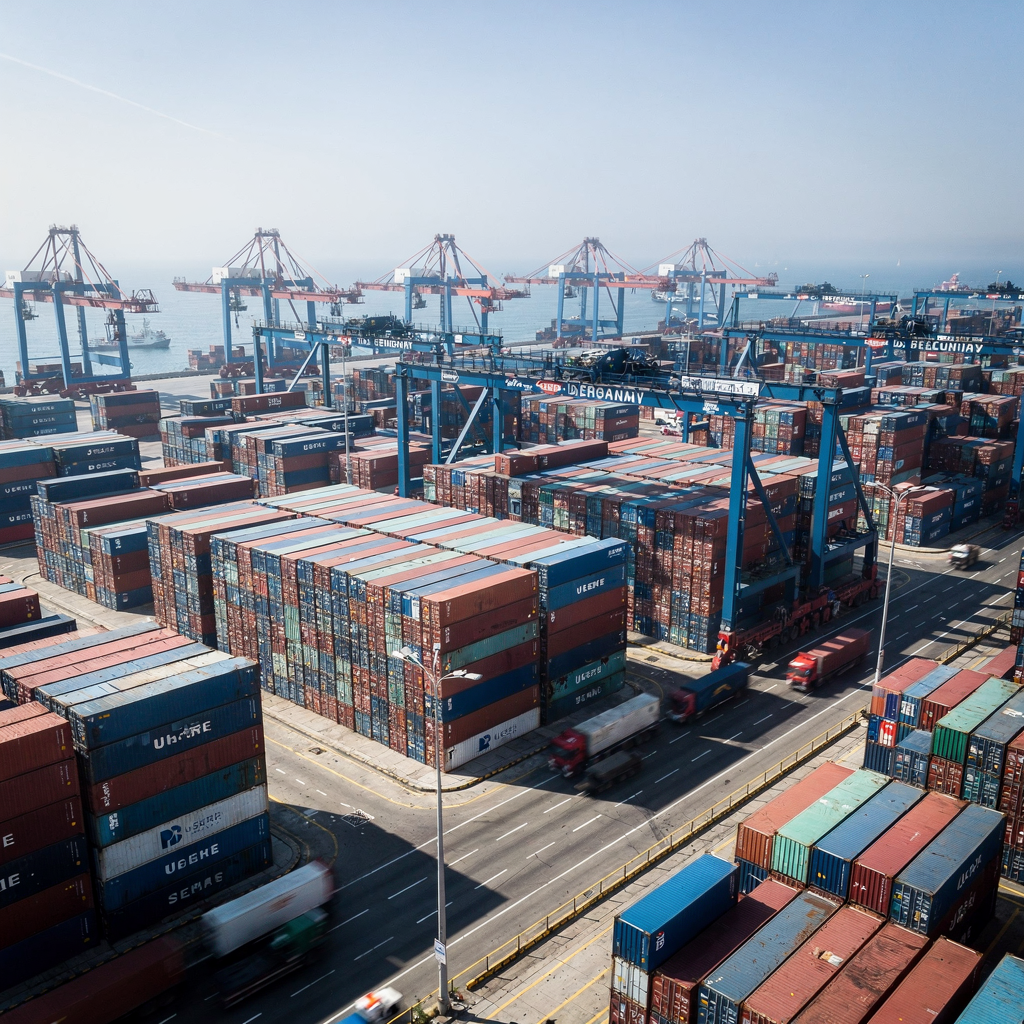
First, define what a terminal is. A terminal is the hub where ships, trucks, trains and warehousing meet. In a container terminal the core functions include vessel berthing, cargo transfer, storage and dispatch. Yard management covers the day‑to‑day control of stacks, storage and retrieval activities inside the storage yard. It coordinates yard blocks, yard cranes, yard equipment and allocation of space to make sure containers move smoothly.
Second, yard density matters. Yard density measures how many containers sit per square metre or per stack height. High yard density increases the chance of congestion in a stack and delays in retrieval operations. Low yard density wastes yard space and reduces terminal throughput. Therefore, accurate yard density forecasting helps optimize the balance between full utilization and accessible storage. For example, terminals that predict peaks can shift container allocation to reduce congestion and minimize repositioning moves.
Key metrics matter for operational control. Utilization and utilization rates for yard cranes and yard blocks show how well resources handle demand. Dwell times measure how long an incoming container sits before dispatch. TEU throughput per crane or per berth ties yard planning to vessel operations and terminal performance. Studies show that optimizing yard density can increase TEU throughput per crane by up to 15% (Enhancing Terminal Productivity Analysis). Further, ports that use integrated forecasting report measurable reductions in container dwell times, with one major example reducing dwell by around 10% (Port of Seattle sustainability report).
Third, yard management is both technical and human. Yard planning involves rules for storage space allocation, assignment of gantry cranes and guidance to operators. Automation and optimization models support these decisions. At the same time, terminal operators must design stacks and flows that match vessel schedules and hinterland links. For practical tools, readers can explore container terminal simulation options to test layout and workflow changes in a safe environment container terminal simulation software overview.
Terminal yard Forecasting and Container terminal Customisation
Accurate yard forecasting lets a terminal plan ahead. First, forecasting yard density informs storage space allocation and prevents costly rehandling. Next, the importance of customization becomes clear. Terminals vary in layout, stacking methods and equipment. As a result, a one‑size‑fits‑all model fails. Researchers note that “terminals as the terminal operators use their own stacking methods and yard densities” and thus models must adapt to local policies and physical design (Assessing forecasted container throughput demand).
Statistical and probabilistic models form the baseline for many forecasts. These models estimate means and variances of incoming container flows. Then, operators combine them with schedules to compute expected yard density. For greater fidelity, ensemble techniques from meteorology merge multiple model outputs to reduce uncertainty and improve reliability (ensemble model output statistics). In practice, this means using both historical demand patterns and near‑term signals like vessel ETAs, rail manifests and truck appointments.
Additionally, terminals must factor in terminal layout and stacking rules. For instance, a terminal with deep bay stacks will have different retrieval patterns than a terminal using front‑to‑back stacking. Therefore, simulation tied to probabilistic forecasts helps test alternative storage policies. For hands‑on tools, teams can evaluate yard planning and software solutions for small and large sites to refine stacking and fleet deployment yard planning software for small inland container terminals.
Finally, combining other sources of data improves forecast accuracy. UNCTAD highlights that “combining statistics with other sources of data and information can help improve terminal operations forecasting” by capturing dynamic container flows and yard utilisation (Review of Maritime Transport 2020). For example, terminal operating systems that expose berth schedules and crane allocations can feed a forecasting pipeline. This integrated approach enables better storage and retrieval planning, and helps terminals maintain steady container movement even during surges.
Drowning in a full terminal with replans, exceptions and last-minute changes?
Discover what AI-driven planning can do for your terminal
Yard crane scheduling and Utilisation with AI Models
Yard crane scheduling is a complex operational challenge. Crane moves cost time and fuel. Poor schedules create long queues and idle time. Effective scheduling must balance workload across yard cranes and align moves with vessel operations, truck arrivals and rail windows. Traditional methods rely on static rules. However, AI and machine learning provide dynamic, data‑driven alternatives.
Machine learning models predict crane utilization, downtime and move durations. These models use historical telemetry, appointment data and sensor feeds to learn patterns. Then, they forecast crane demand for upcoming shifts. As a result, managers can deploy yard cranes where they will have the biggest impact and minimize empty travel. This reduces the container relocation problem and cuts needless repositioning moves.
AI also supports balanced workloads. Reinforcement learning and supervised models can recommend assignment policies that keep all gantry cranes productive. For example, simulated training environments let algorithms test policies before live deployment. Teams can combine ML predictions with decision rules inside terminal operating systems to automate crane allocation and create a near real‑time control loop. For further reading on integrating AI modules into port yard management, see AI‑driven container port yard systems that link prediction and execution AI-driven container port yard management systems.
Expected gains from AI include reduced idle time, higher moves per hour and improved service levels. Quantitatively, terminals that reduce repositioning moves and better match crane deployment to demand see productivity gains. For example, simulation and forecasting approaches have helped ports increase TEU throughput per crane by a substantial margin in comparative studies (productivity analysis). In practice, operators can reduce crane idle time and better sequence load and unload operations for vessels.
Stack Simulation and Container stacking in Maritime container Operations
Simulation is essential to test stack dynamics under realistic loads. A stack is more than a pile; it is a structured set of containers indexed by position and priority. Simulation models the full life cycle of a stack: incoming container placement, storage, movement and retrieval. This lets planners identify bottlenecks before they appear in real yard operations.
Container stacking patterns influence handling times and congestion. For instance, placing import containers above exports that will leave sooner increases rehandles. Similarly, mixing different types of container and varying weights without policy creates inefficiency and risk. Therefore, optimized stacking rules reduce the need to move containers twice and improve retrieval operations. A targeted simulation can reveal which yard blocks should hold high‑turnover containers and which should host long‑stay units.
Adaptive stacking strategies perform well in volatile demand. These strategies change stacking rules based on predicted arrivals and real‑time signals. They rely on forecasts of yard density and on optimization models that minimize total moves. For terminals that use simulation to test adaptive approaches, the result is smoother container movement and fewer time‑consuming repositioning operations. To explore modeling tools, teams can review container terminal simulation software that supports what‑if analysis and layout testing container terminal simulation software overview.
For a case study, consider a maritime container terminal that implemented adaptive stacking in response to peak import seasons. The terminal combined forecasted yard density with simulation to reassign yard blocks for high‑turnover containers. Consequently, they cut average retrieval operations per container and reduced delay at yard cranes. In sum, simulation plus tailored stacking rules boosts operational efficiency while maintaining safety and resilience in the face of demand swings.
Drowning in a full terminal with replans, exceptions and last-minute changes?
Discover what AI-driven planning can do for your terminal
Optimise Crane Performance with Terminal operating systems Integration
Integrating terminal operating systems with sensors and automation creates powerful feedback loops. Terminal operating systems must act as the central brain. They collect real‑time data from gate scanners, IoT sensors on containers and telemetry from gantry cranes. Then, they feed this data into automation and optimization models that control crane tasks and allocation.
Automated decision support improves crane utilization and minimizes delays. For example, feeding predicted yard density into the TOS lets the system prioritize moves that reduce future rehandles. As a result, cranes avoid busy lanes and operate with fewer interruptions. The same integration supports automated stacking where rules are applied consistently to reduce inefficiency. This yields measurable productivity improvements like higher moves per crane per hour and fewer repositioning moves.
Evidence supports these benefits. Ports that align terminal operating systems with real‑time yard data report lower dwell times and higher throughput. The Port of Seattle case shows how integrated strategies help handle millions of TEUs and reduce dwell times by roughly 10% (Port of Seattle report). For teams exploring technical options, comparing cloud versus on‑premise TOS deployments helps decide what matches operational needs and security requirements cloud-based versus on-premise TOS.
Finally, automation should support people, not replace judgement. Systems that present clear, actionable recommendations let planners accept, tweak or reject AI suggestions. This streamlined coordination reduces human latency and helps execute optimized schedules faster.
Port Cost and Efficiency: Optimisation in maritime Supply chain
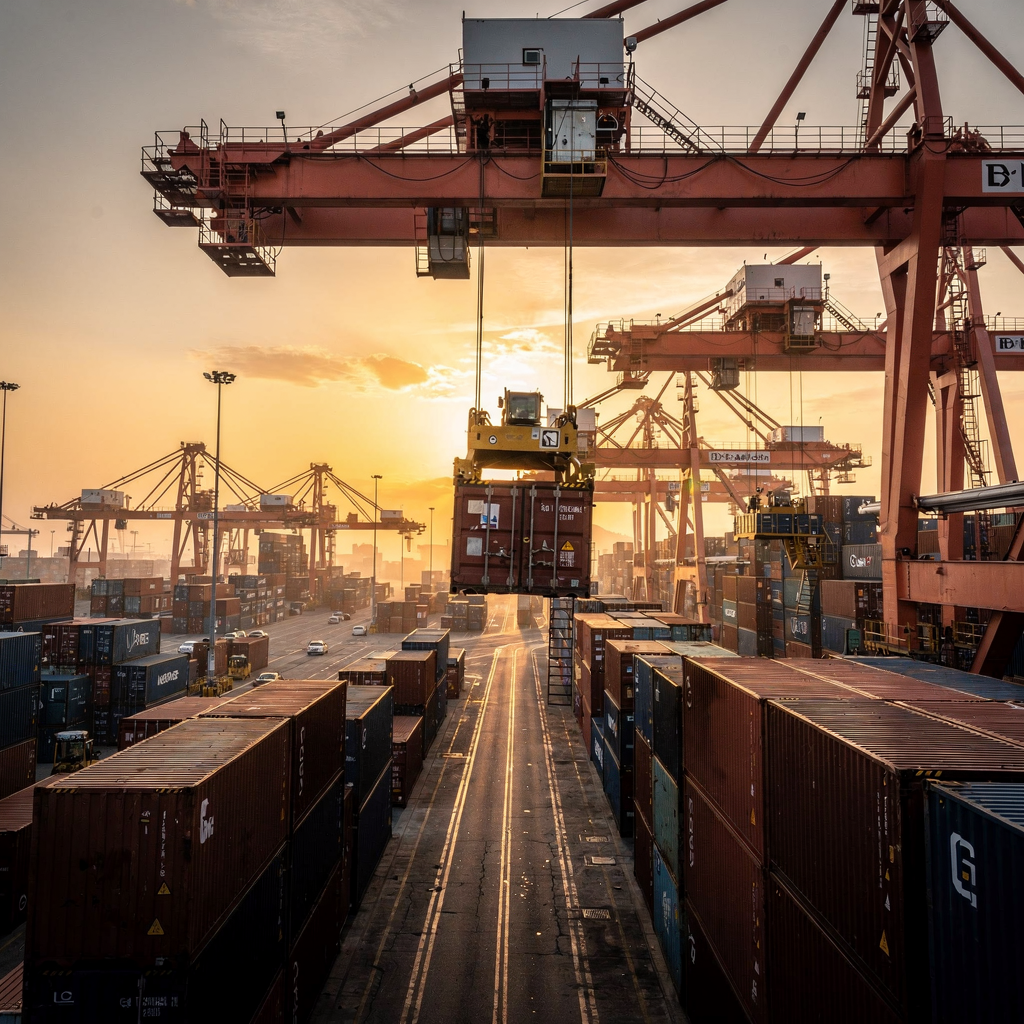
Cost and efficiency trade‑offs shape every terminal decision. Reducing dwell times cuts inventory costs and speeds cargo to inland customers. Conversely, over‑aggressive compact stacking lowers accessibility and increases rehandling costs. The right optimization balances storage density and access cost. Optimization in maritime often uses multi‑objective models that weight cost, time and resilience.
Strategic allocation and scheduling decisions affect the entire supply chain. For example, a slower crane schedule might save fuel but delay trucks. Conversely, faster vessel operations increase berth utilization but can create yard congestion. To address these trade‑offs, terminals build optimization models that include berth windows, crane availability, and hinterland links. These models generate schedules that minimize total system cost while meeting service targets. The result is smoother vessel operations and better alignment with intermodal partners like rail and trucking.
Quantitative outcomes are compelling. Studies find that optimizing yard density and yard operations can yield up to a 15% increase in TEU throughput per crane (productivity analysis). Additionally, the Port of Seattle example shows that integrated forecasting and operations can reduce dwell times by about 10% (Port of Seattle). Those gains flow downstream. Faster terminal processing reduces truck wait times, improves scheduled rail pickup and lowers demurrage costs for shippers.
Finally, optimization must support resilience. Ports face disruptions from weather, labor events and supply chain shocks. Optimization models that include stochastic scenarios or that use ensemble forecasts improve planning under uncertainty. For teams seeking practical tools, resources on optimizing lashing and crane productivity and on berth allocation provide detailed strategies to boost both cost and service metrics optimizing lashing and crane productivity and berth allocation problem in terminal operations. Together, these approaches help ports reduce inefficiency and increase resilience across the maritime supply chain.
FAQ
What is yard density and why does it matter?
Yard density measures how closely containers are stacked in the yard blocks. It matters because it affects retrieval speed, repositioning moves and overall terminal throughput. Higher density can increase utilization but also raises the risk of congestion and extra handling moves.
How do forecasting models improve terminal operations?
Forecasting models predict incoming container volumes and yard density so planners can allocate yard blocks and yard cranes efficiently. They reduce surprise peaks, lower dwell times and support informed scheduling for vessel operations and hinterland pickups.
Can machine learning really improve crane scheduling?
Yes. Machine learning forecasts crane demand and recommends assignments to balance workloads and reduce idle time. When combined with simulation, ML helps test policies and increases moves per hour while lowering repositioning.
What role does simulation play in container stacking?
Simulation models stack dynamics, enabling operators to test alternative stacking strategies without disrupting live operations. It identifies bottlenecks and helps design adaptive stacking that minimizes rehandles and improves retrieval operations.
How do terminal operating systems integrate with yard hardware?
TOS platforms receive data from gate systems, IoT sensors and gantry cranes to provide a unified operational view. They run optimization models and push scheduling decisions to operators and automated systems. Integration supports real‑time decision support and better resource use.
What productivity gains can terminals expect from optimization?
Terminals that implement advanced forecasting, simulation and integrated optimization often report double‑digit improvements in key metrics. For example, studies cite up to 15% higher TEU throughput per crane and around 10% reductions in container dwell times at some ports (productivity analysis) (Port of Seattle).
How does yard planning affect the broader supply chain?
Better yard planning shortens terminal processing time, which speeds cargo into trucking and rail networks. This reduces costs like demurrage and improves reliability for shippers and receivers across the global supply chain.
Are automated stacking and optimization models safe to use?
Yes, when deployed with oversight. Automation applies consistent rules to stacking and retrieval, lowering human error. Operators should validate optimization models through simulation and pilot phases to ensure safety and compliance with handling limits.
What is the container relocation problem and can forecasting help?
The container relocation problem arises when containers blocking higher‑priority units must be moved first. Forecasting yard density and expected retrieval order helps planners arrange stacks to minimize relocations and reduce extra moves.
How can operations teams reduce coordination overhead when implementing these systems?
Teams benefit from tools that automate communications around schedules and exceptions. This reduces delays in decision making and improves response times.
our products
 stowAI
 stackAI
 jobAI
jobAI
Innovates vessel planning. Faster rotation time of ships, increased flexibility towards shipping lines and customers.
Build the stack in the most efficient way. Increase moves per hour by reducing shifters and increase crane efficiency.
Get the most out of your equipment. Increase moves per hour by minimising waste and delays.
stowAI
Innovates vessel planning. Faster rotation time of ships, increased flexibility towards shipping lines and customers.
stackAI
Build the stack in the most efficient way. Increase moves per hour by reducing shifters and increase crane efficiency.
jobAI
Get the most out of your equipment. Increase moves per hour by minimising waste and delays.