
ai in container terminal: overview and significance
First, AI reshapes how a container terminal runs, and it does so across yard, gate, and planning layers. Also, AI connects historical and real-time data to guide fast choices, and therefore it reduces guesswork. The role of AI in inland container terminal operations has grown because terminals face rising container volumes and tighter schedules. Furthermore, terminal management needs tools that support throughput and reduce dwell time while cutting unnecessary container movements. For example, research shows AI models can cut container relocation moves by up to 30% by reducing rehandlings. Also, automation projects configured with AI have made terminals more reliable and flexible, and they handle peaks better as described in a technology and port operations study. Next, when we measure impact we track throughput, dwell time, and relocation moves. These key metrics show where AI yields the most value. For instance, automation plus AI has increased handling capacity by roughly 20–25% in some deployments according to automation studies. Also, AI enables strategic agility. Thus, terminal leaders can adjust yard layouts, change gate staffing, or reprioritize vessel work as conditions shift. Meanwhile, terminal operators report fewer delays, and they gain clearer visibility over container positions. Additionally, AI supports predictive workflows that flag exceptions before they cascade. This reduces error rates and speeds recovery. Finally, AI in container terminal planning supports better coordination across port, inland trucking, and rail partners. Therefore, AI helps terminals reclaim time and capacity, and it supports smoother supply chain operations.
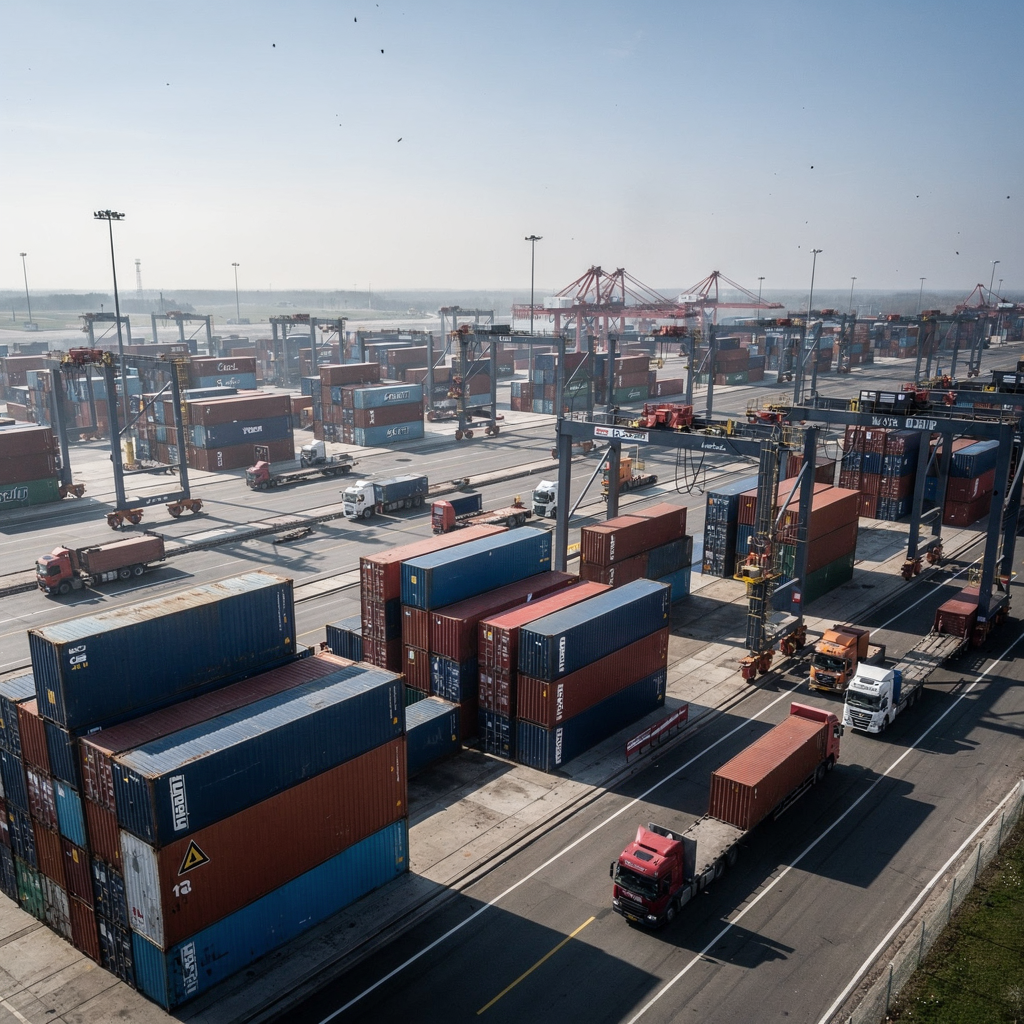
real-time data and predictive analytics for decision-making in inland terminals
First, real-time data fuels faster decisions. Also, gate sensors, yard cameras, and IoT devices stream timestamps, locations, and equipment status. Next, real-time data merges with historical trends to feed predictive analytics models. These models estimate dwell time, forecast arrival spikes, and predict when a container will block others. For example, smart predictive analytics can suggest optimal container stacking sequences to reduce rehandling. Additionally, predictive analytics make it easier to allocate space and plan crane cycles. Also, one study shows integrating AI into gate systems reduces turnaround times by 15–20% through smarter gate sequencing. Then, the models apply machine learning to learn patterns, and they adapt as traffic flows change. Moreover, machine learning helps spot anomalies, and it flags missing equipment or sensor drift. Also, predictive analytics support operational decisions under constraints such as limited yard space or labor shortages. For instance, a model may score and rank containers for early retrieval, and thus it minimizes reshuffles. Furthermore, predictive analytics can feed a terminal operating system and other management systems so that plans remain synchronized. Also, units can use predictions to pre-stage containers near exit gates to increase throughput. In practice, systems use sensor and operational data to update plans in real time. Finally, good design ensures that operators see clear recommendations, and therefore they keep control while the AI refines schedules. For more on yard-level AI modules and optimization logic see developer resources on AI-driven container port yard management systems and yard planning for small inland terminals AI-driven container port yard management systems and yard planning software for small inland container terminals.
Drowning in a full terminal with replans, exceptions and last-minute changes?
Discover what AI-driven planning can do for your terminal
ai integration in container terminal operating system (terminal operating system) and application of ai in container for port and terminal
First, a modern terminal operating system acts as the backbone that connects TOS modules, equipment controls, and third-party services. Also, AI plugs into the TOS as modular services that exchange data over APIs. Next, a container terminal operating system links yard plans, gate manifests, and vessel stowage with AI models that recommend actions. For example, a TOS can surface slot reassignments based on predicted truck arrivals. Furthermore, data interfaces must support both batch and real-time feeds. Also, integration of ai requires standardized message formats, and it needs authority controls to manage who changes plans. Then, AI models work best when they get clean real-time data and operational data histories from the TOS and from external partners. Additionally, the architecture often includes an orchestration layer that routes events to AI modules, and it ensures consistent state across the enterprise. Also, the container terminal can use AI to track container locations, predict retrieval times, and assign slots dynamically. For a technical perspective on integrating high-hoisting constraints and deeper vessel planning with software, terminal teams can explore vessel-planning resources and simulation tools high-hoisting constraints in vessel planning and container terminal simulation software overview. Moreover, application of ai in container tracking helps reduce manual lookup and improves traceability. Also, AI enables interoperable workflows between TOS, ERP, and external port services. Next, TOS vendors expose hooks where machine learning models can read queues and write recommendations. Finally, a careful rollout pairs AI outputs with operator controls so that terminal operators feel confident and maintain authority over exceptions.
automation and machine learning to optimize container handling and streamline container moves
First, heuristic search and machine learning models reduce unnecessary container relocations. Also, the Intelligent Decision-Driven Model (IDDM) and similar approaches combine heuristics with learning to avoid the curse of dimensionality. For example, research shows up to 30% fewer relocation moves when AI methods guide stacking and retrieval in controlled tests. Additionally, automation of cranes, straddle carriers, and automated guided vehicles allows precise, repeatable movements. Also, automation improves safety by removing workers from risky zones, and thus it lowers incident rates. Next, pairing AI with automation can reduce labor cost and increase throughput. For instance, some terminals report capacity gains of 20–25% after automating with AI support measured in case studies. Furthermore, machine learning models can learn crane operational patterns and suggest optimal crane schedules to reduce cycle times. Also, ML-based scheduling can optimize allocation of vehicles and cranes based on predicted container arrivals. Then, these systems also monitor equipment health using sensor data and computerized maintenance management integration to prevent breakdowns. In practice, terminals using AI-driven control see smoother traffic flow management across yards and gates. Moreover, automated decision loops let the system adapt to late container arrivals and changing vessel plans. Also, automation and machine learning work together to streamline container moves and to optimize container stacking, and they make retrieval faster. Finally, the result is safer operations, lower rehandling, and more predictable throughput across the entire terminal.
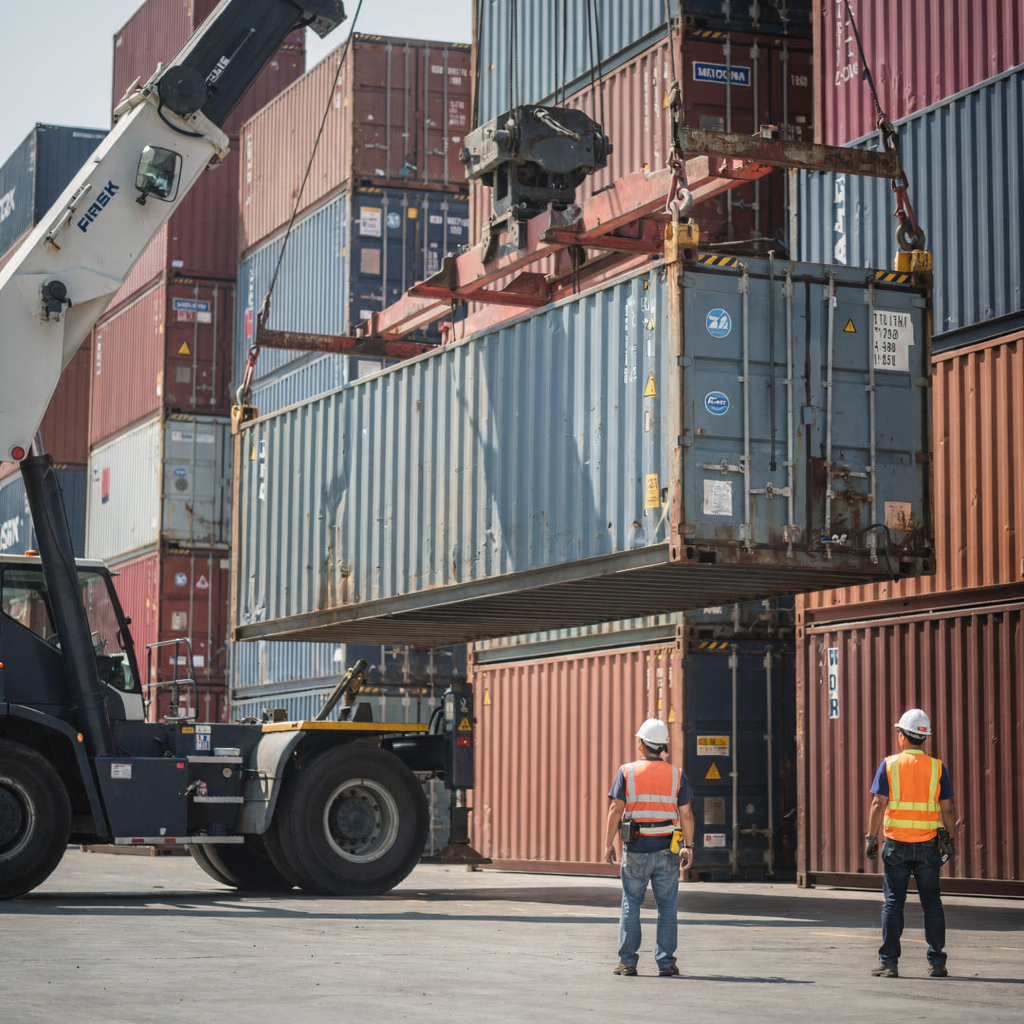
Drowning in a full terminal with replans, exceptions and last-minute changes?
Discover what AI-driven planning can do for your terminal
decision support for port operations in modern container terminals using ctos for container
First, decision support systems present recommendations via real-time dashboards and alerts. Also, these dashboards consolidate vessel plans, gate queues, and yard occupancy so managers can act quickly. Next, decision-making becomes data-driven, and the system highlights priority moves and resource conflicts. For example, decision support that feeds a CTOS for container workflows can reduce dwell time and improve berth planning when integrated with smart gate systems. Additionally, dashboards show container positions, expected truck ETAs, and equipment status. Also, alerts notify teams about exceptions such as blocked lanes or late vessels. Then, CTOS tools can recommend allocations that balance throughput with minimal reshuffles. Furthermore, decision support helps terminal operators plan vessel work to match crane capacity and to reduce vessel turnaround. For deeper research on berth allocation and vessel turnaround strategies see practical models and operational guides berth allocation problem in terminal operations and strategies to reduce vessel turnaround time. Also, decision support links to enterprise asset management to track crane maintenance, and it integrates with computerized maintenance management so that outages do not surprise the schedule. Next, CTOS interfaces should present both human-friendly summaries and machine-readable logs for audit. Finally, decision support makes the overall terminal more resilient because it helps teams see alternatives and to act before congestion grows.
future of ai and ai agents in port management with digital twin for optimizing operations
First, the future of AI will bring AI agents that autonomously schedule and handle exceptions. Also, AI agents can monitor flows, and they can escalate only when needed. Next, digital twin simulations let operators run “what-if” scenarios for capacity planning and allocation. For instance, a digital twin can model how a late train or a surge of trucks affects yard stacking and dwell time. Additionally, pairing AI agents with digital twin models supports continuous optimizing operations and resilience. Also, AI agents that integrate across CTOS and external systems will automate routine tasks, and they will keep humans in the loop for complex decisions. Then, intelligent agents can propose container reassignments, and they can trigger automated moves when rules allow. Furthermore, digital twin simulations enable robust stress testing, and they help with long-term capacity allocation and investment decisions. Also, advances in machine learning models and AI technologies will enable safer, faster, and more adaptive terminals. Next, adoption of ai must include explainability so terminal operators trust recommendations, and it must include governance that controls escalation paths. Moreover, a balanced approach that pairs AI with operator expertise will reduce risk and improve outcomes. For teams interested in simulation-driven planning, review container terminal simulation tools and optimization logic that reduce driving distances and crane split impacts container terminal simulation software overview and deepsea container port optimization logic. Finally, the future holds AI agents that help terminals automate email and exception handling, and so they convert unstructured communications into structured operational tasks; this supports smoother port management and smarter, continuous optimization.
FAQ
What is AI decision support for terminal operations?
AI decision support uses models and rules to recommend actions for terminal operators. Also, it combines data from TOS, sensors, and partners to present timely options and to highlight risks.
How does predictive analytics reduce dwell time?
Predictive analytics forecast arrivals and likely bottlenecks, and thus teams can pre-stage containers to reduce handling. Also, studies report decreases in average turnaround and dwell time when AI guides gate and yard sequencing as shown in field reports.
Can AI really cut relocation moves by 30%?
Yes, specific AI models have shown up to 30% fewer unnecessary moves in experiments, and research documents methods such as IDDM that combine heuristics with learning for container relocation. Also, results depend on data quality and change management.
What data sources feed AI models in a container terminal?
Sensors, yard cameras, gate readers, TOS logs, and carrier EDI messages all feed models. Also, historical operational data and ERP inputs improve model accuracy over time.
How do AI agents work with a terminal operating system or tos?
AI modules connect to a TOS via APIs and event buses, and they read queues and write recommendations. Also, pluggable services let teams test AI suggestions without losing control over operations.
Will automation replace terminal operators?
Automation augments operators by removing routine tasks and by improving safety. Also, operators keep oversight, handle exceptions, and make strategic choices while AI handles repetitive work.
What role does a digital twin play in port planning?
Digital twin simulations allow what-if testing and capacity planning before changes reach the yard. Also, they help decision-makers see trade-offs and select allocation strategies with confidence.
How can terminals ensure trust in AI recommendations?
Explainable models, transparent logs, and human-in-the-loop workflows build trust. Also, user-centered design and training help terminal operators accept and act on suggestions.
Are there quick wins for adopting AI in inland terminals?
Start with pilot projects that target high-impact areas like gate sequencing or slot planning.
Where can I learn more about simulation and yard optimization tools?
Explore resources on container terminal simulation and AI-driven yard management to see practical software and case studies container terminal simulation software overview and AI-driven container port yard management systems. Also, vendor whitepapers and academic studies provide deeper technical detail.
our products
 stowAI
 stackAI
 jobAI
jobAI
Innovates vessel planning. Faster rotation time of ships, increased flexibility towards shipping lines and customers.
Build the stack in the most efficient way. Increase moves per hour by reducing shifters and increase crane efficiency.
Get the most out of your equipment. Increase moves per hour by minimising waste and delays.
stowAI
Innovates vessel planning. Faster rotation time of ships, increased flexibility towards shipping lines and customers.
stackAI
Build the stack in the most efficient way. Increase moves per hour by reducing shifters and increase crane efficiency.
jobAI
Get the most out of your equipment. Increase moves per hour by minimising waste and delays.