
stability principles for container terminal vessel operations
Vessel stability defines how a ship resists capsizing and returns upright after a disturbance, and it dictates safe operations in a busy container port. For terminal operators, the concept guides decisions about trimming, ballast transfers and weight distribution, and it affects berth scheduling and crane sequencing. International rules require checks and certificates, for example through IMO instruments and SOLAS guidance, and classification societies enforce standards. A clear statement from recent research notes that “Reliable vessel stability calculations are indispensable for preventing accidents and ensuring the safe transfer of containers, especially given the increasing size and complexity of modern container ships” (source), so compliance matters for safety and for on-time performance.
Terminals must follow specific stability criteria when preparing a load condition. First, intact and damaged conditions both need assessment. Second, damage stability must be checked after any major shift or container loss. Third, longitudinal strength and stability and longitudinal strength checks ensure the hull does not overbend under uneven stacks. Port teams use hydrostatics tables, VCG and GZ curves to confirm acceptable behaviour. Trim and stability planning helps avoid excessive stern or bow immersion. Ballast moves may correct small departures from zero trim and keep a vessel within allowable limits. Operators must run strength calculations alongside stability checks to protect the deck and the cargo support structure.
Terminal operators and the operator on-board must therefore coordinate closely, and they often rely on a stability software package that plugs into port workflows. This stability software can provide a certification-ready report and a record for classification review. In addition, it supports rapid adjustments during tide swings or in an emergency situation. For further context on operational efficiency in container ports see this study on optimizing throughput (operational efficiency in container ports).
vessel loading optimisation and ship stowage plans
Container stowage planning addresses how to place units to balance safety and productivity. In practice, planners must solve the Container Stowage Planning (CSP) problem while respecting weight limits, lashing zones and accessibility for discharge. Good plans reduce rehandles, improve crane cycles, and help optimize fuel use during voyage. A recent survey shows that optimized stowage plans can cut fuel consumption roughly 5–10% through better weight distribution and trim control (stowage planning survey), and terminals may realise faster berth rotations as a result.
Weight distribution matters because the centre of gravity influences GZ and heel behaviour. Planners calculate the vertical centre of gravity and the transverse moment for each load condition. They must also consider lashing constraints to prevent stack collapse under wave and wind loads. Automated loading software helps by enforcing rules, checking container weights against VGM records, and suggesting moves that limit stack weight at each bay and tier. That software ties into yard maps and truck scheduling so that loading matches available lift sequences and does not create equipment starvation on the quay. For related work on yard and equipment optimisation see an article about yard storage modules and stacking density strategies (AI modules for yard storage optimization).
Integration with Terminal Operating Systems matters because a stowage plan that cannot be executed adds delay. Modern systems expose an interface to the TOS, and they automatically push plans to crane consoles and to truck appointment systems. Then, planners can re-run a scenario if a container fails VGM checks or if a late export needs accommodation. AI-driven modules speed up scenario evaluation, and they enable operational teams to compare throughput impacts quickly. For more on reducing port stay time through smarter vessel sequencing see this practical review (reducing port stay time for terminal operations).
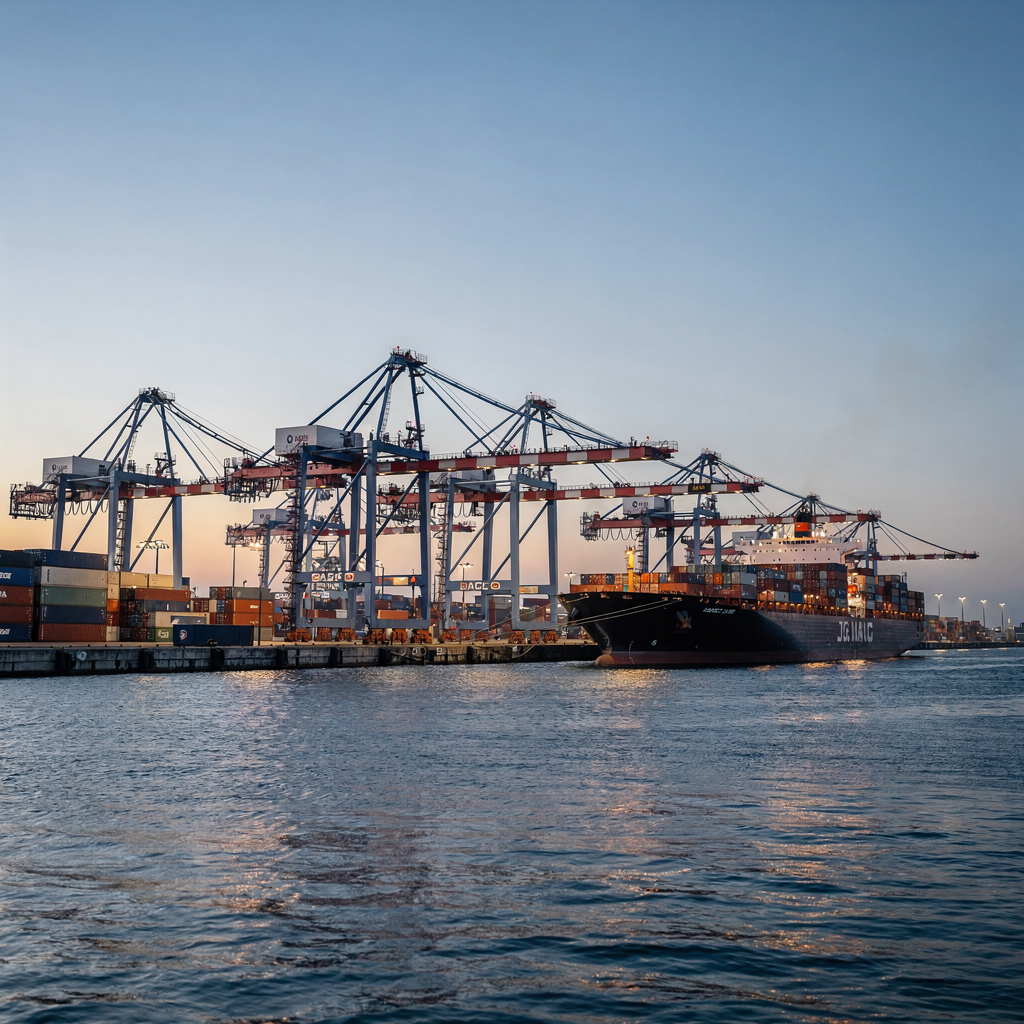
Drowning in a full terminal with replans, exceptions and last-minute changes?
Discover what AI-driven planning can do for your terminal
ship stability calculator tools: features and benefits
Real-time ship stability tools give planners and masters immediate feedback on the consequences of a proposed loading plan. A stability calculator module typically shows GZ curves, VCG, trim, and an intact snapshot alongside strength calculations. Dashboards visualise limits and flag breaches so users can act. Many packages include a simulation engine that can model intact and damaged scenarios, and they deliver quick, certification-ready outputs for classification review and for the master.
AI-driven algorithms now handle combinatorial stowage choices at scale. They can propose optimal stows under time constraints and then present several ranked options. The result is faster decision-making during tight berthing windows. The trend towards cloud-based, real-time collaboration also means multiple stakeholders can view the same load condition concurrently from shore or onboard. As a consequence, communications reduce errors. For pragmatic improvements that come from integrating planning with other systems, see research on collaborative truck scheduling at terminals (truck scheduling study).
Customization makes a difference. Terminals require modules tailored to feeder barges, deep-sea carriers, or specialized RO-RO decks. A good package supports different ship designs, including passenger ships, container carriers and even ore carriers or barges. It also respects classification requirements and allows the user to specify local safety margins. For terminals that run mixed fleets, compatibility with Excel exports and with TOS APIs ensures smooth handoffs. In short, the right tool enables safer, faster and more consistent ship loading while retaining audit trails for compliance and for post-call analysis.
loading input data: weight, centre of gravity and environmental factors
Accurate input data underpins every valid stability calculation. Essential sources include weighbridges and container weighers, accurate manifest records, tank soundings for liquid cargo, and sensor feeds for ballast levels. Terminals should also record container lashing plans and the ship’s compartment configuration. The VCG, moments and compartment lists form the baseline for each load condition and for longitudinal strength estimates. Next, the system must validate inputs with checks that catch common errors, such as wrong units or missing VGM values. Good validation prevents invalid outputs that would otherwise delay a sailing.
Environmental factors also change the result materially. Tide, wind and current change effective draught and can increase heel under asymmetrical stowage. Software that models wind heeling moment alongside the GZ curve can predict whether lashings will carry expected loads. Sensors and metocean services feed real-time data so that planners may rerun a scenario before the first lift. For terminals integrating live equipment and yard status with stability, see research on real-time equipment dispatch and yard capacity modeling (real-time equipment dispatch optimization).
Effective systems also report errors and suggest corrective actions. For example, if the vertical centre of gravity exceeds a factory-set limit the interface will flag the bay and propose ballast or a container swap. Systems should also track ballast transfers and TMS notes so that every move remains auditable. When deadlines tighten, automation can apply pre-approved rules and then escalate only when a human sign-off becomes necessary. That way, routine updates happen automatically while critical decisions stay with experienced personnel.
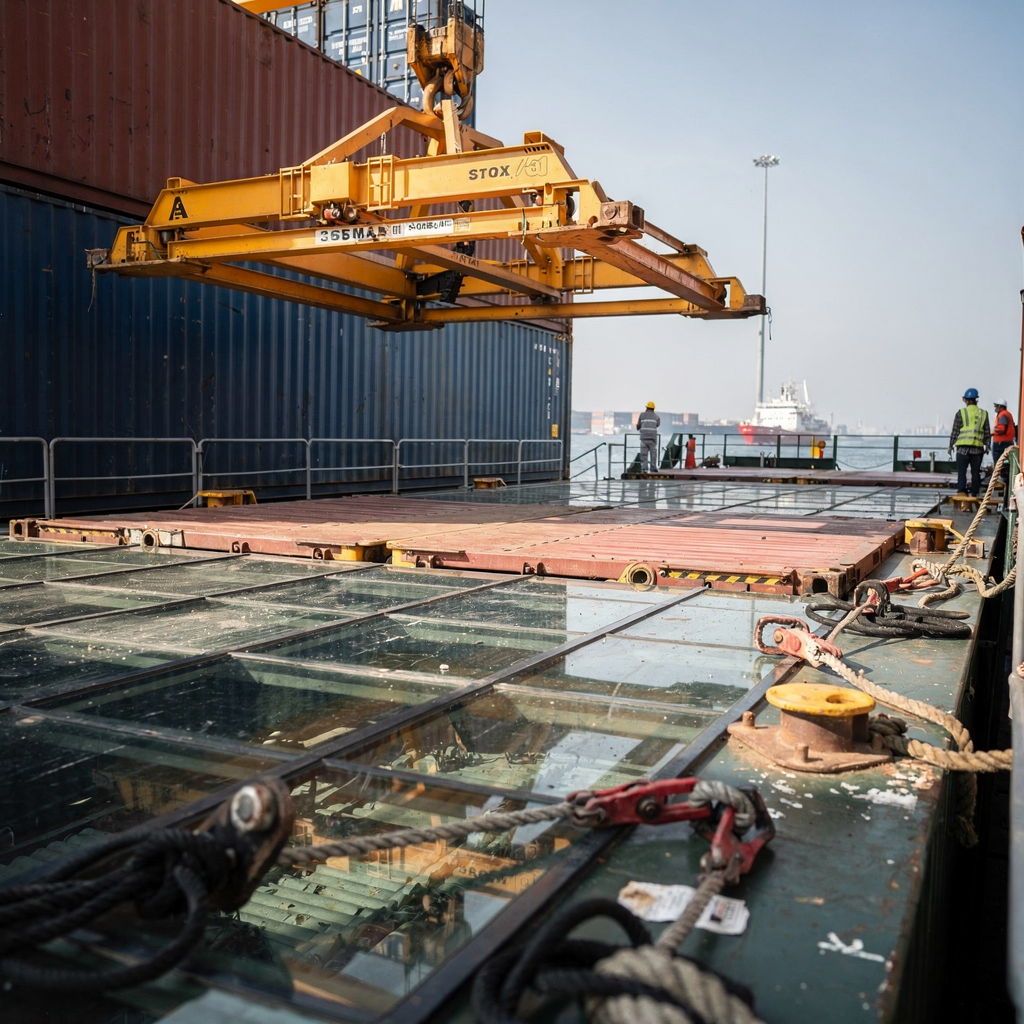
Drowning in a full terminal with replans, exceptions and last-minute changes?
Discover what AI-driven planning can do for your terminal
heel analysis in tanker, ferry and cruise ship scenarios
Heel is the transverse inclination a vessel experiences when a lateral moment acts on it. It matters most where passengers, liquid cargo or heavy deck loads create asymmetric moments. For a tanker, shifting liquid in tanks can magnify heel quickly, so tank soundings and anti-surge arrangements are central to the assessment. For a ferry or a cruise vessel, passenger movement and vehicle positioning can cause unexpected heel, and planners must model those transient events. Predictive simulation helps the operator decide whether to move vehicles, trim, or adjust ballast to stay within comfort and safety limits.
Simulation tools replicate how different load conditions produce heel across the ship’s envelope. They show the gz curve and the angle of heel at righting arm limits. The model can include free surface effects in tanks, cargo shift scenarios and even progressive flooding to test damage stability. Case studies show that early simulations reduce reactive ballast moves and reduce turn times in port. For example, adaptive terminal tools that weight scenarios carefully can improve operational efficiency up to 15% by optimising sequences and reducing unexpected reworks (adaptive performance evaluation).
Each vessel type requires bespoke attention. Tanker operators need rapid tank-by-tank calculations and checks on pumping sequences to avoid large free-surface effects. Ferry operators must validate load conditions for quick turnarounds and ensure that vehicle lanes do not create concentrated moments. Cruise teams examine passenger load distributions and public spaces, and they rehearse emergency situation responses. Simulation platforms that interface with TOS, ECDIS and onboard monitoring systems provide a shared operational picture. They also allow planners to present multiple options to the master in a clear, auditable format.
maximize safety and efficiency in container terminal software
Terminal teams measure success by KPIs such as turnaround time, fuel consumption and return on investment. Good software helps reduce crane idle time, speeds berth-to-berth moves, and improves predictability for truckers and carriers. For example, combining stowage optimisation with yard and truck planning can lower truck turnaround and equipment starvation, which boosts throughput. Studies show adaptive tools can improve terminal efficiency by approximately 15% through better parameter weighting and scenario analysis (study).
Key technical features include real-time dashboards, cloud-based collaboration and simulation modules that test intact and damaged scenarios. AI components help planners sift vast combinatorial options and present optimal choices. Good systems also produce regulatory outputs to satisfy IMO and classification requirements. They support strength calculations and stability and longitudinal strength reporting, and they keep records for audits. For terminals looking to integrate advanced planning with crane workload distribution and quay scheduling, see related work on AI approaches to crane scheduling (AI approaches to quay crane scheduling).
Beyond features, software must be compatible with existing TOS and with common formats such as Excel exports. It should also enable human-AI collaboration so that experienced planners can accept or refine suggestions. Finally, terminals that adopt cloud-based, predictive stability and simulation tools gain a competitive advantage through faster decisions, fewer errors and measurable fuel savings, which together maximize safety and efficiency across the fleet.
FAQ
What does vessel stability mean in a container terminal context?
Vessel stability refers to how a vessel resists capsizing and returns upright after being heeled by external forces. In a container terminal context it also covers how loading plans, ballast and environmental conditions affect that behaviour during port operations.
How does stability software support compliance with IMO rules?
Stability software can produce certification-ready reports that reflect IMO and SOLAS checks and that document intact and damaged scenarios. The software logs inputs and outputs so classification societies can review the data for audit and for compliance.
What is the Container Stowage Planning (CSP) problem?
The CSP problem focuses on arranging containers onboard to meet safety, operational and discharge constraints while minimising rehandles. It includes weight distribution, lashing rules and accessibility, and it often requires optimisation to balance competing objectives.
Which input data are essential for accurate stability calculations?
Essential data include VGM values from weighbridges, tank soundings, compartment lists, ballast records and accurate manifest information. Environmental data such as wind and tide also affect the outcomes and should be included.
Can software predict heel for different vessel types?
Yes. Modern simulation modules predict heel for tankers, ferries and cruise vessels by modelling free-surface effects, passenger and vehicle distribution, and wind-induced moments. These models help planners decide corrective moves before lifts commence.
How do AI algorithms improve stowage and stability planning?
AI algorithms explore large sets of possible stows quickly and rank them by safety and operational metrics. They provide planners with optimal or near-optimal plans and speed up decision-making during tight port windows.
How important is integration with Terminal Operating Systems?
Integration is crucial because a plan that cannot be executed in the yard causes delays. Real-time interfaces to the TOS and to truck scheduling ensure that stowage suggestions match available equipment and arrival patterns.
What role does ballast play during loading operations?
Ballast corrects trim and helps manage the vertical centre of gravity during sequential loading. Ballast transfers are often the fastest way to restore acceptable trim or heel when moves or late arrivals change the load condition.
How do terminals reduce risk from last-minute stowage changes?
Terminals reduce risk by validating input data, running rapid scenario simulations and using automated alerts for breaches. Workflow automation tools can also route urgent approvals and deliver context so decisions happen faster.
Where can I learn more about improving terminal throughput with integrated planning?
Start with resources that cover yard capacity, crane scheduling and equipment dispatch optimisation, and then explore case studies on AI-based planning solutions. For example, see work on yard storage modules and crane scheduling to understand system-level gains (AI modules for yard storage optimization).
our products
 stowAI
 stackAI
 jobAI
jobAI
Innovates vessel planning. Faster rotation time of ships, increased flexibility towards shipping lines and customers.
Build the stack in the most efficient way. Increase moves per hour by reducing shifters and increase crane efficiency.
Get the most out of your equipment. Increase moves per hour by minimising waste and delays.
stowAI
Innovates vessel planning. Faster rotation time of ships, increased flexibility towards shipping lines and customers.
stackAI
Build the stack in the most efficient way. Increase moves per hour by reducing shifters and increase crane efficiency.
jobAI
Get the most out of your equipment. Increase moves per hour by minimising waste and delays.