
port operations inefficiency: scope of harbour challenges
Port operations inefficiency shows up in long queues, delayed berths and slow handovers. First, inefficiency raises costs for shipping lines and freight forwarders. Second, it extends vessel turnaround time and increases idle time at quay. Third, it erodes port efficiency and harms service reliability. For example, research found an 11% increase in median port stay duration in the first half of 2021 compared with pre-pandemic levels, even as global demand rose by about 5.5% (Sea-Intelligence). That increase translated into meaningful operational loss across the global fleet.
Further, ships spend between 15 and 22 days each year waiting at ports, which can equal 4–6% of annual operational time and boost emissions (UMAS & UCL). Idle time magnifies fuel burn and demurrage risk. It also pressures berth capacity at the largest container ports and invites port congestion surcharges. The slow port pattern often begins before arrival, when vessel schedules clash and berth windows narrow. Then, once a container vessel ties up, delays in unloading operations and container yard moves magnify the problem. This situation reduces terminal capacity, lowers resource utilization and drags down productivity.
There are multiple actors in a port ecosystem. Port authorities, terminal operators, shipping lines, vessel agents and service providers must coordinate. However, shared data often remains fragmented. As a result, coordination breaks down and per call costs rise. The volume of vessels and TEU handled by major hubs means even small inefficiencies scale. Therefore, finding a way to improve the entire chain matters. The rest of this article explains concrete approaches to reduce port stay, reduce port costs, and improve the efficiency of terminal operations.
terminal operating system for real-time data exchange
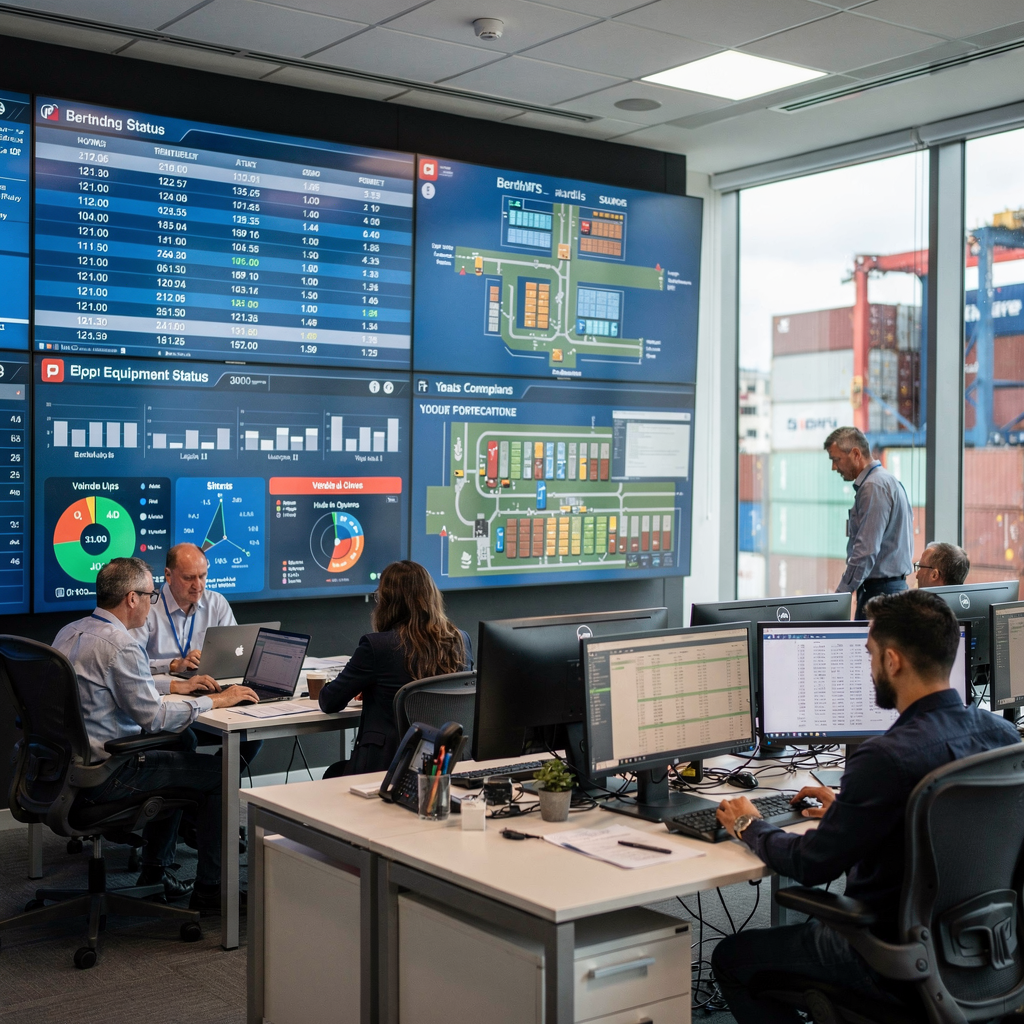
A terminal operating system sits at the heart of modern port digitisation. It links gate operations, container yard planning and equipment dispatch. A good terminal operating system supports real-time data flows, workflow orchestration and a management system for berth allocation. It also integrates with port community platforms so cargo owners, freight forwarders and shipping line partners can share status updates. In practice, this helps plan and execute moves with minimal downtime.
Key features include event-driven APIs, message queuing, and structured data exchange. These elements reduce manual email churn, speed decision-making and improve data quality. For terminals, real-time visibility into yard utilization and handling equipment status prevents equipment starvation and bottleneck creation. For example, digital platforms at leading hubs show how a unified data exchange model can cut waiting time and demurrage exposure. In Rotterdam, a digital platform for cargo tracking and berth coordination improved berth space planning and operational efficiency; the networked approach reduced delays by improving berth capacity use and shortening berth windows (case study context).
Additionally, a terminal operating system can feed scheduling tools that optimize port call sequencing and arrival notices. When real-time data flows to stakeholders, vessel agents and port operators can match vessel arrival times to berth availability. As a result, the terminal operator can limit idle time and raise utilization. To explore technical designs, see event-driven API architectures for container terminals (internal resource). For yard-focused integration and congestion prediction, consult predicting yard congestion in terminal operations (internal resource). That reduces delays caused by slow email-based data exchange and boosts productivity.
Drowning in a full terminal with replans, exceptions and last-minute changes?
Discover what AI-driven planning can do for your terminal
optimize port call planning with predictive analytics
Predictive analytics helps optimize port call planning in three ways. First, models forecast arrival and departure times based on weather, speed profiles and historical patterns. Second, they guide berth allocation and crane assignment to match predicted demand. Third, they let port operators and shipping lines adapt plans early, which reduces late changes and avoids congestion-related penalties.
Researchers have built predictive models that reduce service delays and improve berth allocation efficiency (MDPI study). These models produce forecasts of arrival and berth occupancy. When ports pair those forecasts with terminal operating systems, they can allocate berth space more fairly and tightly. Benchmark ports maintain average stay times under two days by combining automation and AI forecasts. For example, standout ports such as Singapore and Rotterdam manage vessel stays well below 48 hours, setting a global standard for port efficiency (benchmark). Those metrics show the value of predictive planning.
Integration with port community systems amplifies benefits. Shared dashboards push predicted berth windows to vessel agents, cargo owners and truck operators. This reduces the chance that trucks and barges arrive when the container yard faces congestion. In practice, a predictive model can reduce berth allocation conflicts and lower demurrage risk. It can also support voyage optimisation so vessels adjust speed and arrive as their berth opens, which helps save fuel. For readers interested in AI-driven quay efficiency, see optimizing quay crane productivity in container terminals (internal resource). Predictive systems require ongoing data quality checks and real-time feeds, but they offer clear time savings and better resource utilization.
turnaround time and time savings: strategies to reduce port stay
Reducing the time a vessel spends in port demands clear, actionable strategies. First, adopt lean cargo handling practices to speed unloading operations. Lean layouts reduce container moves and cut berth time by up to 20% in many terminals. Second, streamline gate operations and drayage coordination to avoid yard pile-ups. Third, optimise voyage speed to match berth availability and reduce early arrivals.
A mix of procedural change and technology delivers the best results. For example, dual cycling and pre-staging of export boxes cut per call dwell and help terminals improve the efficiency of crane work. Efficient container yard planning and improved yard utilization reduce container moves and lower congestion-related costs. Use case data shows that when terminals align arrival notices with berth windows, vessels see shorter waiting time and lower fuel burn. Consequently, shippers save fuel and lines face less demurrage.
Coordination matters. Terminal capacity and berth capacity must match expected volume of vessels and TEU. When they do not, a bottleneck appears. To avoid that, terminals should implement clear KPIs and automated alerts to flag delays. Service providers and port operators can then reallocate cranes or change yard stacks before bad patterns form. For more on managing truck flows and reducing truck turnaround, see our guide on reducing truck turnaround time at deepsea container ports (internal resource). Lastly, a terminal operator that reduces handover friction between vessel agent, crane teams and gate staff will realize measurable time savings and improved productivity.
Drowning in a full terminal with replans, exceptions and last-minute changes?
Discover what AI-driven planning can do for your terminal
optimize terminal workflows to reduce berthing delays
Automation now plays a central role in reducing berthing delays. Automated crane control and semi-automated container stacking speed operations and create more predictable workflows. Modern cranes run planned moves and handovers with minimal human latency, which reduces minimal downtime between lifts. Automation also helps improve the gross crane rate and standardize lift quality, which boosts overall productivity.
Beyond cranes, digital twins let terminals simulate container yard layouts and identify bottlenecks before they appear. By modelling stacking strategies and truck lanes, terminals can test scenarios that maximize yard utilization and minimize container moves. Coordination of intermodal transfers is also essential. When rail, truck and barge schedules sync with berth allocation, terminals reduce idle waiting and streamline intermodal handoffs.
To balance loads across assets, terminals can apply intelligent pooling and dynamic dispatch to avoid equipment starvation and to keep utilization high. Automation must pair with human oversight, clear time measures and a feedback loop for continual improvement. For practical methods to distribute crane workload and to optimize yard stack density, operators can consult resources on crane workload distribution and yard stack density optimization (internal resource) and (internal resource). These approaches reduce berth allocation friction and improve the predictability of vessel schedules. As a result, terminal capacity increases and berthing delays drop.
continuous turnaround improvements through data exchange
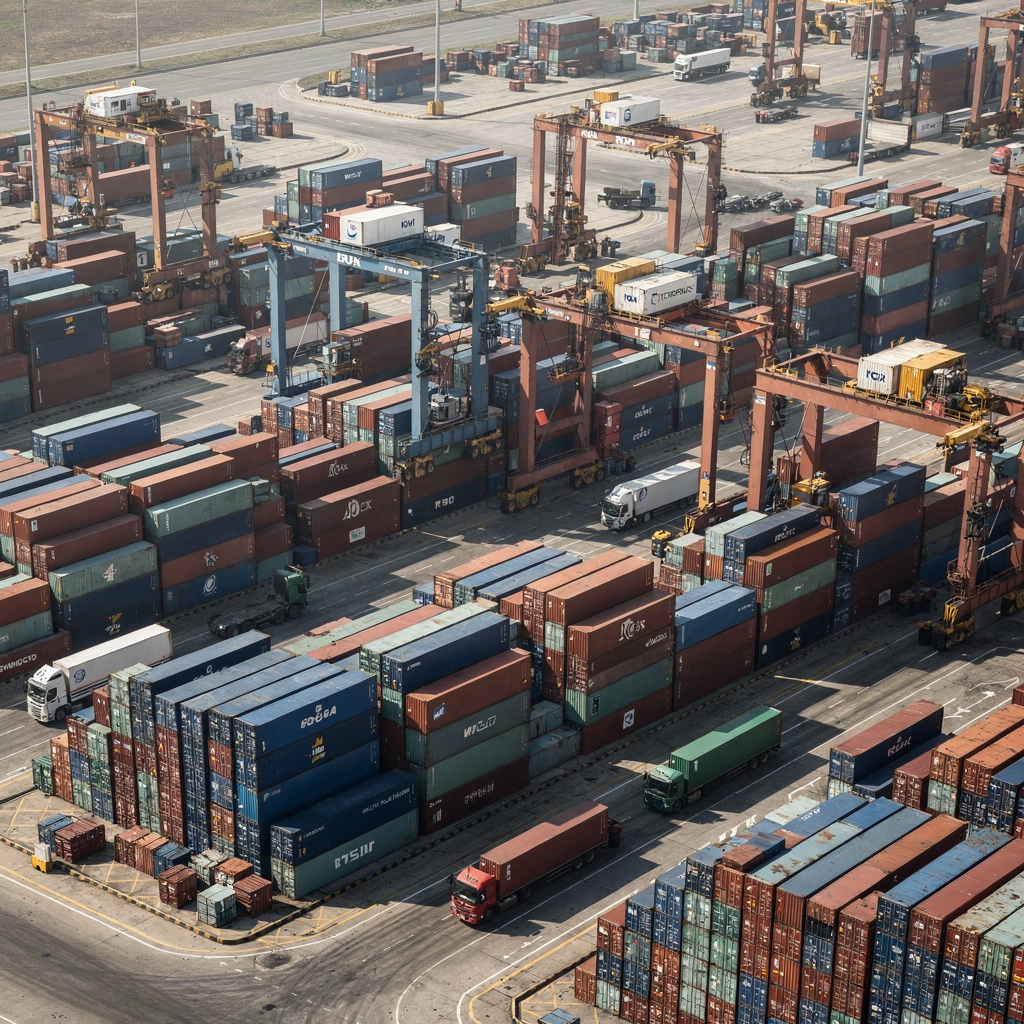
Continuous improvement relies on disciplined data exchange and clear KPIs. First, set KPIs that cover vessel turnaround, crane productivity, yard utilization and demurrage. Second, publish detailed reports and dashboards so stakeholders can monitor progress. Third, use alerts to surface anomalies so teams act fast.
Shared dashboards keep port authorities, terminal operators, cargo owners and freight forwarders aligned. Regular reviews of time measures help teams identify bottlenecks and improve the efficiency of cargo handling. Data exchange supports predictive maintenance for handling equipment and allows teams to schedule repairs during slack windows. That reduces equipment downtime and preserves berth windows.
Looking ahead, AI, IoT and blockchain will enhance predictive maintenance, dynamic slot booking and transparent audit trails. These technologies can coordinate next port call sequencing and reduce congestion-related surprises. This helps operations mean fewer manual handoffs and faster plan and execute cycles. Finally, continuous data-driven improvement can identify ways to save fuel, limit port congestion surcharges and reduce the carbon footprint of container ships. By combining human expertise with smart automation, ports can keep improving per call performance and maintain higher berth utilization over time.
FAQ
What causes long port stay times?
Long port stay times stem from coordination failures, yard congestion and equipment shortages. They also come from mismatched vessel schedules and slow gate or unloading operations.
How can a terminal operating system help?
A terminal operating system centralizes real-time data and streamlines berth allocation and yard planning. It also reduces manual email traffic and improves data quality for faster decisions.
Do predictive analytics really shorten berth stays?
Yes. Predictive models forecast arrivals and help plan berth allocation, which reduces waiting time and can cut average stays below two days in efficient ports (benchmark). They also guide voyage speed adjustments to match berth windows.
What role does automation play in reducing berthing delays?
Automation speeds crane cycles, stabilizes lift rates and reduces minimal downtime between moves. It also enables better yard stacking and fewer container moves, which lowers berth occupancy time.
How do ports measure improvement?
Ports use KPIs such as vessel turnaround, gross crane rate and yard utilization. They also track demurrage and congestion-related penalties to assess cost management.
Can better data exchange reduce demurrage?
Yes. Faster and higher-quality data lets stakeholders plan truck and barge arrivals, which reduces idle queues and demurrage occurrences. Shared dashboards and alerts keep everyone aligned.
What is the impact of voyage speed optimisation?
Optimising voyage speed prevents early arrivals and reduces waiting time at anchor. This saves fuel and lowers emissions while improving berth scheduling.
How should terminals handle sudden congestion?
Terminals should reassign cranes, reroute trucks and use dynamic internal transport replanning to clear backlogs. Real-time data and simulation tools help identify and fix bottlenecks quickly.
Are there quick wins for reducing port stay?
Quick wins include streamlining gate procedures, pre-clearing documentation and improving email workflows that coordinate operations. Small changes in scheduling and staging often deliver fast time savings.
By cutting manual triage, the platform improves response speed and reduces coordination-related delays.
our products
 stowAI
 stackAI
 jobAI
jobAI
Innovates vessel planning. Faster rotation time of ships, increased flexibility towards shipping lines and customers.
Build the stack in the most efficient way. Increase moves per hour by reducing shifters and increase crane efficiency.
Get the most out of your equipment. Increase moves per hour by minimising waste and delays.
stowAI
Innovates vessel planning. Faster rotation time of ships, increased flexibility towards shipping lines and customers.
stackAI
Build the stack in the most efficient way. Increase moves per hour by reducing shifters and increase crane efficiency.
jobAI
Get the most out of your equipment. Increase moves per hour by minimising waste and delays.