
AI-Enhanced Container Terminal: Scheduling Software and Terminal Gate Management
Traditional container terminal workflows struggle with long queues, unpredictable arrivals, and under-utilised capacity. For example, terminals often face peaks where the number of trucks overwhelms gate staff. As a result, gates slow down and truck idling increases. However, AI changes the pattern by forecasting when a truck will arrive and by improving appointment scheduling. AI-driven scheduling software forecasts ETAs and adjusts bookings to reduce waiting times by up to 30% (study). Also, predictive ETA integration into a truck appointment system helps terminals manage load more fairly and reduces truck wait for drivers and carriers.
Scheduling lies at the core of gate management. First, a management system must collect arrival information. Next, it must reconcile that information with yard capacity and crane availability. Then, AI models use historical data and real-time signals to propose optimized time slot allocations. Consequently, terminal operators can make decisions that reduce queue lengths and improve throughput. One port reported throughput increases of 10–25% after deploying dynamic gate adjustments (report). Furthermore, appointment information moves from spreadsheets into a single interface so staff and truck drivers see the same updates. In addition, this reduces errors and routing friction.
Integrating a truck appointment system with a terminal operating system avoids duplicate work and speeds up booking confirmations. Also, when the booking system links to an API, trucking companies and carriers receive automatic alerts about time slots and changes. This lowers the number of manual calls and emails. Therefore, operations staff can focus on exceptions. Finally, simulations and analytics help test quota assignments and balance gate labor. As a result, terminals better match inbound and outbound flows and improve the overall performance of container terminals.
Real-Time Workflow and Analytics in Port Operations
Terminals now integrate sensors, truck GPS, traffic feeds, and yard cameras to build a full view of activity. Also, combining these data sources creates a data-driven picture that supports quick decisions. For example, real-time updates feed predictive models that estimate truck arrival windows. These estimates help reduce truck wait and cut turnaround by 20–35% (research). Meanwhile, a consolidated analytics layer highlights bottlenecks near the terminal gate and in yard operation.
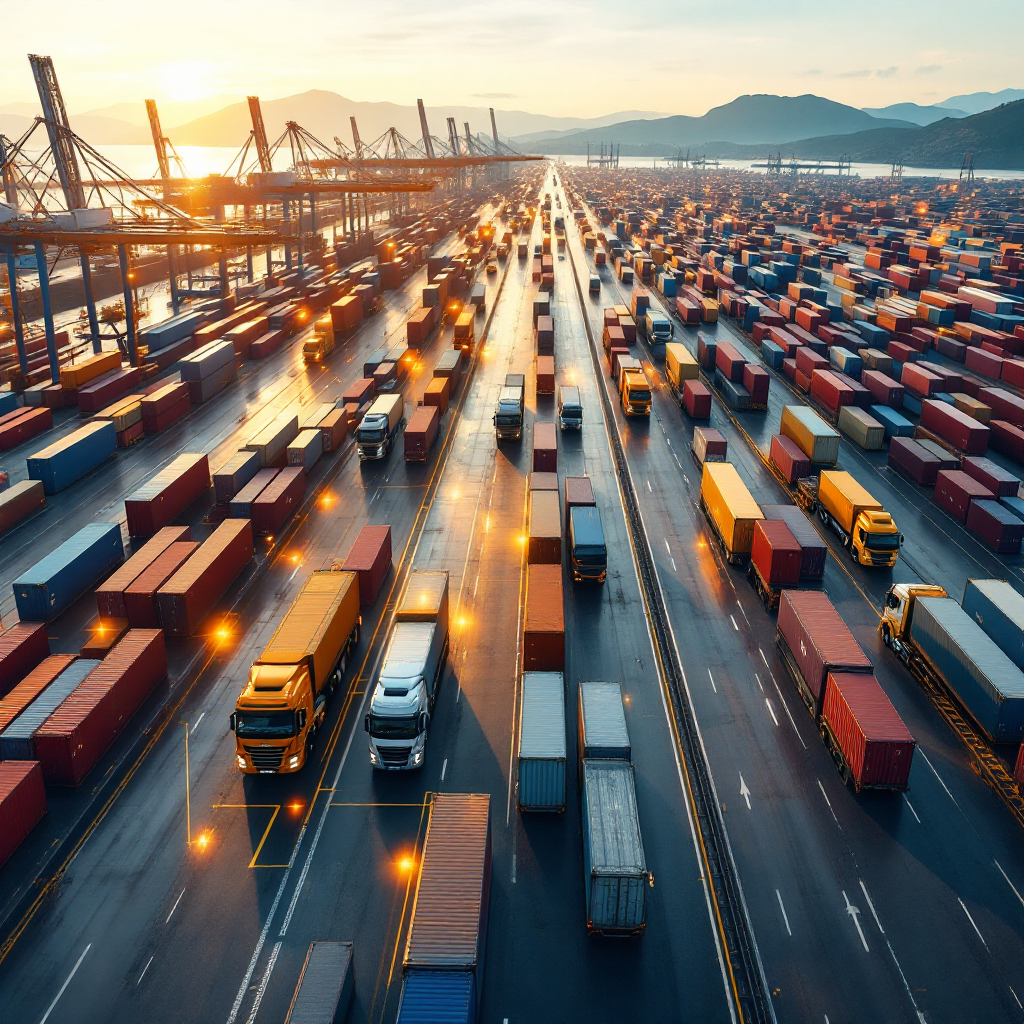
Real-time analytics let staff and systems optimize workflow. First, the system correlates truck telematics with port community system data. Next, predictive analytics identify likely delays or early arrivals. Then, staff receive alerts and can reassign cranes or shift yard management tasks to avoid idle time. As a result, appointment compliance can climb above 90% and congestion falls. A recent study found compliance rates improved from around 70–75% to over 90% with AI-enabled scheduling (paper).
Furthermore, analytics drive measurable gains in port operations. For example, terminals see higher throughput and fewer missed slots. Also, the tracking system improves container tracking from gate to yard. In addition, integration with ERP and the terminal operating system ensures that appointment scheduling aligns with vessel stowage plans and quay crane cycles. Therefore, terminals can plan loading and unloading to match gate windows. Finally, automated alerts to trucking companies reduce last-minute changes and lower detention fees for carriers and shippers.
Drowning in a full terminal with replans, exceptions and last-minute changes?
Discover what AI-driven planning can do for your terminal
Automation and Maritime Throughput: From Truck Appointment to Smarter Port
End-to-end automation of appointment bookings creates a seamless experience for carriers, drivers, and terminal staff. First, a vehicle booking system accepts inbound requests and applies business rules. Next, an AI engine refines the time slot suggestions and balances quota across carriers. Then, the terminal confirms appointments and sends appointment information to truck drivers. As a result, the number of appointments handled per hour rises. For example, case studies from automated terminals show throughput improvements of 15–25% after deployment (case study). Also, those projects reported lower queue times and smoother marine operations.
Automation extends beyond bookings. It can automate gate operations using OCR and machine vision to speed ID checks. Additionally, the system sends structured messages to the transport management system and to the port community system. This reduces manual data entry and strengthens audit trails. Therefore, teams cut time spent on repetitive communications and increase accuracy.
Key steps toward a smarter port involve human–machine collaboration and adaptive resource allocation. First, staff define rules for how AI may reschedule appointments during disruptions. Then, AI suggests reallocations such as moving a time slot or shifting a crane. Next, operators accept or override these suggestions. Consequently, the combination improves resilience without removing operator control. Finally, the move toward more automated terminals will continue to drive gains. For guidance on implementing AI-driven task allocation and yard planning, readers can explore advanced solutions for equipment scheduling and yard planning to pair AI bookings with on-dock execution AI-driven equipment task allocation.
Container Tracking and Productivity Gains at Terminal Gate
AI-powered container tracking lets terminals monitor container trucks from gate entry to yard drop. Also, combining GPS with OCR and IoT sensors creates a robust tracking system. For example, the system flags late arrivals and reroutes drivers to alternate lanes. Consequently, gate staff manage queues better and reduce truck idling. In one deployment, terminals cut truck turnaround time and observed clear reductions in queue length after AI adoption (study).
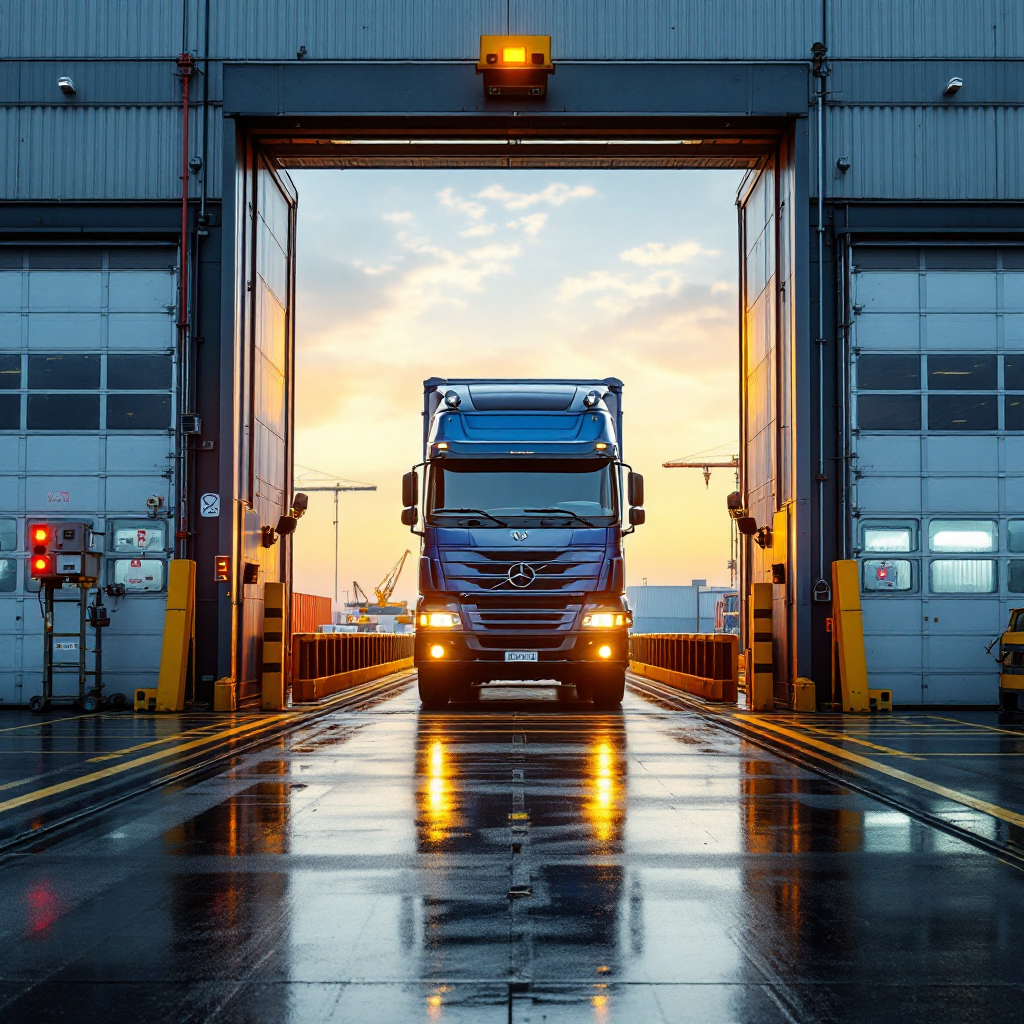
Productivity improvements at the terminal gate translate into cost savings. First, reduced idle time lowers fuel consumption and emissions. Next, optimized container handling speeds up inbound and outbound cycles. Then, terminals report operational cost savings in the range of 15–20% annually after automation and analytics improved scheduling and gate throughput (analysis). Also, smarter container tracking reduces misplaced empty container moves and lowers extra handling.
Real examples show that container trucks move through the gate in fewer steps. For instance, automated validation shortens the verification sequence and removes redundant checks. Additionally, the tracking data feeds yield insights for yard management and crane allocation. In turn, crane idle time decreases and overall container handling improves. Finally, these process changes help terminal operators measure port productivity more precisely and plan capacity upgrades where needed. For operations teams wanting to align yard planning with gate scheduling, the next-generation container terminal yard planning software describes complementary approaches next-generation yard planning.
Drowning in a full terminal with replans, exceptions and last-minute changes?
Discover what AI-driven planning can do for your terminal
Enhancing Port Productivity: Integrating Scheduling Software in Terminal Operations
Embedding scheduling software into existing systems requires careful planning and clear interfaces. First, terminals map out how appointment scheduling will interact with the terminal operating system and with ERP. Next, integration with the transport management system and the port community system ensures messages reach carriers and trucking companies. Also, a phased rollout helps staff and stakeholders test quota rules, time slot rules, and exception handling. In practice, terminals should pilot with a controlled set of carriers and gradually scale the number of appointments.
Best practices include harmonizing historical data formats and using APIs for seamless updates. Also, terminals must clean historical data and feed that into AI models for arrival prediction. For instance, using historical data and traffic inputs produces better forecasts for truck arrival windows. As a result, terminals increase appointment adherence rates to more than 90% and reduce truck wait for drivers. Additionally, offering clear interfaces for truck drivers and carriers builds trust and raises compliance. Therefore, teams handle more appointments without adding headcount.
Overcoming data integration challenges requires governance and stakeholder alignment. First, terminals agree on data schemas and on a shared API. Next, they define quotas and rules that balance carrier needs. Also, simulations validate the new settings before live traffic increases. For practical guidance, terminal teams can consult resources on digital roadmaps and operational readiness to combine booking systems with yard planning and crane schedules port digitalization roadmap and operational readiness strategies. Finally, this combined approach helps to optimize container throughput and to reduce detention fees for shippers.
The Future of Port Operations: AI, Container Terminal, and Workflow Automation
Emerging trends point to deeper AI adoption and richer human–machine interaction. First, AI will handle routine appointment scheduling and will automate standard exception responses. Next, operators will focus on strategic decisions and edge cases. Then, systems will automate more of the email and messaging flows that today cause slow responses and errors. Consequently, teams increase handling speed and accuracy.
Workflow automation will continuously improve container terminal efficiency. Also, integration with yard management, quay-crane schedules, and rail operations will support synchronized arrival windows and reduced reshuffles. Furthermore, AI systems will scale across terminals of different sizes and across regions. To do this, vendors must provide customizable models and clear governance for data sharing. Additionally, terminals will benefit from TOS-agnostic API layers that allow optimization algorithms to interface with many operating systems. Readers can explore approaches to create agnostic layers and to drive AI optimization across inland terminals TOS-agnostic API layers.
Finally, the focus will remain on measurable operational efficiency. For example, as automated terminals expand, the industry expects continued gains in throughput and lower truck turnaround time. Also, AI-guided scheduling will reduce truck queues and cut truck idling near the gate. Overall, a smarter port that links appointment scheduling, container tracking, and automated communications will deliver better service to carriers, reduce costs for shippers, and improve the performance of container terminals across the hinterland.
FAQ
What is an AI-enhanced truck appointment system?
An AI-enhanced truck appointment system uses machine learning to predict arrival windows and to assign time slots for truck access. It links bookings to yard planning and to gate operations so terminals can reduce wait times and improve throughput.
How much can AI reduce truck waiting times?
Studies show AI predictive ETA models can reduce wait times by up to 30% in some terminals (study). Results vary by implementation, but many terminals report reductions in the 20–35% range.
Do terminals need to replace existing systems to adopt AI scheduling?
No. Terminals can integrate scheduling software with current terminal operating system and ERP tools through APIs and adapters. This preserves existing workflows while adding AI-driven optimization layers.
How do carriers and truck drivers receive appointment updates?
Updates usually travel via API, SMS, email, or a carrier portal connected to the vehicle booking system and the port community system. Automating these communications reduces manual messages and increases compliance.
Can AI help reduce detention fees?
Yes. By improving appointment adherence and reducing truck turnaround, AI can cut detention and demurrage costs for carriers and shippers. Better scheduling and clear appointment information also lower last-minute changes that cause fees.
Is data quality important for AI performance?
Absolutely. High-quality historical data and consistent real-time feeds improve prediction accuracy and system trust. Terminals must clean datasets and standardize schemas to feed AI models effectively.
How does AI interact with quay cranes and yard management?
AI optimizes gate schedules and shares time slot data with yard management and crane planners to align container handling with arrivals and departures. This reduces reshuffles and crane idle time.
What role do APIs play in AI scheduling?
APIs enable real-time exchanges of appointment information, arrival updates, and yard status between systems and stakeholders. They form the backbone for integrating scheduling with operating systems and with third-party services.
Can small or mid-sized terminals benefit from AI?
Yes. Scalable AI solutions and modular interfaces allow mid-sized terminals to automate appointments and to improve throughput without full automation. Smart port strategies can suit different sizes and budgets.
This reduces manual triage, speeds responses, and ensures appointment information reaches the right stakeholder with context.
our products
 stowAI
 stackAI
 jobAI
jobAI
Innovates vessel planning. Faster rotation time of ships, increased flexibility towards shipping lines and customers.
Build the stack in the most efficient way. Increase moves per hour by reducing shifters and increase crane efficiency.
Get the most out of your equipment. Increase moves per hour by minimising waste and delays.
stowAI
Innovates vessel planning. Faster rotation time of ships, increased flexibility towards shipping lines and customers.
stackAI
Build the stack in the most efficient way. Increase moves per hour by reducing shifters and increase crane efficiency.
jobAI
Get the most out of your equipment. Increase moves per hour by minimising waste and delays.