
Port operations
Ports handle many tasks every day. Also, they move millions of TEU and manage tight schedules. Therefore, quay cranes, automated guided vehicles, and trucks form the backbone of most port activity. Additionally, cranes lift containers from vessel to shore. Next, AGVs and yard trucks carry those containers into the yard. Also, yard cranes stack containers and prepare them for pickup. For this reason, container handling must stay tightly coordinated to keep berth productivity high. The complexity of port operations rises with vessel sizes, and delays spread quickly through the supply chain.
Traditional manual assignment of work creates conflicts. For example, human dispatchers route a crane to a bay, and a truck may arrive late. Then, the crane sits idle while congestion grows. Also, resource conflicts happen when two cranes compete for the same container lane. As a result, waiting times climb, and berth productivity drops. In fact, inefficient scheduling can reduce throughput and increase vessel stay by several hours per call.
Furthermore, safety demands constant attention. Port workers and drivers share tight spaces. Therefore, mistakes in assignment risk collisions and near misses. Also, equipment failures stall operations and require quick reallocation of tasks. To address these issues, many operators now consider AI as a way to optimize resource use.
To illustrate the stakes, consider the relationship between delay and throughput. Longer vessel stays lower berth availability. Also, they ripple into terminal operations and inland transport. Consequently, port authorities and port operators must reduce idle time and speed handovers. For further reading on stacking and yard efficiency, see research on yard optimization fundamentals. Additionally, tools that predict equipment repositioning help limit non-productive moves; see predictive equipment repositioning.
Finally, operational email traffic adds friction. For instance, ops teams process dozens of emails per shift. The result is faster decisions and fewer missed handoffs between quay and yard.
ai in container terminal
AI in container terminal settings uses predictive models and live feeds. Also, machine learning models learn patterns in arrival times and equipment availability. For example, AI algorithms can forecast berth windows and predict container volumes ahead of vessel arrival. Moreover, recent studies show measurable gains when AI is applied to scheduling; for instance, South Korean projects report up to a 30% reduction in idle time and a 15% uplift in throughput. Also, Egyptian seaports that implemented smart scheduling reported improved turnaround and productivity in empirical studies.
Integration of AIS, sensor networks, and operational databases lets the ai system base decisions on real-time signals. Therefore, systems ingest AIS vessel tracks, crane telemetry, gate timestamps, and yard-stack states. Then, models produce task assignments that reduce travel distances and waiting time. Additionally, integration improves equipment resilience by anticipating equipment failures before they escalate. For safety research, see findings that show sensor fusion and prediction can reduce collision risk in autonomous maritime contexts.
Also, AI in container terminal environments connects to enterprise systems. For instance, data from ERP, TMS, and terminal operating systems feed models that suggest optimal sequencing. Next, AI can trigger staff alerts and adjust plans automatically. As a result, terminals operate with fewer manual overrides. Furthermore, AI applications enable predictive maintenance and smarter gate handling, which improves berth productivity and yard turnover.
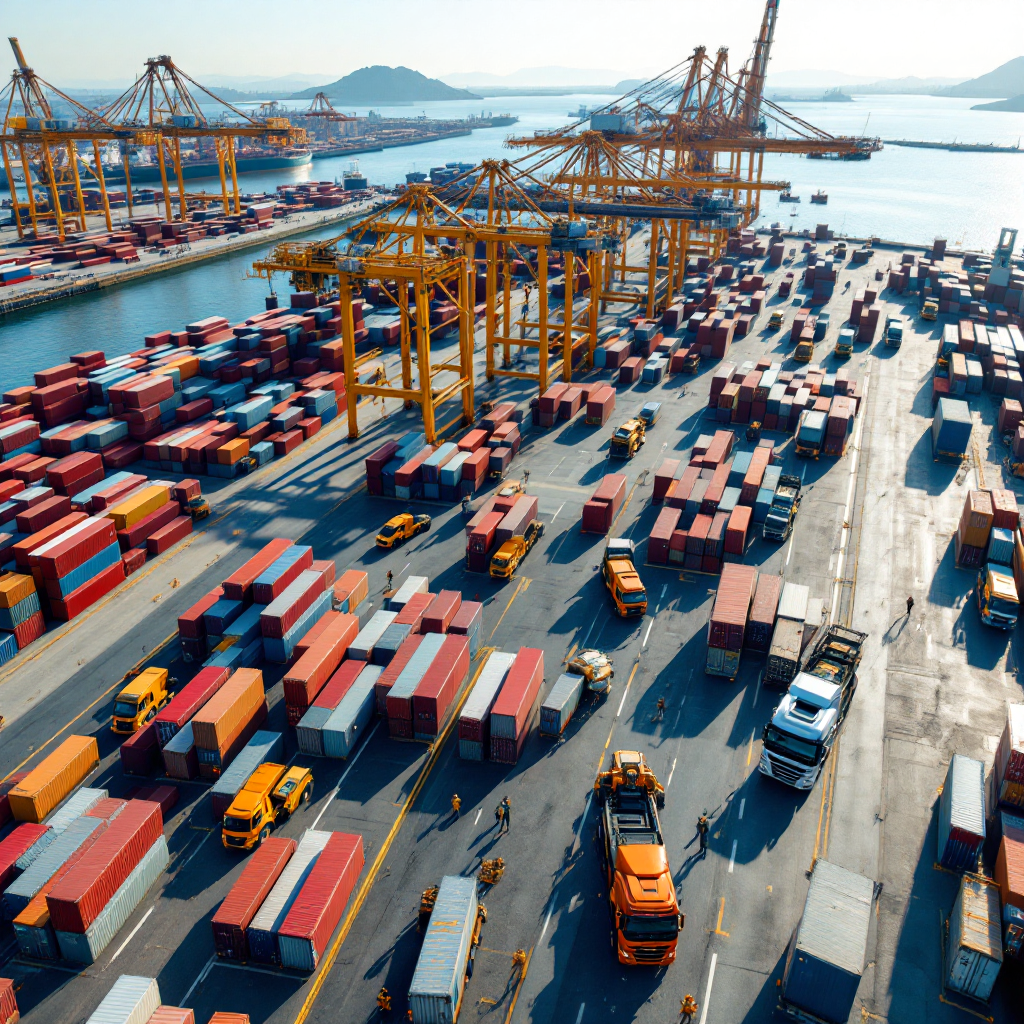
Finally, these ai solutions have broader effects on the global supply chain. For example, improved gate times ease inland transport scheduling, and overall delays fall. Also, smart ports that harness ai and machine learning can better predict modal shifts and manage yard capacity. For deeper technical approaches to yard and crane sequencing, read about crane split optimization algorithms. Moreover, for yard planning decision support, see yard planning decision support.
Drowning in a full terminal with replans, exceptions and last-minute changes?
Discover what AI-driven planning can do for your terminal
Automation and allocation
Task allocation moves from rules to dynamic optimization. Also, dynamic task-scheduling algorithms adapt as conditions change. By contrast, rule-based systems follow fixed priorities and lack flexibility. Therefore, AI-driven allocation beats static rules when traffic fluctuates. AI algorithms use reinforcement learning and constraint solvers to assign cranes, AGVs, and trucks in seconds. Also, they adjust for predicted equipment downtime and congestion. For example, algorithms to predict container volumes feed scheduling logic that minimises rehandles.
AI-driven allocation prioritises end-to-end flow. Also, it assigns work to the equipment that will complete tasks fastest. For instance, an ai system will send the nearest idle AGV to a discharge slot, if doing so shortens travel distance and avoids blocking another lane. Consequently, the system reduces empty moves and lowers fuel use. Also, ports that implemented ai showed up to a 30% decrease in idle time and a 15% increase in handling rates in pilot deployments.
Additionally, AI connects to yard controllers to synchronise container movements. Thus, transitions from quay to yard follow predicted windows. Also, allocation logic factors in crane split and tandem lifts. For more about reducing non-productive moves, see strategies on predictive equipment repositioning. Furthermore, portfolio implementations must manage interoperability between vendor systems. Today, ports and terminal teams require clear APIs and governance to allow multi-vendor coordination.
Finally, automation reduces labour overhead while improving throughput. Also, automated container handling combined with good allocation reduces wear on cranes. Meanwhile, predictive maintenance triggered by AI keeps downtime low. For those exploring broader impacts, read about safety-driven automation approaches in port contexts at authoritative reviews.
Optimize container
Optimising container placement starts with smart yard planning. Also, AI models compute stacking plans that reduce future rehandles. For example, optimize container patterns to group export boxes by carrier and destination. Next, the system labels high-turn containers to keep them near the gate. As a result, the number of repositioning moves declines. Additionally, AI identifies which stacks to use for quick retrieval and which stacks to reserve for long dwell times.
AI uses historical flows and real-time data to optimize container moves. Therefore, models predict container volumes for upcoming calls and plan space allocations accordingly. Also, they update plans based on incoming vessel delays and tug schedules. The goal is to minimize crane idle time and reduce yard crane travel. For fundamentals on yard planning, see container terminal yard optimization fundamentals. Also, automated stack shuffling can be scheduled during low-traffic windows to reduce interference with quay work.
Container stacking strategies matter. For instance, AI determines ideal stack height given handling equipment and dwell time distributions. Additionally, the system enforces container stack management rules and identifies candidates for moves. This optimize container approach cuts average gross moves per hour deficits. Also, it supports automated container terminals where machines obey precise stacking instructions. For more on reducing rehandles and improving stack policies, explore practical strategies on reducing container rehandles.
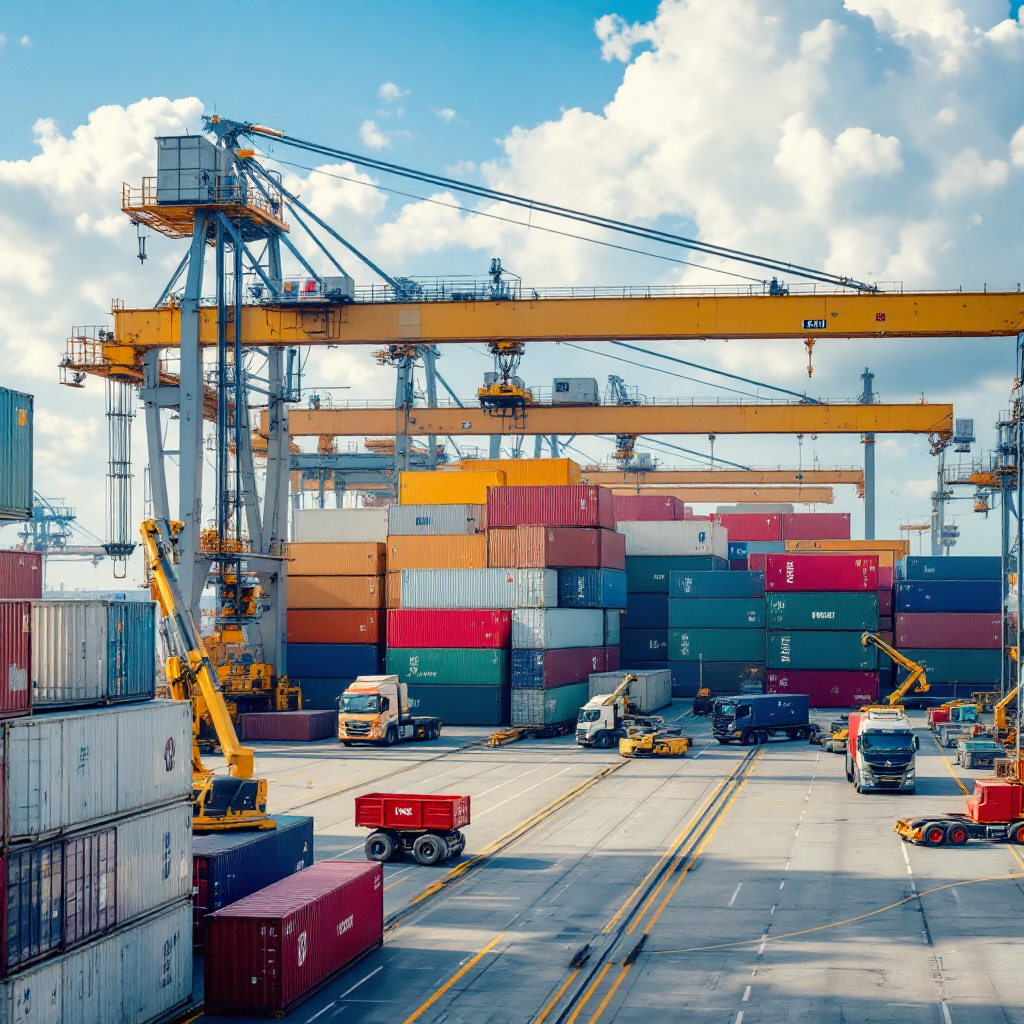
Moreover, real-time optimisation lowers idle time on the quay. Also, this affects quay productivity directly. For example, smarter container placement reduced handling cycles in pilots. Consequently, vessels leave sooner, and terminal throughput rises. Also, optimized container placement supports sustainability by reducing fuel and power consumption in moves. Finally, integrating yard and vessel planning ensures that yard decisions support quay work and that the terminal handles peaks smoothly.
Drowning in a full terminal with replans, exceptions and last-minute changes?
Discover what AI-driven planning can do for your terminal
Benefits of ai integration
AI integration in ports delivers measurable gains. Also, terminals reduce operating costs by automating routine decisions. For instance, many projects show lower labour-driven dispatch time and fewer errors in paperwork. Also, improved throughput reduces vessel demurrage and lowers operational expense. The benefits of ai include better scheduling, reduced idle times, and improved asset utilisation. Furthermore, benefits of ai integration extend to safety and maintenance.
Enhanced safety follows from predictive sensing and collision avoidance. Also, AI systems integrate sensor feeds to detect unsafe trajectories. As a result, near misses and equipment conflicts fall. Moreover, predictive maintenance flags wear before equipment failures occur, which keeps quay cranes and yard cranes online more often. Also, reduced equipment failures lower repair costs and increase service hours per asset. In total, ports improve operational efficiency and enhance safety while lowering costs.
Scalability also improves. AI-driven systems adapt to changing container volumes and vessel schedules without constant human tuning. For example, as global trade patterns change, models can retrain and adjust priorities. Additionally, AI helps ports meet sustainability goals by optimizing moves and reducing fuel use. Many smart ports now measure emissions per move to track progress. Also, digital twins and edge computing can further enable agile scaling in busy terminals.
Finally, AI integration supports better port management and decision making. Port authorities and port operators can access dashboards with what-if scenarios. Also, AI provides audit trails for planning choices and email automation to clear ownership in operations. Therefore, AI helps ports improve operational efficiency while also advancing long-term sustainability and resilience.
Future of ai
The future of AI centres on interoperability and standards. Also, ports must adopt open interfaces to allow multi-vendor coordination. For example, ensuring that quay cranes and AGVs talk through standard protocols avoids silos. Additionally, standardisation simplifies integration of ai and machine learning solutions across different equipment. Consequently, the adoption of ai at scale will accelerate as ecosystems mature.
Emerging technologies will shape next phases. Digital twins, edge computing, and autonomous vessels will all play roles. Also, digital twins let planners rehearse scenarios and test rules before committing. Next, edge compute reduces latency for safety-critical ai tasks, which is essential in busy yards. Also, combining digital twins with ai applications helps predict flows and simulate the future of container terminals. For example, pilots in major hubs explore how to predict container volumes and optimise modal splits to reduce congestion.
Standards and governance also address ethical and safety concerns. Ports must balance automation with job transition planning. Also, training programs and clear escalation rules help teams adjust. Furthermore, ports must manage cybersecurity and data sharing risks to preserve trust among stakeholders. Importantly, the potential of AI includes not only efficiency but also environmental benefits. AI is poised to contribute to efficiency and sustainability across port systems and terminal operations.
Finally, as more ports implement AI solutions, case studies such as pilots in South Korea and Egypt provide evidence. Also, initiatives in hubs like the port of rotterdam and the port of los angeles inform best practices. Additionally, implementing ai and automation will require investment and change management. However, the long-term returns include higher throughput, lower costs, and resilient maritime operations that support global trade and the global supply chain.
FAQ
What is AI-driven equipment task allocation?
AI-driven equipment task allocation uses AI to assign work to cranes, AGVs, and trucks. It uses real-time data and predictive models to reduce waiting time and travel distance. Also, it adapts as conditions change to keep throughput steady.
How does AI improve berth productivity?
AI schedules tasks to minimise idle time and avoid conflicts. Also, it predicts arrival patterns and aligns crane work with yard readiness. As a result, vessel stay reduces and throughput improves.
Are there proven benefits from AI pilots?
Yes. For example, studies show up to a 30% reduction in equipment idle time and a 15% uplift in handling rates in pilot programs (South Korea). Also, other ports reported measurable improvements after implementing smart scheduling (Egypt).
How do AI systems integrate with existing software?
AI systems connect to AIS, TOS, ERP, and sensor networks through APIs. Also, they pull gate and yard timestamps to inform scheduling. Integration of ai can be phased to limit disruption and protect existing workflows.
Can AI improve safety in the yard?
Yes. AI fuses sensor data to detect unsafe movements and recommends avoidance actions. Also, predictive maintenance reduces unexpected equipment failures that can cause hazardous situations (safety research).
Will AI replace port jobs?
AI automates repetitive tasks and augments decision making. Also, it frees staff for higher-value planning and oversight roles. Ports must invest in training to transition staff into these new roles.
How does AI help meet sustainability goals?
AI reduces unnecessary moves and optimises routing, which cuts fuel use and emissions. Also, better scheduling reduces vessel idle time, lowering the carbon footprint per container moved.
What are the barriers to widespread AI adoption?
Key barriers include interoperability, data quality, and investment costs. Also, ports must address governance and vendor integration to scale effectively.
How fast can a port see ROI from AI projects?
ROI depends on scope and readiness. Small pilots often show benefits within months. Also, larger rollouts may take longer but yield substantial gains in throughput and cost savings.
Where can I learn more about yard and crane optimisation?
For technical resources, explore yard planning and crane optimisation guides such as yard optimization fundamentals and crane split optimization. Also, predictive repositioning articles explain how to reduce non-productive moves.
our products
 stowAI
 stackAI
 jobAI
jobAI
Innovates vessel planning. Faster rotation time of ships, increased flexibility towards shipping lines and customers.
Build the stack in the most efficient way. Increase moves per hour by reducing shifters and increase crane efficiency.
Get the most out of your equipment. Increase moves per hour by minimising waste and delays.
stowAI
Innovates vessel planning. Faster rotation time of ships, increased flexibility towards shipping lines and customers.
stackAI
Build the stack in the most efficient way. Increase moves per hour by reducing shifters and increase crane efficiency.
jobAI
Get the most out of your equipment. Increase moves per hour by minimising waste and delays.