
Terminal Management System: Unlock Efficiency in Container Terminal Operations
A modern management system transforms how a terminal plans and runs daily work. It collects real-time data and then uses AI and machine learning to model container movement, stacking, and retrieval. As a result, teams can optimize yard planning and reduce delays. For example, ports that adopt digital innovation have recorded up to 20–30% faster container handling which drives clear efficiency gains. In practice, a terminal manager watches a digital twin and then tests scenarios before they hit the yard floor. The digital twin acts as a virtual copy of the yard and so lets teams simulate stress, staffing, and equipment failures without risk. A recent study explains how digital twin technology supports resilience and sustainability assessments in port facilities by modelling operations under varied conditions.
AI-driven decision-making reduces manual choices and aligns work with objectives that matter: throughput, lower dwell, and lower crane moves. Terminal operating system integration means planners and operators access the same live plan. That can reduce friction when you integrate automated stacks and human crews. Also, modern management systems include planning tools that recommend allocation for yard cranes and terminal tractors. These tools help terminal managers make fast decisions that save time and reduce costs.
The platform routes urgent events to the right person and drafts replies when needed. Hence, terminal teams handle exceptions faster and maintain planning quality across shifts. To learn how machine learning supports complex planning, see our research on machine learning use cases in port operations machine learning in port operations. Overall, a management system that blends AI, digital twin, and real-time telemetry unlocks measurable gains and improves terminal performance while keeping the yard safe and productive.
Port and Terminal: Automate and Streamline Workflow with New Software
New software ties vessel operations to the yard so work flows without stops. A terminal operating system, or TOS, coordinates quay cranes with yard cranes, AGVs, and ASCs to automate container moves. First, the discharge plan flows into the TOS and then the plan dispatches moves to equipment and operators. Next, automated guided vehicles follow scheduled routes while yard cranes place containers into precise slots. This end-to-end chain helps ports streamline the flow from vessel discharge to truck loading. Real-world projects report throughput jumps of about 25% after software and equipment upgrades investment examples across terminals.
Workflow automation reduces handoffs, cuts mis-load risk, and speeds vessel turnaround. For example, an automation system coordinates tandem lifts, cranes, and terminal tractors so moves link and delays drop. Also, a TOS can prioritize exports, segregate hazardous loads, and monitor allocation to avoid a bottleneck. Planners use software applications and planning tools to sequence moves and then adjust live to congestion. The system logs events and feeds predictive analytics so leaders spot trends and reduce repeat problems.
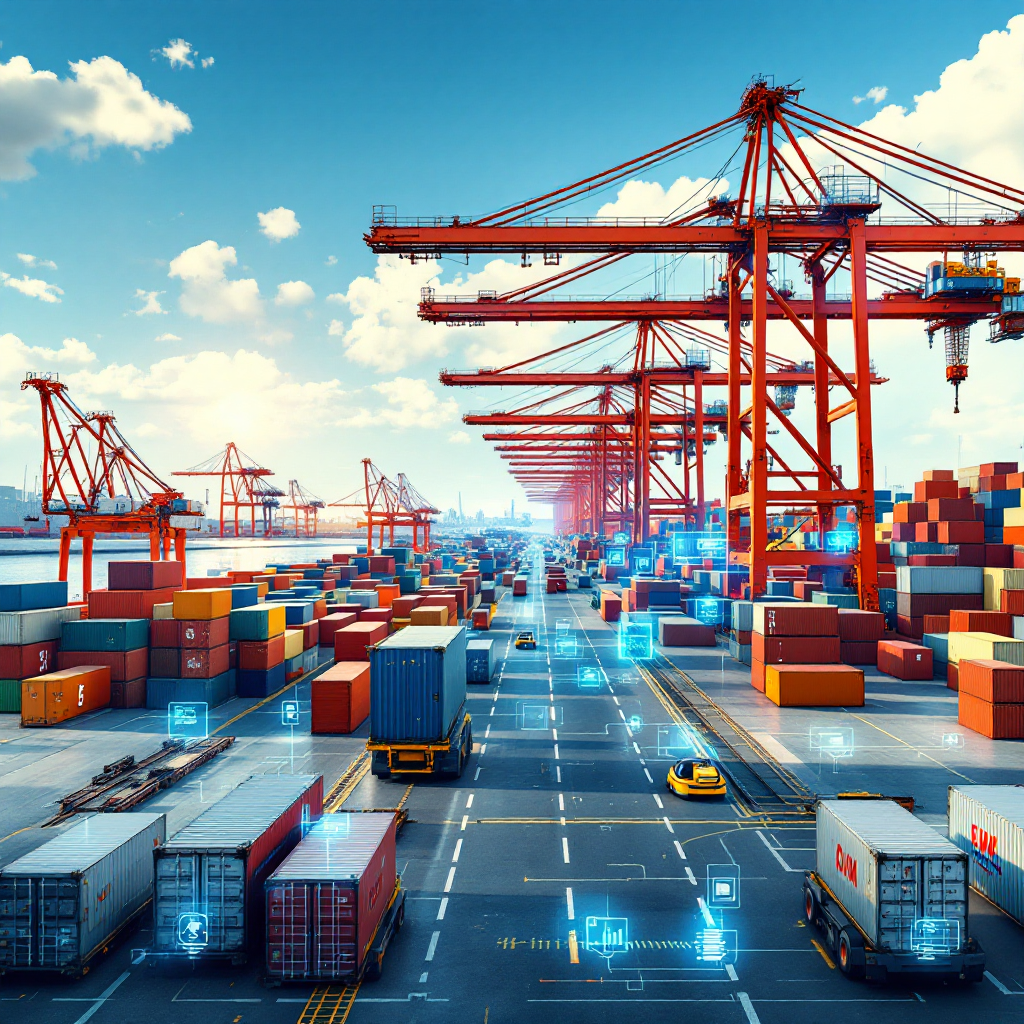
Ports combine new software with training and process design to get the most from automation. A smart port approach blends human oversight with machine speed. Terminal operators learn the interface, and managers tune business rules to match business needs. For practical guidance on reducing rehandles and improving sequencing, read our piece on strategies to reduce container rehandles in port operations reduce container rehandles. When teams plan well, the TOS and related automation help terminals achieve faster vessel planning and steady throughput while lowering operational costs.
Drowning in a full terminal with replans, exceptions and last-minute changes?
Discover what AI-driven planning can do for your terminal
Real-Time Visibility and Analytics for Yard Management
Real-time data changes how teams manage a yard. Sensors, RFID, and IoT trackers feed a dashboard that shows container locations and equipment status across the terminal. With visibility, planners can spot congestion, predict clashes, and reroute moves to prevent delays. For instance, case studies show that improved visibility cut dwell times by roughly 15% when terminals combined sensor feeds with analytics reported results. Dashboards display heat maps and timelines so staff act quickly and reduce bottleneck moments.
Operators receive alerts and suggested actions that they can accept or change. That hybrid model keeps humans in control and lets algorithms speed routine decisions. Real-time analytics also support predictive maintenance so cranes and AGVs get serviced before failures disrupt work. For a deep dive into predictive repositioning and non-productive moves, see research on predictive equipment repositioning predictive equipment repositioning. The combination of live feeds and analytics optimizes utilization of yard cranes and reduces unnecessary travel.
Visibility extends beyond the fence to the supply chain and to trucks arriving at the gate. Gate staff use container tracking to verify manifests and then route trucks to the correct lane. By linking real-time data with the terminal operating system, the plan remains consistent across teams. That closes information loops and helps terminal managers maintain terminal productivity and control throughout the yard.
Optimization of Container Yard Management with AI and Analytics
Optimization applies targeted algorithms to stacking, retrieval, and resource allocation. Machine learning models predict container move sequences, and then optimization solutions produce stacking patterns that minimize rehandles. These models also advise on allocation for yard cranes, terminal tractors, and staff. Research on smart container port development notes that AI can dynamically change stacking strategies to improve throughput and reduce crane moves AI-driven strategies. The result: terminals increase efficiency and lower costs per move.
Optimization solutions tune for utilization and operational efficiencies while respecting safety and business rules. For example, a model might separate heavy imports, prioritize quick turn exports, and place priority containers near gates. This reduces container handling and cuts truck wait time. Ports that adopt optimization modules often see an ROI within a few years because handling times fall and yard capacity increases. For detailed methods that improve stack shuffling and housekeeping, consult our guide on automated container terminal housekeeping and stack shuffling housekeeping and stack shuffling.
Advanced technology couples optimization with simulation so planners test scenarios before they charge the yard. That gives terminal managers a clear view of terminal performance under peak loads. Still, change requires staff training and phased rollouts to keep operations stable.
Drowning in a full terminal with replans, exceptions and last-minute changes?
Discover what AI-driven planning can do for your terminal
Seamless Cargo Handling and Container Tracking
End-to-end container tracking brings transparency from quay to gate. With unique IDs, RFID, and barcode scans, each container shows its status and container locations in real time. This reduces mis-loads and loss and helps customs and carriers get accurate arrival estimates. Real-time data helps gate teams and vessel planners verify loads and then update manifests. Ports that combine tracking with process automation can reduce errors and speed cargo handling during peak windows.
A terminal solutions stack that links the TOS, yard cranes, and gate systems keeps the lifecycle of a box consistent. For intermodal terminals, this means a container moves from ship to truck or rail with fewer touches and less ambiguity. The system feeds status updates to stakeholders so shippers and trucking firms plan arrival and pickup. Use cases show that real-time container status updates improve coordination and reduce dwell.
Seamlessly connecting email, operational data, and planning tools helps close the last-mile of information. That reduces manual lookup time and helps terminal operators meet service windows. Also, a clear container tracking policy supports compliance and reduces disputes about timing and condition. Overall, integrated tracking strengthens control across cargo terminals and supports a modern container handling approach that benefits carriers, shippers, and terminal operators.
Future of Container Ports: Unlock New Software and TOS
The future of container terminals points to more automation and smarter planning tools. Market forecasts expect strong growth in automated container terminal investment between 2025 and 2035 as ports modernize to match rising global trade market projections to 2035. Emerging features include autonomous cranes, green-port metrics, and deeper AI decision layers that balance speed with sustainability. Digital transformation will push ports to adopt advanced software that can scale and adapt.
New software will include optimization modules for emission-aware planning, and it will support resource planning across the supply chain. To see methods for decarbonization and operational change, consult our research on decarbonization strategies for port operations decarbonization strategies. Integration with legacy systems remains a real challenge, and vendors must plan staged migrations, API gateways, and staff training to keep operations safe and productive. Training programs for terminal managers and operator crews must cover new interfaces and exception handling so teams keep control as systems automate routine work.
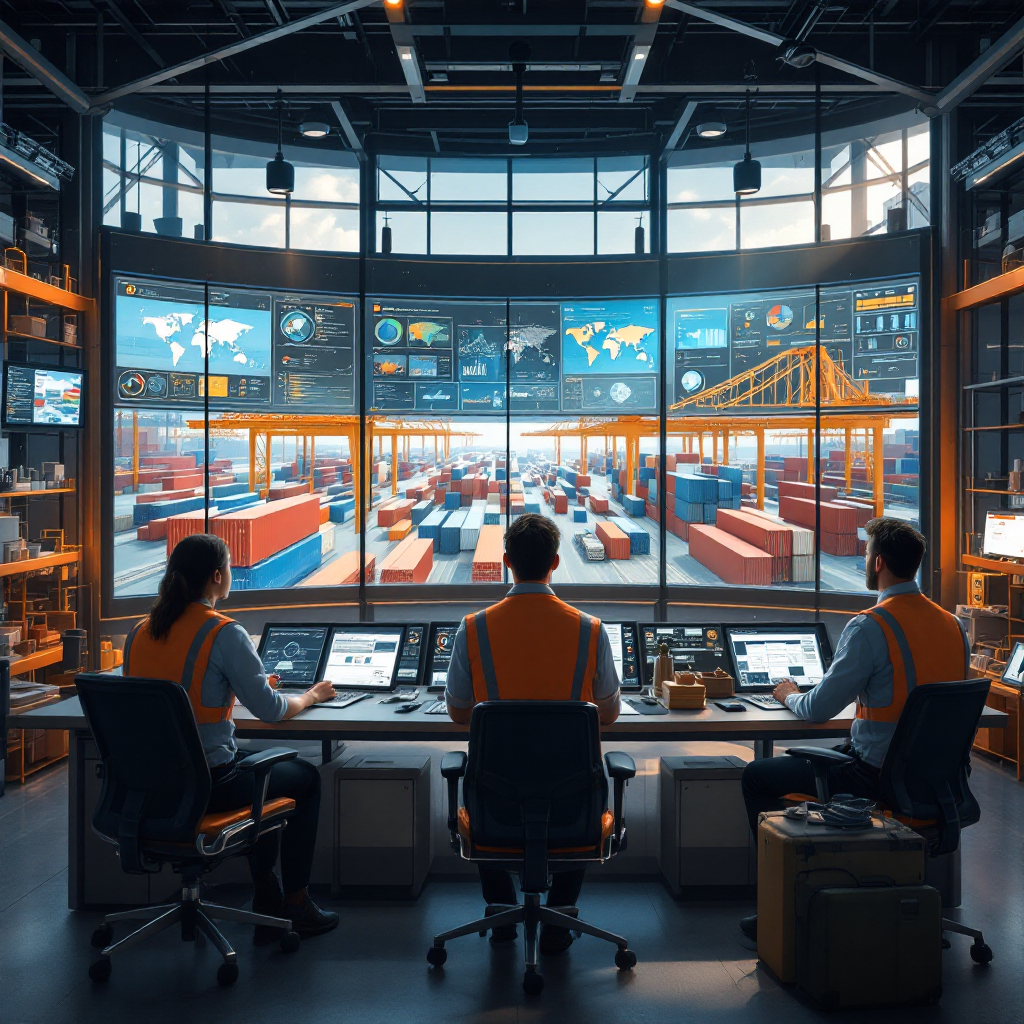
Finally, ports gain a competitive advantage when they pair technology with process and people. Strategic planning and software development should focus on measurable KPIs like throughput, utilization, and reduce costs. As Dr. Maria Jensen explains, “The integration of AI and digital twin technologies in yard planning software is transforming container terminals into smart, adaptive ecosystems” source. To prepare, terminals should assess current systems, pilot next-generation modules, and build a roadmap that includes change management, training, and clear performance targets. That approach will help container ports deliver safer, greener, and faster services in the years ahead.
FAQ
What is yard planning software and why does it matter?
Yard planning software coordinates container placement, retrieval, and equipment schedules across a terminal. It matters because better plans reduce rehandles, speed vessel turnaround, and improve terminal productivity.
How does a terminal operating system (TOS) interact with automated equipment?
A TOS sends move orders to AGVs, ASCs, and yard cranes while receiving status and location updates. This two-way link ensures the physical actions reflect the digital plan and that planners can adapt to live conditions.
Can AI really improve terminal throughput?
Yes, AI predicts container movement patterns and then recommends stacking and retrieval sequences that cut unnecessary moves. Ports using AI and digital tools often record significant throughput gains and faster container processing.
What sensors enable real-time visibility in a yard?
RFID, GPS trackers, gate scanners, and IoT sensors on cranes and vehicles provide the core inputs. These feeds populate dashboards and power alerts that keep teams informed and responsive.
How do digital twins support terminal decision-making?
Digital twins mirror the yard and let teams run simulations before applying changes in the real world. They reveal stress points, test allocation rules, and validate planning choices without disrupting operations.
What steps help integrate new software with legacy systems?
Start with API gateways, phased rollouts, and data mapping. Also, train staff early and keep manual fallbacks while the new software stabilizes so operations remain continuous.
How does container tracking reduce mis-loads and disputes?
Tracking creates an auditable trail of container locations and status updates that stakeholders can reference. This transparency reduces paperwork errors and clarifies responsibility during handoffs.
What ROI can terminals expect from optimization modules?
ROI varies by scale and baseline performance, but many terminals recover costs within a few years through reduced handling times and better yard utilization. Case studies and market reports show measurable efficiency improvements.
How should terminals prepare staff for increased automation?
Combine technical training with scenario drills and clear escalation paths. Encourage operators to learn new interfaces and to trust system recommendations while keeping human oversight for exceptions.
Where can I learn more about advanced planning techniques for terminals?
Explore technical articles and practical guides that cover stacking algorithms and predictive repositioning. Our resources include studies on machine learning in port operations and optimization guides for yard crane scheduling from industry specialists.
our products
 stowAI
 stackAI
 jobAI
jobAI
Innovates vessel planning. Faster rotation time of ships, increased flexibility towards shipping lines and customers.
Build the stack in the most efficient way. Increase moves per hour by reducing shifters and increase crane efficiency.
Get the most out of your equipment. Increase moves per hour by minimising waste and delays.
stowAI
Innovates vessel planning. Faster rotation time of ships, increased flexibility towards shipping lines and customers.
stackAI
Build the stack in the most efficient way. Increase moves per hour by reducing shifters and increase crane efficiency.
jobAI
Get the most out of your equipment. Increase moves per hour by minimising waste and delays.