
executive Brief on port automation in Modern Terminals
Port automation reshapes how ports handle cargo and move ships. It covers AGVs, automated stacking cranes, AI controls, and connected sensors that automate repetitive tasks. Today, many ports face rising container volumes and ageing infrastructure. They also face labour shortages and tight environmental targets. These pressures make automation a sensible route for long-term development and resilience.
Market drivers are clear. Global trade keeps growing and container handling demands scale with it. Ports need to increase throughput while reducing delay and congestion. Labour shortages push terminal managers to redesign work. Environmental targets force operators to cut emission and fuel use. As a result, investment in automation grows across greenfield projects and brownfield upgrades.
High-level ROI outlook supports more investment. Automated terminals report throughput and productivity gains that justify the upfront cost. For example, automated terminals have shown throughput increases up to 20–30% without proportional labour increases (ITF). In some cases, integration of AGVs, ASC, and AI-driven control shortens payback to 3–5 years. Other studies place typical payback around 5–10 years depending on scale and scope (PortTechnology). Port authorities must compare these returns with the large initial asset and infrastructure spend. They must also factor in indirect gains like fewer accidents and reduced insurance costs.
To determine the current status of any port project, stakeholders should capture baseline metrics before work begins. Then they can assess throughput, labour cost, and downtime after automation. This approach gives transparent measures of benefits of automation and helps boards decide whether an investment is worthwhile. For more on vessel planning and AI-driven planning, see our deep dive on vessel planning explained.
automation Technologies and How They automate Workflows
Core automation technologies include automated guided vehicles (AGVs) and automated stacking cranes (ASCs). AGVs move containers between quay and yard without human drivers. ASCs handle stacking tasks with consistent precision. Together they reduce manual handling and make operations run with fewer interruptions. Many terminals add automated gates and truck appointment systems to streamline truck flow and reduce gate queue delays.
AI-driven process control layers add capability to coordinate quay, yard, and gate operations. Real-time analytics and reinforcement learning can optimize crane schedules and reduce rehandles. Loadmaster.ai uses RL agents that learn via a digital twin to optimize stowage and yard placement, which reduces driving distance, balances workload, and increases crane moves per hour. This method differs from models that only copy the past; it creates policies that adapt to changing vessel mixes and disruptions. For a technical primer on AI integration and low-latency data, read our material on low-latency data processing.
Integration with terminal operating systems is essential. A TOS must share real-time data such as container location, truck ETAs, and crane status. APIs and EDI links let automation systems exchange instructions. Seamless integration across existing infrastructure avoids double work and reduces manual processes. For brownfield ports, phased implementation helps minimize disruption. For example, a terminal may pilot AGVs on one berth while keeping manual operations elsewhere. That phased implementation lowers risk and gives terminal operators time to train the workforce.
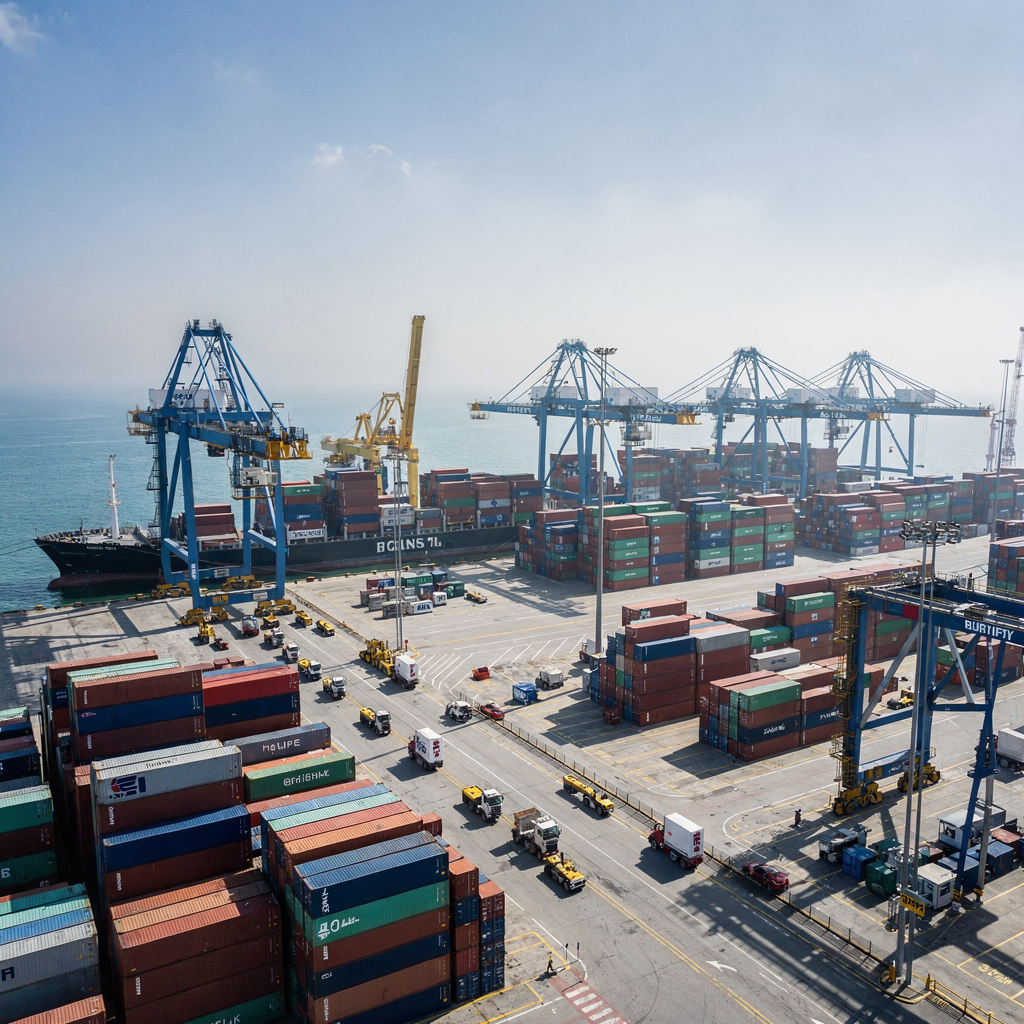
To implement automation successfully, teams must map workflows, test algorithms, and run pilots that measure productivity and delay reductions. For deeper reading on integrating rule-based planning with AI optimization, see our article on from rule-based planning to AI optimization. Integration and testing ensure that automated systems increase throughput while keeping operations smooth and predictable.
Drowning in a full terminal with replans, exceptions and last-minute changes?
Discover what AI-driven planning can do for your terminal
Measuring roi: Core Metrics and Data Insights
Measuring ROI requires clear, reliable metrics. Start with throughput and moves per hour. Many automated terminals record throughput gains of 20–30% while keeping labour costs steady (ITF). Use those measures to calculate additional revenue from reduced vessel time and faster turnaround. Next, track labour-cost reductions. Automation can cut labour spend by 30–50% depending on scope and workforce strategy (Nuco Logistics).
Safety-related savings also appear in ROI models. Fewer accidents, less damage to containers and equipment, and lower insurance premiums reduce indirect costs. These savings are harder to quantify, but they matter. Energy and environmental metrics matter too. Automated equipment often optimizes routes and idles less, which reduces fuel consumption and emission. PortTechnology notes that AI-driven systems can help meet environmental targets and improve operational sustainability (PortTechnology).
Look at payback timelines. Initial investments can range from tens to hundreds of millions. Research shows projects from $100 million to over $500 million for large terminals (Research & Metric). Typical payback falls between 5 and 10 years, although some projects recover costs within 3 years. Use a multi-year cash-flow model and stress-test for low-throughput scenarios. Include operational metrics such as downtime, idle equipment hours, and truck turnaround time. Add real-time data and monitoring to track performance. Real-time data feeds help teams respond to delays and adjust schedules quickly. That monitoring reduces delay and keeps service levels high.
Finally, include qualitative measures. Stakeholder satisfaction, workforce stability, and strategic capability to scale matter. These affect long-term value even if they do not appear in the initial return on investment calculation. Use dashboards that combine KPIs and allow terminal managers to optimize daily execution and long-term planning.
Unlocking gain: Cost Savings, Safety and Sustainability
Automation drives direct cost savings in labour, fuel, and maintenance. When cranes and AGVs operate with fewer idle cycles, terminals burn less fuel. When planning and execution improve, rehandles drop. That reduces wear on equipment and cuts maintenance cost. One automated terminal reported a 25% productivity boost and a 40% reduction in operational labour costs within three years (ITF). Such gains translate into real cost savings that justify initial investment and ongoing development.
Safety gains also unlock financial value. Automated systems reduce human exposure to hazardous tasks and lower accident rates. This improves claim histories and often reduces insurance premiums. Over time, fewer incidents mean lower indirect costs and better workforce retention. Engaging labor representatives early helps align safety goals with workforce transition plans and keeps social risk low.
Environmental benefits also matter. Optimized routing and reduced idling cut emission and fuel use. A smart control layer can shift work to low-emission periods or to electric equipment where available. These moves support regulatory compliance and can attract commercial incentives. For ports aiming to make ports greener, automation is a practical route to lower carbon intensity and better environmental performance.
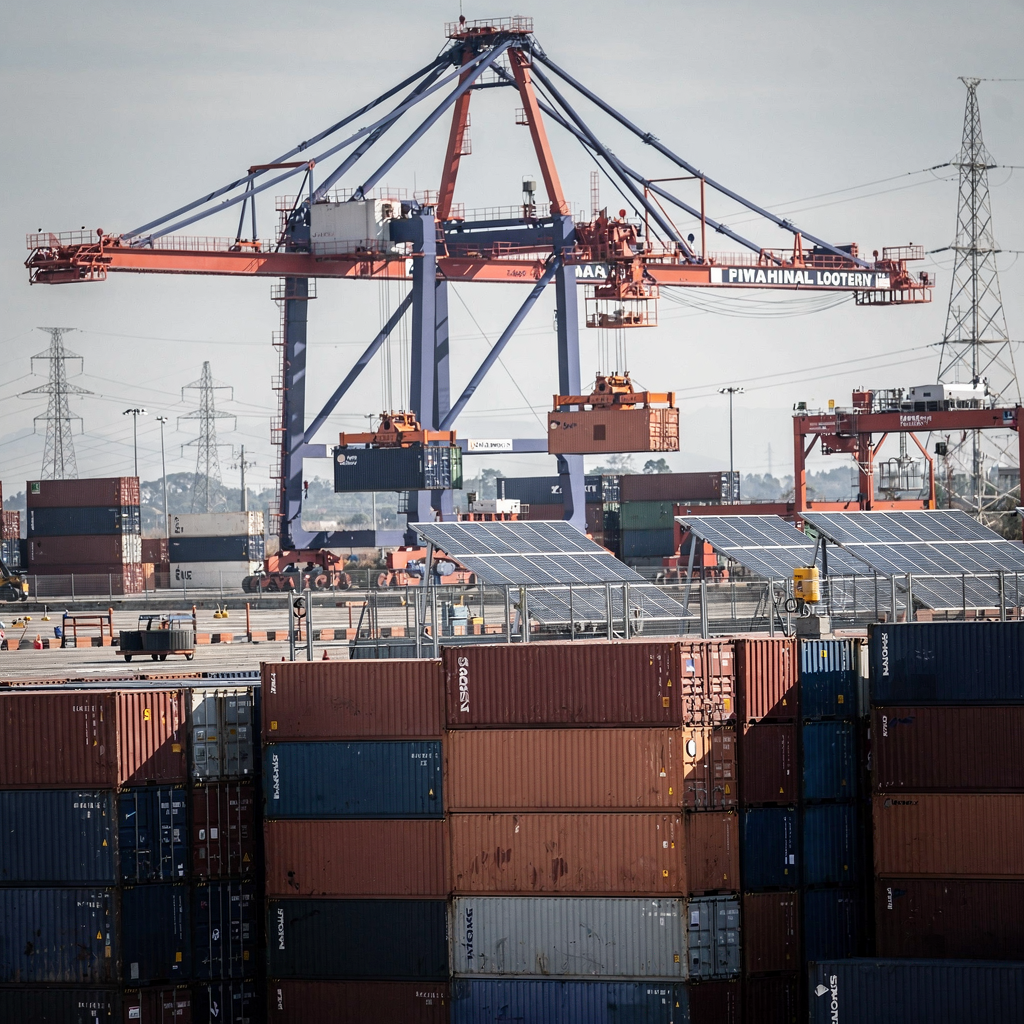
Case studies make the benefit concrete. The cited terminal achieved measurable productivity and labour reductions within three years. To unlock similar gains, terminals should combine technology, workforce planning, and continuous improvement. Tools that simulate operations and train AI agents can accelerate outcomes. For example, simulation-first AI lets operators test policies without risking live operations. That approach reduces the chance of costly disruption during implementation and helps deliver stable performance across shifts.
Drowning in a full terminal with replans, exceptions and last-minute changes?
Discover what AI-driven planning can do for your terminal
port development and Integration Best Practices
Phased rollout reduces risk for both greenfield port and brownfield projects. Start with pilots on a single berth or yard block. Then expand once metrics show improvement. Phased implementation gives teams time to iron out integration issues and to train the workforce. It also keeps service levels steady and lowers the chance of severe disruption.
Stakeholder engagement is essential. Include terminal operators, labor representatives, truck drivers, and regulators in planning. Early consultation reduces resistance and speeds adoption. Training programs help the workforce adapt and maintain institutional knowledge that often matters as much as technology.
Technical integration requires care. Automation must integrate with existing infrastructure and the TOS. APIs and real-time telemetry are standard tools. Integration across supply chain partners reduces handoff delays. For guidance on interfaces and data exchange, review our piece on interfaces for data exchange with existing TOS. Also consider low-latency and PLC-integrated AI patterns for improving equipment responsiveness (equipment responsiveness).
Risk-management measures must include realistic budgeting and contingency planning. Account for hardware lead times, software tuning, and workforce transition costs. Set measurable KPIs before go-live and maintain monitoring during ramp-up to spot congestion or unexpected delay. Standardization of protocols helps when multiple vendors participate. Finally, pick vendors that support TOS-agnostic integration and that can simulate performance before implementation. This approach helps determine the current status of readiness and makes the roll-out smoother.
executive Strategies for ROI in automation Projects
Board-level approval needs clear criteria. Present multi-year financial models that include direct cost savings and indirect value such as safety and environmental gains. Highlight how automation improves operational resilience and agility. Show scenarios for high and low throughput to stress-test ROI. Consider blended funding models that combine capital budgets, grants, and private investment. These models can reduce the financial burden on a single stakeholder and spread project risk.
Strategic benefits matter beyond cost. Automation creates data-driven planning capability that helps ports adapt to changing vessel mixes and disruption. It enables predictable service levels and makes ports more attractive to shipping lines and cargo owners. As McKinsey notes, “automation, if implemented and configured appropriately, can transform ports into highly reliable and flexible logistics hubs that direct predictable physical flows and use extensive data and advanced analytics to buffer the many variables in transportation networks” (McKinsey).
Performance monitoring needs to be continuous. Use KPIs, dashboards, and real-time monitoring to spot issues early. Track moves per hour, crane utilization, truck turnaround, and downtime. Run regular reviews that include terminal operators and IT teams. Continuous improvement cycles should tune algorithms, adjust schedules, and refine rules to keep performance optimal.
Finally, prioritize projects that yield quick operational gains and then scale. Start with areas where automation can reduce delay and congestion quickly. Use simulation-first approaches to test policies and to train AI agents in a sandbox before go-live. Loadmaster.ai offers RL solutions that train in a digital twin and deploy with guardrails, which can reduce rehandles and shorten driving distances. This risk-aware execution helps unlock measurable gains and accelerate payback for the investment.
FAQ
What is port automation and what does it include?
Port automation refers to systems and processes that automate cargo handling, equipment movement, and data flows. It includes AGVs, automated stacking cranes, automated gates, and AI-driven control layers.
How quickly can a terminal see ROI from automation projects?
Payback timelines vary. Many projects return value in 5–10 years, while some report payback in as little as 3 years depending on scale and scope (PortTechnology). Results depend on throughput, costs, and execution quality.
Which metrics should ports use to measure success?
Measure throughput, moves per hour, crane utilization, truck turnaround time, and downtime. Include safety incidents and energy use too. Dashboards that combine real-time data with historical trends give clearer insight.
How do automation projects affect the workforce?
Automation changes job roles rather than only eliminating tasks. It shifts focus toward supervision, maintenance, and exception handling. Early engagement with labor representatives and training programs eases the transition.
Can automation reduce emissions at a terminal?
Yes. Optimized routing and reduced idling cut fuel use and emission. Combined with electrification, automation helps terminals meet environmental targets and lower operating costs.
Is it better to build a greenfield port or upgrade an existing terminal?
Greenfield projects allow clean-sheet design for automation, which can lower complexity. Brownfield upgrades work too but need careful integration with existing infrastructure. Phased implementation reduces risk for brownfield work.
What role does AI play in optimizing terminal operations?
AI coordinates quay, yard, and gate schedules and can optimize stowage to reduce rehandles. Reinforcement learning agents, for example, can learn policies in simulation and adapt to changing vessel mixes, improving consistency across shifts.
How important is integration with a Terminal Operating System (TOS)?
Integration is critical. A TOS supplies container location and movement data that automation systems need to operate. APIs and EDI help create seamless exchanges and reduce manual processes.
What are common risks during implementation?
Risks include underestimating costs, technical integration challenges, and workforce resistance. Contingency planning and phased rollouts mitigate these issues and reduce disruption during ramp-up.
How should a board evaluate a port automation investment?
Boards should assess multi-year cash flows, direct cost savings, and strategic benefits like resilience and competitiveness. They should also require clear KPIs, pilot results, and contingency plans before approving capital expenditure.
our products
 stowAI
 stackAI
 jobAI
jobAI
Innovates vessel planning. Faster rotation time of ships, increased flexibility towards shipping lines and customers.
Build the stack in the most efficient way. Increase moves per hour by reducing shifters and increase crane efficiency.
Get the most out of your equipment. Increase moves per hour by minimising waste and delays.
stowAI
Innovates vessel planning. Faster rotation time of ships, increased flexibility towards shipping lines and customers.
stackAI
Build the stack in the most efficient way. Increase moves per hour by reducing shifters and increase crane efficiency.
jobAI
Get the most out of your equipment. Increase moves per hour by minimising waste and delays.