
terminal operating system and container terminal operating system essentials for port operations
First, define the core. A terminal operating system manages workflows inside a terminal. It schedules vessel calls, controls yard allocation, and handles gate processing. A container terminal operating system is the focused variant that serves container terminals. It maps container stacks, plans stowage, and tracks moves across quay, yard, and gate. Next, core modules matter. Typical core modules include vessel planning, yard management, gate handling, and stowage planning. These modules form a single control surface for daily work. They also record operational data that supports KPI tracking and reporting.
For operator teams, a terminal operating system or container terminal operating system gives tools to optimize resource allocation and minimize turnaround. Vessel planning determines berth windows and crane assignments. Yard management places containers to reduce rehandles. Gate handling automates check-in and documentation. Stowage planning ensures moves are executable and safe. In practice, these modules support throughput and keep cargo moving. They also shape how terminals can achieve throughput goals under shifting demand.
Key performance indicators focus activity. Vessel berth days measure time at berth. Moves per hour show crane productivity. Equipment utilisation highlights idle time and peak loads. Planners watch allocation metrics and throughput to spot bottleneck risks. When a TOS integrates with real-time feeds it improves visibility. That visibility enables faster decision-making. Real-time data from the quay and yard reduces guesswork. It helps operator teams respond to disruption and balance workloads. Our company, Loadmaster.ai, applies AI to augment vessel planning and yard strategy. We train agents in a digital twin so that planners get policies that optimize multiple KPIs. For deeper reading on vessel planning and how a TOS links to vessel plans, see our explanation of container terminal vessel planning.
Finally, design matters. A flexible TOS supports APIs and EDI for external connectivity. That connectivity links the terminal to shipping lines, customs, and port community systems. That linkage reduces manual operations and improves transparency. For terminals seeking to measure improvement, some report up to a 30% improvement in container handling efficiency. This statistic shows why investing in a modern terminal operating system pays off. In practice, well-integrated systems help reduce rehandles and stabilize performance across shifts.
integration, data integration and connectivity: leveraging AI in tos
Integration defines how a TOS communicates with the outside world. First, common interfaces include electronic data interchange and RESTful interfaces. For example, electronic data interchange remains the backbone of many port messages. It sends container bookings and customs declarations in standard formats Electronic Data Interchange is the invisible engine behind modern port operations. Next, modern terminals add APIs for flexible connections. Application programming interfaces provide low-latency endpoints for status updates and commands. In addition, communication and data follow agreed protocols to avoid data silos and ensure smooth data flow.
Data integration is central to real-time container tracking and customs processing. Real-time data from RFID, GPS, and crane telemetry feeds a TOS. That real-time data supports automated gate decisioning and faster cargo release. To support this, terminals often use port community systems to exchange messages with shipping lines and customs. These port community systems unify messages so stakeholders share the same view. This design reduces duplicated effort and improves transparency across the supply chain.
Connectivity also enables AI use. AI models provide predictive scheduling, anomaly detection, and automated alerts. For instance, predictive berth tools forecast arrival windows and free up quay space. They give planners time to rearrange allocations before delays hit. AI also detects outliers in container movements and flags potential disruption early. Loadmaster.ai applies reinforcement learning to train agents that plan stow and schedule jobs. These agents run within the TOS ecosystem and automate decisions while respecting operator rules. They improve allocation and reduce rehandles without requiring years of historical data.
Quantitative benefits are measurable. Real-time connectivity and API integrations can reduce gate time by about 20–25%. In addition, combined EDI and API integration has driven up to 30% handling efficiency gains. These figures show the value of robust integration. However, integration challenges exist. Legacy systems often resist change. Therefore, careful mapping, middleware, and phased rollout reduce risk. For an applied view on detecting hidden capacity and aligning AI to terminal constraints, read our case on identifying hidden capacity with AI.
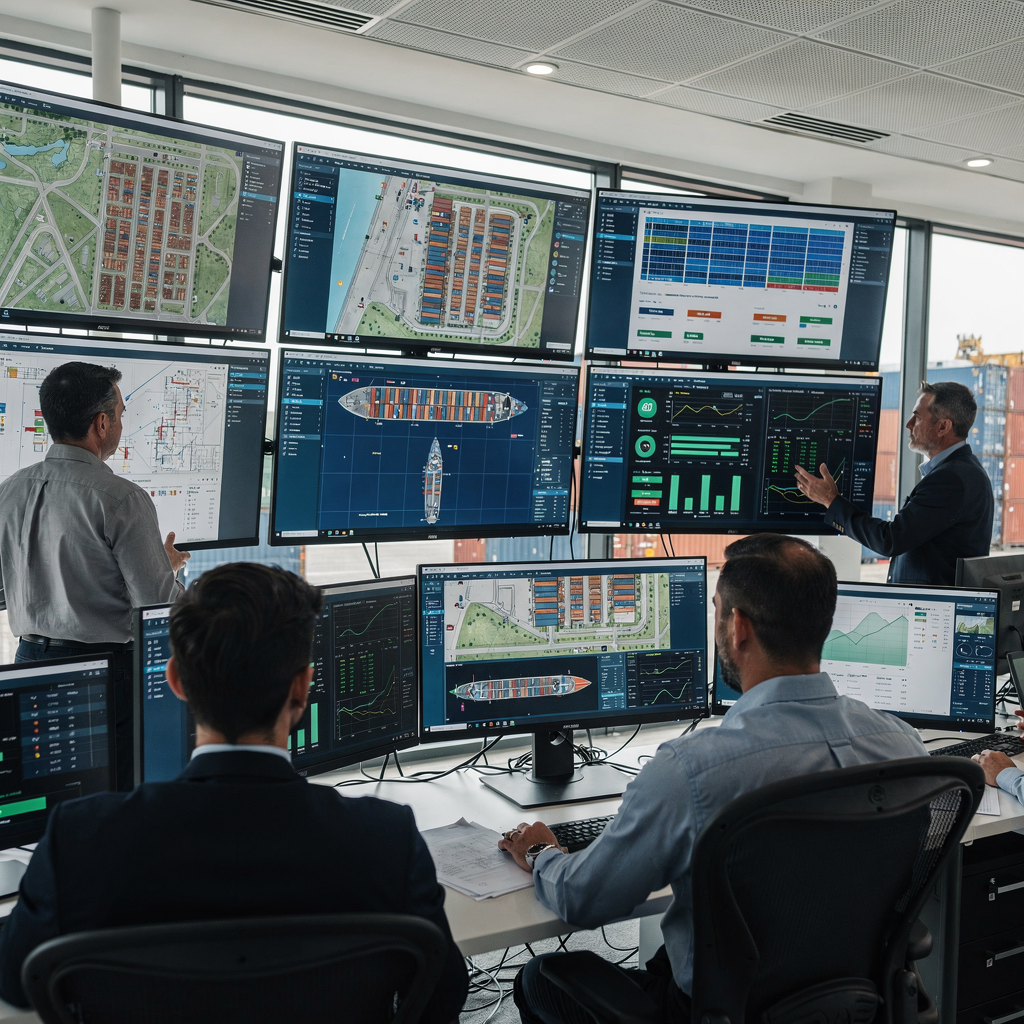
Drowning in a full terminal with replans, exceptions and last-minute changes?
Discover what AI-driven planning can do for your terminal
smart port and smart port digitization in ecosystem development for container terminal
Smart port is a concept that links technology, partners, and processes across the port and terminal. First, smart port digitization follows stages. Early stages focus on digitizing documents and reducing manual operations. Next stages connect systems via APIs and EDI. Later stages integrate IoT, predictive analytics, and coordinated scheduling. The smart port concept expands to an ecosystem that includes customs, shipping lines, freight forwarders, and port community systems. Each stakeholder contributes data streams that the terminal uses to optimize operations.
Building an ecosystem requires governance and shared standards. Port community systems act as the hub for message exchange and common rules. They reduce friction and enable real-time data sharing with external systems. In practice, this means customs can clear cargo faster. Shipping lines and freight forwarders receive predictive ETAs and berth windows. The result is higher throughput and less gate congestion. For a wide view on digital transformation and the role of port community platforms, see the chapter on digital transformation in port economics The Digital Transformation of Ports.
IoT devices, RFID tags, and sensor networks feed modern data into TOS. Sensors report container temperature for reefers and location for dry boxes. Telemetry also reports machine health for cranes and AGVs. This connectivity and data enable proactive maintenance and smoother handovers. In addition, smart port technologies let terminals optimize container flows across the yard and quay. For example, the Port of Rotterdam has built a broad digital ecosystem. The port connects stakeholders to improve performance and reduce dwell time. Its collaborative approach shows how a shared platform supports transparency and reduces duplication.
Finally, the ecosystem must protect sensitive data. Cybersecurity guidelines for ports recommend layered defenses and message encryption IAPH Cybersecurity Guidelines for Ports. These measures protect both operational data and commercial information. For terminals that want to automate and coordinate across the ecosystem, a clear integration strategy reduces data silos and improves decision-making. To explore how AI reduces congestion and improves scheduling in operational contexts, see our work on solving terminal operations congestion with predictive analytics.
logistics and maritime best practices to streamline operations
First, align TOS workflows with broader supply chain processes. Integration across systems reduces touchpoints and speeds cargo release. Second, use maritime standards to ensure message interoperability. Standards such as UN/EDIFACT and GS1 keep message formats consistent. For example, using electronic data interchange reduces errors when moving bookings and manifests between stakeholders EDI in Terminal Operating Systems. Also, ISO 28000 supports supply chain security and helps manage risk for cargo and terminals.
Best practices include robust data mapping and automated validation. When data flows move between systems, format translation and schema checks matter. Automated validation rejects malformed messages early. That reduces manual fixes at the gate and prevents bottleneck formation. Also, keep a canonical data model inside the TOS so that incoming messages map directly to operational records. This design reduces duplicate entry and improves transparency for stakeholders.
In addition, apply tested workflow patterns. For example, use automated pre-arrival checks to clear containers before gate arrival. This approach cuts wait times and lowers congestion. Use data enrichment to attach container handling instructions, hazardous goods flags, and temperature profiles to each booking. That extra data helps operations prioritize container moves and protect reefers. When terminals align processes like this, they reduce rehandles and improve throughput. The result is better use of cranes and reduced travel distances for equipment.
Finally, monitor KPIs closely. Best practices include measuring moves per hour, gate throughput, and dwell time. Dashboards that combine TOS metrics with telemetry and EDI feeds provide real-time visibility. They also help teams respond to disruption. For practical case studies on measuring ROI and improving equipment scheduling, review our pieces on measuring ROI of AI and AI-based equipment pool optimization. These resources show how better data sharing and automation lead to stable, repeatable gains.
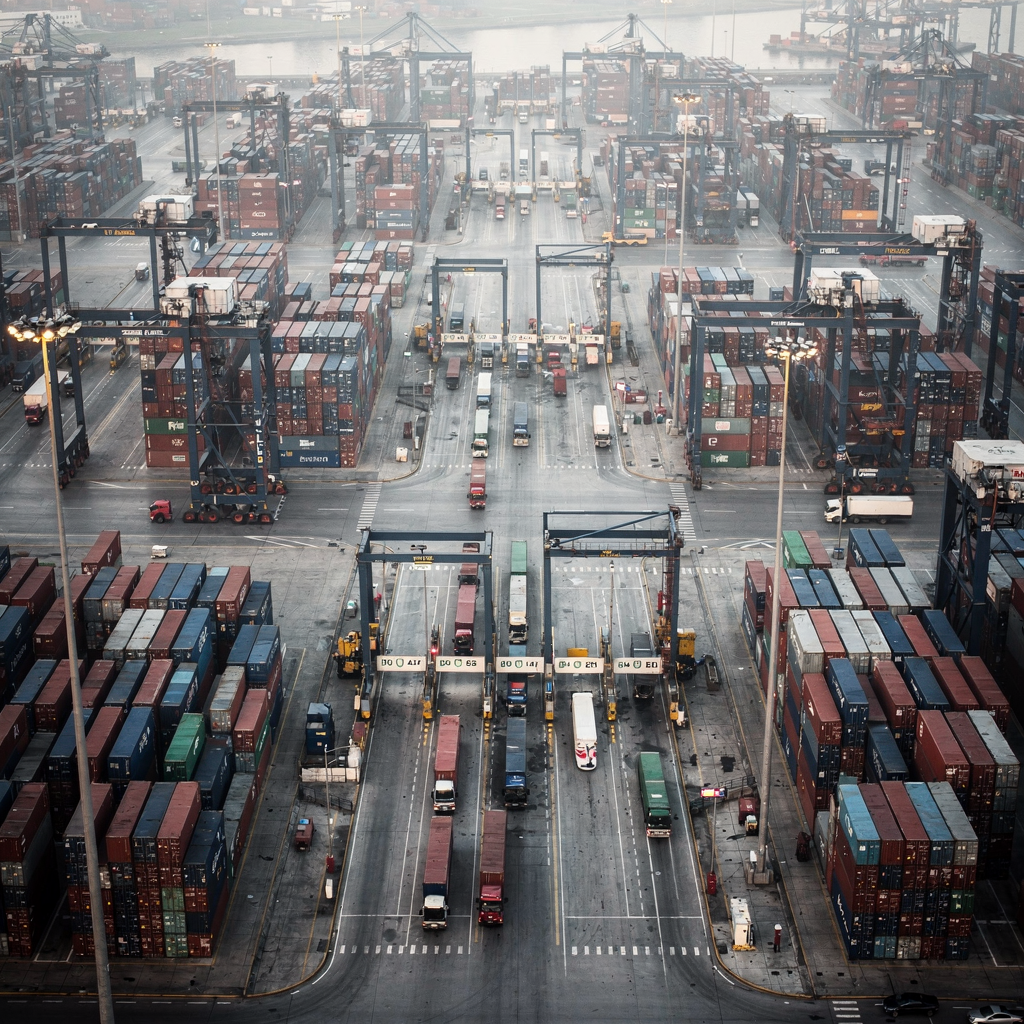
Drowning in a full terminal with replans, exceptions and last-minute changes?
Discover what AI-driven planning can do for your terminal
real-time container insights through terminal operating strategies
Real-time container insights come from multiple feeds. GPS, RFID, and telematics stream location and condition data into the TOS. This real-time container visibility supports dynamic decisions at the quay, yard, and gate. For reefers, telematics report temperatures and setpoints. For dry boxes, RFID and GPS provide live location. With these inputs, the TOS can prioritize container moves to protect cargo and optimize equipment use.
Terminal operating strategies depend on automation and adaptive planning. Workflow automation reduces manual queues and enforces rules. Predictive equipment maintenance uses sensor data to avoid breakdowns. This combination keeps cranes and trucks available when needed. Integration between the TOS and yard cranes or AGVs produces live location updates. Those updates enable just-in-time moves and cut waiting time. In practice, terminals combine scheduled tasks with reactive queues so that operations run smoothly during peaks.
One practical effect is improved gate operations. When a gate receives a pre-cleared EDI booking and a live container position, processing is fast. Terminals see fewer manual checks and faster cargo release. This outcome reduces dwell time and speeds truck turnaround. In fact, API-based integrations and real-time feeds have been linked to measurable reductions in gate processing times 20–25%. That level of improvement reduces congestion and improves stakeholder satisfaction.
For planning teams, strategies must prioritize container flow and avoid rehandles. AI agents can suggest optimal placements and reshuffles to minimize travel. Loadmaster.ai trains agents in a digital twin so decisions respect terminal rules. The agents then propose plans that minimize shifters and protect crane productivity. Terminals can optimize yard density, improving overall terminal performance. To study how dwell time prediction feeds decisions, see our research on dwell time prediction in port operations. This work shows how real-time data and predictive models together enable proactive reshuffles and faster cargo throughput.
modern container practices for seamless port operations
Modern container trends include smart boxes and sensor integration. Smart container features let terminals monitor temperature, humidity, and shock. These signals feed into the TOS and influence move prioritization. Also, advanced reefers need special handling windows. TOS synchronization with container telemetry ensures that reefers remain within limits during moves. This practice reduces spoilage and protects high-value cargo.
To synchronize devices, TOS must support application programming interfaces and application programming interfaces for telemetry vendors. APIs let systems push state updates and request actions. This connectivity and data reduce manual lookups and speed decisions. For terminals that want to automate more tasks, API integrations and standardized messages remove friction. Application programming interfaces also support third-party dashboards and analytics tools.
Seamless port operations rely on unified dashboards, automated handovers, and KPI tracking. Dashboards combine operational data, telemetry, and EDI messages so operator teams see the full picture. When terminals adopt automation, they lower the load on planners and dispatchers. For example, smart scheduling reduces unnecessary moves and guards against short-term disruption. Terminals can optimize crane work and reduce fuel through efficient routing. For more detail on optimizing equipment moves and saving fuel, see our guide on optimizing equipment moves to save fuel in terminal operations.
Looking ahead, AI-driven decision support will shape the future of port and terminal systems. Blockchain may provide auditable records for secure data exchange. Still, practical adoption requires standards, robust cybersecurity, and a staged rollout. Terminals can optimize performance, reduce errors, and improve transparency across the supply chain. By combining modern container features with smart TOS integration, terminals will reduce manual operations and improve throughput. As a final pointer, terminals can achieve measurable gains when they pair smart technology with disciplined operational practice and clear governance.
FAQ
What is a terminal operating system?
A terminal operating system is software that controls container movements and equipment inside a terminal. It schedules vessels, assigns cranes, and tracks containers across the yard and gate.
How do EDI and APIs differ in TOS integration?
EDI sends standardized batch messages and is long used for bookings and customs. APIs provide real-time endpoints for status updates and commands. Both are useful; many terminals use both together.
What benefits does integration bring to port operations?
Integration reduces manual work and speeds cargo release. It also enables automation and better coordination among stakeholders, improving throughput and operational efficiency.
Can AI improve vessel planning and yard strategy?
Yes. AI can predict peaks, suggest stowage plans, and coordinate moves to reduce rehandles. Loadmaster.ai uses reinforcement learning to train agents that augment planners and dispatchers.
What are port community systems and why do they matter?
Port community systems are hubs for exchanging messages among shipping lines, customs, and terminals. They increase transparency and reduce duplicated data entry across stakeholders.
How does real-time tracking improve gate operations?
Real-time tracking lets gates verify container location and status before arrival. This reduces manual checks and shortens truck turnaround times, lowering congestion.
Are legacy systems a barrier to integration?
Legacy systems can complicate integration because they may not support modern APIs. Middleware, phased rollouts, and data mapping help bridge these systems.
What security measures protect terminal data?
Terminals should use encryption, access controls, and network segmentation. Following IAPH cybersecurity guidelines helps protect operational and commercial data.
How do IoT sensors affect container handling?
IoT sensors provide condition and location data that the TOS can use to prioritize moves. This reduces spoilage for reefers and improves asset tracking.
Where can I read more about applying AI in terminals?
For practical examples of AI in terminals, review Loadmaster.ai resources on congestion reduction, equipment optimization, and dwell time prediction. These pages explain how AI integrates with existing terminal systems.
our products
 stowAI
 stackAI
 jobAI
jobAI
Innovates vessel planning. Faster rotation time of ships, increased flexibility towards shipping lines and customers.
Build the stack in the most efficient way. Increase moves per hour by reducing shifters and increase crane efficiency.
Get the most out of your equipment. Increase moves per hour by minimising waste and delays.
stowAI
Innovates vessel planning. Faster rotation time of ships, increased flexibility towards shipping lines and customers.
stackAI
Build the stack in the most efficient way. Increase moves per hour by reducing shifters and increase crane efficiency.
jobAI
Get the most out of your equipment. Increase moves per hour by minimising waste and delays.